ChainSpecialty DessertFirst SG Outlet

Warabimochi Kamakura

📍 One Holland Village #01-54 🍡 Warabimochi · Japanese Mochi Desserts 💰 $$ · S$4.90–15.90/item ⭐ 4.3 Google Rating
📍 Map

Highlights

Historic
First Southeast Asian outlet · Japan famous mochi brand
Signature
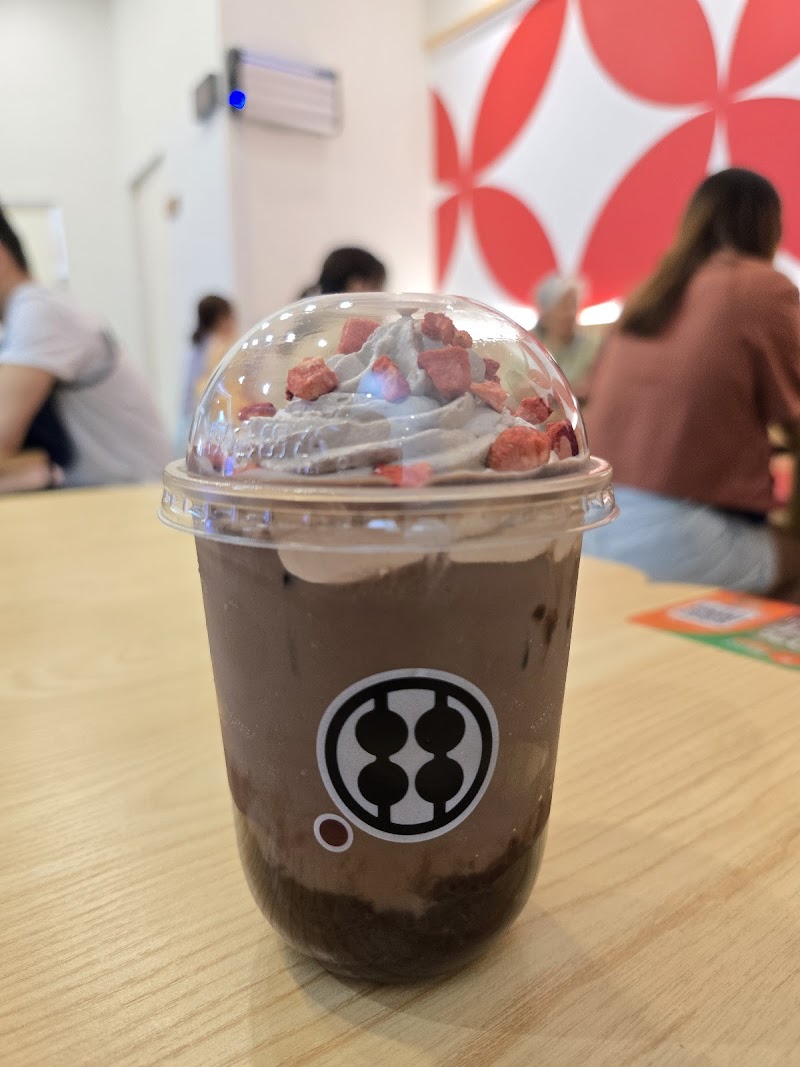
Kinako Warabimochi · Matcha Warabimochi · Warabimochi Drinks
Dine-in Café
OHV has dine-in café with exclusive matcha set

About

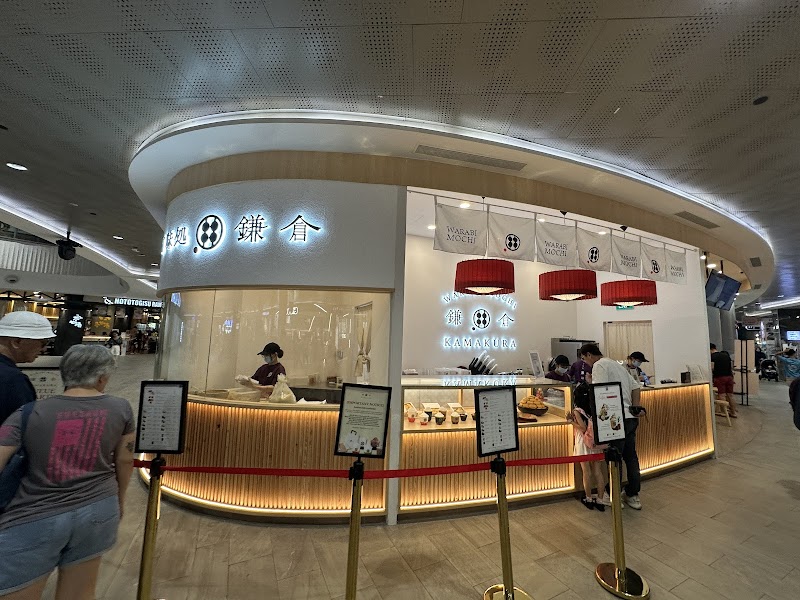
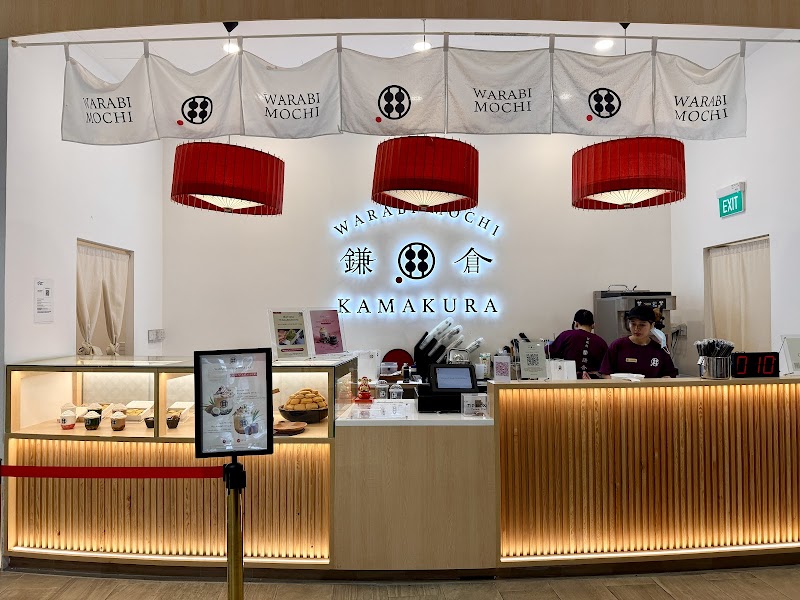
Warabimochi Kamakura (わらびもち鎌倉) caused a sensation when it opened its first Singapore — and first Southeast Asian — outlet at One Holland Village. The queue stretched for hours on opening day, and the mochi sold out within the first few hours. The hype was justified: warabimochi is one of Japan's most refined traditional confections, made from warabi-ko (bracken fern starch), and Warabimochi Kamakura has elevated it into a modern, accessible dessert experience. The One Holland Village outlet (#01-54) features a dine-in café format with outlet-exclusive items — notably the 3-Piece with Hot Matcha Set (S$9.90), pairing three pieces of soft mochi with a large bowl of warm, grassy matcha.

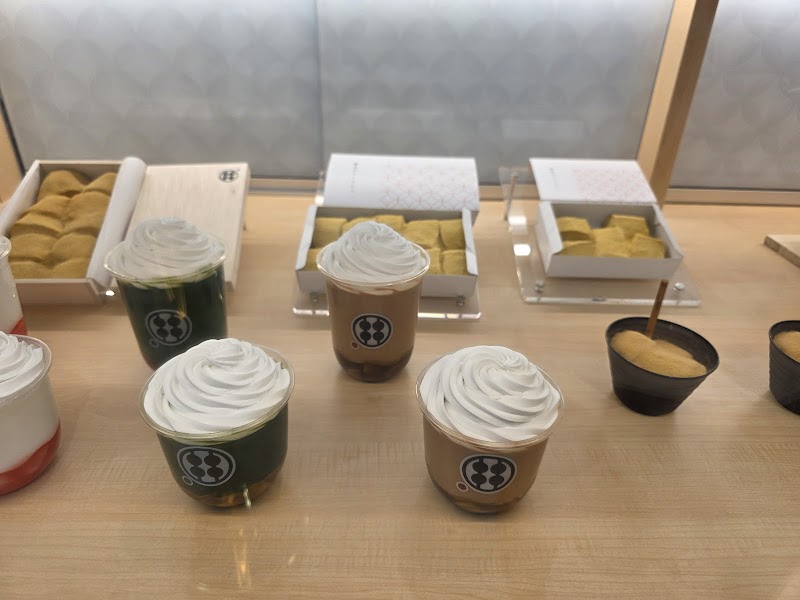
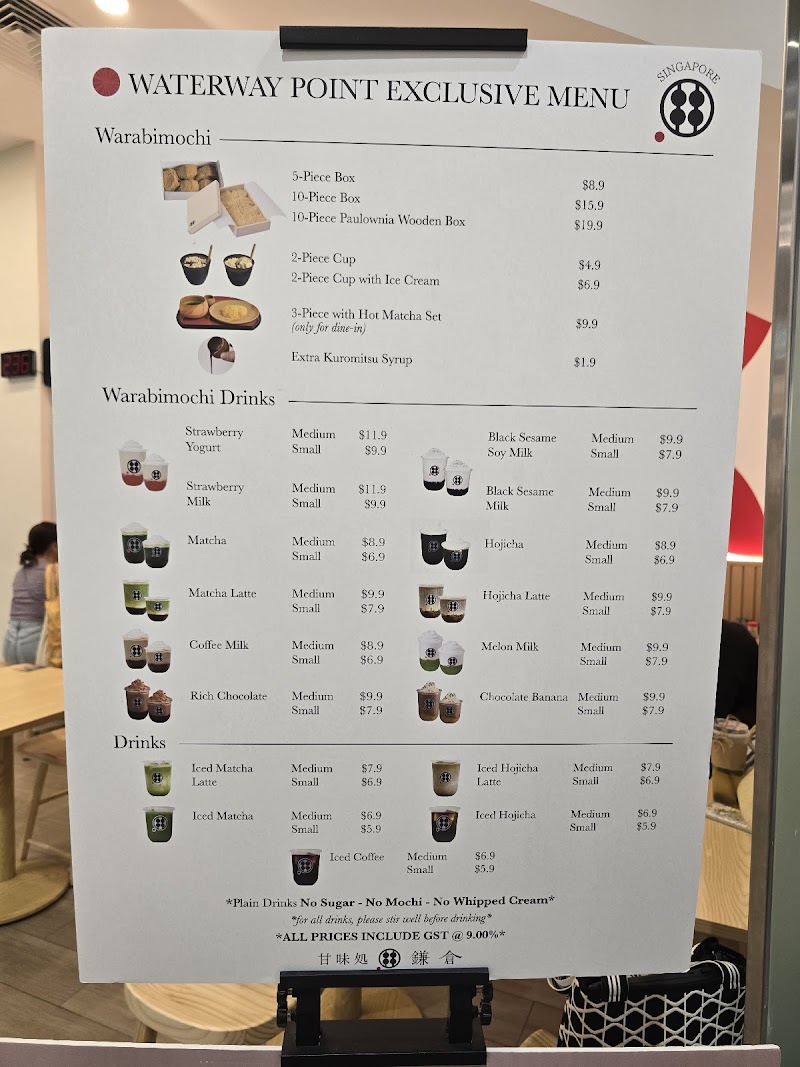
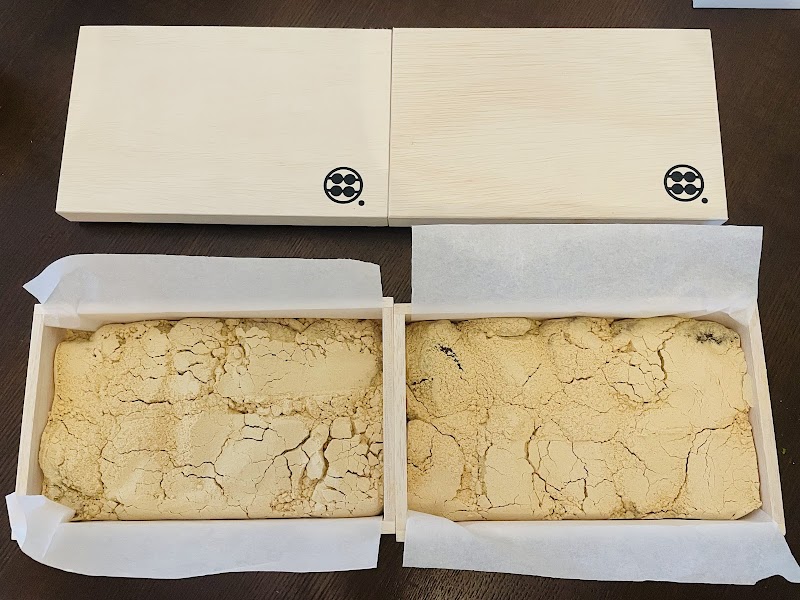
The mochi themselves are remarkable: soft, jiggly, almost translucent, with a texture that melts on the tongue rather than requiring chewing. The Original Kinako version dusts the mochi with roasted soybean powder (kinako) and drizzles kuromitsu (black sugar syrup) — a combination dating back centuries in Japanese wagashi tradition. The Matcha version uses Uji matcha powder for an earthy bitterness. The warabimochi drinks are the innovation that made the brand accessible to bubble-tea-loving Singaporeans: Strawberry Milk (from S$9.90), Coffee Milk (from S$6.90), and Asakawa-en Matcha (from S$6.90) blend chewy warabimochi pieces into refreshing beverages. The 2-Piece Original Cup (S$4.90) is the entry point; the 5-Piece Original Box (S$8.90) and 10-Piece Box (S$15.90) are for sharing or gifting.

Recommended For

Dessert Adventurers Japanese Culture Fans Instagram-Worthy Gift Shopping

Menu & Pricing

* Prices subject to GST. Menu may vary.

Practical Info

Location
One Holland Village, 7 Holland Village Way, #01-54, Singapore 275748
Hours
Daily: 11am – 10pm (varies)
Nearest MRT
Holland Village MRT (CC21) — 3 min walk
Payment
Cash, cards, PayNow, GrabPay

Dietary Info

Not Halal Naturally gluten-free (bracken starch) Traditional version is vegan-friendly

Your Visit

1

The OHV Warabimochi Experience

The One Holland Village outlet has a dine-in café — unique among Warabimochi Kamakura's SG outlets. Get the exclusive 3-Piece + Hot Matcha Set (S$9.90): the warm matcha pairs beautifully with the cool, jiggly mochi. For takeaway: 5-Piece Box (S$8.90) to share while exploring Holland Village. For drinks: Strawberry Milk (from S$9.90) is the most popular — strawberry-flavoured mochi pieces in creamy milk. The texture is like premium boba but uniquely Japanese. This is the original outlet that caused the viral queues — the hype has calmed but the quality remains.

Photos
Warabimochi Kamakura photo 1Warabimochi Kamakura photo 2Warabimochi Kamakura photo 3Warabimochi Kamakura photo 4Warabimochi Kamakura photo 5Warabimochi Kamakura photo 6

Map

Editor's Note

Our honest take

Warabimochi Kamakura at One Holland Village is where the Singapore warabimochi craze began. The queues have subsided, but the product remains exceptional — the mochi texture is genuinely unlike anything else in Singapore's dessert landscape. The dine-in café format (exclusive to this outlet) elevates the experience beyond grab-and-go. The Hot Matcha Set (S$9.90) is the way to experience warabimochi as it was meant to be enjoyed: contemplatively, paired with proper matcha, in a quiet corner of One Holland Village.

Advertisement

Similar in Holland Village

The Complete Holland Village Japanese Dessert Trail

Holland Village has emerged as Singapore's premier destination for Japanese desserts, with four distinct Japanese dessert specialists concentrated in One Holland Village alone — a density unmatched anywhere else on the island. Here is the optimal dessert trail for the dedicated sweet tooth: Stop 1: Warabimochi Kamakura (#01-54, Level 1) — Start here for the most uniquely Japanese experience. The bracken starch mochi with kinako and kuromitsu represents centuries of wagashi tradition in a modern, accessible format. The dine-in café exclusive Hot Matcha Set (S$9.90) is the best introduction. Stop 2: Tsujiri Premium (#02-25/26, Level 2) — Walk upstairs for Kyoto's finest matcha desserts. The Premium Matcha Parfait (from S$14.80) is a textural journey, and the matcha soft serve (from S$5.80) is the purest matcha expression. Stop 3: Yatsudoki (#01-22/23, Level 1) — Return to Level 1 for Châteraisé's premium tier. The Apple Pie (from S$6.80) is a must-try, and the seasonal fruit tarts showcase Japanese fruit at its best. Stop 4: Hoshino Coffee (Level varies) — End with a soufflé pancake (from S$13.80) and hand-drip coffee — the jiggly, cloud-like pancake is both dessert and spectacle. This four-stop trail covers the complete spectrum of Japanese desserts: traditional wagashi (Warabimochi), tea ceremony aesthetics (Tsujiri), modern patisserie (Yatsudoki), and kissaten comfort (Hoshino). Total budget for sampling one item at each: approximately S$30–40. Total time: 2–3 hours for a leisurely afternoon. This trail is unique to Holland Village — no other neighbourhood in Singapore offers this concentration of authentic Japanese dessert experiences.

Japanese Wagashi: The Living Art of Traditional Sweets

Warabimochi belongs to the vast and beautiful world of wagashi (和菓子) — traditional Japanese confections that have evolved over more than a millennium. Unlike Western desserts built on butter, cream, and sugar, wagashi emphasise natural plant-based ingredients: azuki (red bean), mochi (glutinous rice), warabi (bracken starch), matcha, sesame, chestnut, sweet potato, and kuromitsu (black sugar syrup from Okinawa). Wagashi are deeply intertwined with the Japanese tea ceremony (chadō, 茶道): each sweet is designed to be consumed before drinking matcha, providing a contrasting sweetness that enhances the tea's bitter-umami character. The visual aesthetics of wagashi are equally important — traditional wagashi artisans (wagashi-shi, 和菓子師) sculpt their creations to reflect the current season: cherry blossoms in spring, hydrangeas in early summer, maple leaves in autumn, snow motifs in winter. This seasonal awareness (kishōkan, 季節感) means a wagashi shop's display case is essentially a calendar of nature expressed through confection. Warabimochi occupies a special place in this tradition: its translucent, almost ethereal appearance evokes water or dew — making it particularly associated with summer, when its cool, refreshing texture provides relief from the heat. At Warabimochi Kamakura Holland Village, the modern dine-in café format introduces this centuries-old tradition to audiences who may never have encountered traditional wagashi. The Hot Matcha Set (S$9.90) — pairing warabimochi with whisked matcha — recreates the essential tea ceremony experience in miniature: bitter tea, sweet mochi, a moment of contemplative pleasure. This is wagashi democratised, but not diminished.

Warabimochi Kamakura at Holland Village: The Original Singapore Outlet

The Holland Village outlet of Warabimochi Kamakura holds special significance: it is the brand's first outlet in Singapore and in Southeast Asia, opened to enormous fanfare and hour-long queues that became a viral sensation on social media. Located at One Holland Village #01-54, this outlet set the template for the brand's subsequent Singapore expansion (including Waterway Point Punggol). The concept is beautifully simple: warabimochi — a traditional Japanese confection made from bracken fern starch (warabi-ko) — is served in various formats: the 2-Piece Original Cup (S$4.90), 5-Piece Box (S$8.90), 10-Piece Box (S$15.90), and the outlet-exclusive 3-Piece with Hot Matcha Set (S$9.90). The mochi itself has a uniquely soft, jiggly, almost translucent texture that melts on the tongue — completely different from the chewy rice mochi most people are familiar with. It is dusted in kinako (roasted soybean powder) and drizzled with kuromitsu (Japanese black sugar syrup), creating a dessert that is simultaneously earthy, nutty, and deeply sweet. The warabimochi drinks are equally innovative: blended mochi pieces create a bubble-tea-like texture, available in flavours like Strawberry Yogurt (from S$9.90), Coffee Milk (from S$6.90), and the Asakawa-en Matcha (from S$6.90). The Holland Village location also features a dine-in café area — an exclusive feature not available at all outlets — where you can enjoy warabimochi with hot matcha in a serene Japanese-inspired setting. This café experience adds a meditative quality to the dessert that grab-and-go cannot replicate. For the complete warabimochi experience, order the 3-Piece with Hot Matcha Set and take your time.

How to Enjoy Warabimochi Like a Japanese Local

In Japan, warabimochi is traditionally enjoyed as a contemplative treat — not rushed, not consumed while walking. The proper way to eat warabimochi at Warabimochi Kamakura's dine-in café: Take a piece with the provided pick. Observe its translucent, jiggly texture — this is part of the aesthetic pleasure. Coat it thoroughly in kinako powder by rolling gently. Drizzle kuromitsu syrup over the kinako-coated mochi. Place it in your mouth and let it rest on your tongue for a moment before chewing. The mochi should begin to dissolve — releasing the nutty kinako warmth and the deep mineral sweetness of the kuromitsu simultaneously. Do not bite aggressively — the texture is designed to yield. Between pieces, sip your hot matcha (if you ordered the set). The bitter matcha cleanses your palate and creates a contrast that makes the next piece of mochi taste even sweeter. This alternation between bitter tea and sweet mochi is the foundation of the Japanese tea ceremony aesthetic — a principle of complementary contrasts called 'yin and yang' in Chinese philosophy but embedded deeply in Japanese food culture as well. The warabimochi drinks represent a modern innovation that Japanese traditionalists might raise an eyebrow at — but they are genuinely delicious and serve an important purpose: introducing warabimochi's unique texture to customers who might not otherwise try a traditional wagashi. The Strawberry Milk drink blends strawberry-flavoured mochi pieces into creamy milk, creating something that feels like premium boba but with a distinctly Japanese character. For the complete Holland Village warabimochi experience, start with the dine-in 3-Piece + Hot Matcha Set (S$9.90) for the traditional approach, then try a drink on your next visit for the modern interpretation.