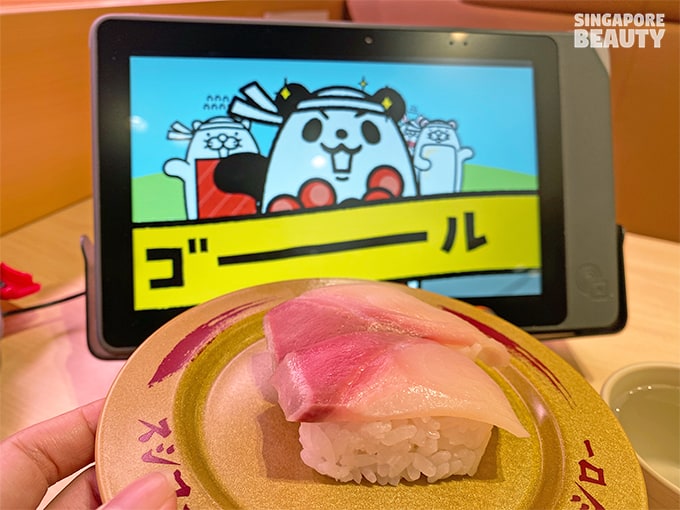
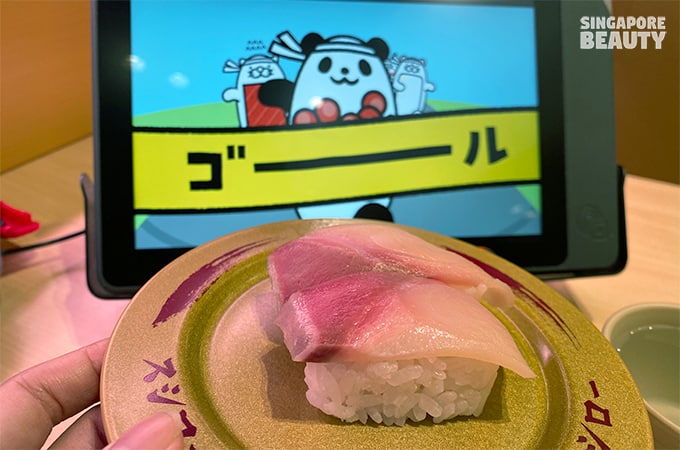
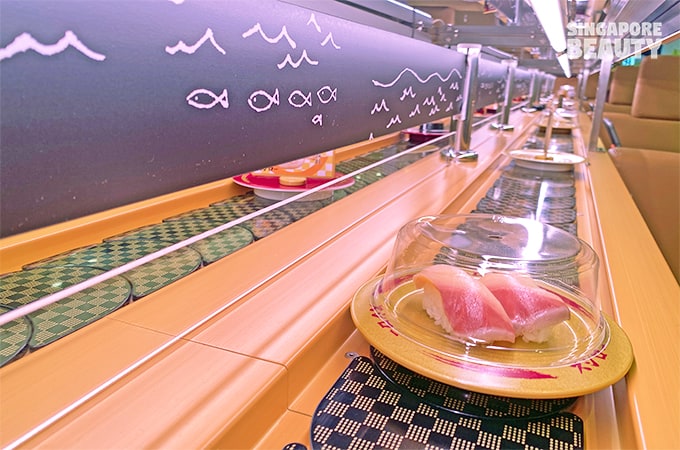
Sushiro is Japan's largest and most popular conveyor belt sushi chain, founded in Osaka in 1984 by Yutaka Shimizu. With over 530 branches globally, it arrived in Singapore in 2019 and has rapidly expanded to 17 outlets. Sushiro's appeal is simple: high-quality sushi at remarkably low prices, served via a dual-lane conveyor system — one with rotating plates and another for made-to-order items delivered directly to your seat. The chain uses an AI-powered system to manage freshness, automatically removing plates that have been on the belt too long. This technology ensures every piece you pick up is at peak quality. For families, the touch-panel ordering system makes dining interactive and fun, while the app lets you reserve your spot and track wait times.
Compass Verdict
Should you eat here?
Japan's #1 conveyor belt sushi chain by volume. Plates from S$2.30 with quality that punches above the price. Touch-screen ordering and the Kousoku Express delivery system make it fun and efficient. Expect weekend queues at all outlets.
Recommended For
Families with KidsBudget Sushi LoversCasual LunchFirst-Time VisitorsGroup DiningTakeaway & Delivery
Menu & Pricing
Item
Price
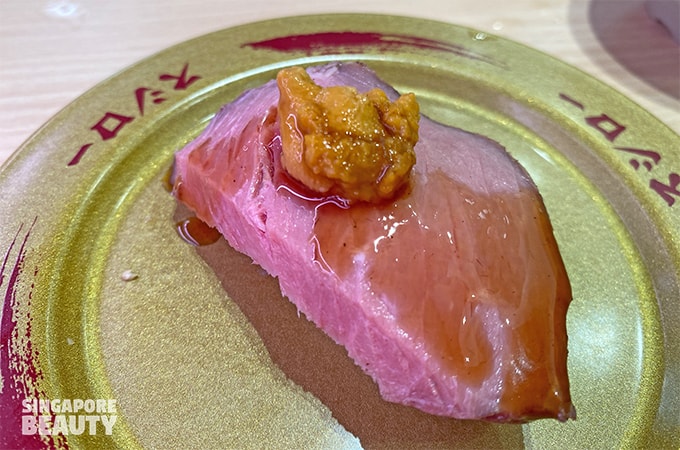
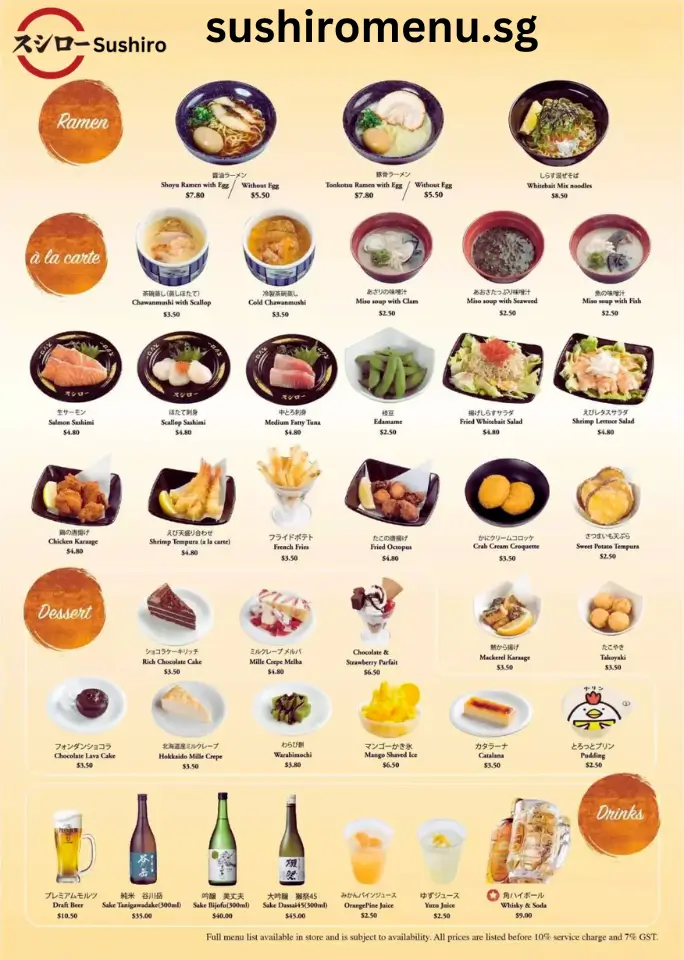
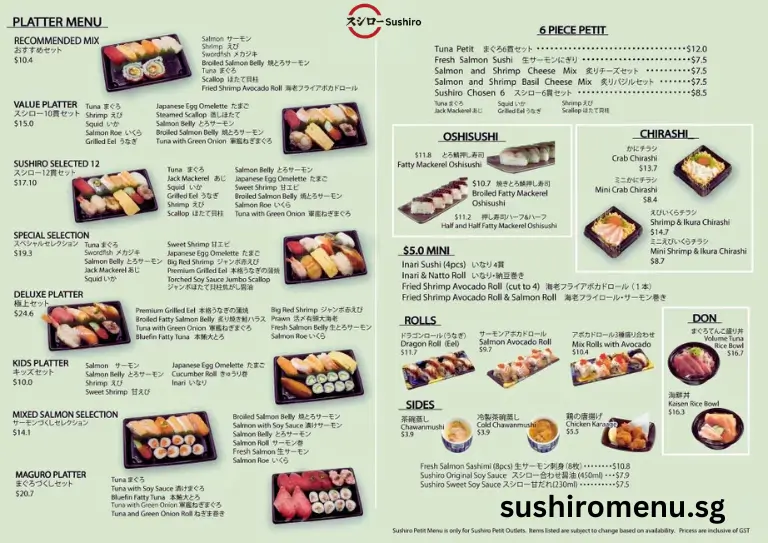
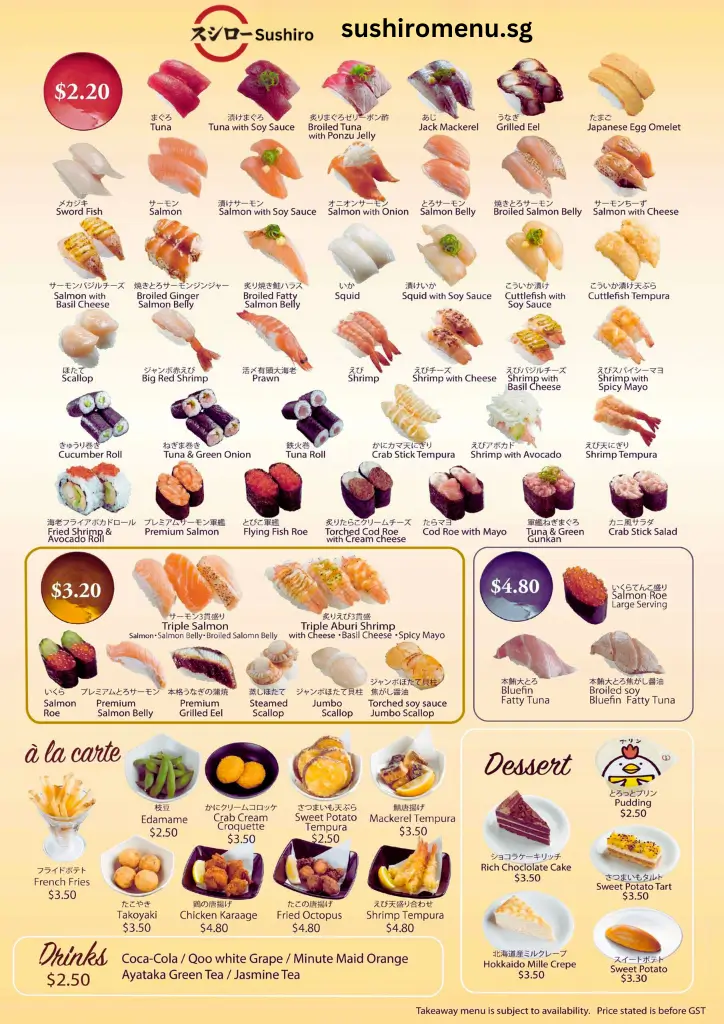
Salmon Nigiri
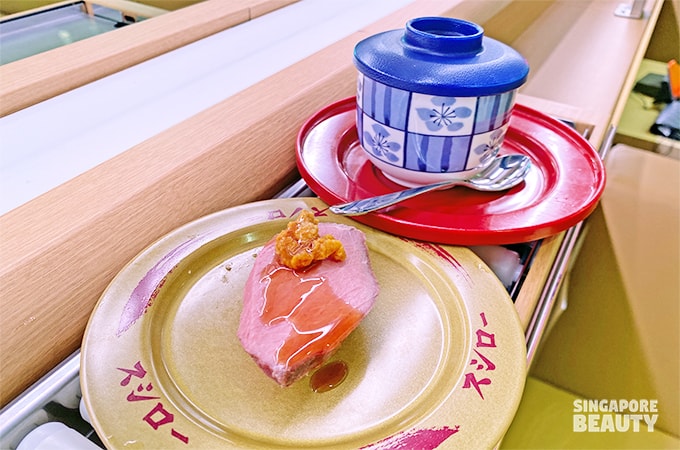
Fresh salmon on sushi rice — the most popular item
S$2.20
Salmon Belly
Rich, fatty salmon belly with melt-in-mouth texture
S$3.00
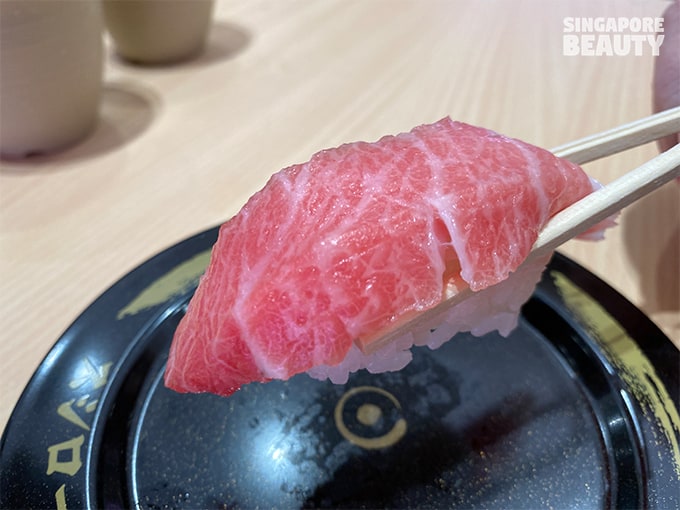
Tuna Nigiri
Classic maguro tuna on sushi rice
S$2.20
Ebi Fry Roll
Crispy fried shrimp roll
S$2.20
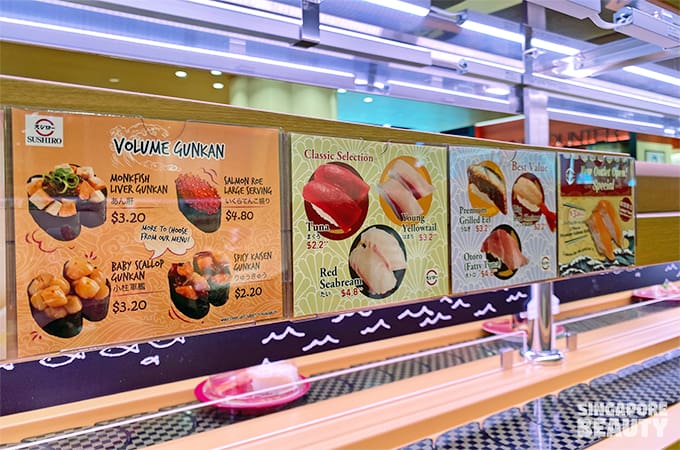
Premium Grilled Eel
Glazed unagi — sweet and savory
S$4.80
Gyudon Bowl
Beef rice bowl — a filling non-sushi option
S$8.90
Miso Soup
Classic Japanese miso with tofu and seaweed
S$1.80
Chawanmushi
Steamed egg custard — smooth and savory
S$3.00
Prices subject to prevailing GST. Menu may vary by outlet.
Not halal certifiedContains raw fishShellfish presentVegetarian options availableDelivery via GrabFood & Foodpanda
Your Sushiro Experience
01
Take a Number
Use the Sushiro app or take a queue number at the entrance. The app tracks your wait time in real-time, so you can browse nearby shops while waiting.
02
Choose Your Lane
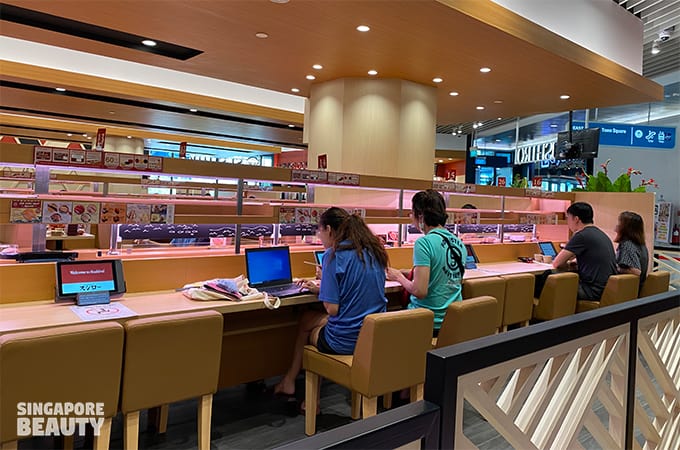
Sushiro's dual conveyor system lets you grab rotating plates from the belt or order specific items via the touch-panel tablet at your seat. Made-to-order items arrive on the express lane.
03
Eat Fresh
An AI freshness system monitors every plate on the belt. If a plate has been circulating too long, it's automatically removed. You'll always get sushi at its peak.
04
Stack & Count
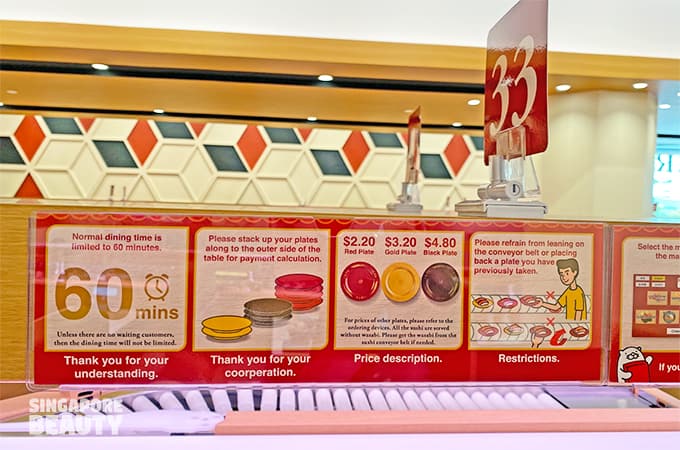
Different plate colors indicate different prices. When you're done, the staff counts your stacked plates to calculate your bill. It's a satisfying ritual.
05
Take It Home
Can't finish? Sushiro offers takeaway boxes. You can also pre-order via the app for pickup, or use GrabFood and Foodpanda for delivery.
Photos
Editor's Note
Sushiro is the best value-for-money sushi experience in Singapore. Arrive early or use the app to avoid peak-hour queues (especially weekends 12-2pm). Sit at the belt for the full experience. The salmon and tuna are consistently fresh. Don't miss the seasonal limited-time items — they rotate monthly and often feature premium ingredients at surprisingly low prices.
Advertisement
Frequently Asked Questions
How much does Sushiro cost?▾
Plates start from S$1.80 for basic items and go up to S$4.80 for premium selections. A typical meal costs S$15-30 per person.
Does Sushiro require reservations?▾
No formal reservations, but you can use the Sushiro app to join the queue remotely and track your wait time.
Is Sushiro halal?▾
No, Sushiro is not halal-certified. The menu includes pork and non-halal items.
Singapore's Japanese food scene is one of the most competitive outside Japan, with hundreds of restaurants ranging from S$5 hawker-style ramen to S$500 omakase. In this crowded landscape, Sushiro has carved out a loyal following by delivering consistent quality at its price point. Whether you are a first-time visitor to Singapore looking for reliable Japanese food, or a resident seeking a trusted regular spot, this chain offers a dependable experience across all its outlets. The standardised recipes mean you get the same quality whether you visit the Orchard outlet or the one in your neighbourhood mall.
For tourists, the multi-outlet presence means there is likely a location near your hotel or on your itinerary. For residents, it means a familiar meal is never far away. Umami Compass recommends checking the individual area pages for outlet-specific details including exact addresses, nearest MRT stations, and local tips.
Ordering Tips
First-timers should start with the signature dish — it is the item the kitchen has perfected and the reason the chain built its reputation. If you are dining with a group, order a variety of items to share and discover your favourites. Lunch sets typically offer better value than ordering à la carte. Check the restaurant's social media for seasonal promotions and limited-time items. Most outlets are walk-in only with no reservations, so arriving slightly before or after peak lunch hours (12–1pm) will reduce waiting time.
Japan's #1 Sushi Chain: How Sushiro Redefined Conveyor Belt Sushi
Sushiro is not just another conveyor belt sushi chain — it is the largest sushi chain in Japan by revenue, serving over 1 billion plates of sushi annually across its global network. Founded in Osaka in 1984, the brand built its dominance through a relentless focus on quality-at-scale: sourcing fish directly from markets across Japan and globally, using proprietary vinegar blends for its shari (sushi rice), and investing heavily in kitchen automation to maintain consistency across thousands of outlets. In Singapore, Sushiro has grown rapidly to 17+ outlets, drawing long queues even years after its initial launch. The appeal is straightforward — genuine quality sushi at prices that start from S$1.80 per plate. The touchscreen ordering system means every piece is made fresh when you order, rather than circling endlessly on the belt. Items like the Kohada (gizzard shad), Engawa (flounder fin), and seasonal specials demonstrate a level of neta (topping) variety that rivals some sit-down sushi restaurants. For families, the kid-friendly menu, the visual excitement of the conveyor belt, and the no-pressure ordering system make it a reliably fun dining experience.
How to Visit
Most outlets are located in major shopping malls across Singapore, easily accessible by MRT. No reservations are needed — simply walk in. During peak lunch hours (12:00–1:30pm) and dinner hours (6:00–7:30pm), expect short waiting times at popular outlets. Weekday afternoons between 2:00–5:00pm are generally the quietest. Payment methods typically include cash, NETS, Visa, Mastercard, and contactless payments. Many outlets are also available on food delivery platforms such as GrabFood, foodpanda, and Deliveroo for those who prefer to enjoy the food at home.
Understanding the Cuisine
Japanese cuisine is built on a few core principles that elevate even the simplest dishes. Umami — the 'fifth taste' — is central: a deep, savoury satisfaction that comes from ingredients like dashi (stock made from kelp and bonito), soy sauce, miso, and fermented seasonings. Balance is everything: sweet, salty, sour, bitter, and umami are calibrated in each dish to create harmony rather than dominance of any single flavour. Presentation matters: even at casual restaurants, food is arranged with care because the Japanese dining philosophy holds that you eat first with your eyes. Seasonality drives the menu: ingredients are chosen at their peak freshness, which is why you will often see seasonal specials that rotate throughout the year. Understanding these principles helps you appreciate why a seemingly simple bowl of rice and beef can feel like a complete, satisfying meal — every element has been considered.
Technology Behind the Belt: How Sushiro Uses Data
What most diners do not see is the technology infrastructure behind Sushiro's conveyor belt. Each plate on the belt is tracked by an embedded IC chip that monitors how long it has been circulating. Plates that have been on the belt too long are automatically removed — ensuring freshness. The touchscreen ordering system collects real-time data on what is being ordered, allowing the kitchen to predict demand patterns and prepare popular items in advance. This data-driven approach to sushi production is why Sushiro can maintain quality at scale — they know exactly what to make, how much to make, and when to make it. For customers, the result is simple: the sushi is fresh, the wait times are short, and the waste is minimal.