Highlights
About
Sushiro (スシロー) is Japan's number one conveyor belt sushi chain by revenue — and it is not even close. With over 600 outlets in Japan and rapidly expanding internationally, Sushiro has perfected the art of delivering high-quality sushi at genuinely affordable prices through technology and scale. The Waterway Point outlet at #01-31/32 brings this Japanese institution to Punggol, serving the 150,000+ residents of Punggol and neighbouring Sengkang with what many consider the best-value sushi in Singapore.
What makes Sushiro technologically unique is its AI-assisted freshness management system. Every plate on the conveyor belt is tracked by an embedded chip that monitors how long it has been circulating. After a set period (typically 350 metres of travel), the plate is automatically removed and the sushi is discarded — ensuring that every piece you pick up is fresh. Additionally, the touch-screen ordering system lets you order specific items made to order, which arrive via a dedicated express lane on the conveyor. This dual system — browse the belt for spontaneous picks, or order exactly what you want — gives you the best of both worlds.
The menu spans over 100 items across colour-coded pricing tiers. Yellow plates (from S$2.20) cover basic nigiri — salmon, tuna, ebi, tamago. Red plates (from S$3.30) include premium nigiri and creative rolls. Black plates (from S$4.80) feature seasonal specials and premium sashimi. Side dishes include edamame, gyoza, tempura, miso soup, and desserts — all orderable via the touch-screen. The pricing transparency is part of Sushiro's appeal: you always know exactly what you are spending, plate by plate. A typical satisfying meal runs S$10–20 per person, making it one of the most affordable quality sushi experiences in Singapore.
Compass Verdict
Japan's #1 conveyor belt sushi at Waterway Point Punggol. Plates from S$2.30. The best-value sushi in northeast Singapore. Touch-screen ordering, Kousoku Express delivery. The sushi destination for Punggol families. Expect weekend queues.
Recommended For
Menu & Pricing
| Item | Price | Notes |
|---|---|---|
| Salmon Nigiri (Yellow) Fresh Atlantic salmon on sushi rice — the bestseller | S$2.20 | Bestseller |
| Tuna Nigiri (Yellow) Maguro tuna on sushi rice | S$2.20 | Classic |
| Aburi Salmon (Red) Torched salmon with mayo — Sushiro signature | S$3.30 | Signature |
| Engawa (Red) Flounder fin — buttery, melt-in-mouth texture | S$3.30 | Connoisseur |
| Seasonal Premium Sashimi (Black) Rotating seasonal fish — check touch-screen for current offering | S$4.80 | Seasonal |
| Gyoza (6 pcs) Pan-fried pork dumplings with dipping sauce | S$4.80 | Side |
| Tamago Nigiri (Yellow) Sweet Japanese egg omelette — kid-friendly | S$2.20 | Kids |
| Ebi Tempura Roll (Red) Crispy shrimp tempura rolled with rice and nori | S$3.30 | Popular |
| Miso Soup Traditional miso with tofu, seaweed, spring onion | S$2.80 |
* Prices subject to GST. Menu may vary.
Practical Info
Dietary Info
Your Visit
How Sushiro Works
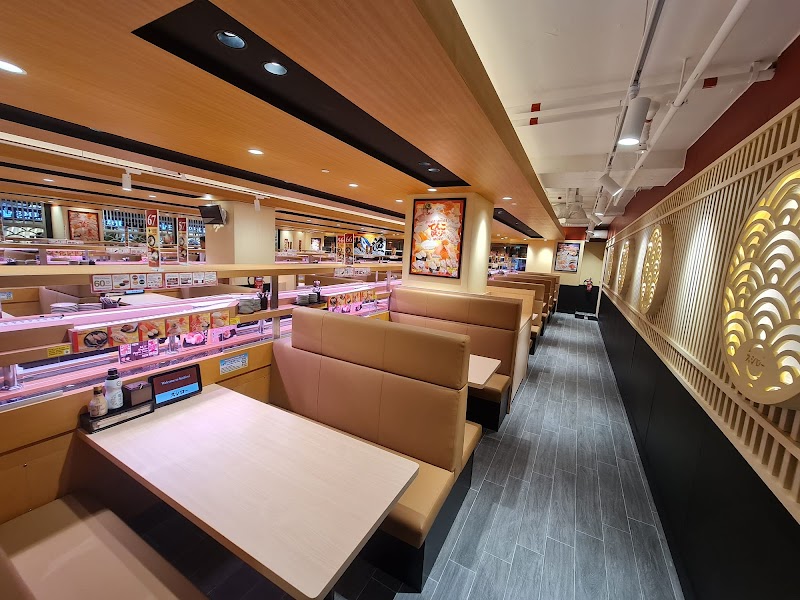
Register at the entrance kiosk for a queue number (or walk in during off-peak). Once seated, you have two ways to get sushi: grab plates from the conveyor belt as they pass by, or use the touch-screen at your table to order specific items made fresh. Touch-screen orders arrive on a dedicated express lane — look for the flashing light on the belt indicating your order. Plates are colour-coded by price tier. Stack finished plates neatly on the side of your table.
Smart Ordering Strategy
Start with 2–3 yellow plates (S$2.20 each) to test your appetite: salmon, tuna, tamago. Then use the touch-screen to order 1–2 red plate items made fresh: Aburi Salmon and Ebi Tempura Roll are the top choices. Check the seasonal specials on the black plate tier — these rotate monthly and often feature premium fish at lower-than-usual prices. Add one side dish (gyoza or edamame) for variety. Budget meal: 4 yellow plates + 1 side = ~S$12. Satisfying meal: 3 yellow + 2 red + 1 side = ~S$18.
Sushiro vs Genki Sushi
Both are at Waterway Point — but they offer different experiences. Sushiro uses a traditional conveyor belt (plates circulate, you grab what appeals). Genki Sushi uses a bullet train delivery system (you order via tablet, sushi arrives on a miniature Shinkansen). Sushiro is slightly cheaper per plate (from S$2.20 vs Genki's S$1.80 base but typically S$2.80+). Sushiro has AI-managed freshness tracking. Genki has more entertainment value for kids. Quality-wise, both are comparable. For budget: Sushiro. For fun: Genki Sushi. For trying both: have sushi at one and dessert at the other.
Peak Hours & Queue Tips
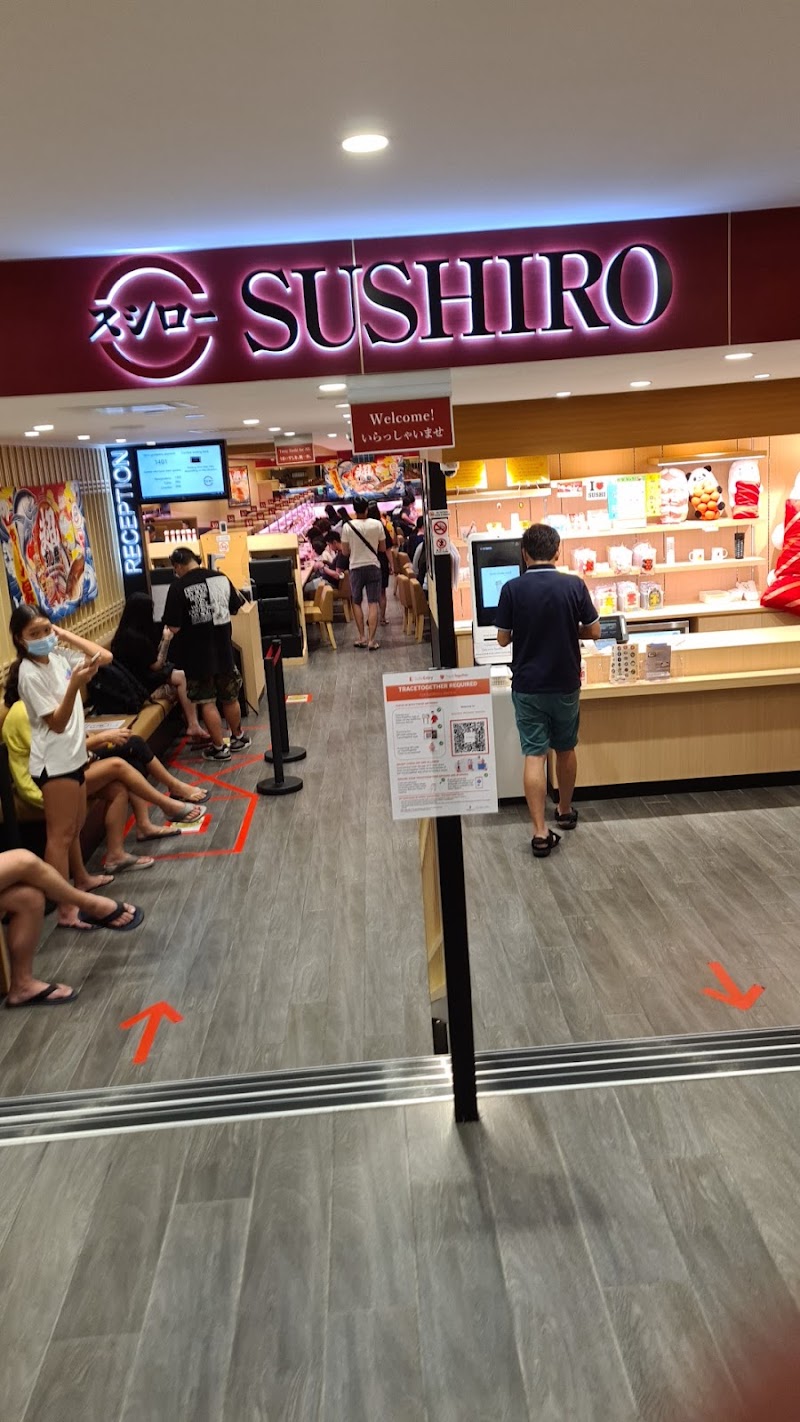
Weekend dinner (6–8pm) is the busiest — expect 30–45 minute waits. The sweet spots: weekday lunch before 12pm, weekday dinner after 7:30pm, or weekend lunch before 11:30am. Register at the kiosk and note your estimated wait time. Browse Waterway Point shops while waiting — the system will send a notification when your table is ready. If the Sushiro queue is too long, walk upstairs to Genki Sushi (#02-23) as a backup — different experience but equally good sushi.
Explore Waterway Point After Sushi
After your sushi, Waterway Point offers plenty of post-meal activities. Chateraise (#01) has Japanese ice cream bars from S$1.50 for dessert. The Waterway Point playground on Level 2 is perfect for families with young children. My Waterway@Punggol — the waterfront park next to the mall — offers scenic walking paths along the Punggol Waterway. For more Japanese dining: Gyu-Kaku (#01-33) for yakiniku, Konjiki Hototogisu for premium ramen, and Sukiya (#B1-23) for halal gyudon are all in the same mall.
Photos
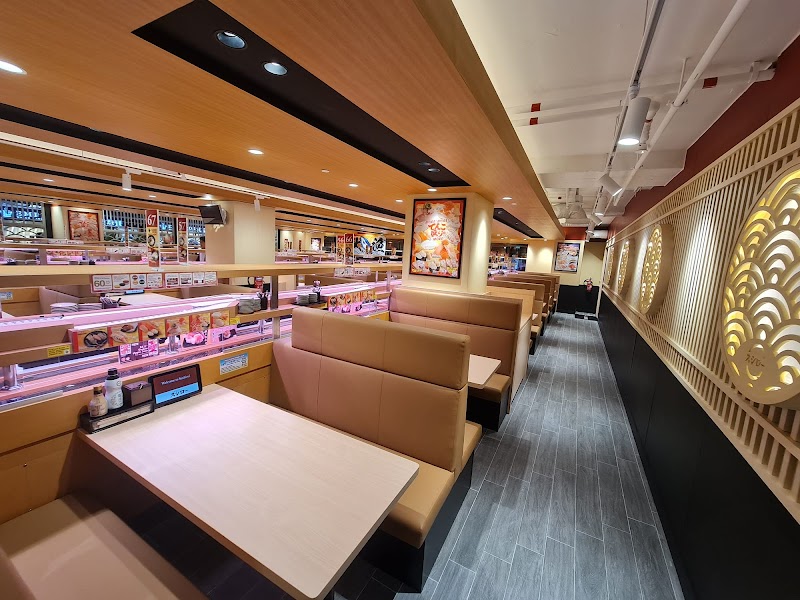
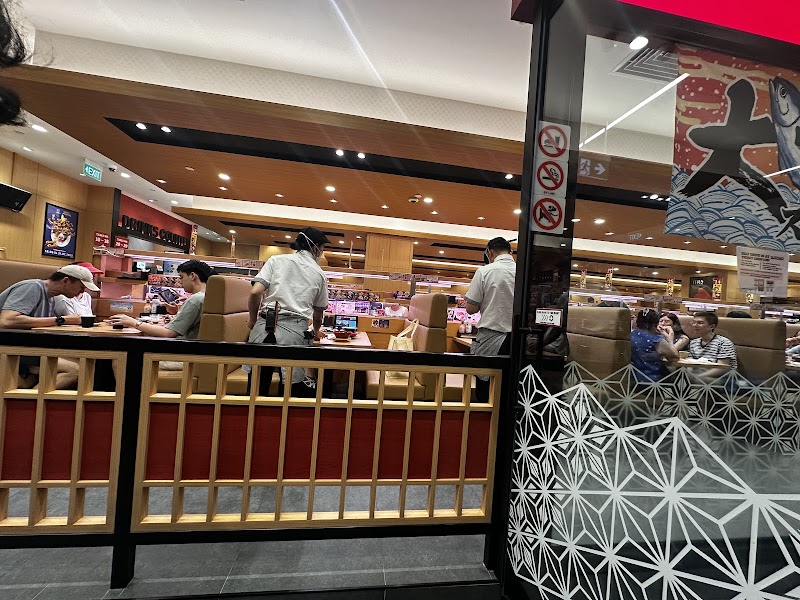
Map
Editor's Note
Sushiro at Waterway Point is the best-value sushi in the Sengkang-Punggol corridor. Japan's number one kaiten sushi chain by revenue brings serious advantages: economies of scale mean better fish at lower prices, AI freshness tracking means no stale sushi on the belt, and the sheer variety (100+ items) means every visit can be different. At S$2.20 for a basic plate, this is genuine quality sushi at budget prices — not the compromise quality you might expect at this price point. The salmon is consistently fresh, the rice is properly seasoned, and the seasonal specials often feature fish that costs double at other outlets. For Punggol residents, this is an easy weeknight dinner choice. For Sengkang residents, the one-stop NEL ride to Punggol is worth it.
Compare: Sushi in Sengkang-Punggol
| Restaurant | Price/Pax | Specialty | Best For |
|---|---|---|---|
| Sushiro | S$10–20 | Japan #1, conveyor belt, AI freshness | Budget quality sushi |
| Genki Sushi (WP) | S$12–25 | Bullet train delivery | Fun family dining |
| Ichiban Boshi (WP) | S$15–30 | Full-service Japanese | Full meals beyond sushi |
| Genki Sushi (CO) | S$12–25 | Bullet train at Compass One | Sengkang residents |
Sushiro: How Japan's #1 Became #1
Sushiro's rise to the top of Japan's intensely competitive kaiten sushi market is a story of technology-driven innovation. Founded in 1984 in Osaka as a small neighbourhood sushi shop, the chain distinguished itself through a relentless focus on freshness and efficiency. The game-changer was the introduction of AI-assisted conveyor belt management in the 2010s: sensors track every plate on the belt, monitoring how long each piece of sushi has been circulating. When sushi exceeds its freshness window (approximately 350 metres of belt travel), the plate is automatically diverted to a discard lane. This means waste increases slightly — but customer satisfaction and trust increase dramatically. Diners know that every plate they pick up is fresh, not something that has been orbiting the restaurant for an unknown duration. The company also invested heavily in direct fish sourcing, bypassing traditional middlemen to secure better quality at lower prices. Sushiro buys directly from fishing cooperatives across Japan, Southeast Asia, and the North Atlantic, using volume purchasing power to negotiate prices that smaller chains cannot match. These savings are passed directly to customers — which is why Sushiro can offer genuine quality sushi at S$2.20 per plate. The combination of AI freshness management, direct sourcing, and volume economics created a virtuous cycle: better sushi at lower prices attracted more customers, more customers enabled more volume purchasing, and more volume enabled even better prices. By 2015, Sushiro had overtaken Kura Sushi and Kappa Sushi to become Japan's number one kaiten sushi chain by revenue, a position it has held ever since. Today, Sushiro operates over 600 outlets in Japan with revenues exceeding ¥200 billion annually — a remarkable achievement for a conveyor belt sushi chain.
About Waterway Point: Punggol's Heart
Waterway Point is Punggol's primary shopping and lifestyle mall, opened in January 2016 as the commercial centrepiece of Singapore's newest town. Located at 83 Punggol Central, it is directly connected to Punggol MRT station (NE17, the terminus of the North East Line) and the Punggol LRT system. The mall houses over 200 tenants across three levels, with a significant concentration of dining options — including nine Japanese restaurants, making it the Punggol equivalent of Compass One's Japanese dining cluster in Sengkang. Key features include a large outdoor playground, a cinema, and direct access to the scenic Punggol Waterway and My Waterway@Punggol park. For Sengkang residents, Waterway Point is just one NEL stop away (Sengkang NE16 → Punggol NE17, about 3 minutes) or accessible via the Sengkang-Punggol LRT. This proximity means the Japanese dining options at both malls effectively function as a single ecosystem — if Genki Sushi at Compass One has a long queue, walk over to Sushiro at Waterway Point.