Highlights
About
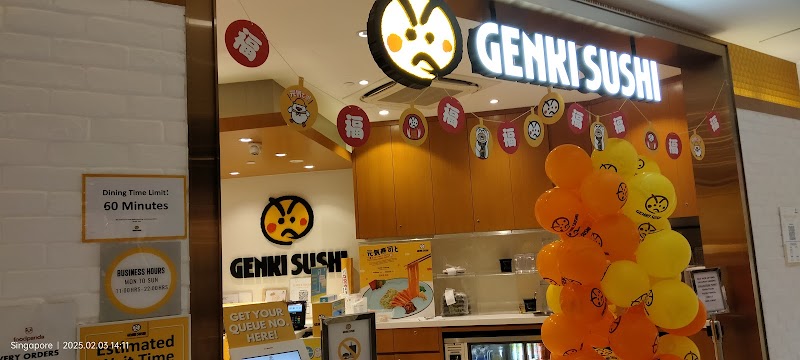
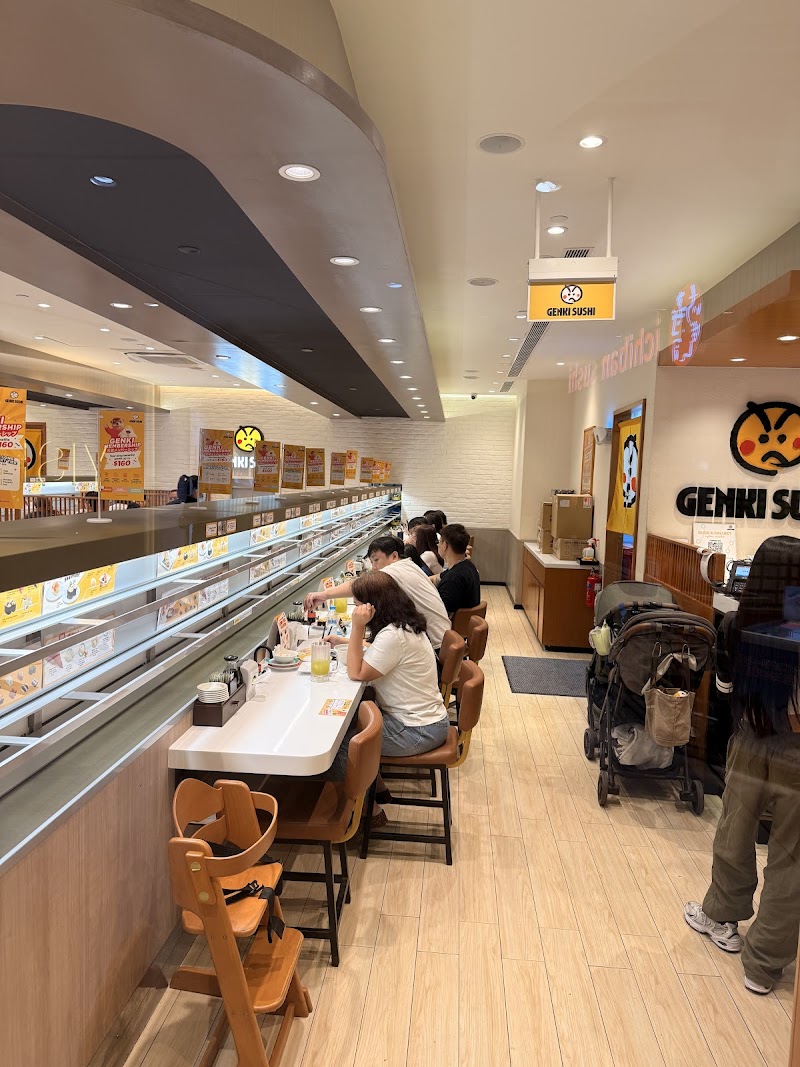
Genki Sushi (元気寿司) at Waterway Point #02-23 (West Wing, Level 2) is the Punggol sibling of the Compass One Sengkang outlet — giving the northeast corridor two Genki Sushi locations within a single NEL stop of each other. Founded in Kanagawa, Japan in 1990, Genki Sushi pioneered the bullet train (Shinkansen) sushi delivery concept: instead of picking plates off a revolving belt, you order via a tablet and your sushi arrives on a miniature Shinkansen cart that races along overhead tracks directly to your seat. It is fresh, fun, and efficient.
Having two Genki Sushi outlets in the Sengkang-Punggol area is a strategic advantage for residents. If the Compass One outlet has a long weekend queue, the Waterway Point outlet is just one MRT stop away — and vice versa. The menu is identical across both outlets: over 100 items spanning nigiri (from S$1.80), creative aburi rolls, gunkan sushi, hot sides like gyoza and karaage, and desserts. The Waterway Point location benefits from its position on Level 2, offering views of the mall atrium and easy access from the Punggol MRT/LRT connection.
The Waterway Point outlet is particularly popular with Punggol families — the bullet train system is irresistible to children, and the tablet ordering means even young kids can participate in choosing their sushi by browsing pictures. The per-plate pricing model (starting from S$1.80) gives parents complete spending transparency. A family of four can enjoy a satisfying sushi meal for S$40–60, which is exceptional value for a sit-down Japanese restaurant experience. For those who prefer a different sushi format, Sushiro is one floor below (#01-31/32) with its traditional conveyor belt and AI freshness tracking — the two outlets together give Waterway Point the most comprehensive sushi offering in the northeast.
Compass Verdict
Bullet train sushi at Waterway Point Punggol. BYOD express track ordering keeps families entertained. The strongest mid-range sushi option for Punggol's young families.
Recommended For
Menu & Pricing
| Item | Price | Notes |
|---|---|---|
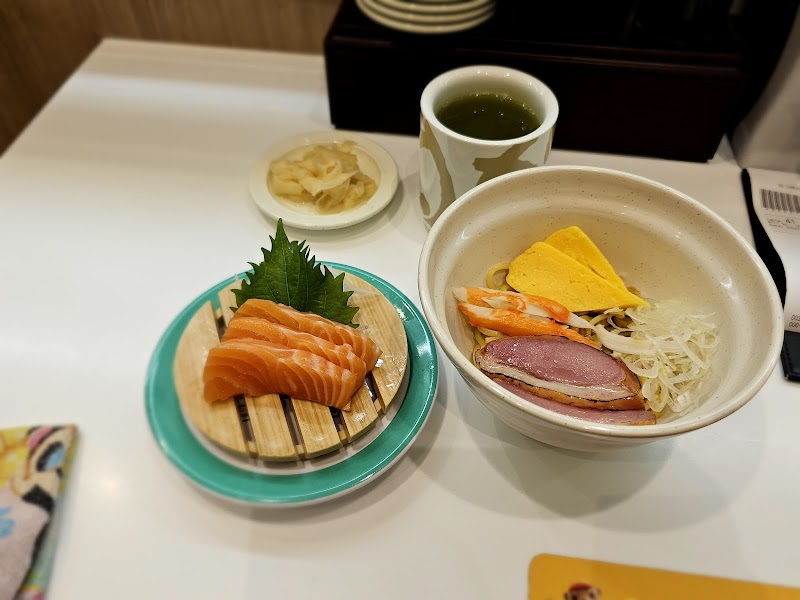
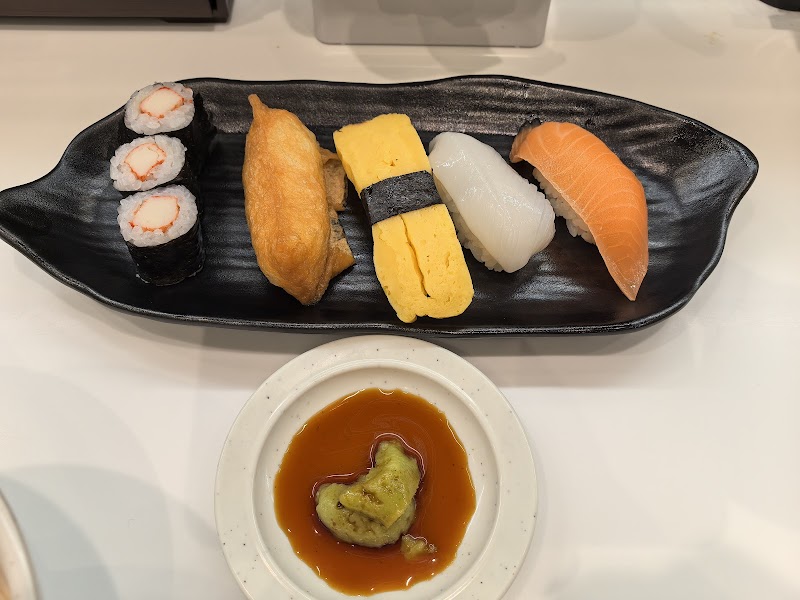
| Salmon Nigiri Fresh Atlantic salmon on vinegared rice | S$2.80 | Bestseller |
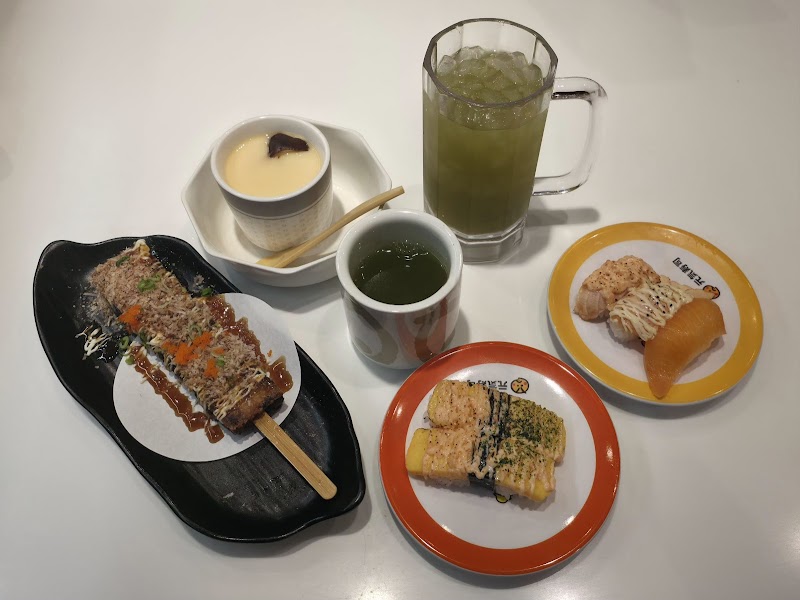
| Aburi Salmon Mentai Torched salmon with mentaiko mayo — signature | S$4.80 | Signature |
| Sukiyaki Beef DMZ Seared sukiyaki beef with sweet onion | S$5.80 | Must-try |
| Ebi Fry Roll Crispy shrimp with mayo and tobiko | S$3.80 | |
| Tamago Nigiri Sweet egg omelette — kid-friendly | S$1.80 | Kids |
| Salmon Mentai Don Rice bowl with salmon and mentaiko sauce | S$12.80 | Popular |
| Chicken Karaage Japanese fried chicken — 5 pieces | S$5.80 | Side |
| Mentai Fries Fries with creamy mentaiko sauce | S$5.80 | Sharing |
* Prices subject to GST. Menu may vary.
Practical Info
Dietary Info
Your Visit
Two Genki Sushis: Your Strategy
Living in Sengkang-Punggol means you have two Genki Sushi outlets within easy reach. Compass One (Sengkang MRT, NE16) and Waterway Point (Punggol MRT, NE17) — just one stop apart. Strategy: check both queues before committing. If Compass One has a 30-minute wait, walk to Punggol (3 min MRT) where the queue might be shorter. Weekend lunch at Waterway Point tends to be slightly less crowded than Compass One because Punggol has fewer through-traffic visitors. Weekday dinner is similar at both. The menus are identical — same Aburi Salmon Mentai, same Sukiyaki Beef DMZ, same prices.
Sushiro vs Genki Sushi at Waterway Point
Both are in the same mall — Sushiro on Level 1, Genki Sushi on Level 2. For budget: Sushiro has lower starting prices (S$2.20 vs S$1.80 base but S$2.80+ for most items at Genki). For entertainment: Genki Sushi wins with the bullet train delivery. For AI freshness: Sushiro's chip-tracked system is more advanced. For kids: Genki Sushi's Shinkansen is more visually exciting. For quality: comparable — both serve fresh, properly prepared sushi. Our recommendation: try both on separate visits and decide which format you prefer.
Order Like a Regular
Regulars at Genki Sushi Waterway Point have optimised their ordering flow: Start with Salmon Nigiri (S$2.80) and Tamago (S$1.80) — cheap, reliable, tells you if the fish is fresh today. Then order the Aburi Salmon Mentai (S$4.80) — the signature item. Add Mentai Fries (S$5.80) as a shared table side. Check the seasonal specials on the tablet — limited-time items are often the best value. End with the Salmon Mentai Don (S$12.80) if still hungry — it is essentially a sushi bowl. Total for this flow: approximately S$18–22 per person for a very satisfying meal.
After Sushi at Waterway Point
Waterway Point has excellent post-sushi options. Chateraise on Level 1 for Japanese ice cream (from S$1.50) or cream puffs (from S$1.90) as dessert. The outdoor playground on Level 2 is great for kids to burn off energy. My Waterway@Punggol — the waterfront park adjacent to the mall — offers scenic walks along the Punggol Waterway. For more Japanese: Gyu-Kaku (#01-33) for yakiniku, Konjiki Hototogisu for premium ramen, Sukiya (#B1-23) for halal gyudon. The Punggol Container Park (Oasis Terraces) is a short bus ride away with additional dining and Instagram-worthy spaces.
Photos
Map
Editor's Note
Having a second Genki Sushi at Waterway Point gives Punggol residents their own bullet train sushi outlet without the trek to Compass One. The experience is identical — same fun Shinkansen delivery, same quality Aburi Salmon Mentai, same per-plate pricing transparency. The Waterway Point outlet benefits from slightly less weekend congestion than the Compass One sibling, making it the better choice for families who want to avoid long queues. Combined with Sushiro downstairs, Waterway Point has become the sushi capital of Singapore's northeast — two world-class Japanese sushi chains in a single mall. For the Sengkang-Punggol community, this is an embarrassment of sushi riches.
Compare: Sushi at Waterway Point
| Restaurant | Price/Pax | Specialty | Best For |
|---|---|---|---|
| Genki Sushi (WP) | S$12–25 | Bullet train delivery | Kids, fun |
| Sushiro (WP) | S$10–20 | Conveyor belt, AI fresh | Budget, tech |
| Ichiban Boshi (WP) | S$15–30 | Full-service Japanese | Full meals |
Similar in Punggol
Punggol: Singapore's Newest Town
Punggol is Singapore's youngest town — a massive urban development that has transformed a former fishing village into a waterfront residential community housing over 150,000 residents. Located at the northeastern tip of Singapore (District 19), Punggol is bounded by the Punggol and Serangoon rivers, giving it a distinctive waterfront character. The masterplan includes extensive green spaces, the Punggol Waterway (a 4.2km man-made channel), cycling paths, and community facilities. Waterway Point, opened in 2016, serves as the town's commercial and social heart — directly integrated with Punggol MRT station (NE17, the terminus of the North East Line) and the Punggol LRT loop that connects the various residential precincts. For Japanese food enthusiasts, Punggol's rapid growth has attracted major chains: Sushiro, Genki Sushi, Gyu-Kaku, Ichiban Boshi, Konjiki Hototogisu, Sukiya, Kuriya, and Chateraise all maintain outlets at Waterway Point, creating a Japanese dining cluster that rivals central Singapore.
Bullet Train Sushi: How It Works
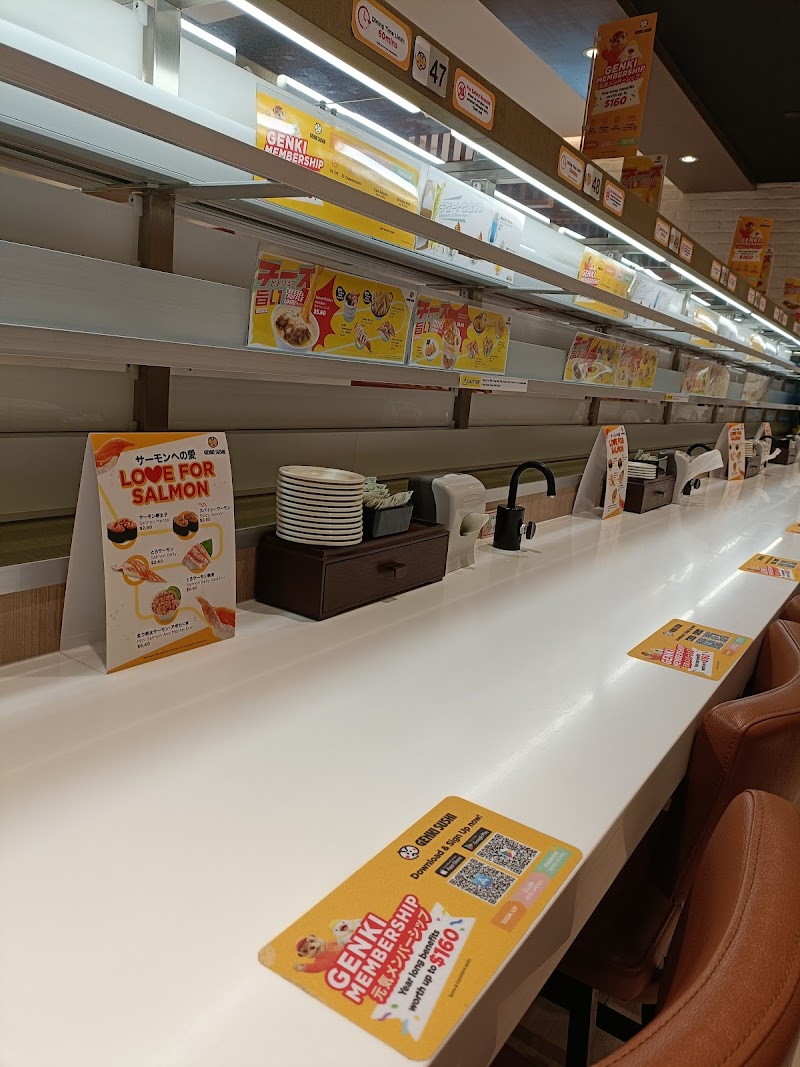
Genki Sushi's bullet train delivery system is both a marketing masterstroke and a genuine freshness innovation. Here is how it works: overhead tracks run throughout the restaurant, connecting the kitchen to every table. When you place an order via the tablet at your table, the kitchen prepares your sushi fresh and places it on a miniature Shinkansen cart. The cart then travels along the track at a moderate speed, arriving at your seat within 2–5 minutes. A sensor stops the cart at your designated table position. You take your plates, press the button to send the cart back to the kitchen, and continue ordering. The system ensures every piece of sushi is made fresh to order — unlike traditional conveyor belts where sushi may circulate for extended periods. For families, the bullet train creates a sense of occasion: children watch eagerly for their train to arrive, creating anticipation and engagement that turns a meal into an experience. The engineering behind the system is Japanese precision: the tracks are calibrated to deliver smoothly without spilling sauces, the carts are designed to hold plates securely, and the routing system efficiently manages multiple simultaneous deliveries to different tables. It is a small-scale logistics operation running in real-time — a very Japanese solution to a very Japanese problem (how to make sushi delivery more interesting).