Highlights
About
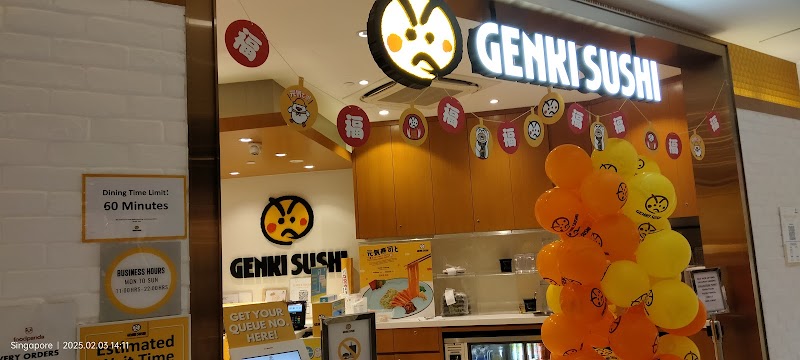
Genki Sushi (元気寿司) was born in Kanagawa Prefecture, Japan in 1990, and quickly became famous for reinventing the conveyor belt sushi experience. Instead of the traditional revolving belt where sushi slowly orbits the restaurant, Genki Sushi introduced a bullet train delivery system — you order via a tablet at your table, and your sushi arrives on a miniature Shinkansen cart that races along an overhead track directly to your seat. It is entertaining, efficient, and ensures every piece arrives fresh rather than drying out on a belt.
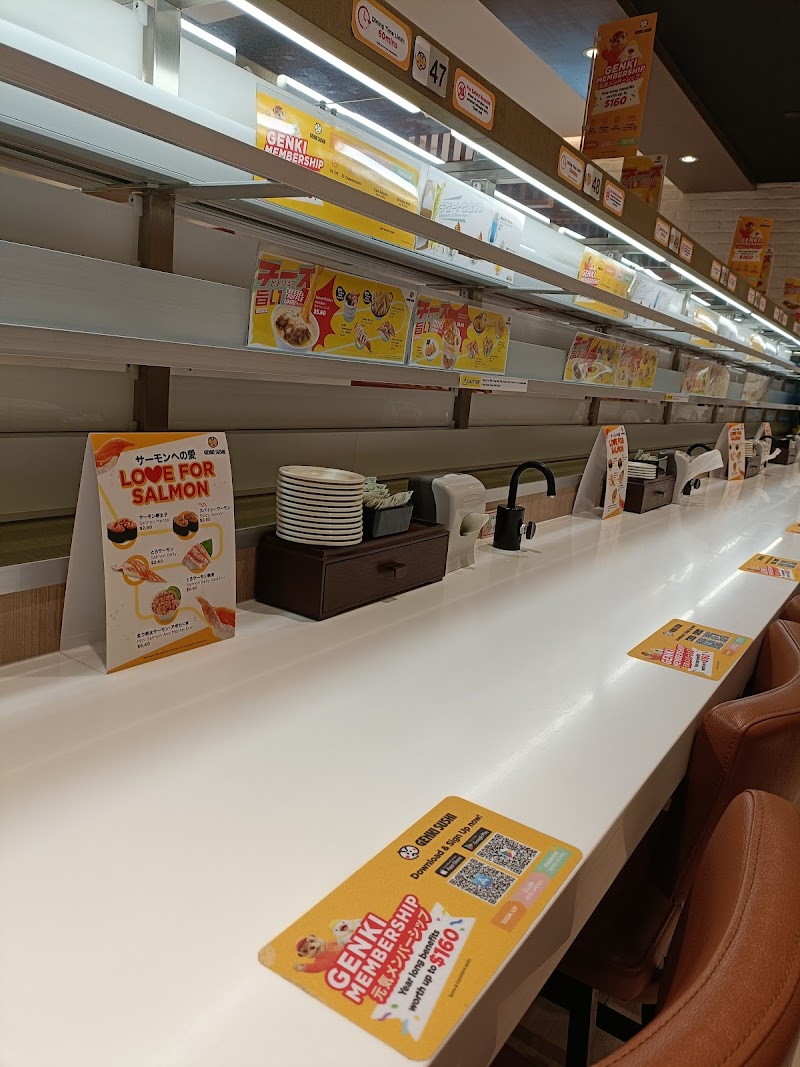
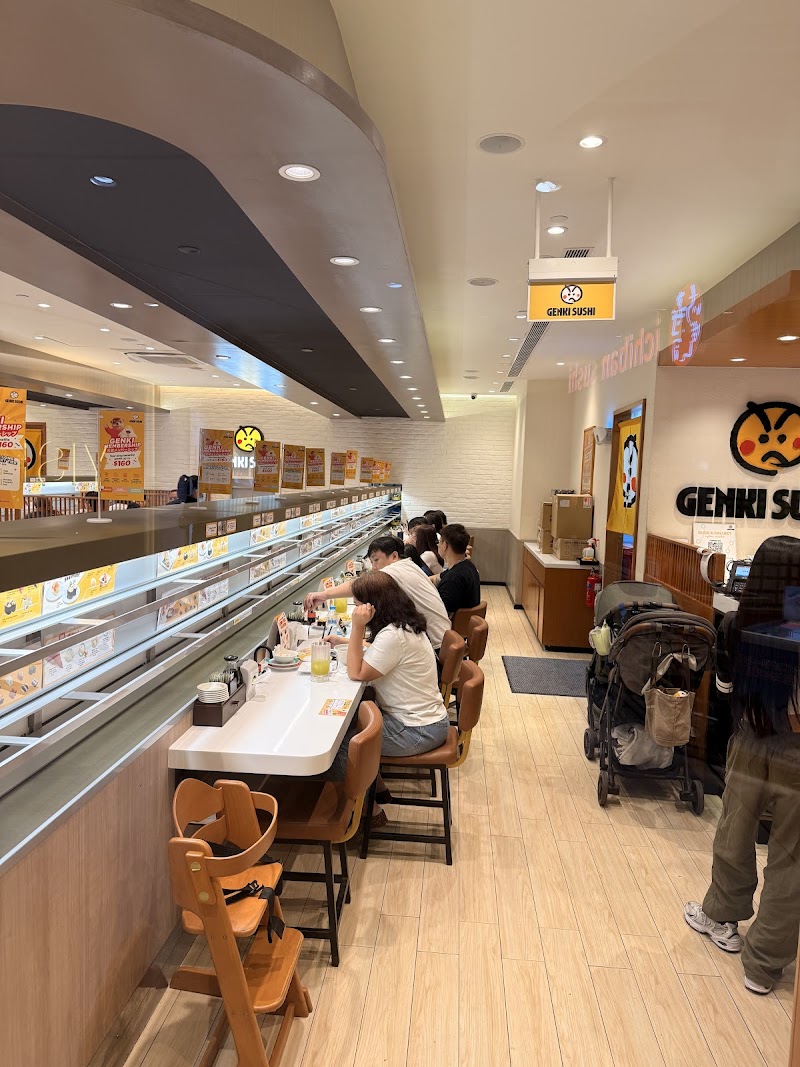
The Compass One outlet serves the Sengkang neighbourhood with the full Genki Sushi experience: the bullet train tracks snake above the dining area, creating an atmosphere of playful energy that kids absolutely love. The menu spans over 100 items — from classic nigiri (salmon, tuna, ebi) to creative aburi (torched) rolls, gunkan (battleship) sushi, and hot dishes like gyoza and edamame. Prices start from S$1.80 per plate for basic nigiri, with premium items like the Aburi Salmon Mentai reaching S$4.80–6.80. A typical meal for two runs S$25–50 depending on appetite.
What makes Genki Sushi particularly appealing for families in Sengkang is the interactive ordering experience. Children are fascinated by the bullet train delivery — watching their sushi arrive on a tiny Shinkansen creates genuine excitement at the table. The tablet ordering system means kids can browse pictures of every dish, making it easy for even young children to participate in choosing their meal. The menu includes kid-friendly options like tamago (egg) nigiri, cucumber rolls, and chicken karaage for those who are not yet ready for raw fish. Parents appreciate the per-plate pricing transparency — you always know exactly what you are spending.
Compass Verdict
Bullet train sushi at Compass One — the same express track fun, convenient for Sengkang residents. Quality between Sushi Express (budget) and Itacho (premium). Great for families with kids.
Recommended For
Menu & Pricing
| Item | Price | Notes |
|---|---|---|
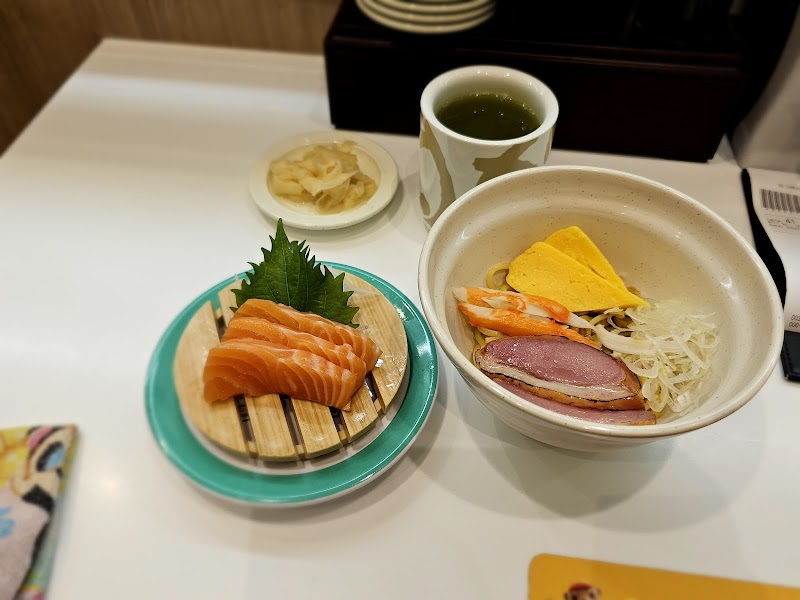
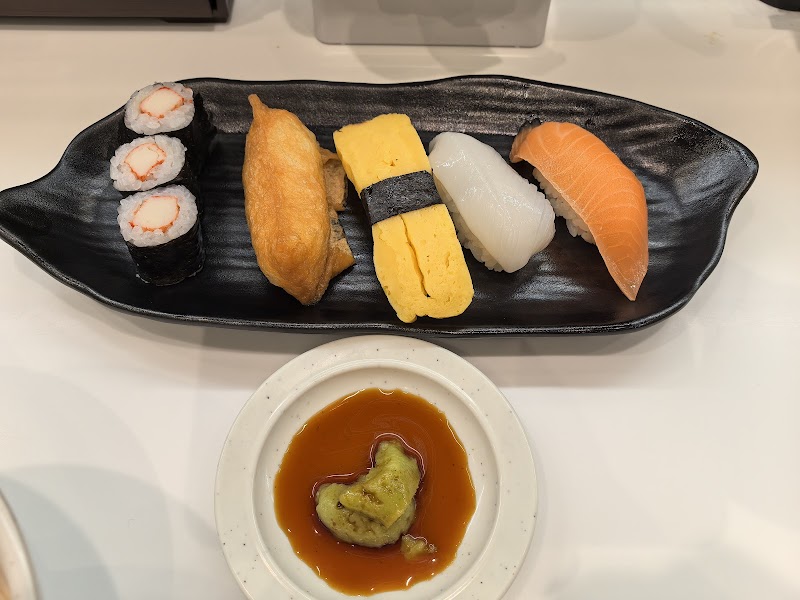
| Salmon Nigiri Fresh Atlantic salmon on vinegared rice | S$2.80 | Bestseller |
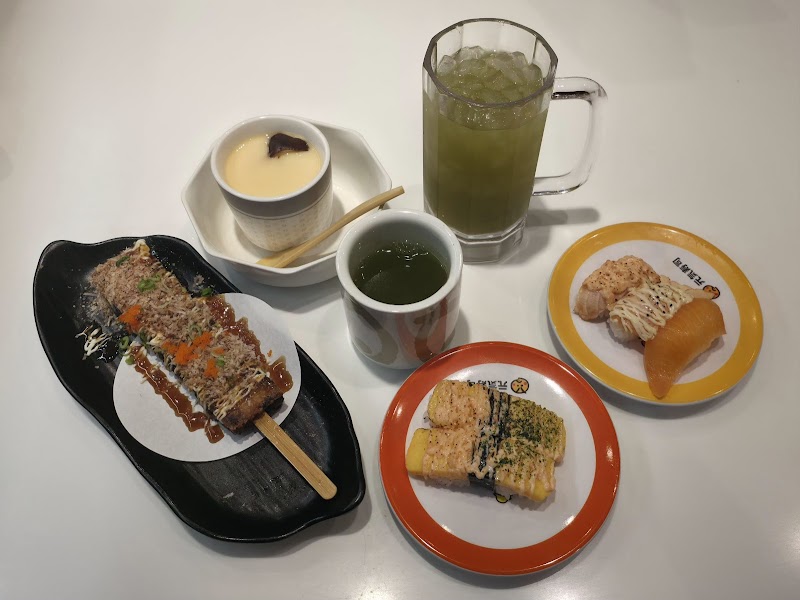
| Aburi Salmon Mentai Torched salmon with mentaiko (cod roe) mayo — signature creation | S$4.80 | Signature |
| Sukiyaki Beef DMZ Seared sukiyaki-style beef with sweet onion on sushi rice | S$5.80 | Must-try |
| Ebi Fry Roll Crispy fried shrimp roll with mayo and tobiko | S$3.80 | |
| Tamago Nigiri Sweet Japanese egg omelette on rice — great for kids | S$1.80 | Kids fav |
| Salmon Mentai Don Rice bowl topped with fresh salmon, mentaiko sauce, and tobiko | S$12.80 | Popular |
| Chicken Karaage Japanese-style fried chicken — 5 pieces with mayo dip | S$5.80 | Side |
| Edamame Steamed salted soybeans | S$3.80 | Starter |
| Mentai Fries Crispy fries topped with creamy mentaiko sauce | S$5.80 | Popular side |
* Prices subject to GST. Menu may vary.
Practical Info
Dietary Info
Your Visit
Order Smart
Use the tablet to browse the full menu with photos before ordering. Start with 2–3 plates each to gauge your appetite — you can always order more. The Salmon Nigiri (S$2.80) and Aburi Salmon Mentai (S$4.80) are the two must-tries. Add Mentai Fries (S$5.80) as a shared side. Watch for the seasonal specials highlighted on the tablet — these rotate monthly and often feature premium ingredients at promotional prices.
The Bullet Train Ritual
When you order, watch the overhead tracks — your sushi arrives on a miniature Shinkansen within 2–5 minutes. Take your plates off the train quickly so it can return to the kitchen. Stack empty plates neatly on the side of your table. At the end of your meal, the waiter counts your plates to calculate your bill. Pro tip: sit near the kitchen end of the track for slightly faster delivery.
Peak Hours Strategy
Weekend dinner (6–8pm) is the busiest — expect 20–30 minute queues. The sweet spots: weekday lunch before 12pm, weekday dinner after 7:30pm, or weekend lunch before 11:30am. Register your queue number and browse shops while waiting. The tablet ordering means even during peak periods, food comes quickly once seated — it is the seating wait that is the bottleneck.
Budget Control
Per-plate pricing makes budget management transparent. A budget meal: 3 basic nigiri plates (S$1.80–2.80 each) + 1 side = under S$15. A satisfying meal: 4–5 plates including one premium item + Mentai Fries = S$20–25. A splurge: 6–8 plates with DMZ sets and premium sashimi = S$30–40. The tablet shows running totals — use this to stay on budget. Kids under 6 can share plates with parents for significant savings.
Compare with Punggol Options
Genki Sushi also has an outlet at Waterway Point Punggol (#02-23, West Wing) — just one LRT stop away. If the Compass One outlet has a long queue, check the Punggol outlet via the Genki Sushi app. For a different sushi experience: Sushiro at Waterway Point (#01-31/32) offers a traditional conveyor belt format with slightly lower per-plate pricing (from S$2.20). Ichiban Boshi at Waterway Point (#B1-19) provides a full-service Japanese dining experience with sushi as part of a broader menu.
Photos
Map
Editor's Note
Genki Sushi at Compass One delivers a genuinely fun sushi experience at fair prices. The bullet train delivery system is not a gimmick — it actually ensures fresher sushi than traditional revolving belts, since each piece is made to order rather than orbiting for an unknown duration. The Aburi Salmon Mentai is the standout: torched to order, with a creamy mentaiko sauce that balances richness with the fresh salmon underneath. At S$12–25 per person, it sits in the affordable-premium sweet spot — more expensive than Sushiro's budget format but noticeably better quality on the fish. For Sengkang families, the combination of interactive ordering, bullet train delivery, and kid-friendly options makes this a weekend favourite. Just arrive before the dinner rush.
Compare: Sushi in Sengkang & Punggol
| Restaurant | Price/Pax | Specialty | Best For |
|---|---|---|---|
| Genki Sushi | S$12–25 | Bullet train delivery | Fun dining, families |
| Sushiro (Punggol) | S$10–20 | Traditional conveyor belt | Budget sushi |
| Ichiban Sushi | S$8–18 | SG sushi chain | Value sets |
| Ichiban Boshi (Punggol) | S$15–30 | Full-service Japanese | Full meals, variety |
Genki Sushi offers the most entertaining sushi experience with its bullet train system. Sushiro at Waterway Point is cheaper per plate. Ichiban Sushi provides the best value sets. Ichiban Boshi offers the broadest menu beyond sushi.
Similar in Sengkang
About Genki Sushi: From Japan to Singapore
Genki Sushi was founded in 1990 in Kanagawa Prefecture, Japan, by the Maguro Brothers Corporation. The brand's innovation was the "conveyor belt revolution" — replacing the traditional kaiten belt with a direct-delivery system that prioritised freshness and customisation. The bullet train (Shinkansen) delivery concept was introduced in 2010 and became the brand's defining feature globally. Today, Genki Sushi operates over 180 outlets across Japan, Singapore, Hong Kong, Kuwait, Indonesia, and the Philippines.
In Singapore, Genki Sushi has established itself as the go-to conveyor sushi for families, with 10+ outlets islandwide including strategic placements in suburban malls where young families concentrate. The Compass One outlet benefits from Sengkang's demographics — a young, family-oriented population that values both quality and entertainment in dining. The per-plate pricing model (as opposed to omakase or set-price menus) gives diners complete control over their spending, which resonates strongly with budget-conscious families.
Sushi Guide: Raw vs Cooked Options
Not everyone is comfortable with raw fish, and Genki Sushi accommodates this well. Raw options include salmon nigiri, tuna nigiri, salmon sashimi, and various sashimi platters — these showcase the freshest fish and are the purest expression of sushi. Partially cooked options include the Aburi (torched) range — salmon is lightly seared on top while remaining raw underneath, creating a warm-cool contrast. Fully cooked options include ebi fry rolls, tamago nigiri, chicken karaage, edamame, and udon. This range means even diners who avoid raw fish entirely can enjoy a full meal.