Highlights
About
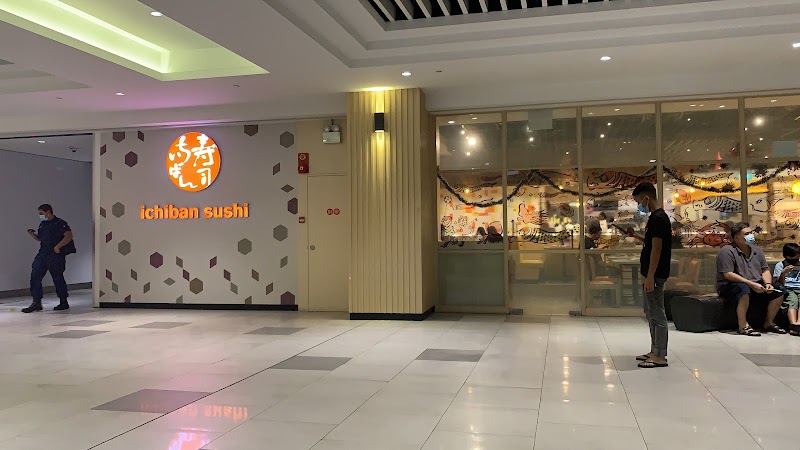
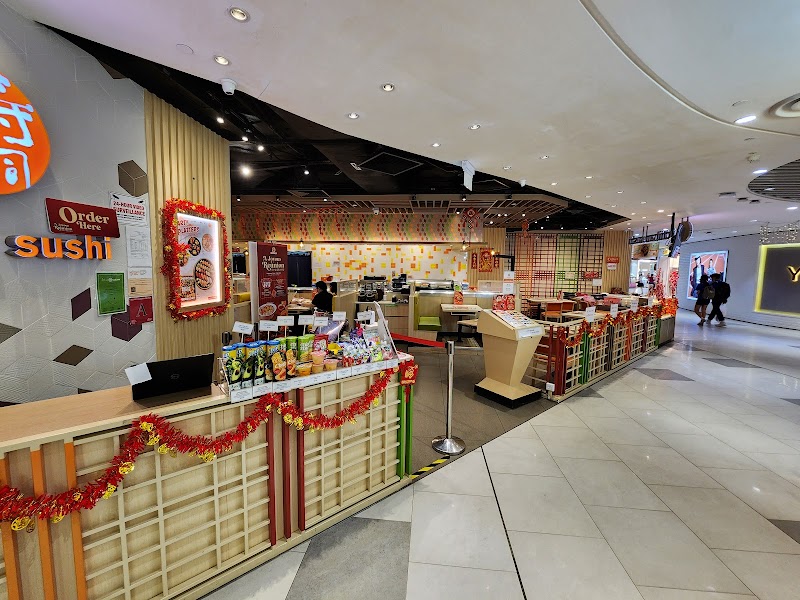
Ichiban Sushi (一番寿司) is a Singapore-born sushi chain that has carved out a loyal following through one simple strategy: good sushi at genuinely low prices. At Compass One #01-13, the restaurant offers a range of sushi sets, bento boxes, donburi (rice bowls), and individual sushi pieces that cater to budget-conscious diners who want Japanese food without the premium markup. The name "Ichiban" (一番) means "number one" in Japanese, reflecting the brand's aspiration to be the go-to choice for everyday sushi.
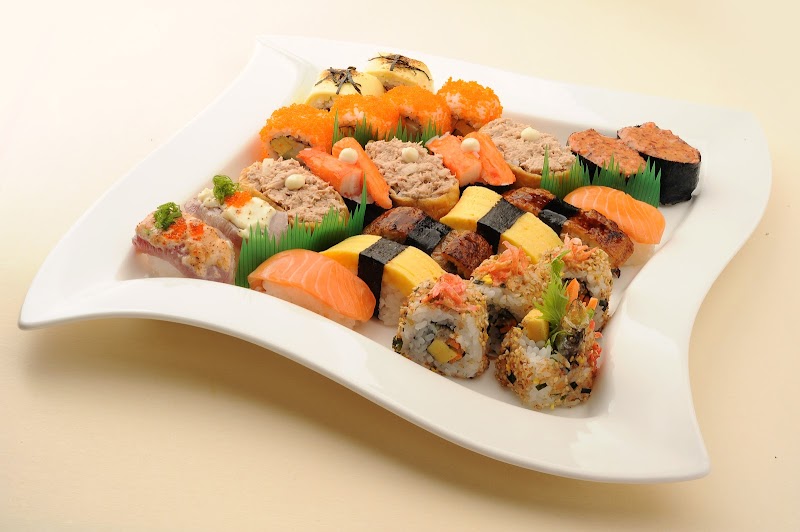
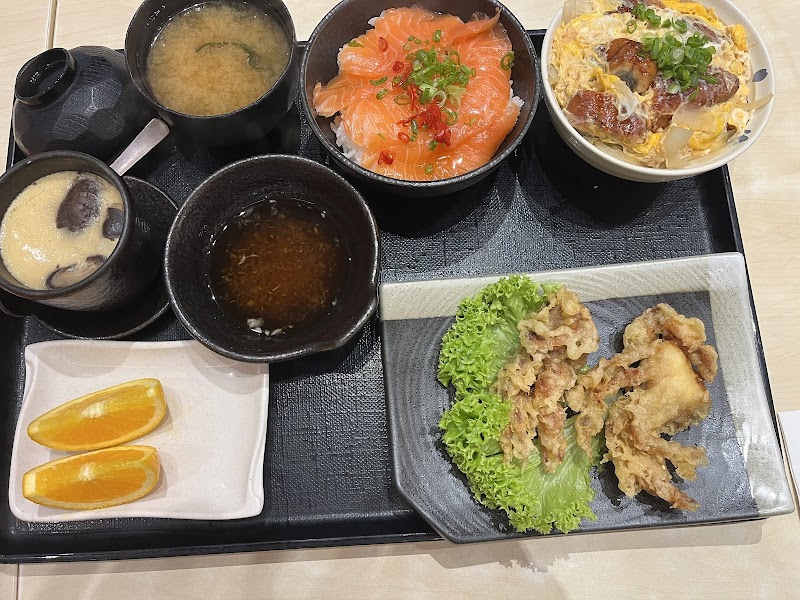
The menu is structured around value sets: a sushi platter with miso soup from S$5.90, chirashi don (scattered sushi on rice) from S$8.90, and bento boxes that combine sushi with tempura or teriyaki sides from S$9.90. Individual nigiri pieces are available from S$1.50 each. The quality is honest — this is not premium omakase-grade fish, but it is fresh, clean-tasting, and well-prepared for the price point. The salmon is the star performer: consistently fresh across visits, whether in nigiri, sashimi, or don form. The dine-in space is modest but clean, and takeaway packaging is well-designed for grabbing lunch on the go.
Compass Verdict
Budget sushi at Compass One — plates from S$1.50. Basic quality but honest portions. The cheapest sushi in Sengkang for families on a tight budget.
Recommended For
Menu & Pricing
| Item | Price | Notes |
|---|---|---|
| Sushi Set (8 pcs + soup) 8-piece sushi platter with miso soup | from S$5.90 | Best value |
| Chirashi Don Assorted sashimi scattered over sushi rice | from S$8.90 | Popular |
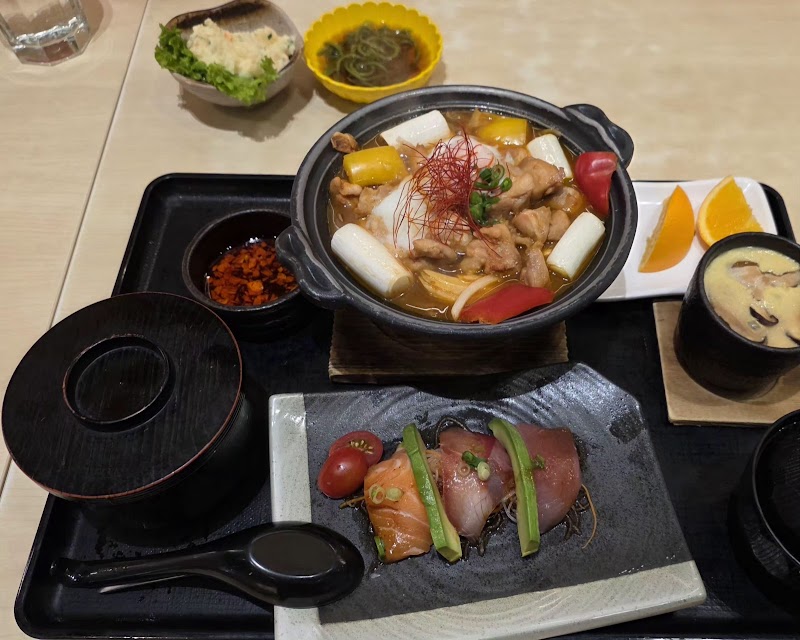
| Salmon Sashimi Set Fresh salmon sashimi with rice and sides | S$9.90 | |
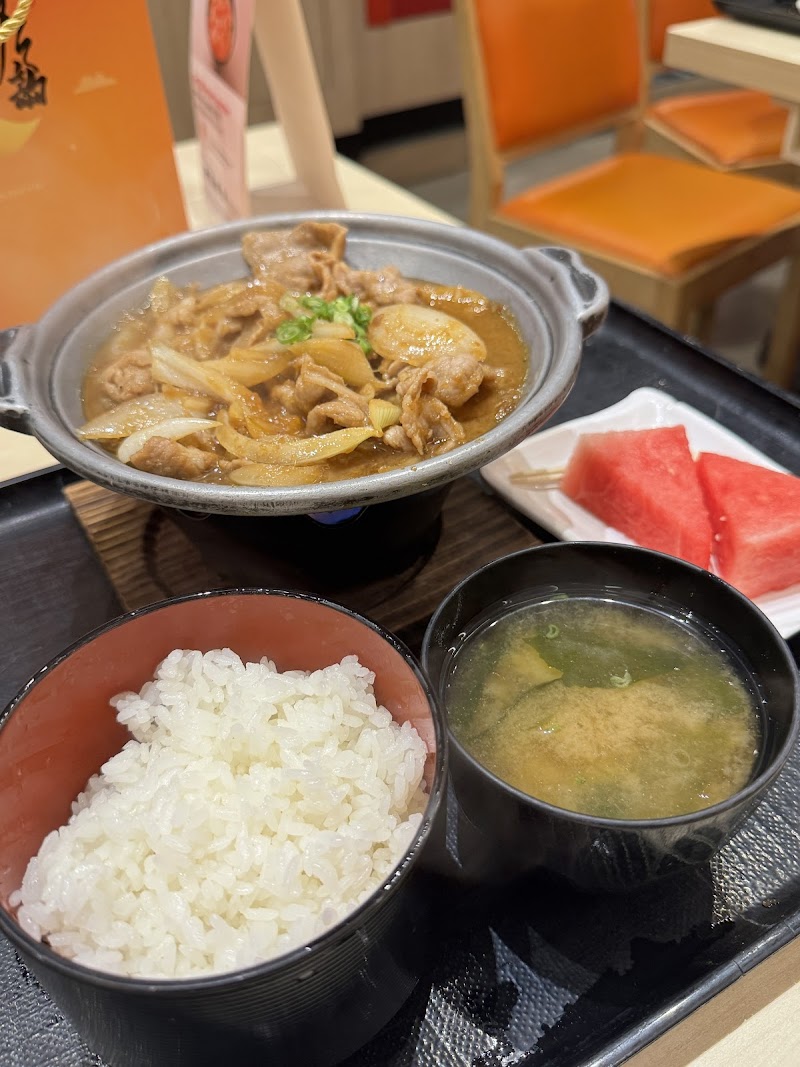
| Bento Box Sushi + tempura or teriyaki + rice + sides | from S$9.90 | Complete meal |
| Individual Nigiri Single pieces: salmon, tuna, ebi, tamago etc. | from S$1.50 | Build your own |
* Prices subject to GST. Menu may vary.
Practical Info
Dietary Info
Your Visit
Best Value Orders
The 8-piece sushi set with miso soup (from S$5.90) is the entry point — hard to beat for sit-down sushi anywhere in Singapore. Upgrade to the Chirashi Don (S$8.90) for a more substantial meal. If you want variety, order a Bento Box (from S$9.90) which combines sushi with hot items like tempura. Individual nigiri from S$1.50 lets you build a custom plate.
Photos
Map
Editor's Note
Ichiban Sushi is the unassuming workhorse of Compass One's Japanese dining scene. It does not have Genki Sushi's bullet train theatrics or the premium positioning of Sushiro, but it delivers honest, affordable sushi at prices that make it a realistic weekday lunch option. The 8-piece set at S$5.90 is remarkable value. The salmon is reliably fresh. For Sengkang students and budget-conscious families, this is the sushi answer to Yoshinoya's gyudon: simple, good, cheap.
Compare: Sushi at Compass One
| Restaurant | Price/Pax | Specialty | Best For |
|---|---|---|---|
| Ichiban Sushi | S$5–15 | Budget sets & bento | Ultra-budget |
| Genki Sushi | S$12–25 | Bullet train delivery | Fun dining |
Sushi for Beginners: A Complete Guide
If you are new to sushi, Ichiban Sushi's affordable pricing makes it the perfect place to start exploring. Here is a beginner's guide to the main sushi types you will encounter. Nigiri (握り寿司) — a hand-pressed mound of sushi rice topped with a slice of fish or seafood. The most traditional sushi form. Start with salmon nigiri — it is mild, buttery, and universally appealing. Maki (巻き寿司) — rolled sushi wrapped in seaweed (nori) with rice and fillings inside. The California Roll (with imitation crab, avocado, and cucumber) is the most beginner-friendly maki. Chirashi (散らし寿司) — literally 'scattered sushi': assorted sashimi pieces arranged over a bowl of sushi rice. Great for trying multiple types of fish in one order. Sashimi (刺身) — sliced raw fish served without rice. For purists who want to taste the fish quality directly. Not technically sushi (which requires vinegared rice). Temaki (手巻き) — hand-rolled cone-shaped sushi wrapped in nori. Eat immediately — the nori gets soggy within minutes. Gunkan (軍艦) — 'battleship' sushi: rice wrapped in nori with toppings piled on top. Common for loose ingredients like salmon roe or sea urchin. Inari (稲荷寿司) — sushi rice stuffed inside sweet fried tofu pockets. Naturally sweet and a good vegetarian option. Understanding these types helps you navigate any sushi menu with confidence.
Sushi Rice: The Foundation
The quality of sushi starts not with the fish but with the rice. Sushi rice (shari or sumeshi) is Japanese short-grain rice seasoned with a blend of rice vinegar, sugar, and salt. The balance of these three elements is what separates good sushi from average sushi. The rice should be warm (body temperature, not hot), slightly sticky (it should hold together on the nigiri but break apart easily in your mouth), and have a subtle vinegar tang that cuts through the richness of the fish. At budget sushi outlets like Ichiban Sushi, the rice quality is the single biggest variable in the dining experience. Good sushi rice should not taste like plain steamed rice — it should have a distinct, pleasant acidity and a glossy appearance. The Japanese have a saying: 'sushi is about the rice' (すしは飯なり). Even the finest tuna placed on poorly seasoned rice will be a disappointing sushi experience.