At a Glance
About Sushi Katori
Sushi Katori occupies a serene ground-floor space at 21 Tanjong Pagar Road, where Chef Ryuta Katori — one of Singapore's most promising and highly regarded young sushi chefs — has created what many consider the gold standard for Edomae sushi omakase in the Tanjong Pagar area. Born in Chiba Prefecture, Katori-san began his sushi training at Tokyo's legendary Tsukiji Market at just 19 years old, spending years perfecting the techniques of Edomae-style sushi before moving to Singapore in 2016. The restaurant, opened in 2022 in partnership with Robert Collick and Bruce Chapman (The Providore Group), is the realisation of his personal vision: authentic Edomae sushi that showcases both traditional techniques and his own distinctive personality. It has been featured in the Michelin Guide for two consecutive years — a recognition that validates the quality of his craft while he remains, at heart, a cheerful, energetic young chef who genuinely delights in the act of making sushi for his guests.
What distinguishes Sushi Katori from other premium sushi restaurants in Tanjong Pagar is a combination of three elements: the deliberate use of Akazu (aged red lees vinegar) shari for fattier fish, the use of binchotan charcoal rather than a blowtorch for aburi searing, and Chef Katori's obsessive attention to serving temperature. The Akazu shari — rice seasoned with aged red vinegar rather than standard white vinegar — has a deeper, more savoury flavour that pairs beautifully with richer cuts like tuna cheek and chutoro, creating a harmony between fish and rice that white-vinegar shari cannot match. For the aburi (seared) courses, Katori-san brings out actual binchotan charcoal and holds the fish over it — you hear the sizzle, smell the clean smoke, and see the surface char developing in real time. Unlike a blowtorch, which can leave unpleasant fuel odours and uneven searing, binchotan produces a pure, intense heat that chars uniformly without any off-flavours. And the temperature obsession means that every piece of sushi is served at the precise temperature that maximises the flavour of that specific fish — fattier cuts slightly warmer to release their oils, leaner cuts slightly cooler to maintain their clean flavour.
The signature dish that has become synonymous with the Sushi Katori experience is the hot stone abalone (awabi) with liver sauce. A stone is heated in the oven to 300°C, then brought to the counter where Chef Katori pours the mixture of abalone and liver sauce onto it — the liquid bubbles vigorously on contact, creating a theatrical sizzle that fills the restaurant with the rich, umami aroma of concentrated seafood. Served with a small amount of shari on the side, the abalone is tender and sweet, the liver sauce intensely savoury with marine depth, and together they create one of the most memorable single bites in Singapore's sushi scene. The 13-seat counter with its long, jagged design provides front-row viewing of Katori-san's work, and a private room is available for those who prefer seclusion. The atmosphere is refined but never stuffy — Chef Katori's personality ensures a level of warmth and occasional humour that makes the experience feel personal rather than intimidating. His signature presentation style, described by one reviewer as 'looking like he's feeding you,' is a playful touch that endears him to diners and reflects a genuine joy in his craft that few chefs at this level allow themselves to show.
Compass Verdict
A serious omakase counter where Chef Katori serves seasonal edomae sushi with Tokyo-level precision. The intimacy of the space (fewer than 10 seats) ensures each guest receives personal attention. The fish aging and rice seasoning are notably refined. One of Tanjong Pagar's finest sushi experiences.
Recommended For
Menu & Pricing
Omakase format only. Menu changes with seasons and Toyosu supply. All prices subject to service charge and GST.
| Item | Description | Price |
|---|---|---|
| Lunch: Ayame | Appetiser, nigiri sushi, cooked dish, miso soup, dessert | S$150++ |
| Lunch: Fuji | Ayame + sashimi course + light bites — the full lunch experience | S$250++ |
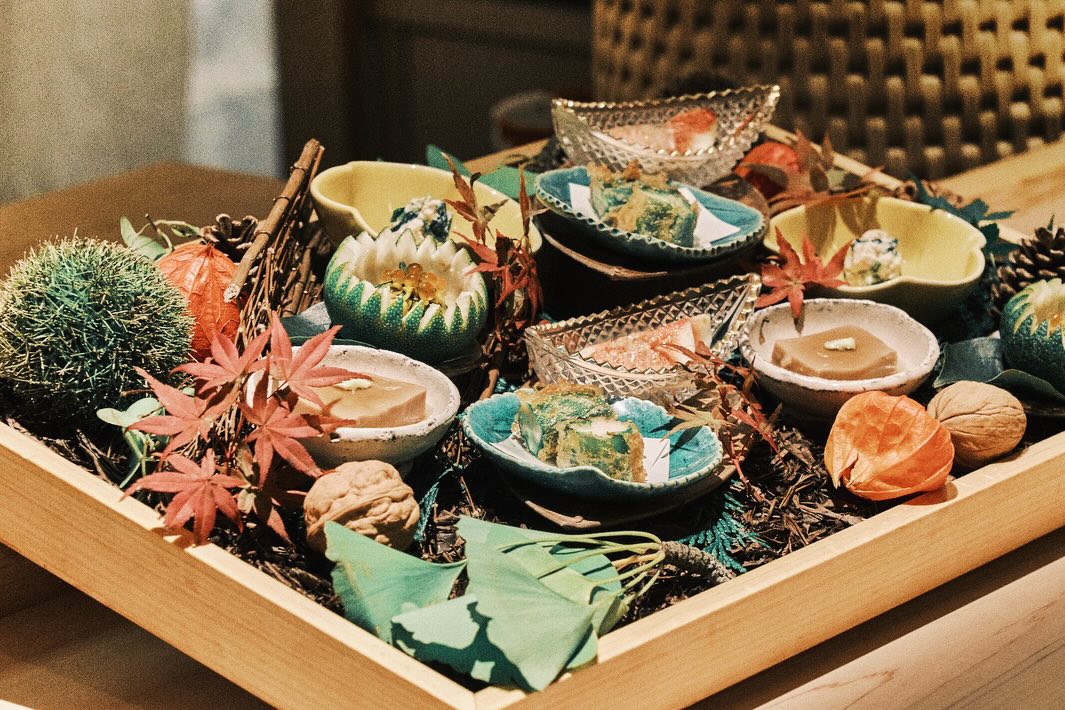
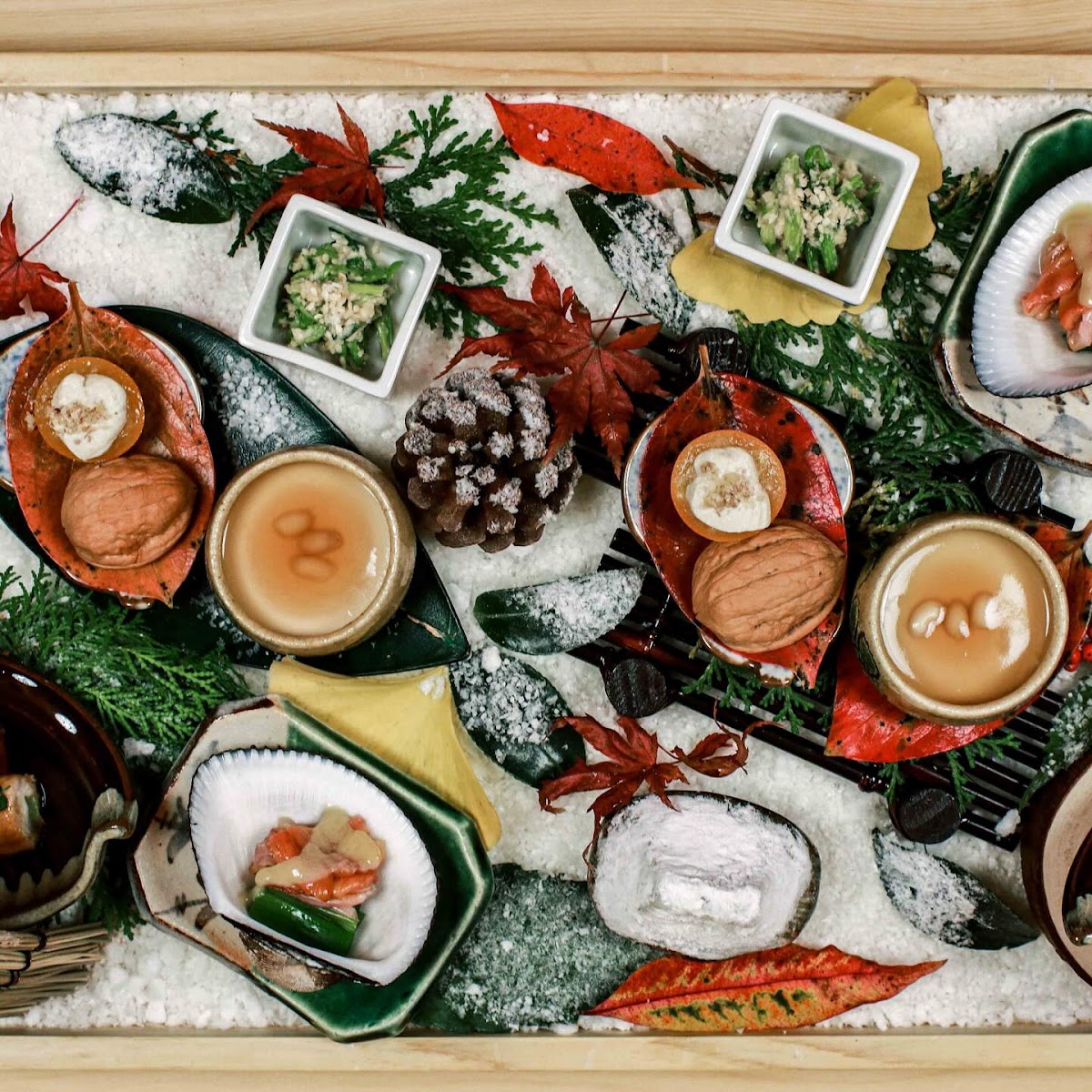
| Dinner: Omakase Nigiri | Seasonal starter, 15 pieces nigiri sushi, appetiser, cooked dishes, miso soup, dessert | S$320++ |
| Premium Omakase | Extended dinner with seasonal premium ingredients — enquire at reservation | On enquiry |
| Sake / Beverage Pairing | Curated sake and beverage selection to complement courses | Add-on |
The Sushi Katori Experience
21 Tanjong Pagar Road — Where Edomae Lives
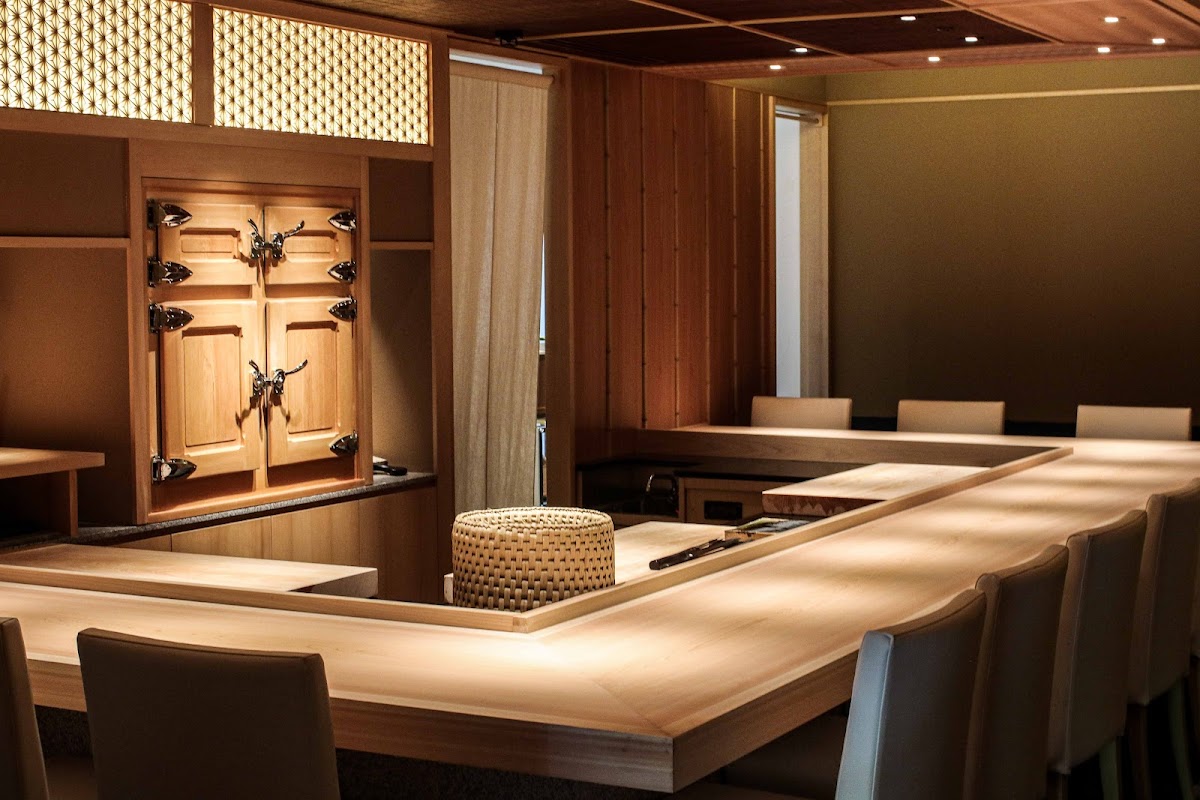
Sushi Katori occupies a serene shophouse unit at 21 Tanjong Pagar Road, away from the busier strips of Tras and Craig Roads. The entrance is understated — a clean door, a simple sign — and stepping inside reveals a space that has been designed to focus attention entirely on the counter and the chef behind it. The 13-seat counter is long and has a distinctive jagged design that gives each diner a slightly different angle of observation. A private room is available for those who prefer seclusion. The lighting is warm and low, the materials are natural wood and clean surfaces, and the overall impression is of a space that respects the sushi tradition without being weighed down by it. Chef Katori works behind the counter with a quiet intensity that is occasionally punctuated by laughter and conversation — he is one of the more personable omakase chefs in Singapore, and his warmth makes the experience feel like a privilege rather than a performance.
Akazu Shari — The Red Vinegar Difference
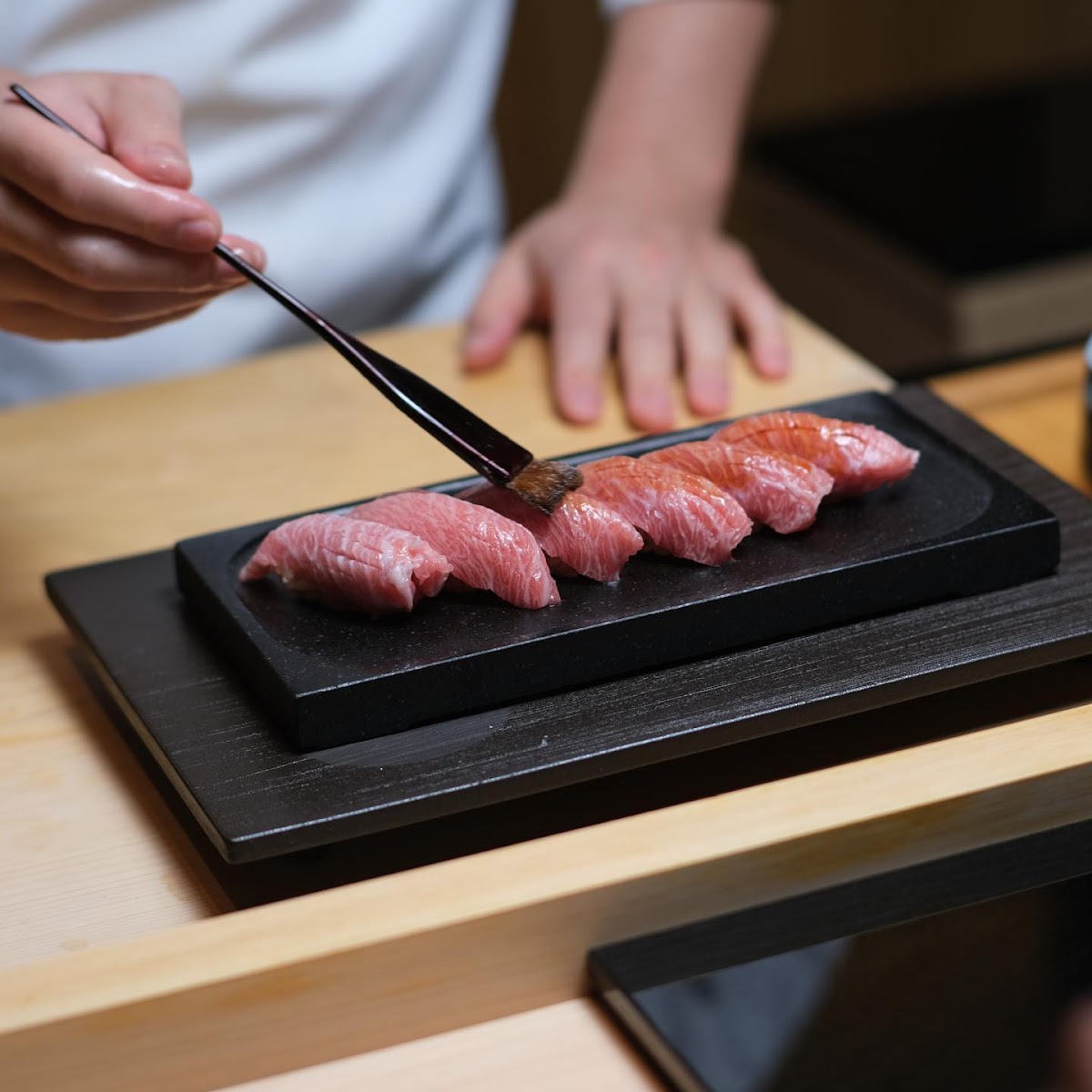
The foundation of every piece of sushi is the rice, and at Sushi Katori, the rice tells a story of deliberate choice. Chef Katori uses two types of shari: standard white vinegar rice for leaner, cleaner-flavoured fish, and Akazu (aged red lees vinegar) rice for fattier, richer cuts. The Akazu shari has a slightly darker hue and a deeper, more savoury flavour that complements the richness of chutoro, otoro, and tuna cheek in a way that white vinegar rice cannot — the aged red vinegar adds an umami dimension that harmonises with the fat content of the fish rather than cutting against it. This dual-shari approach is a hallmark of serious Edomae technique and signals a chef who is thinking about each piece of sushi not as an isolated item but as a balanced composition of fish, rice, and seasoning. The rice itself is shaped with quick, confident hands — firm enough to hold its form from counter to mouth but loose enough to fall apart on the tongue, releasing its vinegar-seasoned flavour into the bite simultaneously with the fish. This is the shari standard that separates a trained itamae from a competent cook, and Katori-san's rice work is consistently excellent.
Binchotan vs Blowtorch — The Aburi Philosophy
When most sushi restaurants in Singapore prepare aburi (seared) sushi, they reach for a blowtorch. It is fast, convenient, and produces a visible flame that looks dramatic at the counter. Chef Katori does not use a blowtorch. Instead, he brings out pieces of binchotan charcoal — heated to an intense glow — and holds the fish over them, searing the surface with pure radiant heat. The difference is not subtle. Blowtorches burn butane or propane gas, and however skilled the chef, trace amounts of fuel odour can transfer to the fish. Binchotan produces no such residue — the heat is pure, clean, and flavour-neutral, allowing the charred surface of the fish to taste of nothing but concentrated, slightly caramelised fish protein. Watch Katori-san sear a tuna cheek over binchotan and you understand immediately: the sizzle is enticing, the aroma is purely marine and smoky without any chemical edge, and the resulting char is uniform and deep rather than patchy. This insistence on binchotan over blowtorch is a philosophical commitment to purity of flavour, and it is one of the details that earned Sushi Katori its Michelin Guide recognition.
Hot Stone Abalone — The Signature Moment
The moment that defines a Sushi Katori visit for most diners is the hot stone abalone (awabi). A flat stone is heated in the oven to approximately 300°C — a temperature that causes liquid to vaporise almost instantly on contact. At the counter, Chef Katori places pieces of sliced abalone with their own liver sauce onto the scorching stone. The reaction is immediate and dramatic: the sauce erupts into a vigorous, bubbling sizzle that fills the restaurant with the rich, concentrated aroma of seafood umami. The visual spectacle is arresting — the sauce foaming and caramelising around the abalone in real time — but the flavour is what makes this dish legendary. The abalone is tender and sweet, having been just barely cooked by the stone's residual heat. The liver sauce is intensely savoury with a marine depth that adds a layer of complexity that soy sauce or ponzu could never achieve. Together, eaten with a small mound of shari, they create what multiple reviewers have called one of the most memorable single bites available at any sushi restaurant in Singapore. It is a dish that demonstrates why omakase commands a premium: this combination of theatre, technique, and extraordinary flavour is the kind of experience that cannot be replicated in an à la carte format.
Chef Katori — The Cheerful Master
In the world of premium omakase, many chefs cultivate an aura of austere seriousness — the silent master who communicates through food alone. Chef Ryuta Katori takes a different approach. He is genuinely, visibly happy behind the counter. He smiles. He chats with guests. He explains each piece with enthusiasm rather than solemnity. His signature presentation — placing each piece of sushi directly toward the diner in a gesture that one reviewer described as 'looking like he's feeding you' — is playful and personal in a way that makes each piece feel like a gift rather than a course. This personality does not compromise the food — the technique is razor-sharp, the ingredients are Toyosu-grade, and the attention to temperature and vinegar pairing is meticulous. But it adds a dimension of warmth and humanity that many premium sushi counters lack. For first-time omakase diners who might be intimidated by the formality of a S$320 dinner, Katori-san's energy makes the experience approachable and enjoyable rather than stressful. For experienced omakase regulars, his personality is a refreshing reminder that sushi is, at its heart, food made by one person for another — an act of generosity and craft that should bring joy to both the maker and the eater. Sushi Katori is the rare fine-dining restaurant where you leave not just satisfied but happy.
Practical Information
Mon: Closed
Dietary Information
Tanjong Pagar — Singapore's Japanese Food Capital
The Neighbourhood
Tanjong Pagar holds the highest concentration of Japanese restaurants in Singapore, with over 45 establishments. From Michelin-starred omakase to late-night ramen, this is the most complete Japanese dining neighbourhood in Southeast Asia.
Insider Tips — Dining at Sushi Katori
Book well in advance — 13 counter seats fill quickly. For first-timers, the Fuji lunch at S$250++ gives the most complete experience at a lower price than dinner. Sit at the counter (not private room) to watch Chef Katori work. The hot stone abalone is the dish you will remember most — it is included in the fuller menus. Ask about the seasonal specials from Toyosu that week. Tell the chef about allergies or preferences at the start. The binchotan-seared tuna cheek is the moment that makes food critics fall silent. Closed Mondays. For comparison, Hamamoto (S$350++) offers sushi-kappo (sushi + cooked courses) while Sushi Katori focuses more purely on nigiri technique.
Planning Your Visit to Tanjong Pagar
Tanjong Pagar MRT (East-West Line) is the main access point. Parking at Guoco Tower, International Plaza, 100AM, Icon Village. The area is compact and walkable — most Japanese restaurants within 10 minutes of the MRT.
Editor's Note
Sushi Katori represents the new generation of Edomae sushi in Singapore — technically rigorous, respectful of tradition, but infused with a personality and energy that makes the omakase experience feel joyful rather than reverential. Chef Ryuta Katori's dual-shari approach (Akazu for fat, white vinegar for lean) demonstrates genuine mastery of the Edomae craft. The binchotan charcoal searing — a detail that most diners might not consciously register but that dramatically improves the flavour of aburi courses — shows a commitment to purity that justifies the Michelin Guide recognition. The hot stone abalone is legitimately one of the most memorable dishes in Tanjong Pagar's entire Japanese dining scene. And Katori-san himself — cheerful, warm, technically brilliant, and visibly delighted to be making sushi for his guests — is the heart of the experience. At S$150++ for the Ayame lunch, this is accessible enough for a special treat; at S$320++ for the dinner omakase nigiri, it is a serious investment that consistently rewards. In a Tanjong Pagar neighbourhood crowded with excellent sushi, Sushi Katori earns its place through personality as much as precision — and that combination is what makes it not just a great sushi restaurant, but a great restaurant, period.