At a Glance
About Miraku
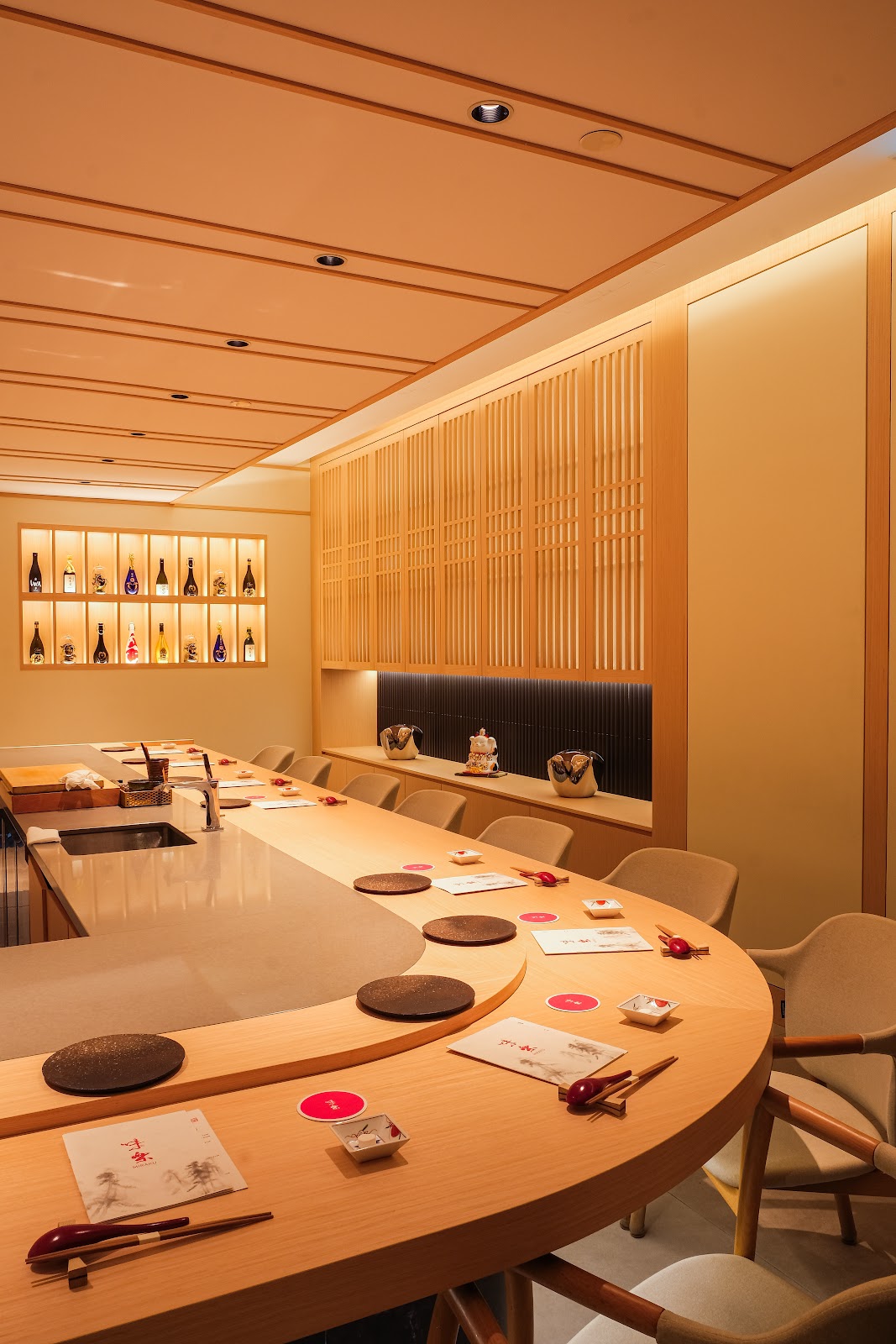
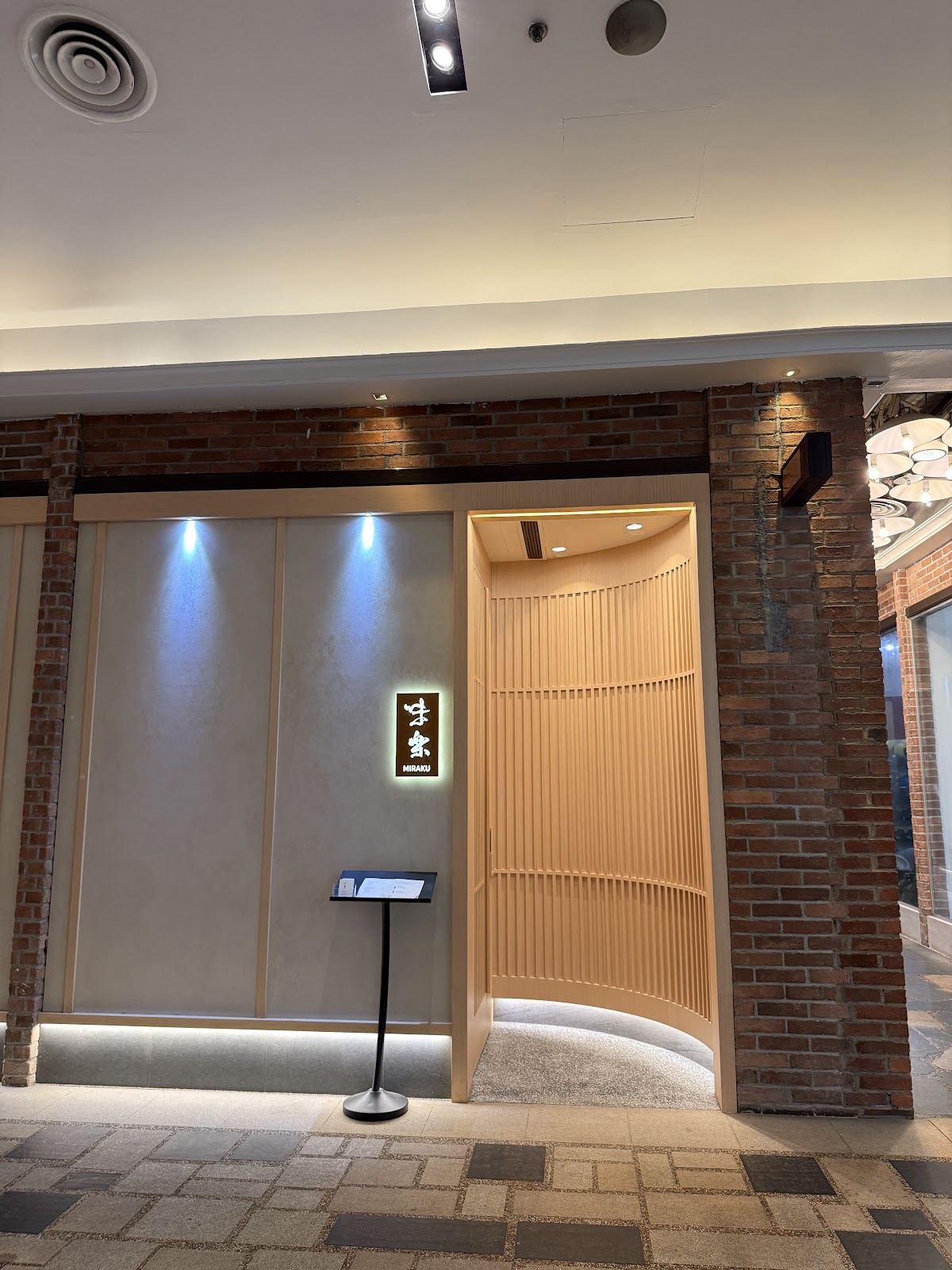
Miraku occupies a quiet corner unit at Icon Village on Gopeng Street, one of Tanjong Pagar's newer mixed-use developments that has quietly assembled a cluster of quality Japanese restaurants. The restaurant's name means 'taste happiness' in Japanese — a philosophy reflected in its approach to omakase that prioritises the pleasure of eating good fish over theatrical presentation or intimidating formality. This is a restaurant where the chef wants you to enjoy yourself, not perform the role of a reverential diner. The counter omakase starts from around S$60 at lunch and S$100–150 at dinner, positioning Miraku in the mid-range of Tanjong Pagar's omakase landscape — significantly below the Michelin-starred counters like Hamamoto, but meaningfully above the quick-service sushi bars and conveyor-belt chains.
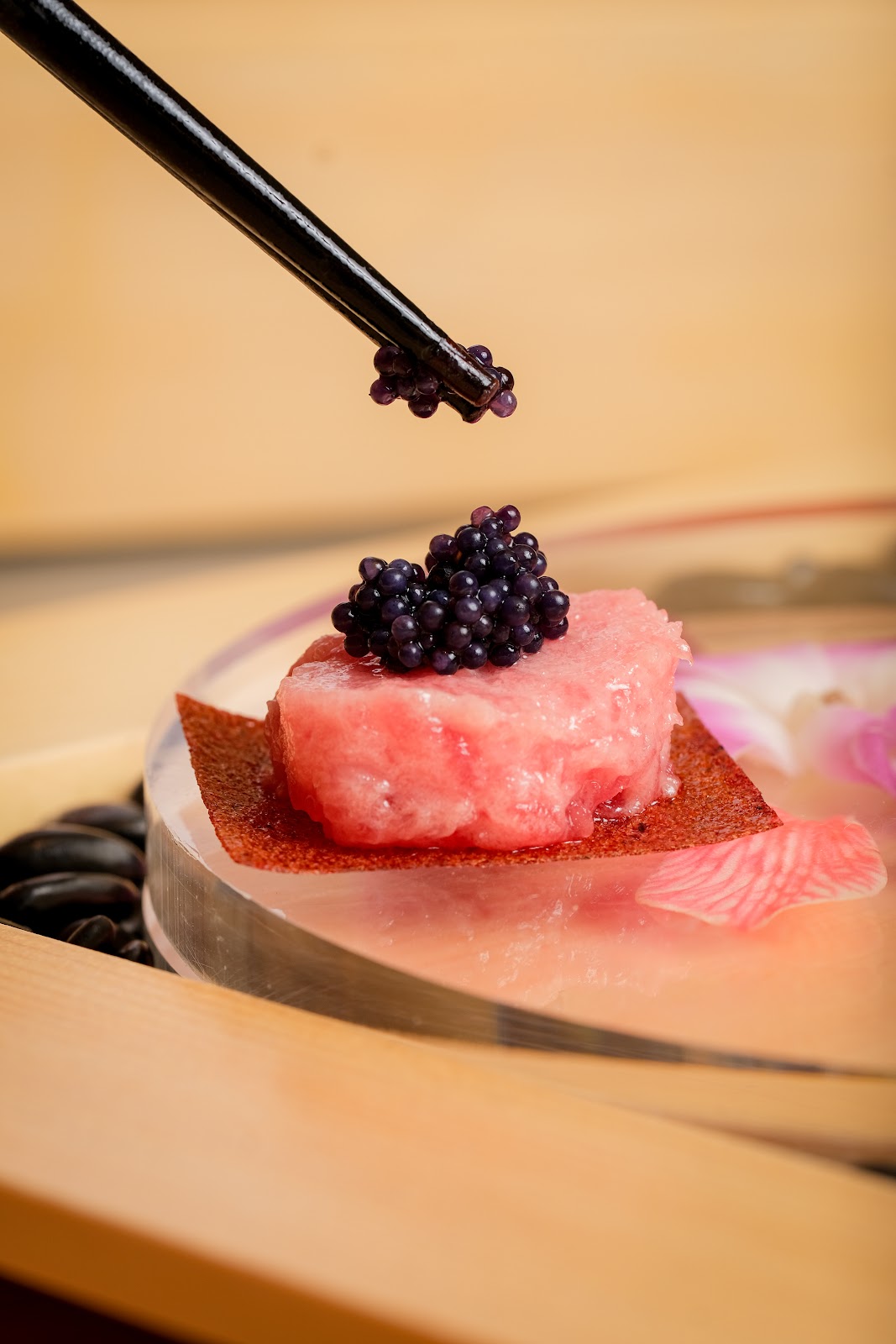
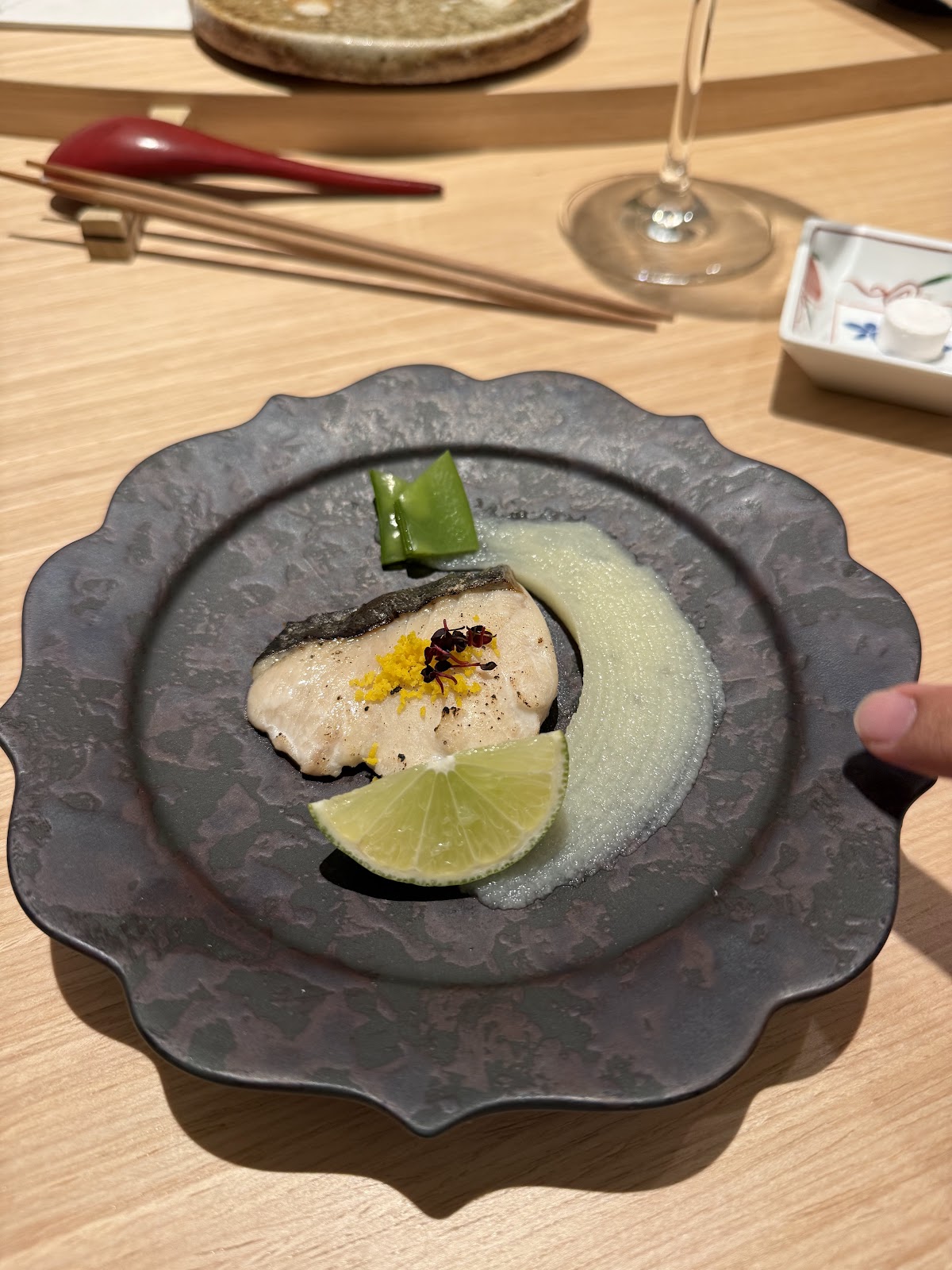
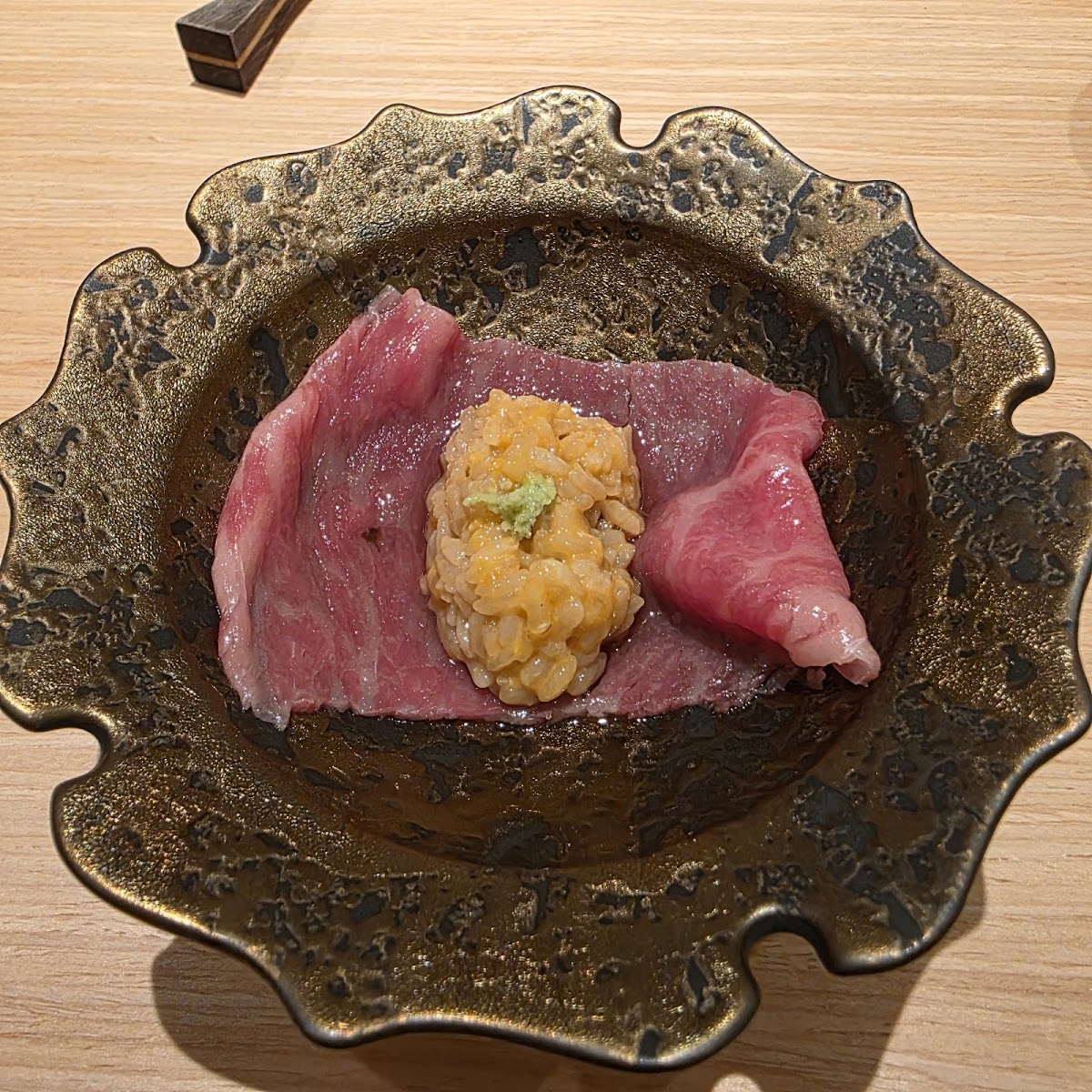
The fish sourcing follows the same Toyosu Market channels that supply Singapore's top sushi restaurants, and the quality is evident from the first piece of nigiri. The rice is warm, properly seasoned, and shaped with the kind of gentle pressure that indicates real training — loose enough to fall apart on the tongue but cohesive enough to hold its shape from counter to mouth. The chef builds each omakase course with a seasonal logic: lighter white fish and shellfish early in the meal, transitioning to richer cuts like chutoro and uni as the palate develops, and closing with a satisfying hand roll or tamago. There is a deliberate pacing to the experience — unhurried but never slow, with each piece arriving at the moment you are ready for it. For the price, the quality of fish and the attentiveness of the service compare very favourably to omakase restaurants charging fifty percent more.
Icon Village as a location provides a different energy from the shophouse-lined streets of Tras and Craig Roads. The modern mixed-use development is clean, well-lit, and easy to find — there is none of the hidden-door mystique of Tanjong Pagar's premium sushi counters. This accessibility extends to the dining experience: Miraku welcomes first-time omakase diners with warmth rather than intimidation. If you have always been curious about counter omakase but felt that S$200+ restaurants were too much for a first experience, Miraku is an ideal starting point. The lunch omakase at around S$60–80 delivers a genuine chef-curated counter experience at a price point that removes the financial anxiety from the equation. You can focus on learning the fish, appreciating the technique, and deciding whether this style of dining resonates with you — all without the pressure of a three-figure bill at the end. For experienced omakase diners, Miraku's dinner courses offer enough quality and seasonal variety to justify regular return visits.
Compass Verdict
A neighbourhood Japanese restaurant that has been a quiet fixture on Tanjong Pagar for years. The set meals are generous, the sashimi fresh, and the atmosphere feels like eating at a local's regular spot rather than a tourist destination.
Recommended For
Menu & Pricing
Omakase menus change daily based on seasonal availability. Prices are approximate guides. À la carte also available.
| Item | Description | Price |
|---|---|---|
| Lunch Omakase | Chef's selection — sashimi, 8-10 nigiri, cooked dish, miso soup | ~S$60–80 |
| Dinner Omakase | Extended selection — appetiser, sashimi, 10-12 nigiri, cooked courses, dessert | ~S$100–150 |
| Premium Dinner Omakase | Chef's premium selection with seasonal specialties and premium cuts | ~S$150+ |
| À la carte Sashimi | Individual sashimi selections — tuna, salmon, seasonal fish | S$15–35 |
| Sake Pairing | Selected sake to complement the omakase course | Add-on |
The Miraku Experience
Icon Village — The Quiet Corner of Tanjong Pagar Japanese
While Tras Street and Craig Road get most of the attention, Icon Village on Gopeng Street has quietly become one of Tanjong Pagar's most interesting Japanese dining clusters. The modern development, a short walk from the MRT station past Guoco Tower, houses several quality Japanese restaurants in a setting that is less atmospheric than the heritage shophouses but considerably more practical — better air conditioning, easier parking access, and none of the cramped layouts that sometimes characterise shophouse conversions. Miraku's corner unit benefits from this environment: it is easy to find, comfortable to dine in, and the focus can be entirely on the food rather than the setting. For many diners, especially those new to omakase, this lack of intimidation is precisely the point.
The Counter — Where Learning Meets Pleasure
Sitting at Miraku's counter is an education as much as a meal. The chef works at a visible pace, explaining each fish as it is prepared — its Japanese name, where it was caught, what season it peaks in, and how the preparation method (whether aged, cured with vinegar, or served fresh) enhances its particular character. This running commentary is not a lecture but a conversation, responsive to the diner's level of interest and knowledge. For experienced sushi enthusiasts, it provides the satisfying details that deepen appreciation. For newcomers, it transforms what might otherwise be an intimidating parade of unfamiliar fish into an engaging story. The chef gauges your reactions — if you light up at a particular piece, a generous extra cut might appear. If you seem uncertain, the next piece will be something more accessible. This responsiveness is the hallmark of good omakase, and at Miraku's price point, it is genuinely impressive.
The Seasonal Arc — From Light to Rich
A well-constructed omakase is not a random sequence of fish but a carefully designed arc from light to rich, clean to complex. Miraku's chef builds this progression with thoughtfulness: the meal typically opens with a delicate white fish sashimi or a light appetiser that awakens the palate without overwhelming it. The nigiri sequence begins with hirame or tai — lean, clean-flavoured fish that showcase the quality of the rice and the chef's technique. As the meal progresses, the fish becomes progressively richer: shima-aji with its subtle fat line, then kanpachi, then salmon or hamachi with more pronounced fattiness. The peak arrives with chutoro and uni — the richest, most umami-intensive pieces that the palate is now prepared to fully appreciate. The meal closes with a hand roll, tamago, or a small cooked dish that provides a gentle landing after the intensity of the sushi course. This narrative structure is what you are paying for when you choose omakase over à la carte — not just better fish, but a curated experience with a beginning, middle, and end.
The Value Equation — Quality Without the Premium Tax
In the Tanjong Pagar omakase market, you can spend S$60 or S$500 on a sushi counter experience. The question is what you get for the money, and Miraku's answer is compelling. At S$60–80 for lunch, you receive Toyosu-sourced fish, properly made rice, attentive counter service, and a seasonal menu that changes daily — the same fundamental elements that define omakase at every price level. What you sacrifice at this price point compared to S$300+ restaurants is the rarity of certain fish, the number of courses, and perhaps the pedigree of the chef's training. What you do not sacrifice is freshness, technique, or the pleasure of watching a skilled chef work directly in front of you. For the majority of diners, the marginal improvement from S$80 to S$300 is far smaller than the improvement from S$15 sushi to S$80 omakase. Miraku captures the sweet spot where quality makes a genuine leap without requiring an equally dramatic leap in spending.
First-Time Omakase — A Gentle Introduction
If you have never sat at an omakase counter before, Miraku is an excellent place to start. The price point removes the financial pressure that can make a S$300 first experience stressful rather than enjoyable. The chef's demeanour is welcoming rather than austere. The pace allows you to ask questions without feeling like you are slowing down the meal. And the food itself is genuinely good — this is not a training-wheels omakase where quality has been compromised to hit a price point. It is a proper counter experience with proper fish. Tell the chef at the start if you have any allergies, dislikes, or if this is your first omakase. Use your fingers for nigiri if you are comfortable doing so — it is the traditional method and the chef will appreciate it. Eat each piece in one bite if the size allows. Apply soy sauce sparingly; many pieces arrive already seasoned. And most importantly, simply enjoy the experience of having a skilled craftsperson prepare food directly for you, piece by piece, at a pace designed for pleasure.
Practical Information
Sun: Closed (verify)
Dietary Information
Tanjong Pagar — Singapore's Japanese Food Capital
The Neighbourhood
Tanjong Pagar holds the highest concentration of Japanese restaurants in Singapore, with over 45 establishments. From Michelin-starred omakase to late-night ramen, this is the most complete Japanese dining neighbourhood in Southeast Asia.
Insider Tips — Dining at Miraku
Book the counter for omakase — it is the intended experience. Lunch omakase is the sweet-spot for value. Tell the chef your preferences and allergies at the start. Ask for sake pairing if you enjoy sake — it enhances the experience. Icon Village has parking in the basement. If Miraku is fully booked, Teppei at nearby Orchid Hotel offers a similar mid-range omakase alternative. First-time omakase diners: this is one of the best entry points in Tanjong Pagar.
Planning Your Visit to Tanjong Pagar
Tanjong Pagar MRT (East-West Line) is the main access point. Parking at Guoco Tower, International Plaza, 100AM, Icon Village. The area is compact and walkable — most Japanese restaurants within 10 minutes of the MRT.
Editor's Note
Miraku delivers something genuinely valuable: a proper counter omakase experience at a price that does not require a special occasion to justify. The lunch at S$60–80 features Toyosu-sourced fish, well-made rice, and a chef who cares about your enjoyment — the same fundamentals that define omakase at triple the price. Icon Village is not the most romantic setting, but the restaurant itself is intimate, comfortable, and focused entirely on the food. If you have been curious about omakase but intimidated by the S$200+ price tags at Tanjong Pagar's premium counters, Miraku is the answer. It strips away the pretension without stripping away the quality. The seasonal progression from light fish to rich is well-executed, the fish is consistently fresh, and the chef's willingness to explain and engage makes the counter a genuinely educational experience. For regular omakase diners, the dinner courses offer enough depth and variety to reward repeat visits. For first-timers, this is where the omakase journey should begin.