At a Glance
About Teppei Japanese Restaurant
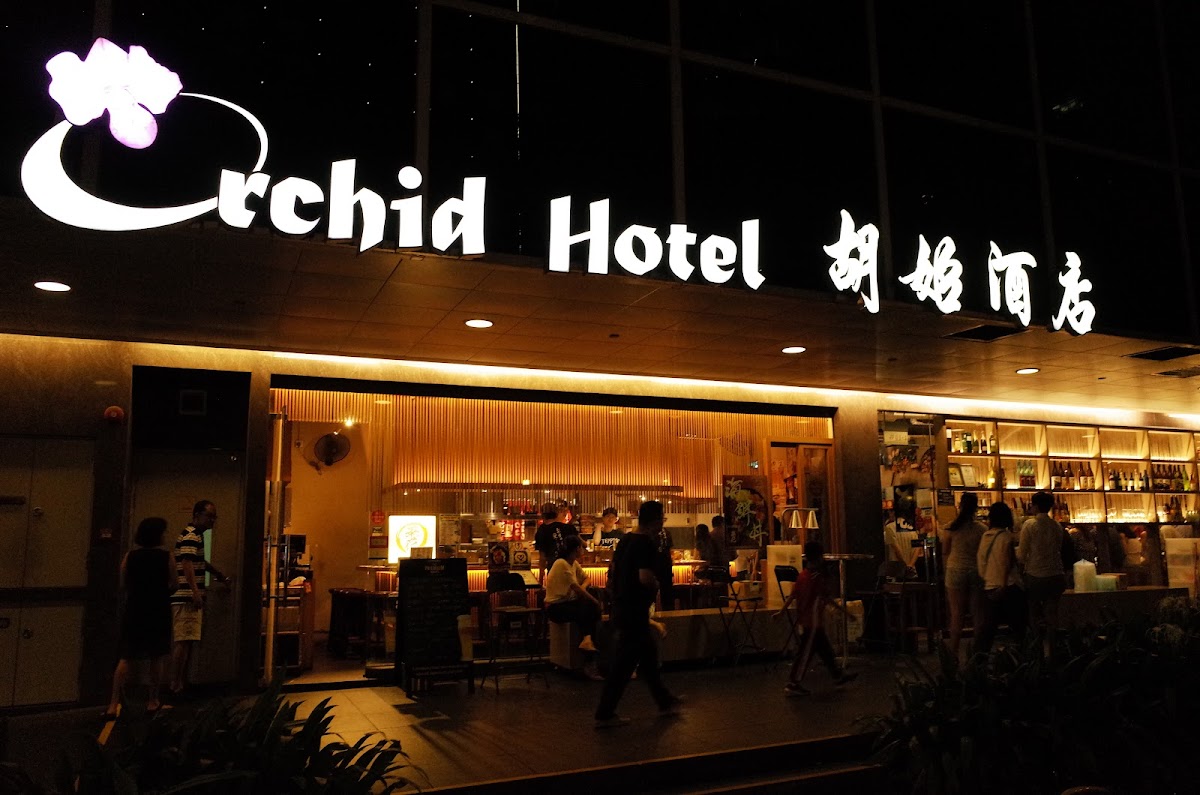
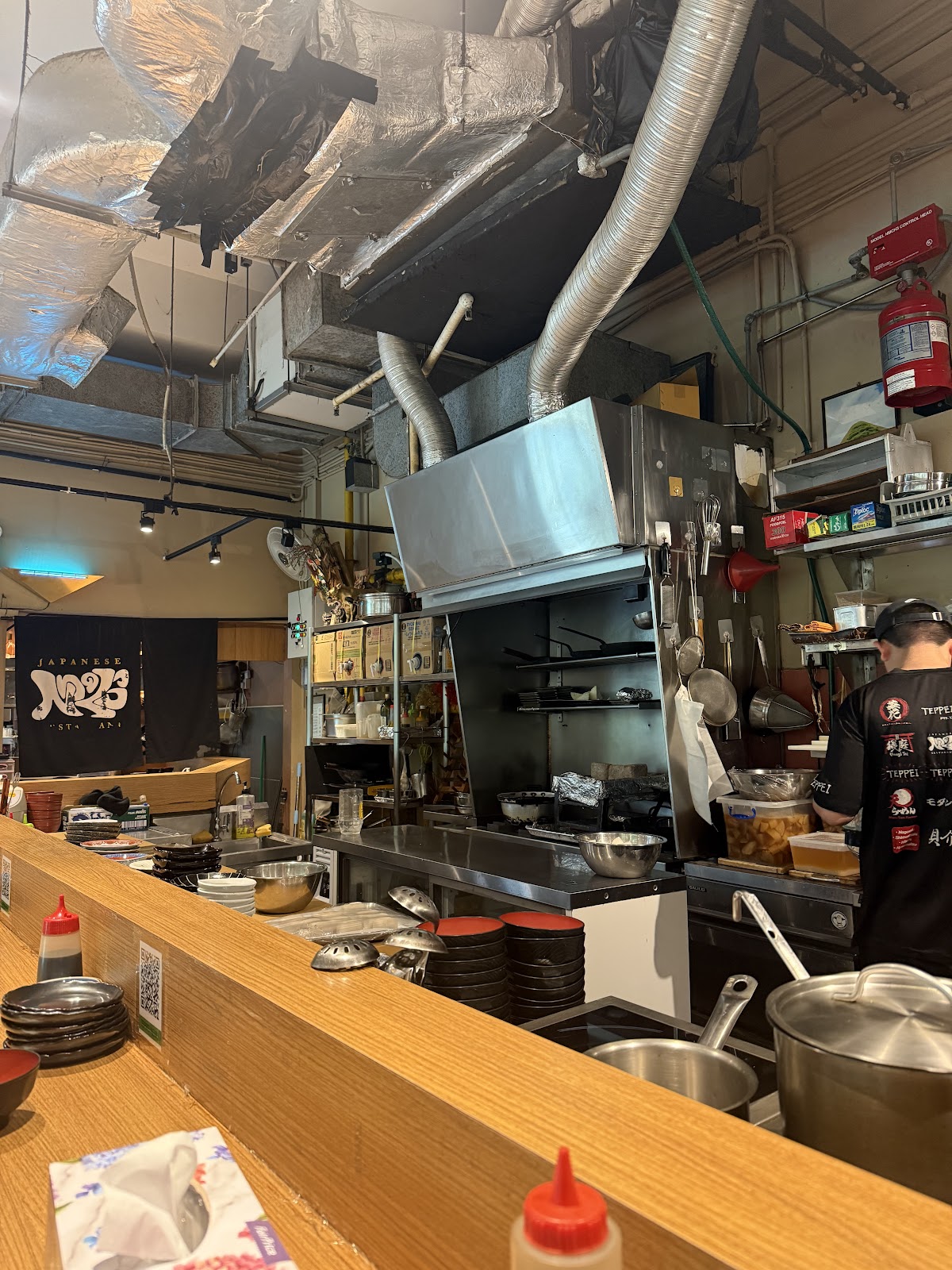
Teppei Japanese Restaurant at Orchid Hotel is one of Tanjong Pagar's most established mid-range Japanese restaurants, part of the Teppei Syokudo group that has built a loyal following in Singapore over many years. The restaurant occupies a quiet ground-floor space inside the hotel, offering both counter seats for omakase dining and table seating for à la carte orders. The atmosphere is warm, welcoming, and unpretentious — closer to the neighbourhood sushi-ya feel of a Tokyo side street than the hushed solemnity of a Michelin-starred counter. This is a restaurant where the chef remembers your preferences and the service is personal rather than performative.
The omakase at Teppei occupies a useful middle ground in the Tanjong Pagar sushi landscape: serious enough in ingredient quality and preparation that genuine sushi enthusiasts find it satisfying, yet accessible enough in price that it can be a regular indulgence rather than a once-a-year special occasion. Lunch omakase starts from around S$50 — a selection of nigiri, sashimi, and accompanying dishes that changes daily based on what the chef considers the best available fish that morning. Dinner omakase runs from around S$80 and typically includes more courses, premium cuts, and seasonal specialities. The fish is reliably fresh, the rice is well-seasoned with a slightly warm temperature that shows proper shari technique, and the chef is happy to explain each piece — a detail that matters greatly if you are building your knowledge of sushi terminology and seasonal fish.
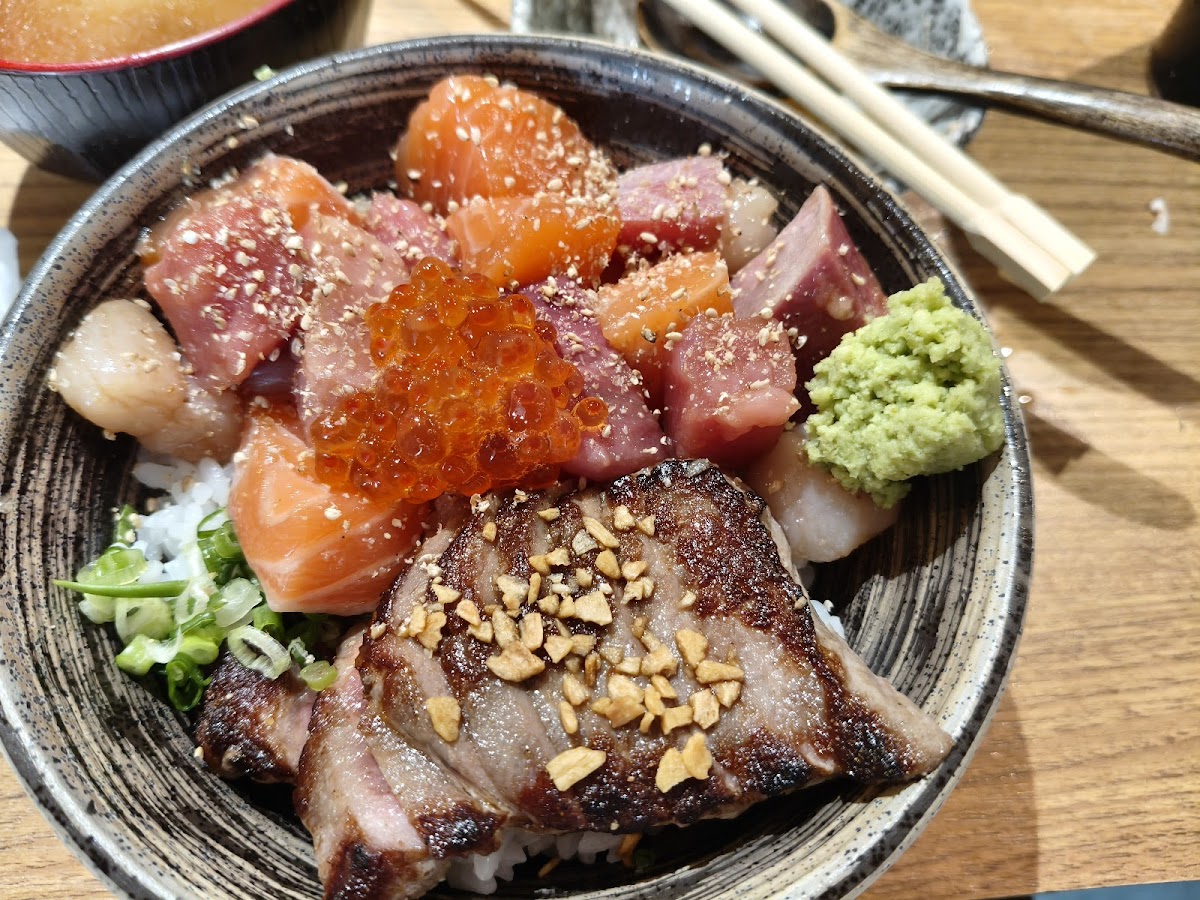
The izakaya side of the menu is equally strong, providing a full range of Japanese dishes for those who prefer variety over the structured omakase format. Sashimi platters, grilled fish with salt or teriyaki glaze, tempura, chicken karaage, and rice dishes are all available à la carte. The sake selection is curated rather than exhaustive — a focused list of bottles that the team knows well and can recommend with confidence. For a relaxed dinner with a mix of sushi, grilled items, and sake, Teppei delivers a consistently good experience at a fair price. The Orchid Hotel location also means that several other Japanese restaurants are within the same building or immediate vicinity — Mizuya omakase is in the same hotel — creating a small cluster of Japanese dining options that is convenient for comparison if you are exploring the neighbourhood.
Compass Verdict
One of Tanjong Pagar's most popular Japanese restaurants — the value omakase and generous sashimi platters built Teppei's reputation. The lunch sashimi sets are exceptional value. Expect queues at peak hours, which says everything about the price-quality balance.
Recommended For
Menu & Pricing
Omakase pricing varies by season and availability. À la carte items available alongside omakase or independently.
| Item | Description | Price |
|---|---|---|
| Lunch Omakase | Chef's selection — nigiri, sashimi, sides. Changes daily. | ~S$50 |
| Dinner Omakase | Extended chef's selection — more courses, premium fish, seasonal items. | ~S$80–120 |
| Sashimi Moriawase | Assorted fresh sashimi — tuna, salmon, yellowtail, seasonal white fish | ~S$25–38 |
| Grilled Fish | Seasonal whole fish — salt-grilled or teriyaki | ~S$18–28 |
| Tempura | Light, crisp battered prawns and seasonal vegetables | ~S$16–22 |
| Sake (glass / bottle) | Curated Japanese sake selection | S$10–80 |
The Teppei Japanese Restaurant Experience
Orchid Hotel — An Unexpected Japanese Cluster
Orchid Hotel on Tras Link does not look like a culinary destination from the outside, but step through the lobby and you discover a quiet concentration of Japanese restaurants that has been serving the Tanjong Pagar neighbourhood for years. Teppei occupies a ground-floor corner with its own street entrance, immediately setting the tone with the warm glow of its wooden counter and the quiet concentration of the sushi chef at work. Nearby within the same hotel complex, Mizuya offers its own omakase experience. This cluster means that if you arrive without a reservation, you have backup options within steps — though Teppei's loyal following means weekend dinner seats do fill up, and booking ahead is the safer choice.
The Counter — Where Omakase Meets Approachability
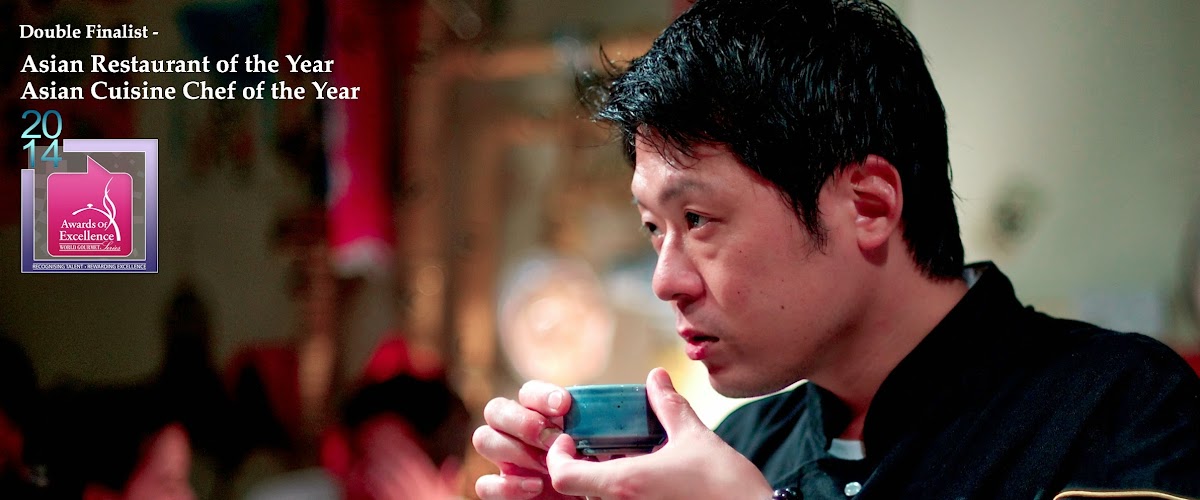
Sitting at Teppei's counter is a different experience from the tables. The chef works directly in front of you, slicing fish with practised efficiency, shaping rice with quick, confident movements, and presenting each piece with a brief explanation of the fish, its origin, and the best way to eat it. This running commentary is not performative — it is genuinely informative, especially for diners who are still learning the difference between kohada and hirame, or who want to understand why the chef chose akazu vinegar for one piece and regular rice vinegar for another. The pace is unhurried but purposeful. At Hamamoto or Sakuta, the atmosphere demands reverent silence. Here, quiet conversation is welcome, and the chef may even ask about your preferences as the meal progresses. This accessibility is Teppei's greatest strength — it makes counter omakase feel like something you can enjoy regularly rather than only on occasions that demand formality.
The Omakase — Honest Fish, Fair Price
The lunch omakase at around S$50 is where Teppei's value proposition is clearest. You receive a chef-curated selection of nigiri, typically 8–10 pieces, along with sashimi, a cooked dish or two, and miso soup. The fish changes daily — one day it might lead with shima-aji and kanpachi, the next with engawa and hotate. The rice is properly seasoned and served at body temperature, a detail that indicates real shari technique rather than the cold or lukewarm rice that betrays less careful preparation. This is not competing with S$300 omakase and does not pretend to — you will not find A5 Wagyu supplements or uni towers. What you will find is honest fish, competently prepared, at a price that makes it a viable Tuesday night dinner rather than a birthday treat. The dinner omakase at S$80–120 adds premium fish and additional courses but maintains the same philosophy: quality without pretension.
The Izakaya Side — Beyond Omakase
Not every visit needs to be an omakase experience. Teppei's à la carte izakaya menu provides enough variety for a satisfying dinner without the structure of a set course. The sashimi platter is generous and reliably fresh — a good litmus test for any Japanese restaurant. Grilled fish, whether salt-grilled sanma in autumn or miso-glazed black cod year-round, is executed with the same care as the sushi counter work. Tempura is light and properly drained. Chicken karaage is crisp outside and juicy within. These are not revolutionary dishes, but they are honest executions of Japanese classics, and the consistency matters. The sake list complements both the omakase and izakaya sides of the menu — the team can recommend pairings whether you are eating nigiri or grilled fish, and smaller serving sizes let you explore without committing to a full bottle.
Why Regulars Return
Teppei's strongest quality is not any single dish or dramatic moment — it is reliability. The regulars who return week after week do so because they know exactly what they will get: fresh fish, well-made rice, friendly service, a fair price, and an atmosphere that feels like a neighbourhood restaurant rather than a production. In a dining scene increasingly dominated by Instagram-worthy plating and buzzword-laden menus, there is real value in a restaurant that simply does the fundamentals well, every single time. The chef learns your name and preferences over multiple visits. The staff remember your usual sake order. The menu evolves subtly with the seasons without chasing trends. This is the kind of restaurant that becomes part of your weekly routine rather than a bucket-list destination, and that quiet loyalty from its regulars is perhaps the most telling endorsement of all.
Practical Information
Sun: Closed
Dietary Information
Tanjong Pagar — Singapore's Japanese Food Capital
The Neighbourhood
Tanjong Pagar holds the highest concentration of Japanese restaurants in Singapore, with over 45 establishments. From Michelin-starred omakase to late-night ramen, this is the most complete Japanese dining neighbourhood in Southeast Asia.
Insider Tips — Dining at Teppei Japanese Restaurant
Book the counter for omakase — it is a meaningfully different experience from the tables. Lunch omakase is the best value entry point. Tell the chef if you have preferences (white fish over red, no shellfish, etc.) at the start. The sake list is small but well-chosen — ask for a recommendation. Orchid Hotel has other Japanese restaurants nearby if Teppei is full. For a comparison of Tanjong Pagar omakase options at different price points, try Hamamoto (S$350+) for the top end and Teppei (S$50+) for the accessible middle.
Planning Your Visit to Tanjong Pagar
Tanjong Pagar MRT (East-West Line) is the main access point. Parking at Guoco Tower, International Plaza, 100AM, Icon Village. The area is compact and walkable — most Japanese restaurants within 10 minutes of the MRT.
Editor's Note
Teppei fills an important gap in Tanjong Pagar's Japanese dining scene — the space between grab-and-go ramen (S$15) and high-end omakase (S$300+). The lunch omakase at around S$50 is one of the better-value counter sushi experiences in the neighbourhood, delivering fresh fish on well-made rice with genuine care from the chef. The izakaya menu provides enough variety for a group dinner with different preferences, and the sake list, while compact, is thoughtfully selected. Orchid Hotel is not the most glamorous setting, but the restaurant itself is warm, comfortable, and quietly professional. If you want a solid Japanese meal in Tanjong Pagar without either underspending or overspending — the kind of restaurant you can visit once a week without financial stress or culinary compromise — Teppei delivers reliably, and has been doing so for years.