Beef bowls from S$6.50 — free self-serve barley tea
About
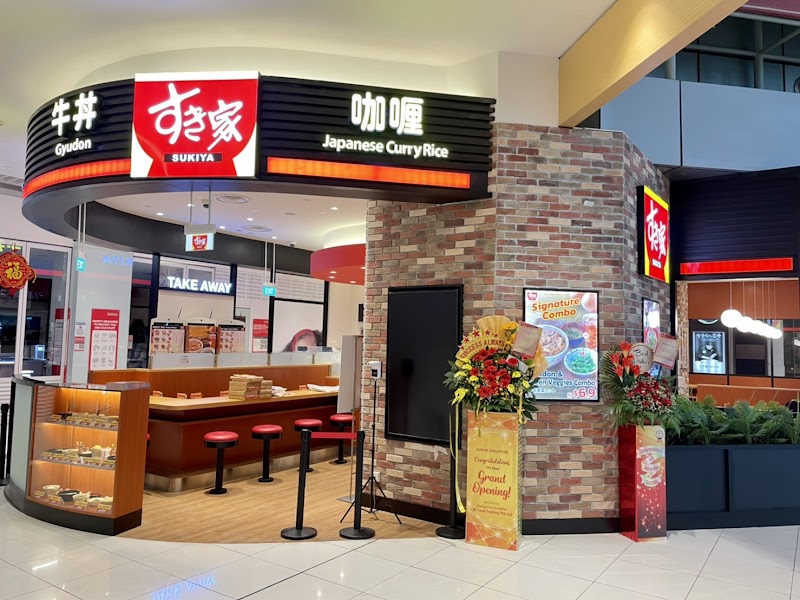
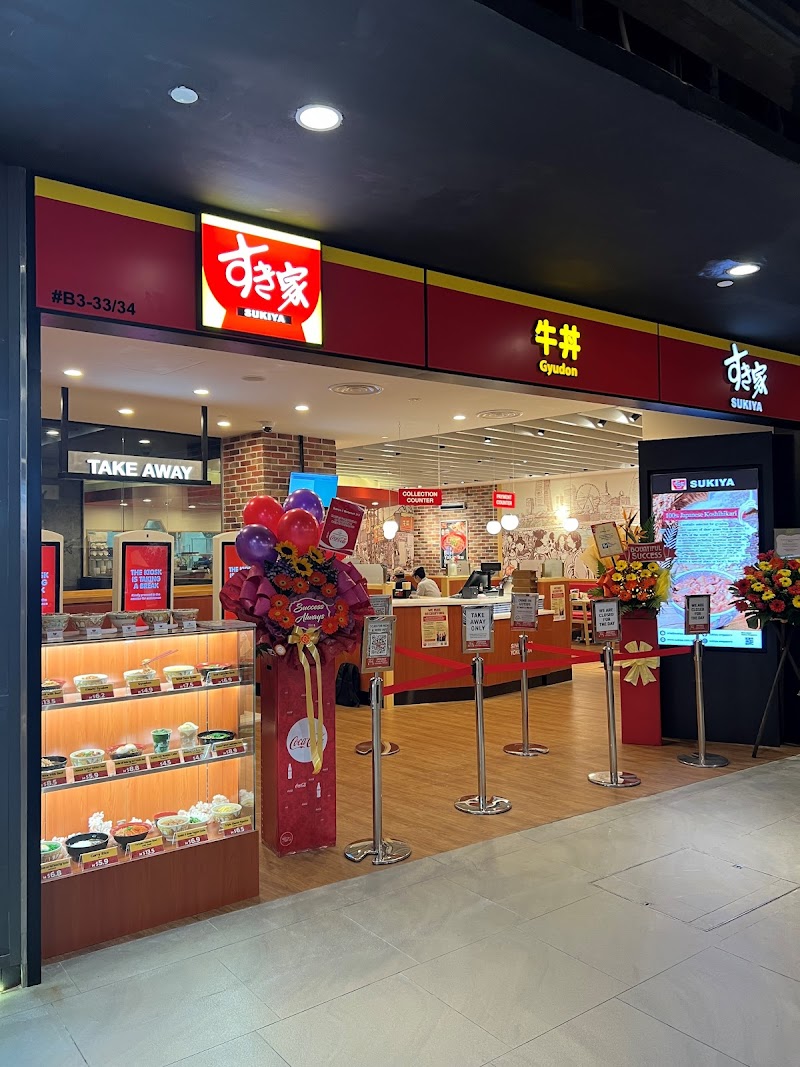
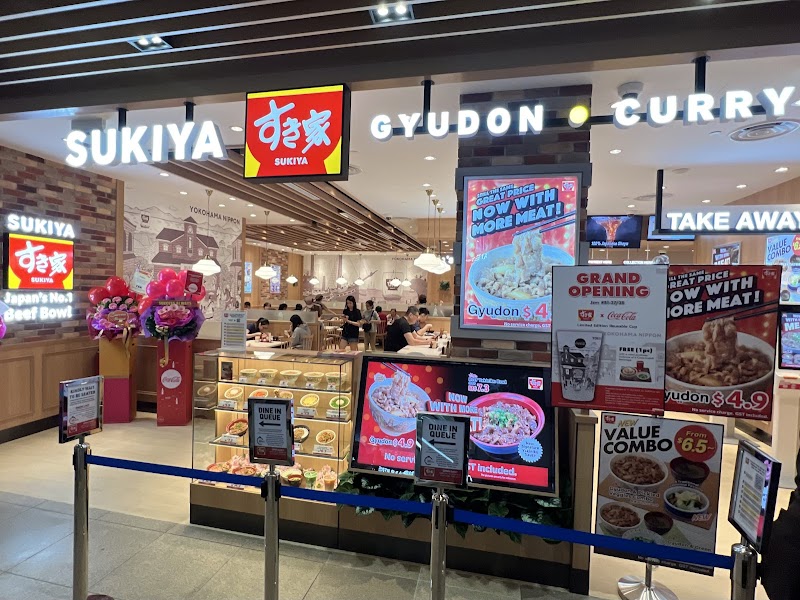
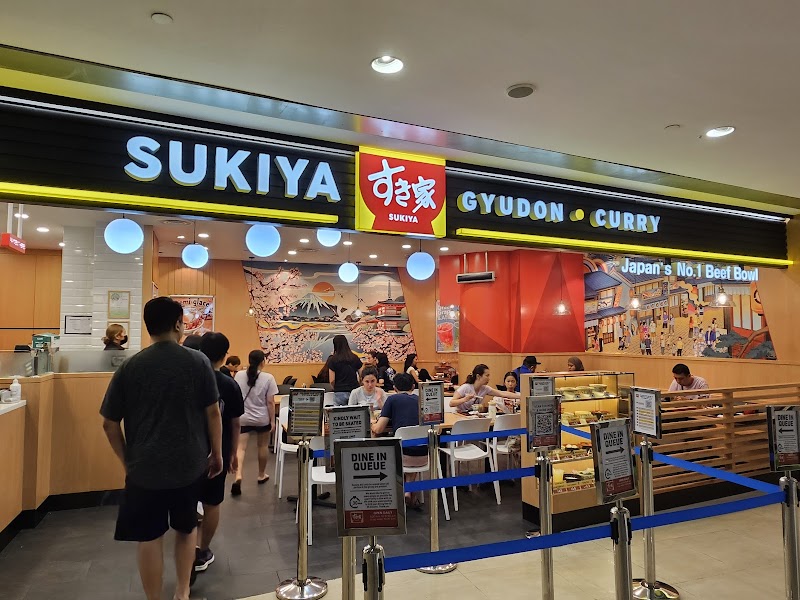
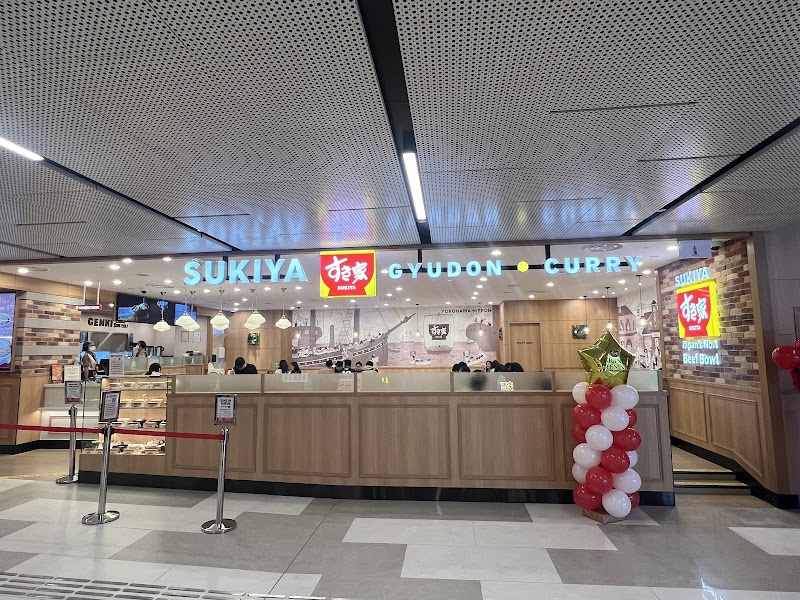
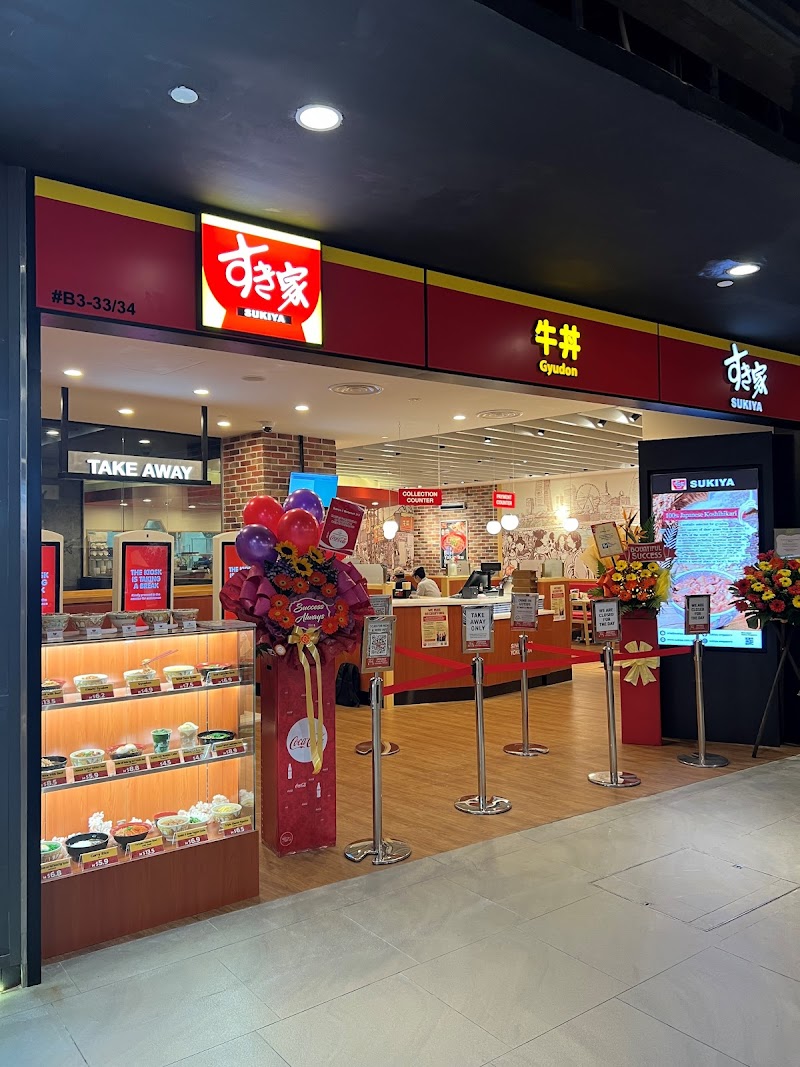
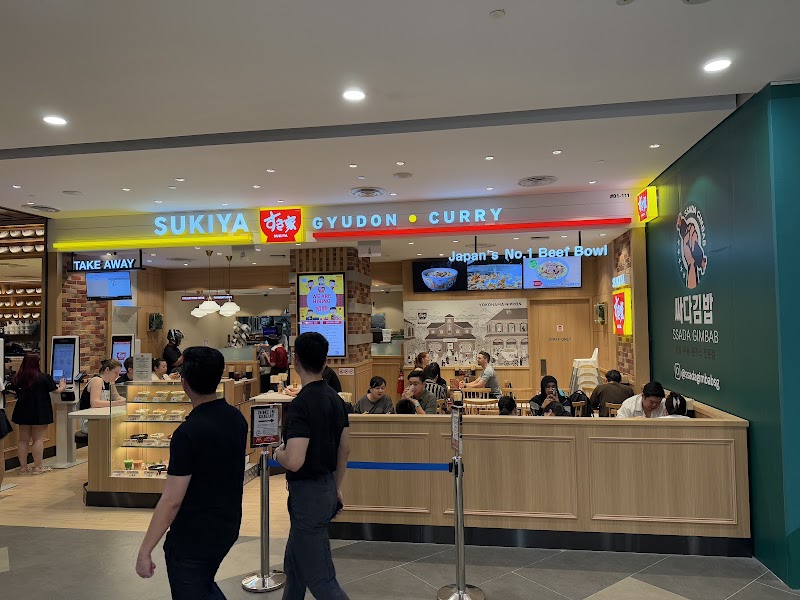
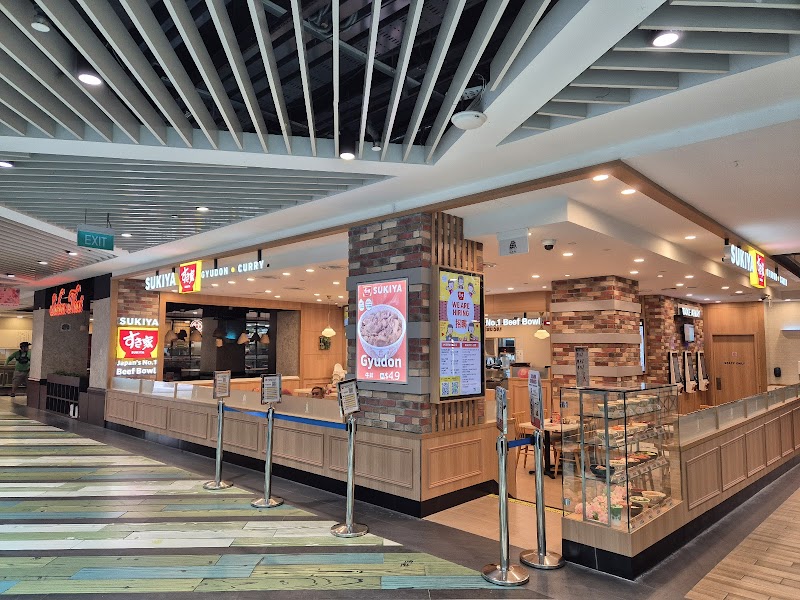
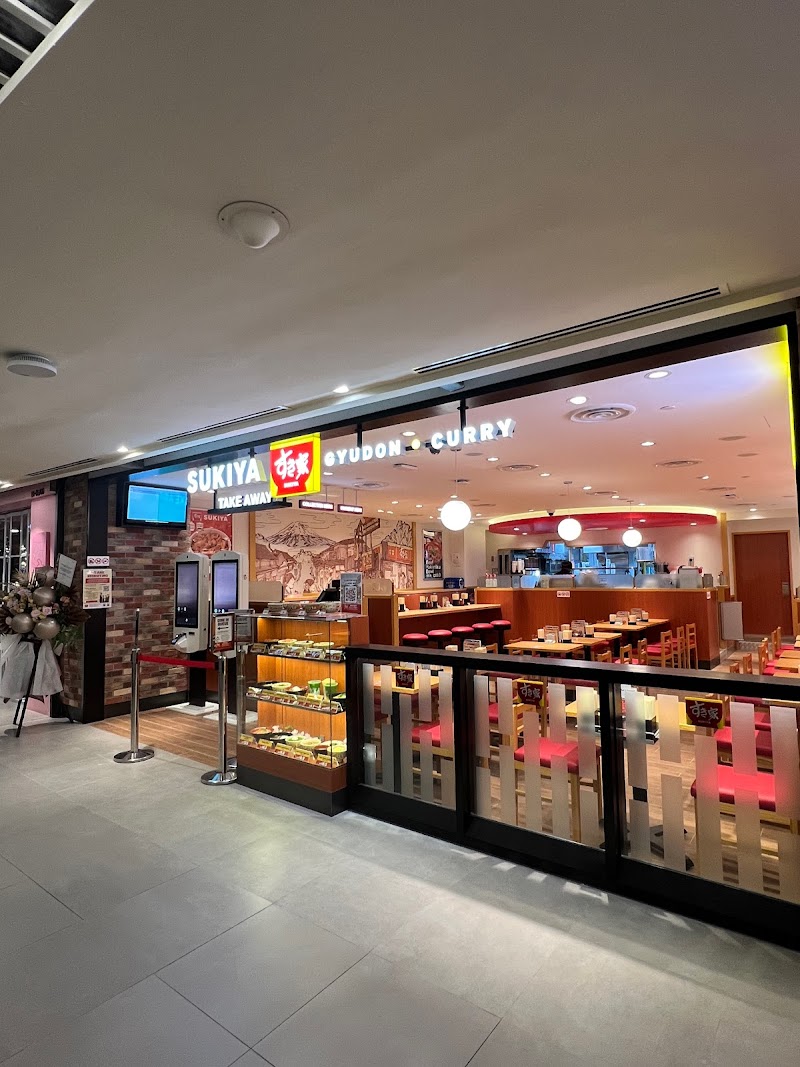
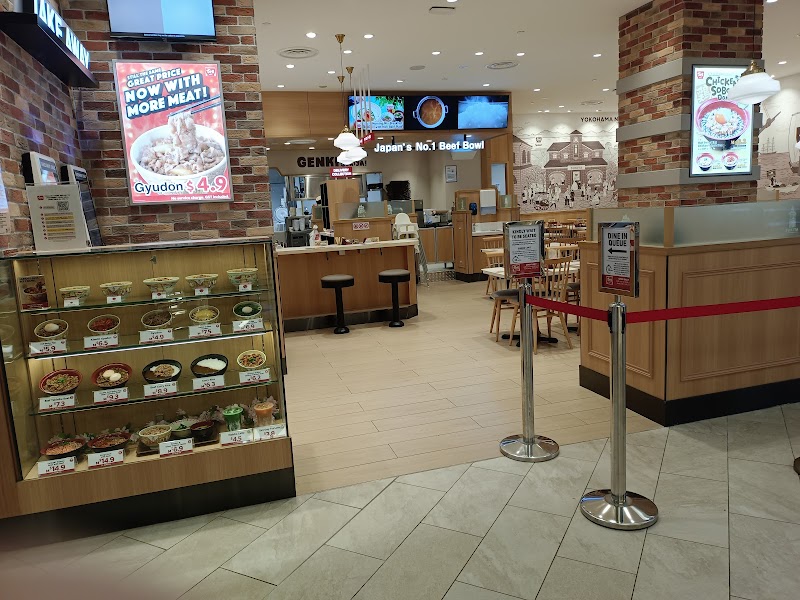
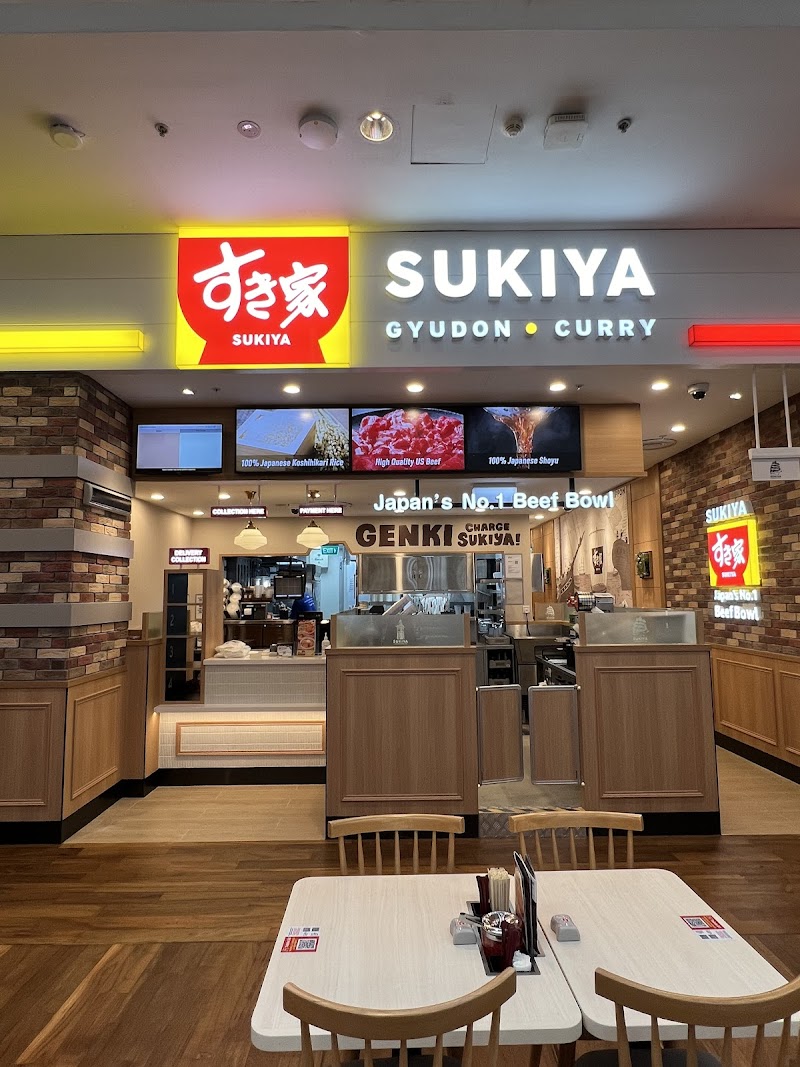
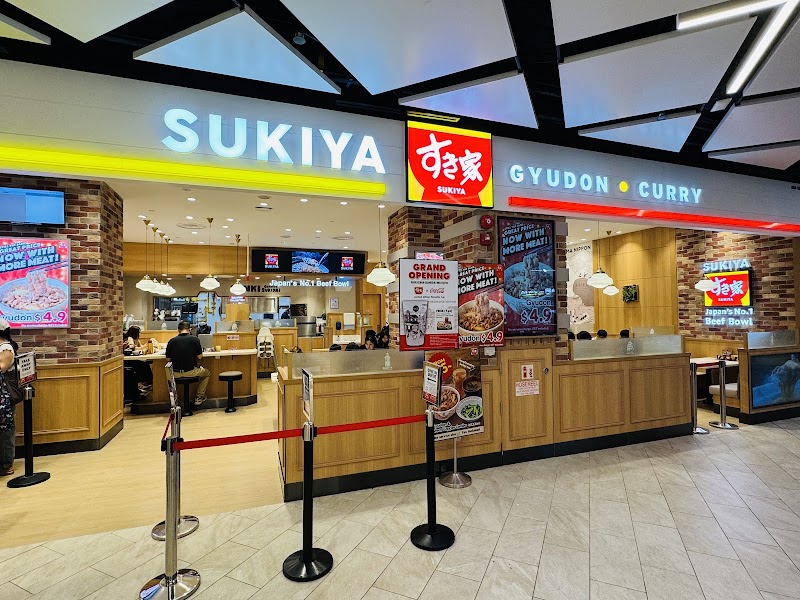
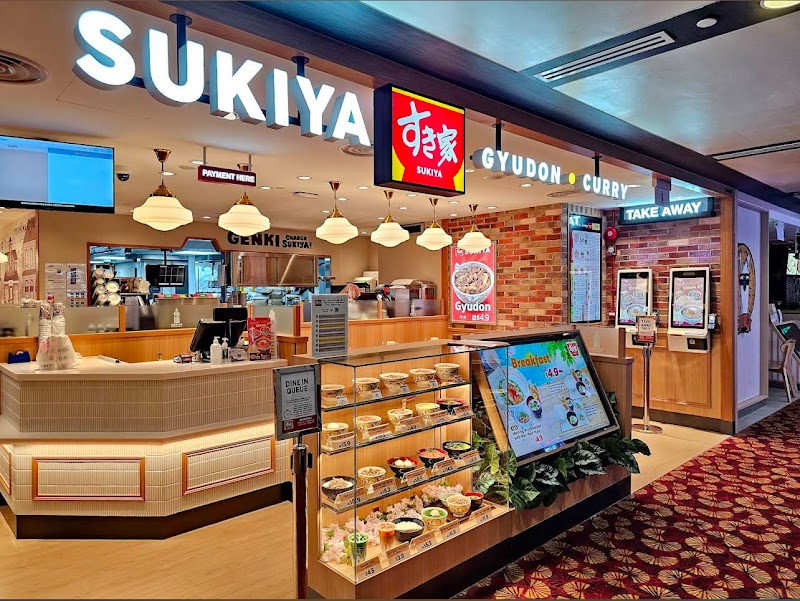
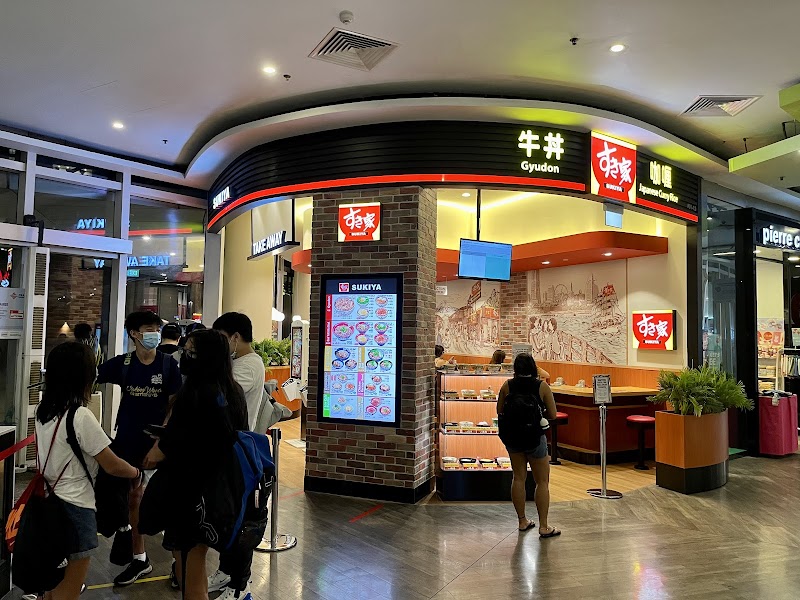
Sukiya is Japan's largest gyudon (beef bowl) chain, founded in 1982 in Yokohama with over 2,600 outlets worldwide. In Singapore, Sukiya has expanded to 17 outlets and — critically — holds MUIS halal certification, making it one of the most accessible authentic Japanese dining options for Muslim diners. Sukiya's signature is the gyudon: thinly sliced beef simmered with onions in a sweet-savory sauce over steamed rice. But the Singapore menu goes far beyond beef bowls, offering charcoal-grilled yakitori bowls, spicy karaage, beef yakiniku, Hokkaido-style curry, unagi bowls, and seasonal limited-time specials like the Osaka Okonomi series. The chain is known for generous portions, self-serve barley tea, and reliable quality at prices that compete with hawker food. For Muslim travelers visiting Singapore who crave authentic Japanese food, Sukiya is an essential stop.
Compass Verdict
Should you eat here?
Japan's #1 gyudon chain — MUIS halal-certified in Singapore. Beef bowls from S$4.80 with premium Koshihikari rice. The cheapest proper Japanese meal at most malls. Essential for Muslim diners. No pork, no alcohol.
Recommended For
Halal Japanese FoodBudget DiningQuick LunchFamiliesStudentsMuslim Travelers
Menu & Pricing
Item
Price
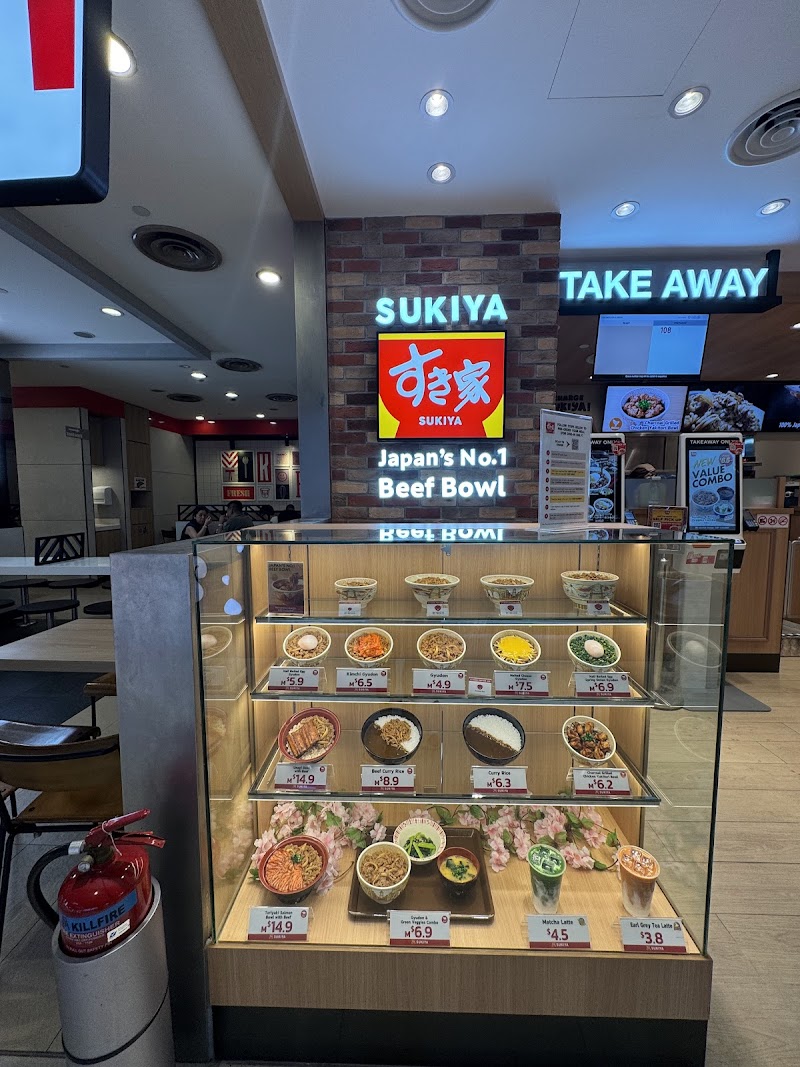
Gyudon (Beef Bowl) Medium
The signature — thinly sliced beef with sweet onions
S$6.90
Gyudon Large
Extra beef and rice for bigger appetites
S$8.90
Cheese Gyudon
Classic beef bowl topped with melted cheese
S$8.90
Beef Yakiniku Bowl
Flame-grilled beef with signature yakiniku sauce
S$9.90
Spicy Chicken Karaage Bowl
Crispy fried chicken with spicy hot sauce
S$8.90
Charcoal Grilled Yakitori Bowl
Juicy grilled chicken with sweet tare sauce
S$8.90
Hokkaido Beef Curry Rice
Tender beef in rich, flavorful curry sauce
S$9.90
Salmon Bowl
Grilled salmon fillet over rice
S$10.90
Unagi Bowl
Grilled eel with kabayaki sauce — premium option
S$12.90
Prices subject to prevailing GST. Menu may vary by outlet.
MUIS Halal CertifiedNo pork, no lardContains beefChicken and seafood options availableFree self-serve barley tea
Your Sukiya Experience
01
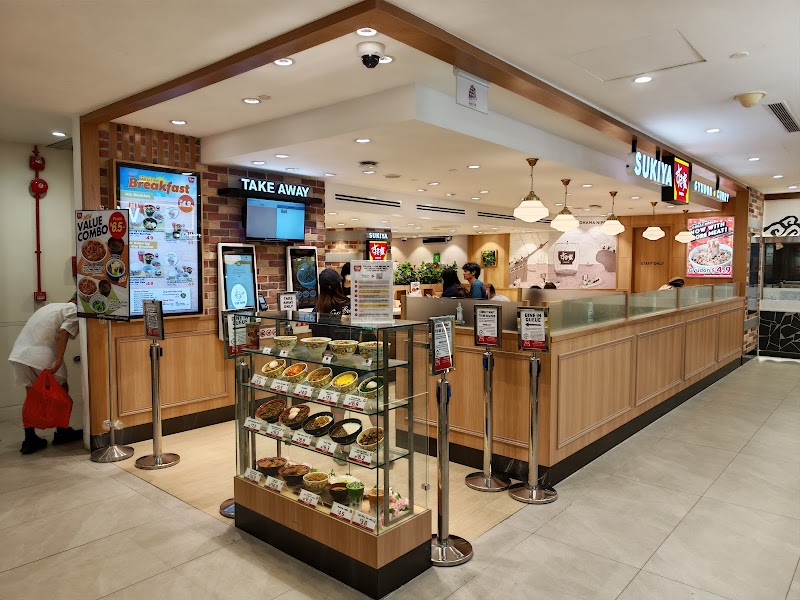
Order at the Counter or Tablet
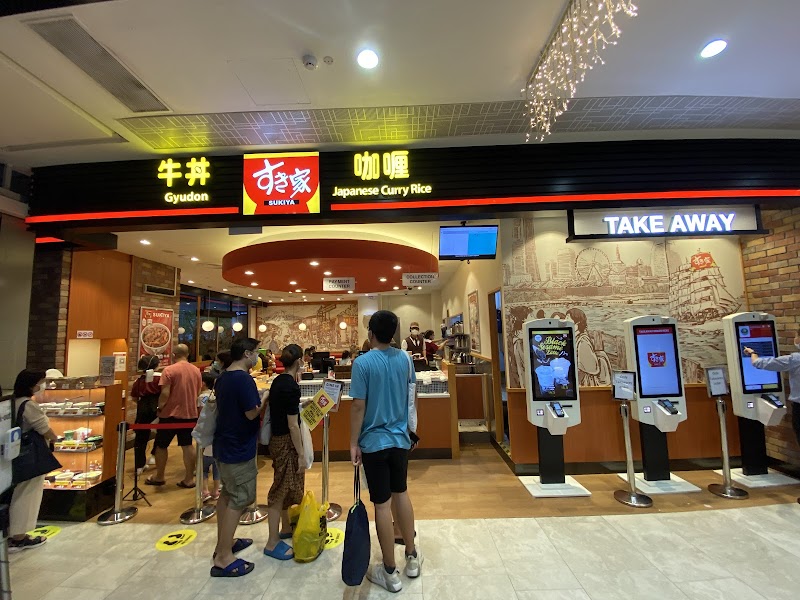
Sukiya operates as fast-casual — order at the counter or via tablet. No table service means quick turnaround and lower prices. Grab a number and wait for your bowl.
02
Choose Your Bowl
The classic Gyudon is a must-try. For variety, try the Cheese Gyudon, Beef Yakiniku Bowl, or seasonal specials. Non-beef options include yakitori and karaage.
03
Help Yourself to Tea
Every Sukiya outlet offers complimentary self-serve barley tea — a refreshing, authentic Japanese touch that adds value to your meal.
04
Try the Seasonal Specials
Sukiya regularly launches limited-time menus like the Osaka Okonomi Series. These seasonal items offer unique flavors you won't find on the regular menu.
05
Halal Confidence
All 17 Singapore outlets are MUIS halal-certified. Muslim diners can enjoy authentic Japanese flavors — gyudon, curry, yakiniku — without compromise.
Photos
Editor's Note
Sukiya is the strongest competitor to Yoshinoya in Singapore's halal Japanese fast food space — and many locals argue it's better. The portions are generous, the beef is well-seasoned, and the free barley tea is a nice touch. For Muslim travelers, Sukiya and Yoshinoya together mean you can eat authentic Japanese food every day of your trip. The Suntec City and 313@Somerset outlets are most convenient for tourists.
Advertisement
Frequently Asked Questions
Is Sukiya halal in Singapore?▾
Yes, all 17 Sukiya outlets in Singapore are halal-certified by MUIS. This makes it one of the largest halal Japanese restaurant chains in Singapore.
How much does Sukiya cost?▾
Beef bowls start from S$6.50-6.90. Most meals cost S$8-12. It is one of the cheapest authentic Japanese dining options in Singapore.
What is the difference between Sukiya and Yoshinoya?▾
Both serve gyudon and are halal-certified. Sukiya offers a wider menu variety including yakiniku, yakitori, and curry options. Yoshinoya focuses more on its classic beef bowl recipe.
Singapore's Japanese food scene is one of the most competitive outside Japan, with hundreds of restaurants ranging from S$5 hawker-style ramen to S$500 omakase. In this crowded landscape, Sukiya has carved out a loyal following by delivering consistent quality at its price point. Whether you are a first-time visitor to Singapore looking for reliable Japanese food, or a resident seeking a trusted regular spot, this chain offers a dependable experience across all its outlets. The standardised recipes mean you get the same quality whether you visit the Orchard outlet or the one in your neighbourhood mall.
For tourists, the multi-outlet presence means there is likely a location near your hotel or on your itinerary. For residents, it means a familiar meal is never far away. Umami Compass recommends checking the individual area pages for outlet-specific details including exact addresses, nearest MRT stations, and local tips.
Ordering Tips
First-timers should start with the signature dish — it is the item the kitchen has perfected and the reason the chain built its reputation. If you are dining with a group, order a variety of items to share and discover your favourites. Lunch sets typically offer better value than ordering à la carte. Check the restaurant's social media for seasonal promotions and limited-time items. Most outlets are walk-in only with no reservations, so arriving slightly before or after peak lunch hours (12–1pm) will reduce waiting time.
The Budget King: How Sukiya Makes Premium Japanese Affordable
In a city where a basic hawker meal now averages S$5-6, Sukiya's gyudon from under S$6 represents something remarkable: a genuine Japanese meal with quality beef, properly cooked rice, and a well-balanced sauce at near-hawker prices. This is not an accident — it is the result of massive scale economies. Sukiya is one of the largest gyudon chains in the world, with over 5,000 outlets globally including 2,000+ in Japan. That scale gives them purchasing power for beef and rice that no standalone restaurant can match. In Singapore, with 17+ outlets and MUIS Halal certification, Sukiya has positioned itself as the go-to for diners who want a reliable, satisfying Japanese meal without overthinking the bill. The menu goes well beyond basic gyudon: kimchi beef bowls, cheese gyudon, salmon bowls, curry rice, udon, and set meals offer variety for repeat visits. For Muslim diners, Sukiya's halal certification is particularly valuable — together with Yoshinoya, it represents one of only a handful of authentic Japanese chains where Muslim families can dine with confidence. The topping variations (add cheese, add egg, add kimchi) mean you can customise each visit, turning a simple beef bowl into a genuinely different meal each time.
How to Visit
Most outlets are located in major shopping malls across Singapore, easily accessible by MRT. No reservations are needed — simply walk in. During peak lunch hours (12:00–1:30pm) and dinner hours (6:00–7:30pm), expect short waiting times at popular outlets. Weekday afternoons between 2:00–5:00pm are generally the quietest. Payment methods typically include cash, NETS, Visa, Mastercard, and contactless payments. Many outlets are also available on food delivery platforms such as GrabFood, foodpanda, and Deliveroo for those who prefer to enjoy the food at home.
Understanding the Cuisine
Japanese cuisine is built on a few core principles that elevate even the simplest dishes. Umami — the 'fifth taste' — is central: a deep, savoury satisfaction that comes from ingredients like dashi (stock made from kelp and bonito), soy sauce, miso, and fermented seasonings. Balance is everything: sweet, salty, sour, bitter, and umami are calibrated in each dish to create harmony rather than dominance of any single flavour. Presentation matters: even at casual restaurants, food is arranged with care because the Japanese dining philosophy holds that you eat first with your eyes. Seasonality drives the menu: ingredients are chosen at their peak freshness, which is why you will often see seasonal specials that rotate throughout the year. Understanding these principles helps you appreciate why a seemingly simple bowl of rice and beef can feel like a complete, satisfying meal — every element has been considered.
Gyudon Culture in Japan and Singapore
In Japan, gyudon is not just food — it is a cultural institution. It is the meal that salary workers grab between meetings, the late-night comfort food for students, and the reliable standby for anyone who needs something good, fast, and affordable. The gyudon chains (Sukiya, Yoshinoya, Matsuya) are to Japan what hawker centres are to Singapore: democratic, no-frills, and deeply woven into everyday life. Sukiya, as one of the 'Big Three' gyudon chains, holds its own with a menu that goes beyond the basic beef bowl — offering more topping variations (cheese, kimchi, negi, ontama) than most competitors. In Singapore, with MUIS Halal certification, Sukiya brings this everyday Japanese comfort food to a wider audience than ever.