At a Glance
About Torikami
Torikami is not a casual yakitori bar — it is a full-course fine-dining experience built around the ancient craft of charcoal-grilled chicken, elevated to a level that most diners associate only with sushi omakase or French tasting menus. Located at 34/35 Duxton Road in a minimalist, dimly-lit shophouse space, the restaurant is helmed by Chef Yuta Shiraishi, born in Okayama Prefecture in 1986, who spent six years training at Japan's most difficult-to-reserve yakitori restaurant before opening his own establishment. His first restaurant, Torioka (now renamed Torikami), launched in Roppongi Hills, Tokyo in 2021, and a second location in Fukuoka became one of the area's top-five yakitori restaurants within just six months. The Singapore outlet brings this same level of dedication to Tanjong Pagar's Duxton Road, offering a 13-course yakitori omakase at S$228++ per person that has been described by multiple food critics as the best yakitori dining experience in Singapore.
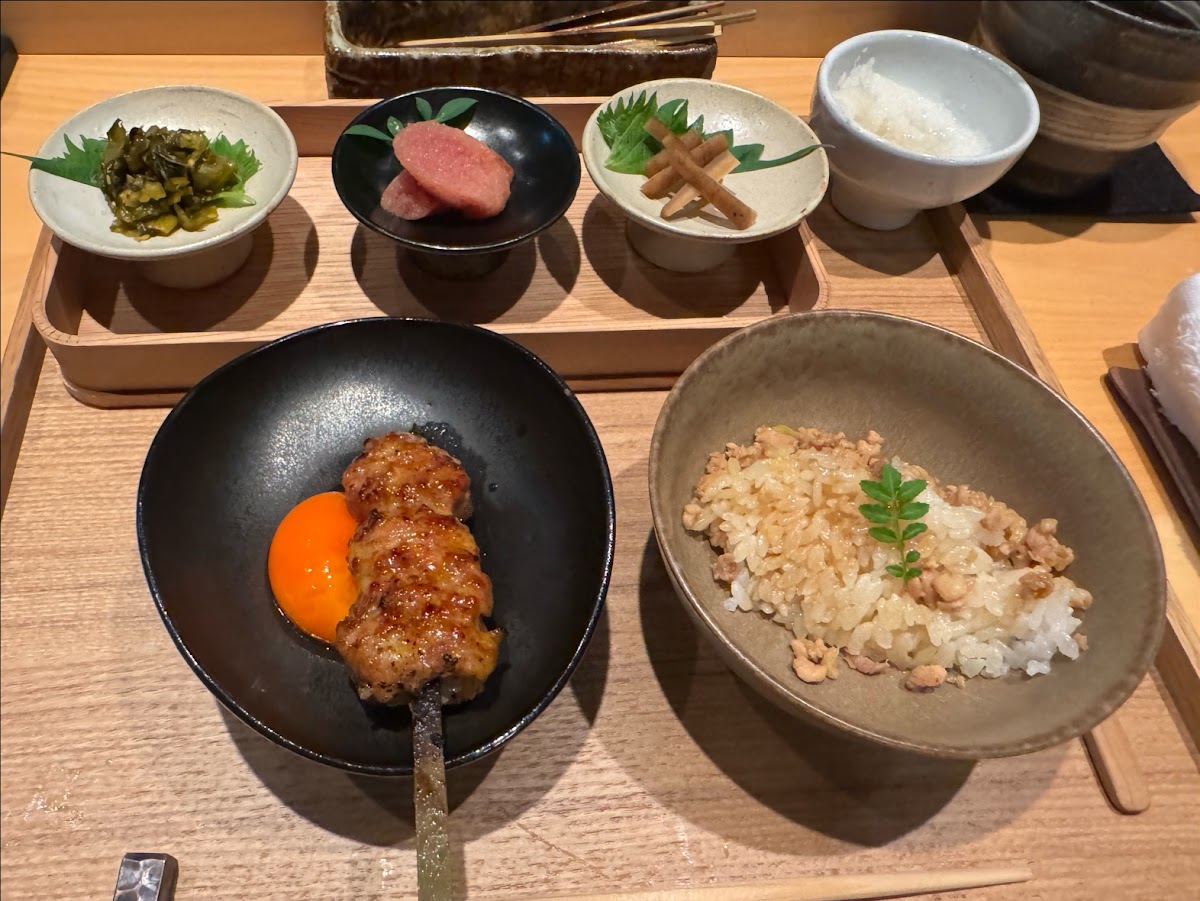
The 13-course omakase unfolds at a counter divided into two sections of approximately eight seats each, separated by a wall. Each side has a full view of the chef and his team working the binchotan charcoal grill — an open theatre of flame, smoke, and precision timing. The menu changes slightly from week to week depending on the availability of ingredients, but the structure follows a carefully considered arc: lighter preparations early in the meal, building through the yakitori courses to a deeply satisfying rice-based finish. Every piece of chicken is sourced from a French-operated farm in Malaysia that raises birds specifically for the restaurant's requirements. All vegetables are airflown from Japan weekly — Japanese Hokkaido broccoli with shaved parmesan (a standout that strays from typical yakitori but works brilliantly), seasonal greens, and accompaniments that are selected to complement the grilled chicken rather than merely fill space. The binchotan charcoal is premium grade, providing the high, consistent heat that allows each skewer to develop a savoury, perfectly charred surface while remaining juicy inside. This is not charcoal for show — it is charcoal as an essential cooking instrument that directly affects the final flavour.
What elevates Torikami from excellent yakitori to genuinely transcendent dining is the quality of execution across every single course. Multiple independent reviewers have noted — with some surprise — that they enjoyed absolutely everything during the omakase, a rarity in any multi-course dining experience regardless of cuisine. The grilled tofu, typically an afterthought at most yakitori restaurants, becomes a highlight. The 24-hour slow-cooked chicken broth is thick with collagen and deeply savoury. The donabe (clay pot) rice course that closes the meal — served with a tsukimi (moon-viewing) egg — is the kind of perfect, comforting finale that makes you want to linger rather than leave. The service matches the food: all staff (both Japanese and Singaporean) are described as impeccable, explaining each dish in detail, topping up drinks, and providing warm towels with a frequency that borders on psychic. At S$228++, Torikami is expensive for what is fundamentally chicken on sticks — a price point that some diners will struggle to justify for yakitori when equivalent spending could buy a sushi omakase. But those who make the investment consistently report an experience that exceeds expectations and rivals the best yakitori in Japan. This is a restaurant for special occasions — an anniversary, a client dinner, or simply a night when you want to experience the absolute ceiling of what yakitori can be.
Compass Verdict
Premium yakitori that treats chicken as seriously as the best sushi bars treat fish. Each skewer is a different cut — heart, skin, thigh, neck — grilled to precise doneness over binchotan. The omakase lets the chef guide you through the bird. For yakitori enthusiasts who want mastery, not snacks.
Recommended For
Menu & Pricing
Single omakase format — no à la carte. Menu changes weekly based on ingredient availability. All prices subject to service charge and GST.
| Item | Description | Price |
|---|---|---|
| Yakitori Omakase (13 courses) | Full yakitori omakase — starters, grilled skewers (momo, seseri, kawa, negima, seasonal), vegetables, broth, donabe rice, dessert | S$228++ |
| Sake Pairing | Curated sake to complement the omakase courses. Enquire at reservation. | Add-on |
The Torikami Experience
Duxton Road Minimalism — The Counter Awaits
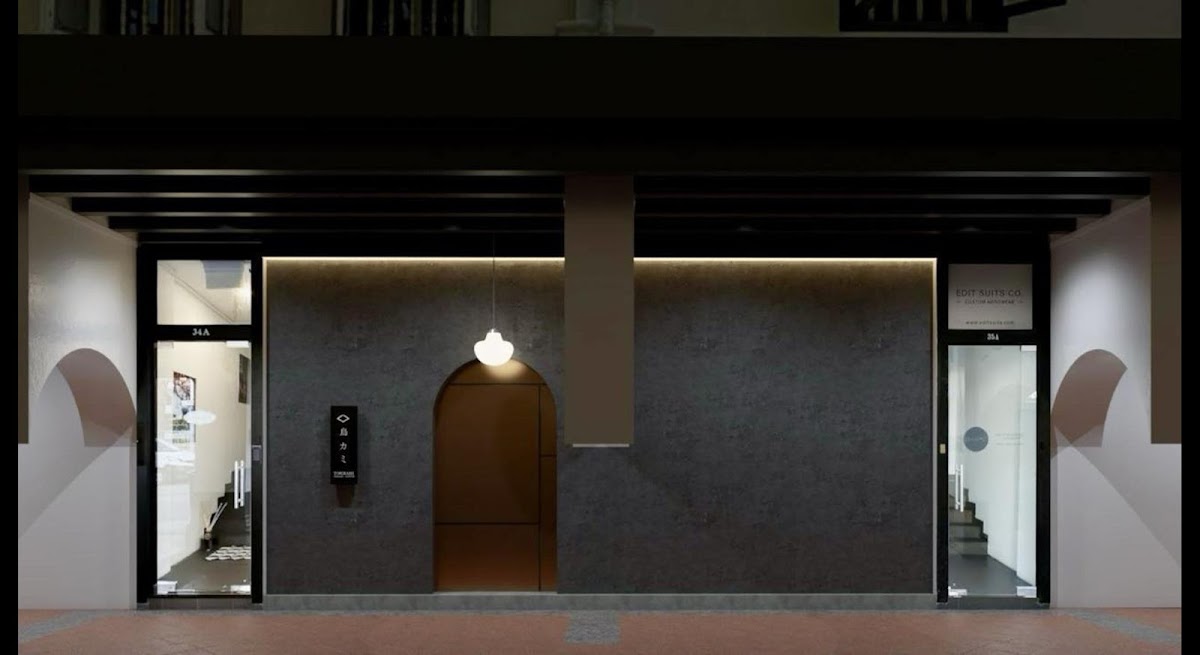
The entrance to Torikami is understated to the point of near-invisibility. A minimalist doorway on Duxton Road leads into a dimly-lit space that feels more like a private members' club than a restaurant. The interior is deliberately dark — black walls, low lighting, and a counter that catches the warm glow of the binchotan charcoal grill. The space is divided into two sections of approximately eight seats each, separated by a wall, ensuring that each group of diners has an intimate view of the chef at work. The atmosphere is spacious and comfortable — a far cry from the cramped, noisy casualness of typical yakitori restaurants. This is yakitori elevated to the level of a quiet, focused dining experience where the food commands your full attention.
The Charcoal — Binchotan as Instrument
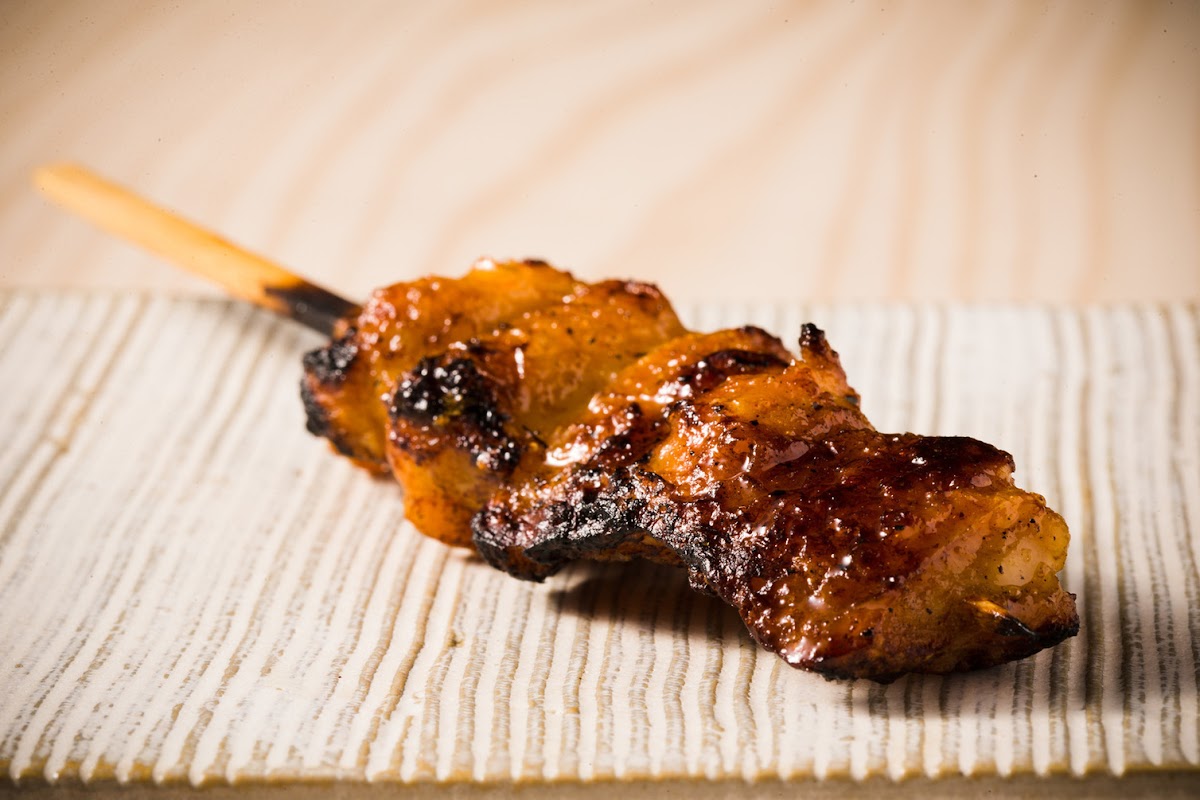
At Torikami, binchotan charcoal is not a fuel source — it is an instrument. Premium-grade binchotan provides the high, consistent heat that allows each skewer to be charred with precision: the surface develops the kind of deep, savoury crust that can only come from intense radiant heat, while the interior remains moist and tender. Chef Shiraishi's timing is exact — each skewer spends a precisely calculated number of seconds over the charcoal, turned at the right moment, rested for the right duration, and served at the optimal temperature. Watch him work and you see the same focused intensity that sushi masters bring to their craft — quiet hands, controlled movements, and an almost meditative concentration that makes each skewer feel less like cooking and more like craftsmanship. The flavour that binchotan adds is unmistakable: a clean, intense smokiness that enhances the natural sweetness of the chicken without overwhelming it. Every piece arrives tasting more intensely of itself — more chicken-like, more savoury, more alive — than any yakitori you have eaten before.
13 Courses — The Arc of a Yakitori Master
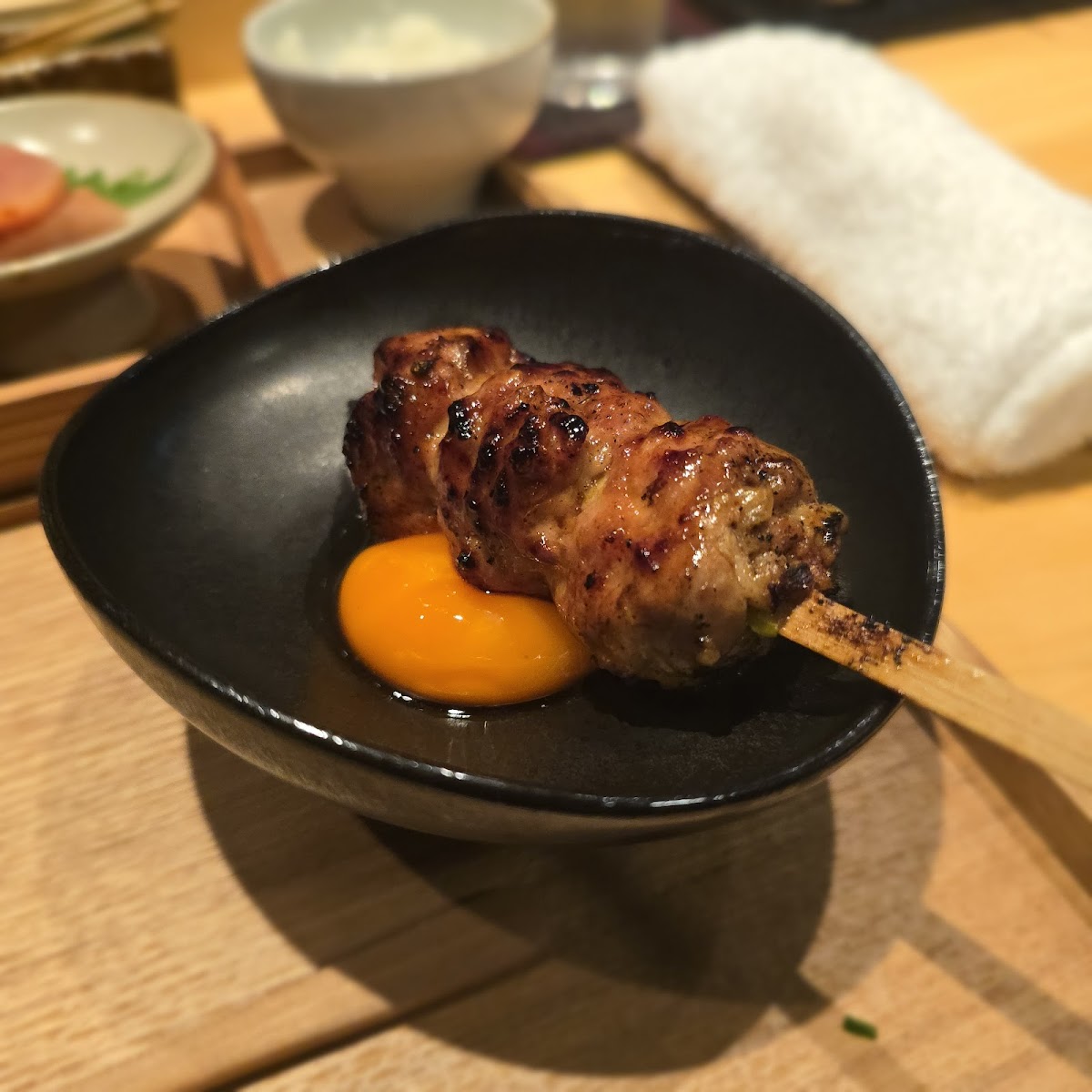
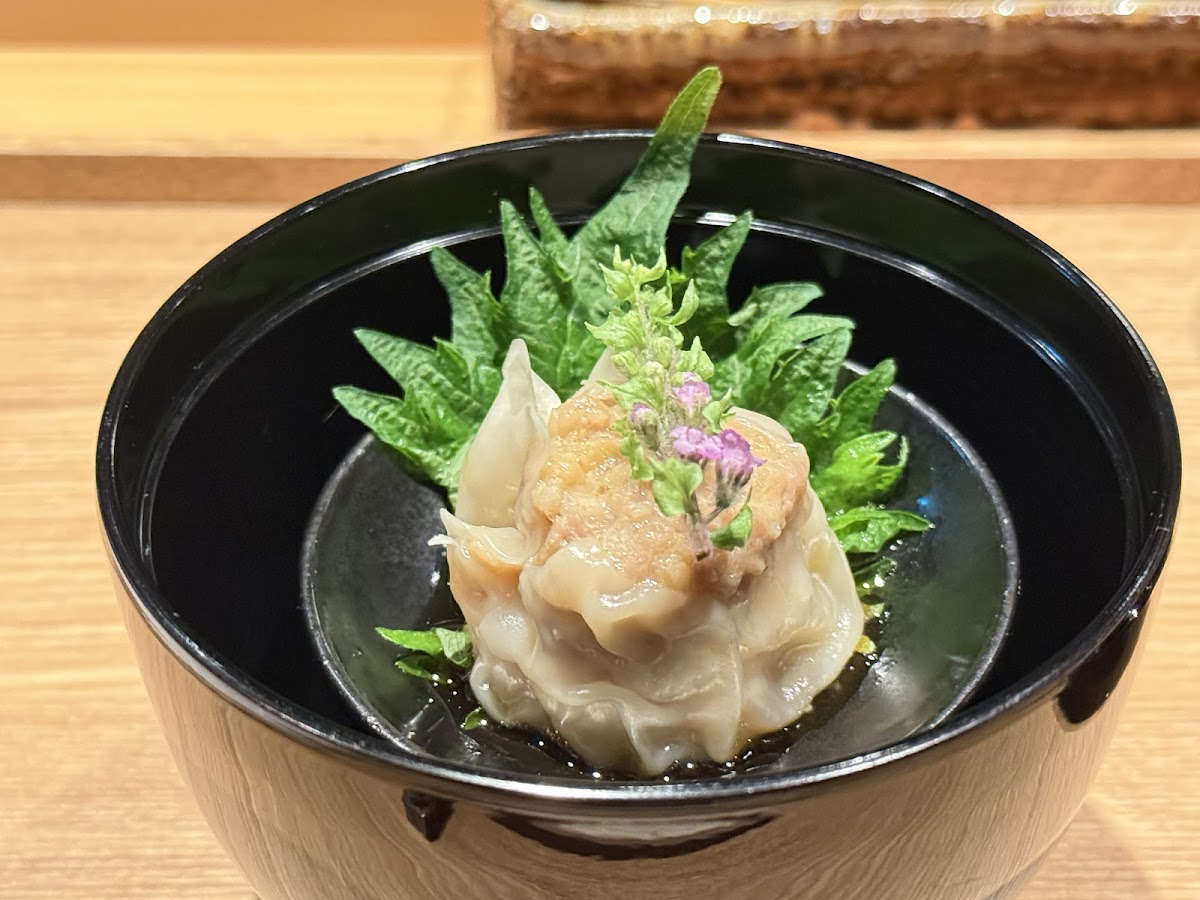
The 13-course omakase is structured with the same narrative logic as a great sushi omakase — it begins gently, builds through a series of increasingly intense flavours and textures, and closes with a deeply satisfying finale. The opening courses might include a delicate appetiser and a light vegetable preparation (the Hokkaido broccoli with shaved parmesan has become a signature — a dish that sounds simple but is executed with stunning precision). The yakitori sequence then begins, moving through classic cuts: momo (thigh), seseri (neck), kawa (skin), negima (thigh with leek), tsukune (meatball), and seasonal specialties that change with the chef's inspiration. Each skewer arrives one at a time, eaten immediately, with the chef explaining the cut, the seasoning (salt or tare), and the suggested eating method. The progression builds in richness and intensity — from lean, clean-flavoured pieces early on to fattier, more robustly seasoned skewers later. The 24-hour slow-cooked chicken broth provides a palate-cleansing interlude — thick, collagen-rich, and deeply warming. The donabe rice with tsukimi egg closes the meal with the kind of perfect carbohydrate satisfaction that makes 13 courses feel complete rather than excessive.
The Service — Impeccable Without Exception
Multiple reviewers have independently singled out Torikami's service as among the best they have experienced at any Japanese restaurant in Singapore. Both Japanese and Singaporean staff operate at a level that feels choreographed: each dish is explained with just enough detail to be informative without being intrusive, drinks are topped up before you notice they are low, warm towels appear with a frequency that suggests the staff are reading your mind, and the pacing between courses is calibrated to let each dish breathe without creating awkward gaps. Chef Shiraishi himself radiates a warmth and energy that sets the tone for the entire experience — he is younger than many omakase chefs, and his enthusiasm is genuine rather than performative. The combination of exceptional food and exceptional service creates an evening that feels not just delicious but genuinely special — the kind of meal you remember and describe to friends in detail for months afterwards.
S$228 for Chicken — Is It Worth It?
The question hangs in the air: is S$228++ justified for what is, at its core, chicken on sticks? The honest answer depends on what you value in a dining experience. If you are measuring purely by protein cost per gram, Torikami is objectively expensive — the same S$228 would buy a generous sushi omakase with premium Toyosu fish. But if you value the totality of the experience — the 13-course narrative, the binchotan craftsmanship, the impeccable service, the quality of the chicken and vegetables, and the quiet satisfaction of a meal where every single element has been considered — then Torikami delivers extraordinary value for a fine-dining experience. It is far better value than rival yakitori omakase Torisei at a similar price point, and it offers something that sushi omakase cannot: the primal, smoky satisfaction of charcoal-grilled meat prepared with the same precision that sushi masters bring to fish. For a special occasion — an anniversary, a birthday, a client dinner where you want to impress with something unexpected — Torikami is among the most memorable dining experiences in Tanjong Pagar. Reserve it for when you want to experience the absolute ceiling of what yakitori can be.
Practical Information
Thu: Closed
Dietary Information
Tanjong Pagar — Singapore's Japanese Food Capital
The Neighbourhood
Tanjong Pagar holds the highest concentration of Japanese restaurants in Singapore, with over 45 establishments. From Michelin-starred omakase to late-night ramen, this is the most complete Japanese dining neighbourhood in Southeast Asia.
Insider Tips — Dining at Torikami
Book well in advance — only ~16 seats total. The omakase is the only option (no à la carte). The Hokkaido broccoli with parmesan is an unexpected highlight. The donabe rice finale is the most comforting way to end any meal in Tanjong Pagar. Ask about sake pairing. Duxton Road has excellent post-dinner bars and wine lounges. Closed Thursdays — plan accordingly. This is a special-occasion restaurant: anniversaries, birthdays, client dinners.
Planning Your Visit to Tanjong Pagar
Tanjong Pagar MRT (East-West Line) is the main access point. Parking at Guoco Tower, International Plaza, 100AM, Icon Village. The area is compact and walkable — most Japanese restaurants within 10 minutes of the MRT.
Editor's Note
Torikami represents the absolute peak of yakitori in Singapore, and it makes a compelling case that charcoal-grilled chicken, when treated with the same reverence and precision as the finest sushi, can deliver a fine-dining experience that rivals any omakase in the city. Chef Yuta Shiraishi's 13-course omakase is a masterclass in restraint and technique: each skewer is grilled to exact perfection over binchotan charcoal, the vegetables (all airflown from Japan) are treated with the same care as the chicken, and the 24-hour broth and donabe rice finale provide the kind of deeply satisfying closure that most multi-course meals lack. The service is uniformly exceptional — the warmest, most attentive Japanese hospitality you will experience in Tanjong Pagar. At S$228++, the price will give some diners pause, but every review I have encountered reports an experience that exceeded expectations. Multiple critics have called it 'better than yakitori in Japan,' which is a bold claim, but having examined the evidence, it appears to be a fair one. If you have never considered yakitori as fine dining, Torikami will change your mind permanently. Reserve it for a night when you want to be genuinely surprised by how good chicken can be.