At a Glance
About Izakaya Niningashi
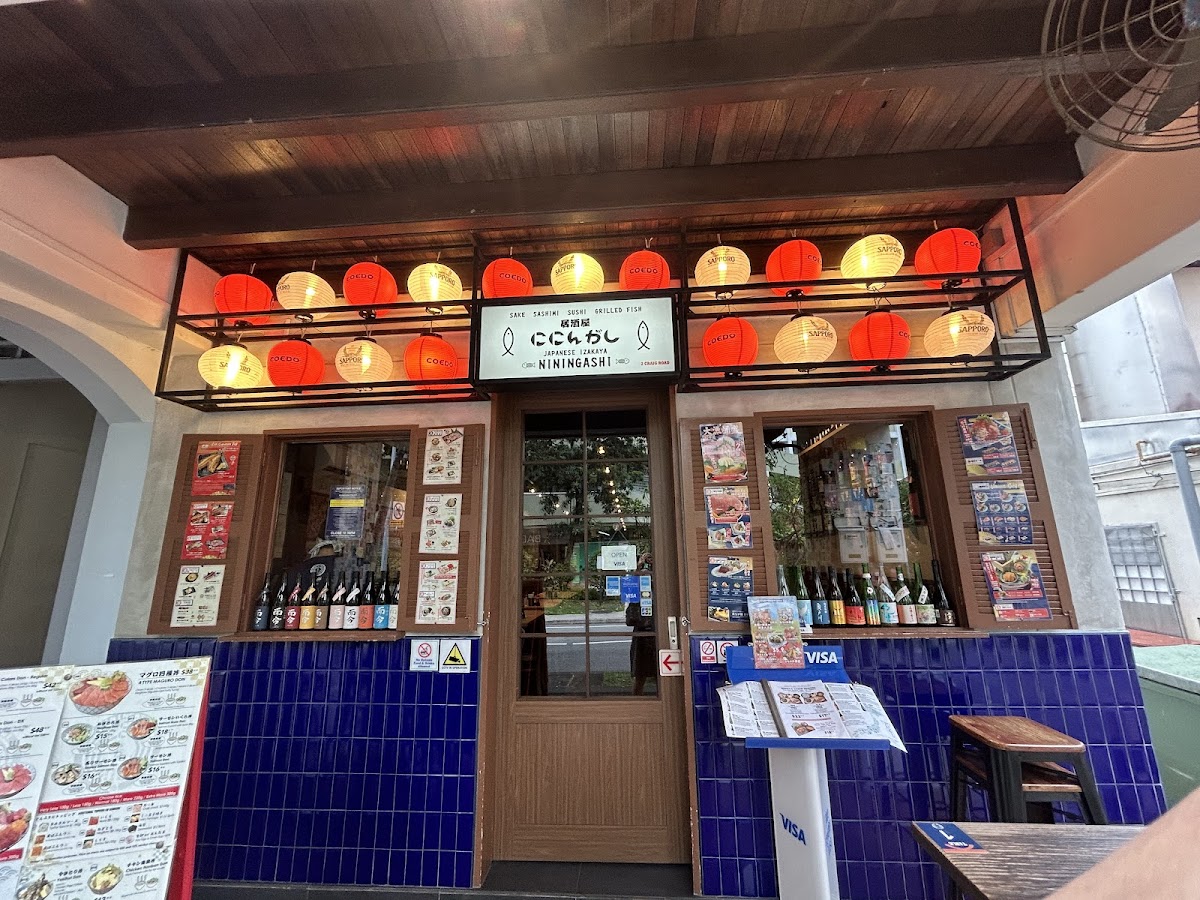
Izakaya Niningashi at 2 Craig Road is not just a good izakaya — it is, by wide consensus among food critics, Japanese expatriates, and serious izakaya enthusiasts, one of the finest Japanese izakayas in Singapore. Opened by the same group behind Himonoya and Shindo, Niningashi takes particular pride in its Bansuke brand himono (dried fish) sourced directly from Japan, its exceptionally fresh sashimi, and a sake library that rivals dedicated sake bars. The two-level Craig Road shophouse fills quickly every evening with a clientele that skews heavily Japanese — a detail that speaks volumes about the authenticity of the food and the quality of the ingredients. On any given Friday evening, the sound of clinking glasses, the aroma of charcoal-grilled fish, and the animated Japanese conversation create an atmosphere that is as close to a genuine Tokyo izakaya as you will find in Singapore.
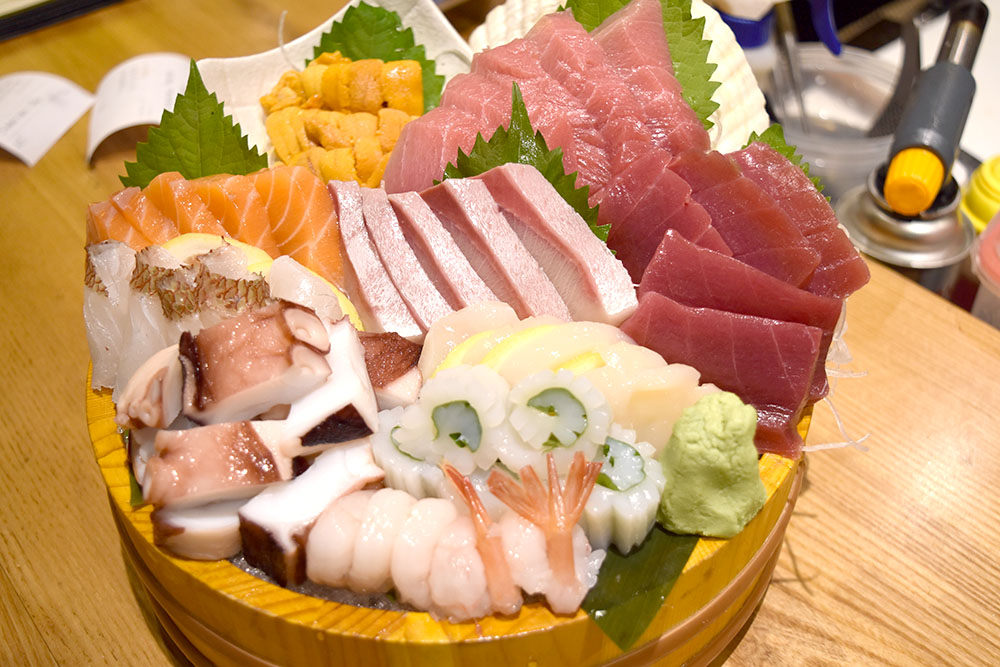
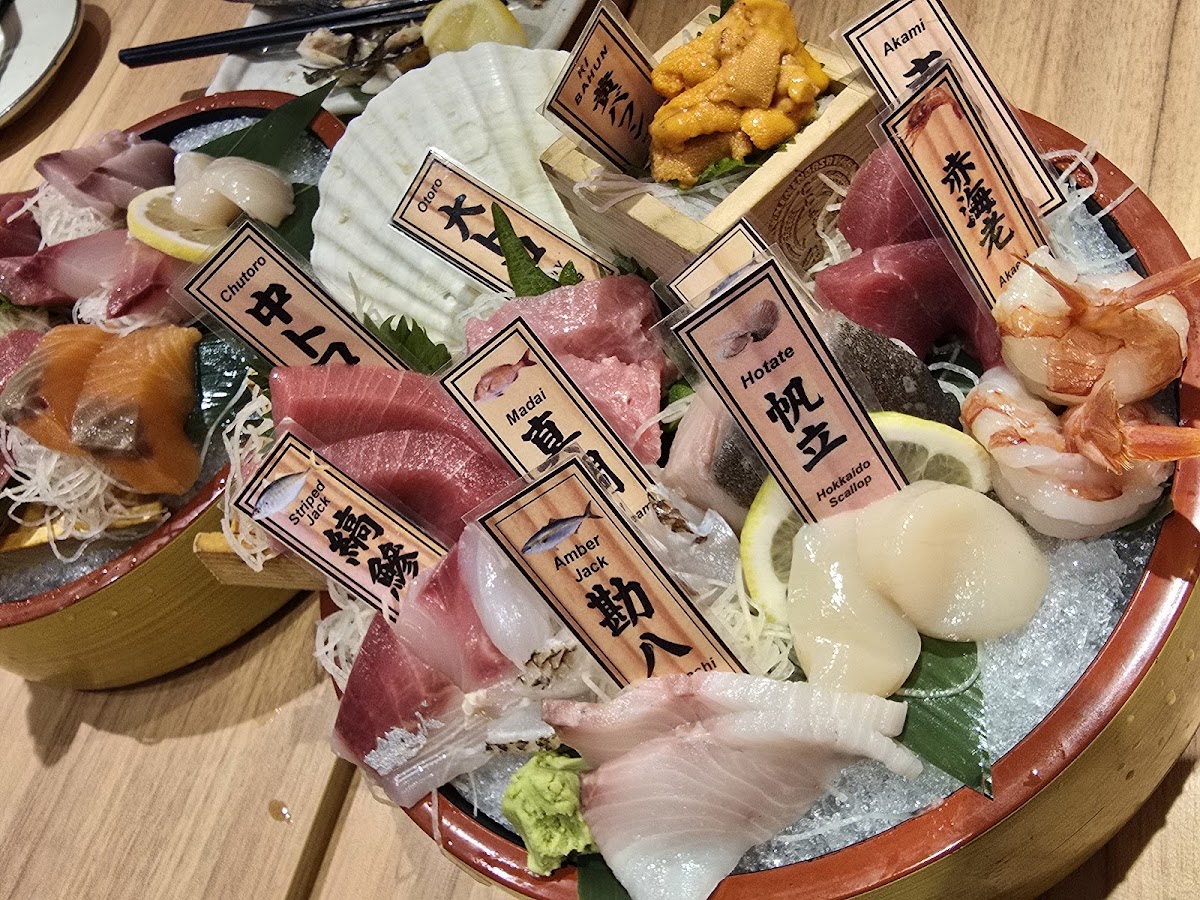
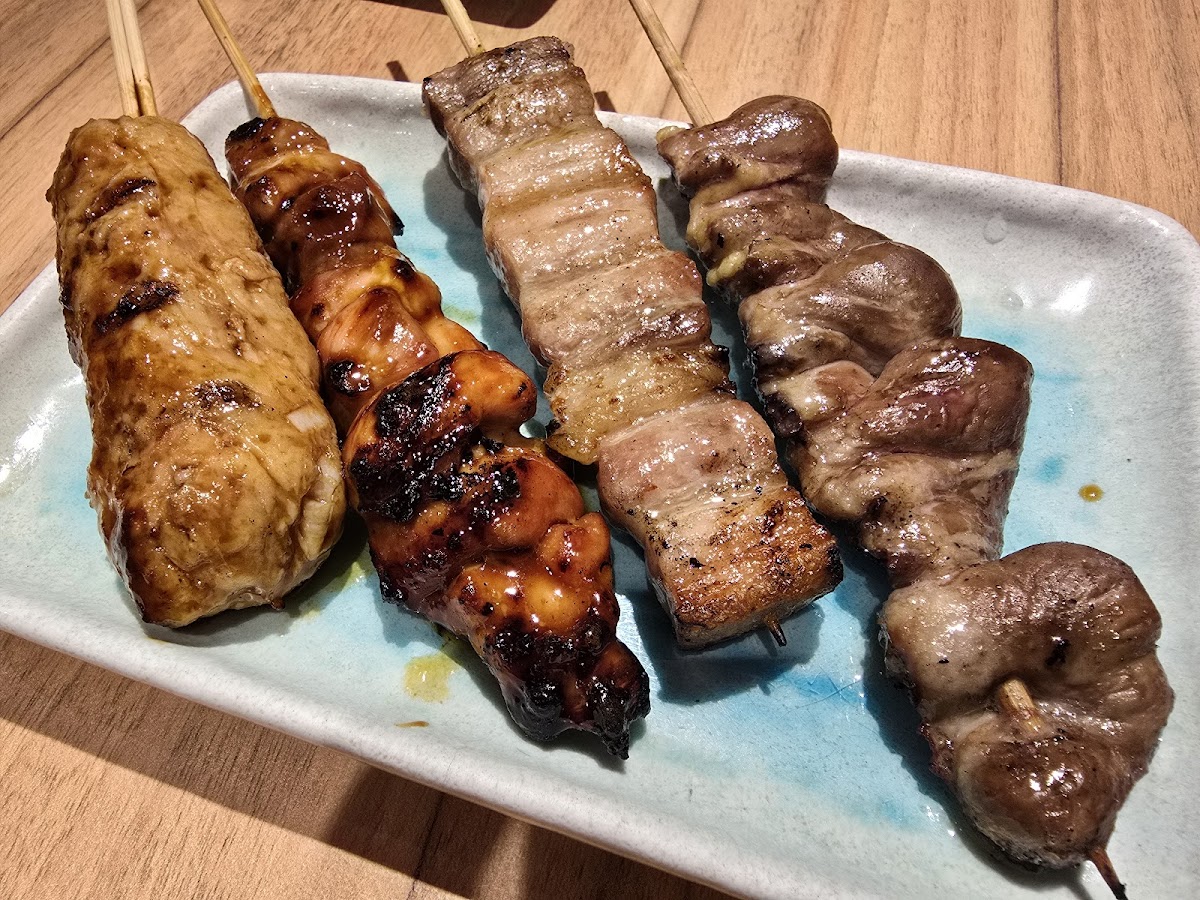
The sashimi at Niningashi has become legendary in Singapore's Japanese dining scene. The Assorted Sashimi (9 Kinds) at S$41.80++ is the dish that food bloggers and critics return for again and again — nine varieties of fresh fish, sliced generously, arriving at the table with the kind of vibrant colour and firm texture that indicates fish handled properly from source to plate. For uni enthusiasts, Niningashi offers a platter of three different Hokkaido uni varieties (murasaki, bahun, and aka) available year-round — a rarity in Singapore and a genuine test of any restaurant's sourcing capability. The himono (dried fish) selection is another distinguishing feature: these are not generic supermarket dried fish but premium Bansuke brand products, grilled over charcoal until the skin crackles and the flesh flakes in layers of smoky, concentrated flavour. The robatayaki grilled skewers — yakitori, pork belly, and seasonal specials — complete a menu that covers every dimension of izakaya cooking.
The sake programme at Niningashi deserves special attention. The restaurant maintains an extensive library of nihonshu from regions across Japan, with helpful tasting notes that include alcohol percentage, rice polishing ratio, and SMV (Sake Meter Value) to guide both novice and experienced sake drinkers. Bottles range from affordable 130ml and 230ml sizes — perfect for sampling — to full 720ml bottles for sharing. The Born Gold Junmai Daiginjo from Fukui Prefecture is a house favourite, and regulars will tell you the markup is acceptable for an izakaya. For those who want to go all in, the nomihodai (all-you-can-drink) option starts from S$35++ for 90 minutes and S$55++ for 150 minutes — though be warned, the restaurant has an elaborate two-page rulebook for the nomihodai that includes leftover drink charges, CCTV verification for timing disputes, and a vomit surcharge. This is Japanese efficiency applied to drinking culture, and it is both hilarious and entirely serious. The sister restaurant Izakaya Sazangaku operates next door at 3 Craig Road, offering a similar izakaya experience with the added advantage of accommodating larger groups of up to 25 people.
Compass Verdict
An authentic izakaya where the daily menu reflects what the chef found at the market that morning. Niningashi is Tanjong Pagar's most genuine Japanese drinking experience — the food follows the fish, not a fixed menu. For those who want to eat the way Japanese people actually eat.
Recommended For
Menu & Pricing
Extensive izakaya menu. Prices approximate and may vary with seasonal availability. All prices subject to service charge and GST.
| Item | Description | Price |
|---|---|---|
| Assorted Sashimi (9 Kinds) | Chef's selection of 9 varieties of fresh sashimi — the signature dish | S$41.80++ |
| Hokkaido Uni Platter (3 types) | Murasaki, bahun, and aka uni — year-round availability | Market price |
| Bansuke Himono Grilled Fish | Premium dried fish grilled over charcoal — selection varies | ~S$18–30 |
| Yakitori Assortment | Charcoal-grilled chicken skewers — assorted cuts | ~S$3–6/stick |
| Pork Belly Skewers | Charcoal-grilled pork belly with salt or tare | ~S$5 |
| Chicken Nanban | Japanese-style fried chicken with vinegar tartar sauce | ~S$13 |
| Nomihodai (90 min) | All-you-can-drink — sake, shochu, beer, highball. Rules apply. | S$35++ |
| Nomihodai (150 min) | Extended all-you-can-drink with wider sake selection | S$55++ |
| Izakaya Course + Drinks | 9 courses + free-flow alcohol — 90 or 150 min | S$70–100++ |
The Izakaya Niningashi Experience
Craig Road After Dark — Where Izakaya Culture Lives
Craig Road after 7pm on a weekday is where Tanjong Pagar's Japanese soul reveals itself most honestly. The shophouses light up with the warm glow of izakaya lanterns, the sound of Japanese conversation and clinking glasses drifts into the street, and the aroma of charcoal-grilled fish announces Niningashi's presence before you even see the entrance. This short stretch of road has become Singapore's most concentrated izakaya strip, and Niningashi sits at its centre — the restaurant that Japanese expats recommend to other Japanese expats, which is perhaps the highest endorsement a Japanese restaurant in Singapore can receive. Walk in without a reservation on a Friday evening and you will likely be turned away; the two-level shophouse fills by 7:30pm with regulars who know to book ahead. The atmosphere inside is loud, warm, and joyful — the antithesis of fine dining's hushed reverence, and exactly what izakaya culture is supposed to feel like.
The Sashimi — Why People Queue
The Assorted Sashimi (9 Kinds) at S$41.80++ is the dish that made Niningashi famous, and it remains the single best reason to visit. Nine varieties of fish — typically including tuna, salmon, yellowtail, squid, octopus, scallop, and seasonal selections — arrive on a wooden board with the kind of colour and freshness that photographs beautifully but tastes even better. The fish is sliced thicker than at most izakayas, giving each piece enough substance to appreciate the texture and flavour of the individual fish. The quality-to-price ratio is what generates the loyalty: this is sashimi that would cost fifty to seventy percent more at a dedicated sushi counter, presented with izakaya generosity rather than omakase restraint. For uni devotees, the Hokkaido uni platter featuring three different varieties (murasaki, bahun, and aka) is a pilgrimage-worthy dish that is available year-round — a testament to Niningashi's sourcing capabilities. Multiple food bloggers and critics have independently declared that Niningashi is now their default destination for sashimi in Singapore, and after tasting the nine-kind platter, it is difficult to argue.
Bansuke Himono — The Dried Fish Difference
Himono — dried fish — is one of those categories of Japanese food that most non-Japanese diners have never explored, but once you taste a properly made himono grilled over charcoal, it opens an entirely new dimension of Japanese cuisine. Niningashi sources its himono from Bansuke, a specialist Japanese brand that the Himonoya/Shindo group has a long relationship with. The fish is dried using traditional methods that concentrate the umami and natural oils while removing moisture, creating a product that is simultaneously intense in flavour and delicate in texture. When grilled over charcoal at Niningashi, the skin crackles and crisps while the flesh flakes apart in layers — each bite delivers a concentrated hit of savoury, slightly smoky fish flavour that is fundamentally different from fresh fish. Paired with cold sake, himono becomes a revelatory izakaya experience that many diners describe as the most unexpectedly delicious discovery of their visit. Ask the staff which himono varieties are available that day — the selection changes with supply from Japan.
The Sake Library — From Novice to Connoisseur
Niningashi's sake programme is extensive enough to qualify as a standalone sake bar. The menu helpfully provides alcohol percentages, rice polishing ratios, SMV (Sake Meter Value — indicating dryness or sweetness), and tasting notes for each bottle, making it one of the most informative sake lists in Singapore's izakaya scene. Small serving sizes of 130ml and 230ml allow you to taste multiple varieties in an evening without committing to a full 720ml bottle, which is the ideal way to explore if you are still discovering your sake preferences. For groups, sharing a bottle is the most economical approach — the Born Gold Junmai Daiginjo from Fukui Prefecture is a crowd-pleaser that even sake novices appreciate. The nomihodai options add another layer: the 90-minute all-you-can-drink package at S$35++ includes sake, shochu, beer, and highballs. The 150-minute option at S$55++ expands the sake selection. Both come with an entertaining two-page rulebook that includes one drink at a time ordering, a S$50 leftover drink charge, CCTV-verified timing, and a S$100 vomit surcharge. This is peak Japanese organisational culture applied to drinking, and it is both completely serious and wonderfully absurd.
The Niningashi Ritual — How Regulars Do It
The regulars at Niningashi have their evening down to a science. Arrive at 6:15pm (before the main rush). Claim a table on the ground floor near the grill. Order an Asahi draft and edamame while scanning the menu. First proper order: the nine-kind sashimi platter — this is non-negotiable, the foundation of every Niningashi meal. While waiting for the sashimi, add a round of yakitori and the chicken nanban (S$13, because fried chicken and beer is universal). When the sashimi arrives, switch from beer to sake — Born Gold if you are feeling generous, something lighter and crisper if you are pacing yourself. Order the Bansuke himono as the second wave of food — the dried fish needs charcoal grilling time, so timing is important. Add grilled pork belly skewers if you are still hungry. As the evening extends past 9pm, the izakaya settles into its most comfortable rhythm: smaller orders, slower pacing, sake by the glass, conversation that deepens with each pour. Close with ochazuke or a rice dish if your stomach demands it, but many regulars end the evening on sake and edamame alone. Budget S$50–70 per person for a generous session with drinks, which is extraordinary value for this quality of food and the calibre of the sake selection.
Practical Information
Sat: 18:00–23:00
Sun: Closed
Dietary Information
Tanjong Pagar — Singapore's Japanese Food Capital
The Neighbourhood
Tanjong Pagar holds the highest concentration of Japanese restaurants in Singapore, with over 45 establishments. From Michelin-starred omakase to late-night ramen, this is the most complete Japanese dining neighbourhood in Southeast Asia.
Insider Tips — Dining at Izakaya Niningashi
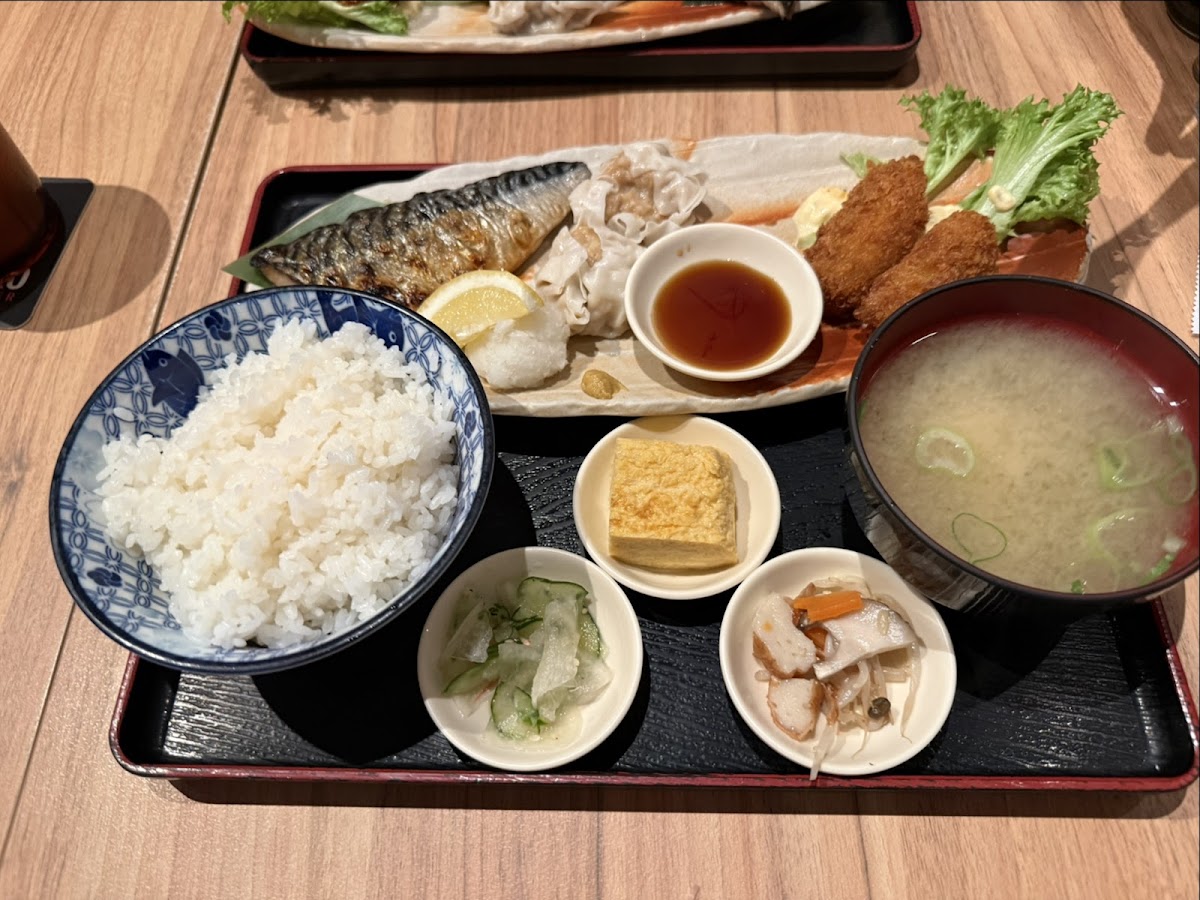
Reserve for Friday and Saturday dinner — this is non-negotiable, the restaurant fills by 7:30pm. The nine-kind sashimi is the must-order dish on every visit. Ask about the Hokkaido uni platter if you are a uni lover. Try the Bansuke himono — it is Niningashi's secret weapon that most first-timers overlook. The Born Gold sake from Fukui is the house favourite. If your group likes to drink, the 150-minute nomihodai at S$55++ is excellent value — but read the rules carefully (the vomit surcharge is real). Sazangaku next door is the same ownership and quality — use it as overflow when Niningashi is full, or for groups larger than 6. Lunch is significantly quieter and cheaper than dinner — the lunch teishoku sets offer great value if you work nearby.
Planning Your Visit to Tanjong Pagar
Tanjong Pagar MRT (East-West Line) is the main access point. Parking at Guoco Tower, International Plaza, 100AM, Icon Village. The area is compact and walkable — most Japanese restaurants within 10 minutes of the MRT.
Editor's Note
Niningashi is not just another izakaya on Craig Road — it is the izakaya that defines the standard against which every other izakaya in Tanjong Pagar is measured. The sashimi is the headliner and deservedly so: the nine-kind assorted platter at S$41.80++ delivers freshness, generosity, and quality that would cost significantly more at a dedicated sushi restaurant. But the real depth of Niningashi reveals itself beyond the sashimi — in the Bansuke himono that most tourists never order, in the sake library that rewards exploration, in the yakitori that arrives with the quiet confidence of a kitchen that has grilled tens of thousands of skewers. The nomihodai is both a great deal and a comedy of Japanese regulatory precision. The atmosphere on a peak evening is electric with the kind of genuine warmth that only comes from a restaurant that has been perfecting the same thing for years. If you eat at one izakaya in Tanjong Pagar, eat at this one. If you eat at two, eat at this one and Sazangaku next door. Either way, order the sashimi.