At a Glance
About Gyutan-Tan
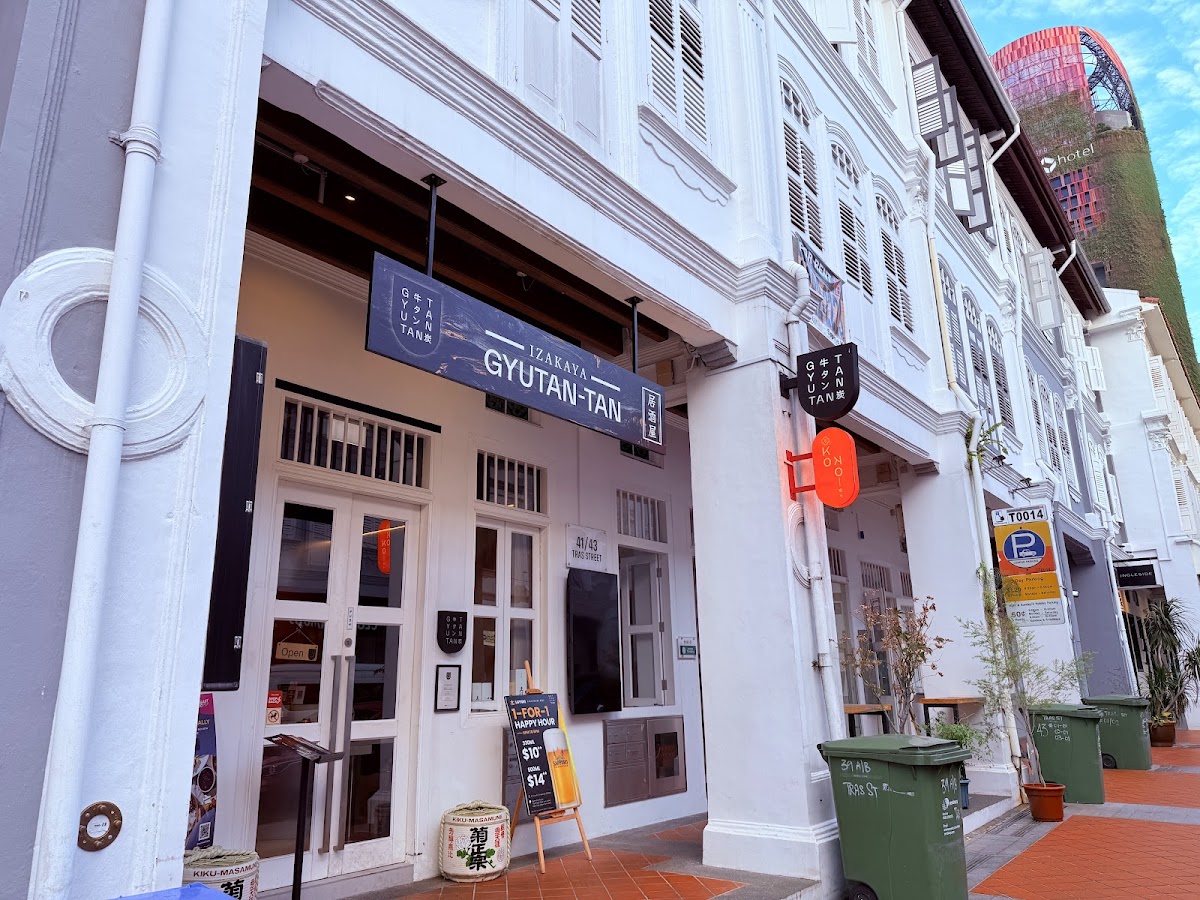
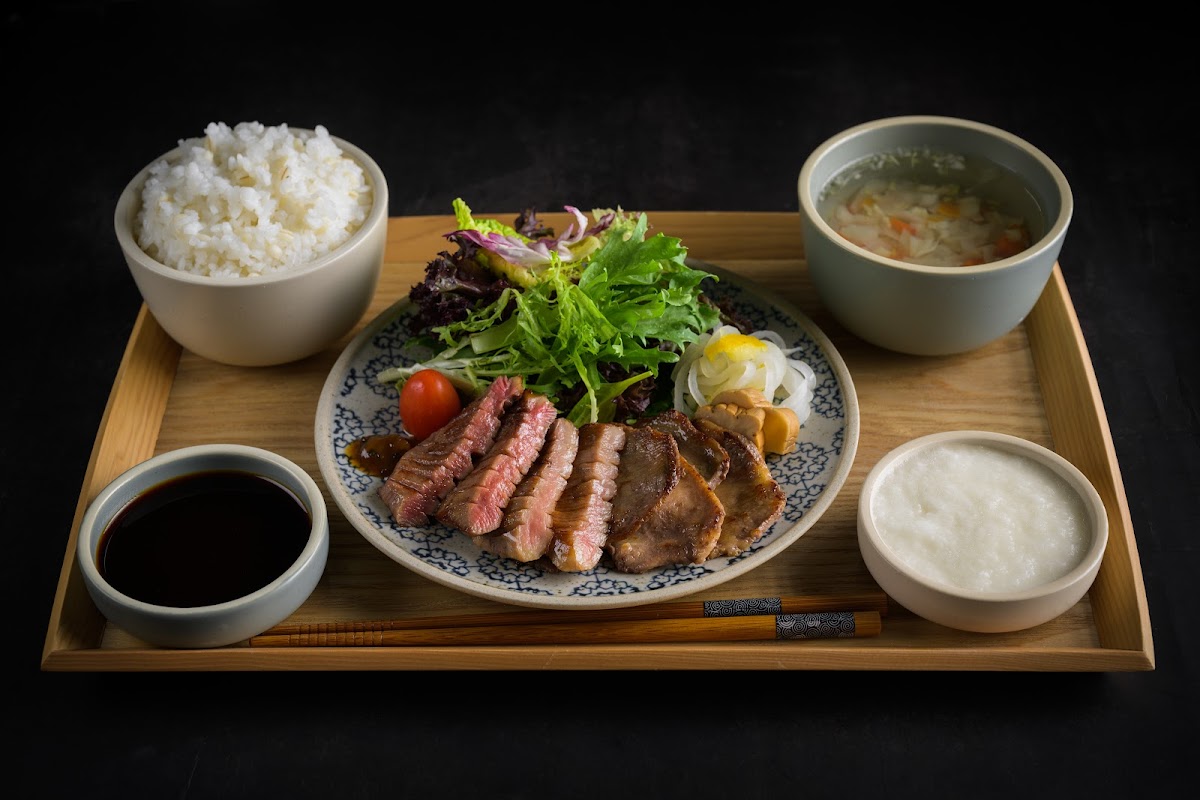
Gyutan-Tan is a restaurant with a singular obsession: beef tongue. Located at 41 Tras Street in the heart of Tanjong Pagar's Japanese dining quarter, it is one of very few restaurants in Singapore dedicated entirely to gyutan — the charcoal-grilled beef tongue that is a beloved specialty of Sendai, the capital of Japan's Miyagi Prefecture. In Sendai, gyutan restaurants are as common as ramen shops, and the dish has a cultural significance that goes far beyond its simple description. Gyutan-Tan brings this tradition to Singapore with remarkable fidelity: each tongue is sliced, seasoned, and grilled over charcoal in the Sendai manner, then served as a teishoku set with the traditional accompaniments of mugi-meshi (barley rice), oxtail soup, and pickled vegetables. It is a complete meal with a history, and every element on the tray has a purpose.
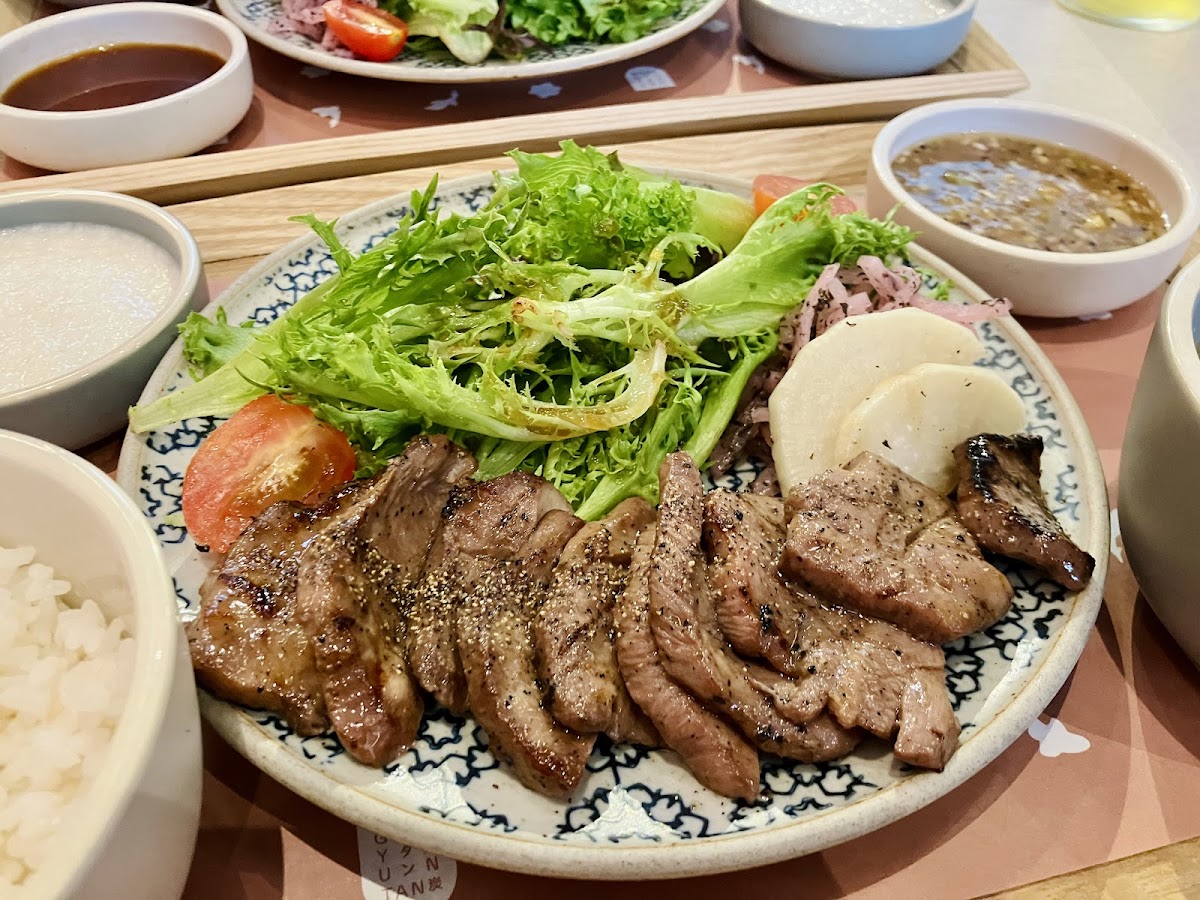
The menu offers different cuts and thicknesses of beef tongue, each providing a distinct eating experience. The regular cut is the entry point — thin slices that cook quickly over charcoal, developing a light char on the edges while remaining tender and juicy within. The premium thick-cut is for those who want more substance — each slice has a satisfying chew and a deeper, more concentrated beefy flavour that comes from the thicker cross-section. The tongue root, when available, is the most prized cut — it comes from the base of the tongue where the muscle is most exercised, resulting in a denser texture and richer flavour that gyutan connoisseurs specifically seek out. All cuts are seasoned simply — salt and pepper or a light tare glaze — because the quality of the beef tongue itself is meant to be the star. The charcoal grill does the rest, adding the smokiness that is inseparable from the Sendai gyutan experience.
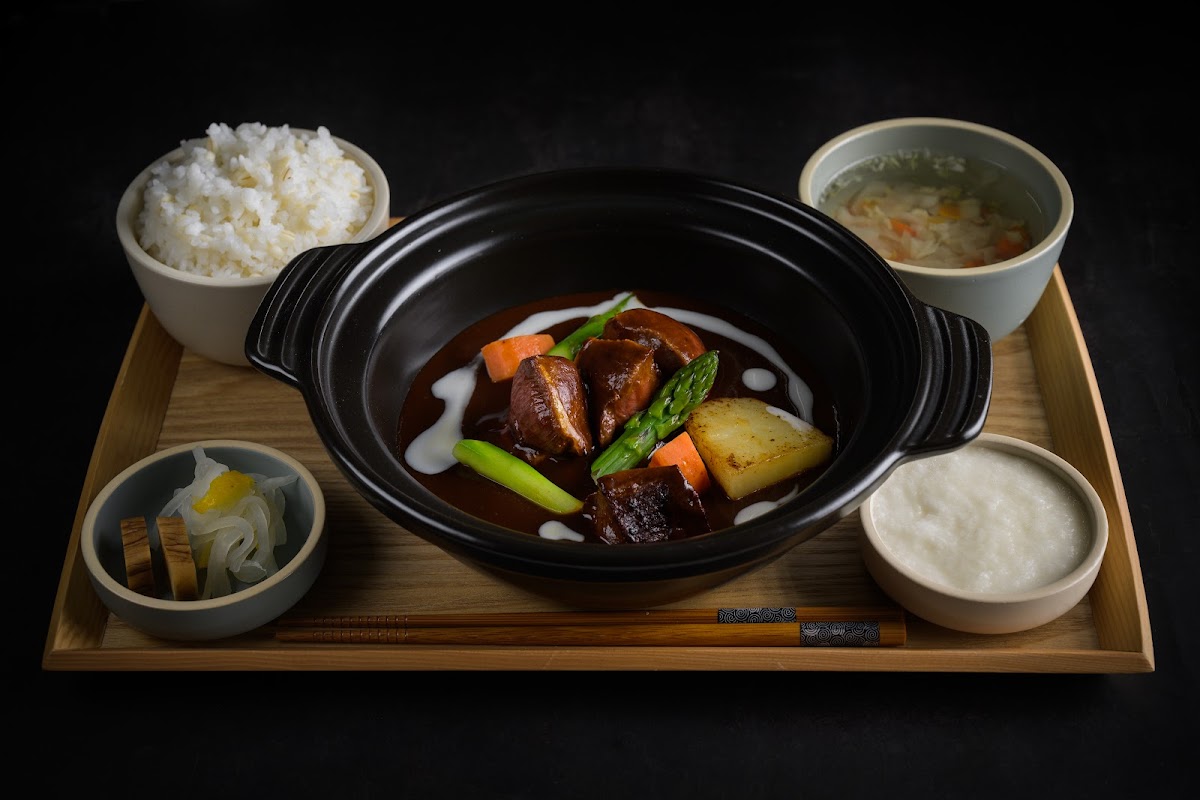
The teishoku format is what elevates gyutan from a simple grilled meat into a proper Japanese meal. The mugi-meshi — rice mixed with barley — is not a random accompaniment but a traditional Sendai pairing: the barley adds a nutty, slightly chewy texture that complements the richness of the tongue, and it is lighter on the stomach than pure white rice. The oxtail soup is the unsung hero of the set — slow-simmered, clear, and deeply savoury, with shreds of oxtail meat that have given up their collagen into the broth. It is the kind of soup that warms from the inside on a rainy Singapore afternoon. The pickled vegetables — usually a combination of cucumber, daikon, and napa cabbage — provide the sharp acidity that cleanses the palate between bites of rich, charcoal-kissed tongue. Together, these four elements create a meal that is far greater than the sum of its parts. This is how gyutan has been eaten in Sendai for decades, and Gyutan-Tan honours that tradition faithfully.
Compass Verdict
Beef tongue (gyutan) specialist — charcoal-grilled to a perfect tenderness that melts on the tongue. Gyutan is a Sendai speciality that few Singapore restaurants execute well. The set meals with barley rice and oxtail soup follow the authentic Sendai format. For adventurous eaters, this is essential.
Recommended For
Menu & Pricing
All sets include mugi-meshi (barley rice), oxtail soup, and pickled vegetables. Prices approximate.
| Item | Description | Price |
|---|---|---|
| Gyutan Teishoku (Regular) | Charcoal-grilled thin-cut beef tongue + barley rice + oxtail soup + pickles | ~S$18 |
| Gyutan Teishoku (Thick-Cut) | Premium thick-sliced beef tongue — more chew, deeper flavour | ~S$25 |
| Gyutan Teishoku (Tongue Root) | Prized tongue root cut — densest texture, richest flavour. Limited. | ~S$30 |
| Mixed Gyutan Set | Combination of regular, thick-cut and tongue root for comparison | ~S$35 |
| Gyutan Curry Rice | Slow-braised beef tongue in Japanese curry over rice | ~S$16 |
| Extra Oxtail Soup | Additional bowl of slow-simmered oxtail soup | ~S$5 |
The Gyutan-Tan Experience
Sendai's Soul Food — Transplanted to Tras Street
In Sendai, gyutan is not exotic — it is everyday comfort food, the dish that salarymen eat for lunch and families order on weekday evenings. The tradition dates to the post-war period when a restaurateur named Keishiro Sano began serving grilled beef tongue as an affordable protein source, pairing it with barley rice and oxtail soup to create a complete, nourishing meal. Over the decades, gyutan evolved into Sendai's most famous culinary export, with dedicated restaurants lining the streets around Sendai Station. Gyutan-Tan brings this tradition to Tras Street with genuine respect for its origins: the tongue is sliced in the Sendai manner, seasoned simply, grilled over charcoal, and served with the same traditional accompaniments. Walking into this small shophouse restaurant on a quiet Tanjong Pagar side street, you could close your eyes and — from the aroma of charcoal-grilled tongue and the sound of sizzling meat — believe you were in a back-alley gyutan-ya near Sendai Station.
The Grill — Salt, Pepper, Charcoal, Nothing More
The philosophy of gyutan grilling is radical simplicity. Unlike yakiniku where sauces, marinades, and dipping condiments play major roles, Sendai-style gyutan relies on nothing more than salt, pepper, and the heat of binchotan charcoal. The tongue is sliced to a precise thickness — thin enough to cook quickly and develop char, thick enough to retain its distinctive chewy texture. On the charcoal, each slice puffs and curls slightly as the fat renders, the edges turning a deep caramel brown while the centre stays pink and juicy. The sound of tongue hitting the grill — a sharp sizzle followed by a rhythmic popping as the fat ignites — is one of those kitchen sounds that triggers immediate hunger. The charcoal does what it always does: provides an even, intense heat that sears the surface without overcooking the interior, and adds a clean smokiness that makes the tongue taste more intensely of itself. No sauce is needed. No garnish is required. The tongue, properly grilled, is complete.
Mugi-Meshi and Oxtail Soup — The Essential Companions
In Sendai, serving gyutan without mugi-meshi and oxtail soup would be like serving sushi without wasabi — technically possible but fundamentally incomplete. The barley rice is not a health food substitution but a deliberate flavour and texture choice: the barley grains pop slightly between your teeth, adding a nutty chewiness that contrasts beautifully with the tender-chewy texture of the tongue. It is also lighter and less sticky than pure white rice, which prevents the meal from feeling heavy despite the richness of the charcoal-grilled meat. The oxtail soup completes the trinity. Made by slow-simmering oxtail bones for hours until the collagen dissolves into the broth, the result is a clear, golden soup with extraordinary depth — savoury, slightly gelatinous, and warming in a way that miso soup cannot quite match. A few shreds of oxtail meat float in each bowl, having given up their essence to the broth. Between bites of charcoal-grilled tongue and spoonfuls of barley rice, a sip of this soup resets the palate and makes the next bite taste just as vivid as the first.
Regular vs Thick-Cut vs Tongue Root — A Texture Journey
The three cuts available at Gyutan-Tan offer three fundamentally different eating experiences from the same ingredient. The regular cut is the classic Sendai style — thin slices that take only seconds on the charcoal, developing a satisfying char while remaining tender. This is the cut to start with and the one most people order repeatedly. The thick-cut is for those who want to experience the tongue's natural chewiness more fully — each slice requires more jaw work, and the flavour is more concentrated because the thicker cross-section retains more juice and fat during grilling. It is a more substantial, meaty experience. The tongue root is the connoisseur's choice — the base of the tongue where the muscle has been most active during the animal's life, resulting in a dense, almost steak-like texture with the deepest beefy flavour of all three cuts. It is limited in quantity because each tongue yields only a small amount of root meat. For a first visit, the mixed set that includes all three cuts is the best investment — it gives you a complete education in gyutan textures and helps you decide which cut to reorder on subsequent visits.
The Lunch Ritual — 30 Minutes of Sendai in the CBD
Gyutan-Tan is perfectly calibrated for a CBD lunch. The teishoku sets arrive quickly — tongue grilled to order takes only a few minutes — and the meal is designed to be satisfying without being so heavy that you need a nap afterwards. The barley rice is lighter than white rice. The oxtail soup provides warmth without bulk. The tongue itself is protein-rich and moderate in portion. You eat well, you eat fast, and you return to your desk feeling nourished rather than bloated. At S$18 for the regular set, this is among the most distinctive and best-value lunch options in the Tanjong Pagar area — a specialist meal with genuine cultural heritage, not a generic bento or sandwich. The regulars at Gyutan-Tan are easy to spot: they arrive at 11:45, order the thick-cut set without looking at the menu, eat in focused silence, and leave with the quiet satisfaction of a ritual observed. If you work within walking distance of Tras Street, this restaurant deserves a place in your lunch rotation.
Practical Information
Sun: Closed (check for updates)
Dietary Information
Tanjong Pagar — Singapore's Japanese Food Capital
The Neighbourhood
Tanjong Pagar holds the highest concentration of Japanese restaurants in Singapore, with over 45 establishments. From Michelin-starred omakase to late-night ramen, this is the most complete Japanese dining neighbourhood in Southeast Asia.
Insider Tips — Dining at Gyutan-Tan
Order the mixed set on your first visit to compare all three cuts. The thick-cut is the most popular among regulars. Ask for extra oxtail soup (S$5) — it is worth every cent. The tongue root sells out quickly on weekends; come early if that is your target. Lunch is quieter and faster than dinner. The gyutan curry rice is a good wet-weather comfort option when you want something different from the charcoal-grilled sets.
Planning Your Visit to Tanjong Pagar
Tanjong Pagar MRT (East-West Line) is the main access point. Parking at Guoco Tower, International Plaza, 100AM, Icon Village. The area is compact and walkable — most Japanese restaurants within 10 minutes of the MRT.
Editor's Note
Gyutan-Tan is one of those rare specialist restaurants that justifies its single-mindedness completely. Beef tongue is all they do, and they do it with the kind of focused expertise that only comes from repetition and genuine love for the craft. The regular teishoku at S$18 is one of the most distinctive lunch experiences in the Tanjong Pagar CBD — a proper Sendai-style gyutan meal with barley rice, oxtail soup, and pickles, prepared with the same care and tradition that you would find in a Sendai gyutan-ya near the station. The thick-cut is the most satisfying for those who appreciate texture, and the tongue root — when available — is a genuine delicacy. The oxtail soup alone is worth the visit; it has the kind of slow-simmered depth that most restaurants cannot be bothered to achieve. If you have never tried gyutan, this is the restaurant to discover it. If you already love gyutan, this is the restaurant that will remind you why.