At a Glance
About Mizuya
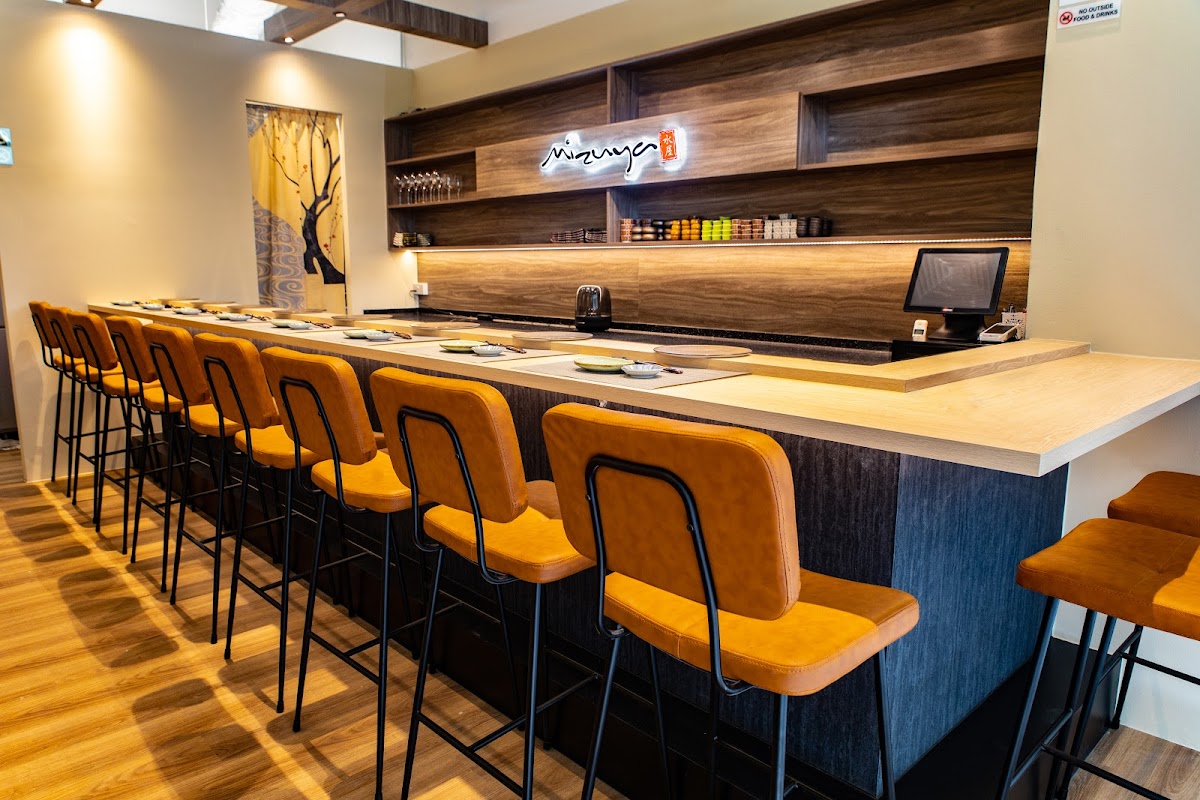
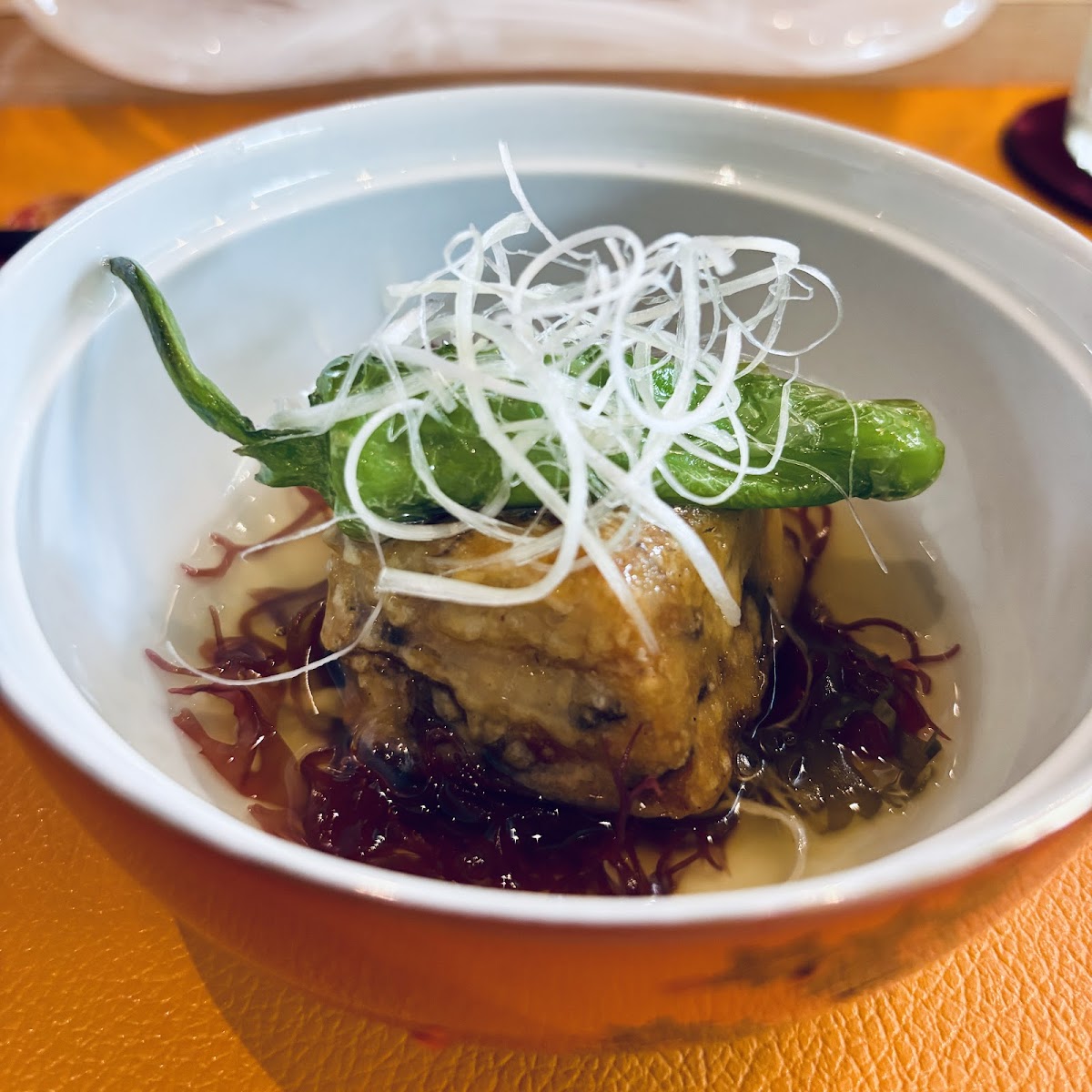
Mizuya is the quiet achiever of Tanjong Pagar's omakase scene. Located at Orchid Hotel on Tras Link — the same hotel building that houses Teppei and several other Japanese restaurants — Mizuya occupies unit #01-12 with an intimate counter where Chef Kenny crafts seasonal omakase that changes with the rhythms of Japan's fishing calendar. While flashier neighbours attract the Instagram crowd with dramatic presentations and celebrity chef names, Mizuya earns its following through the quieter virtues of consistency, seasonal awareness, and the kind of genuine care that regulars notice and appreciate. Each visit brings different preparations depending on what is at peak season: the Ishigaki-Gai (giant stone clam) when it is available, seasonal fish that may not appear on more conservative menus, and creative cooked dishes that demonstrate Chef Kenny's range beyond raw fish.
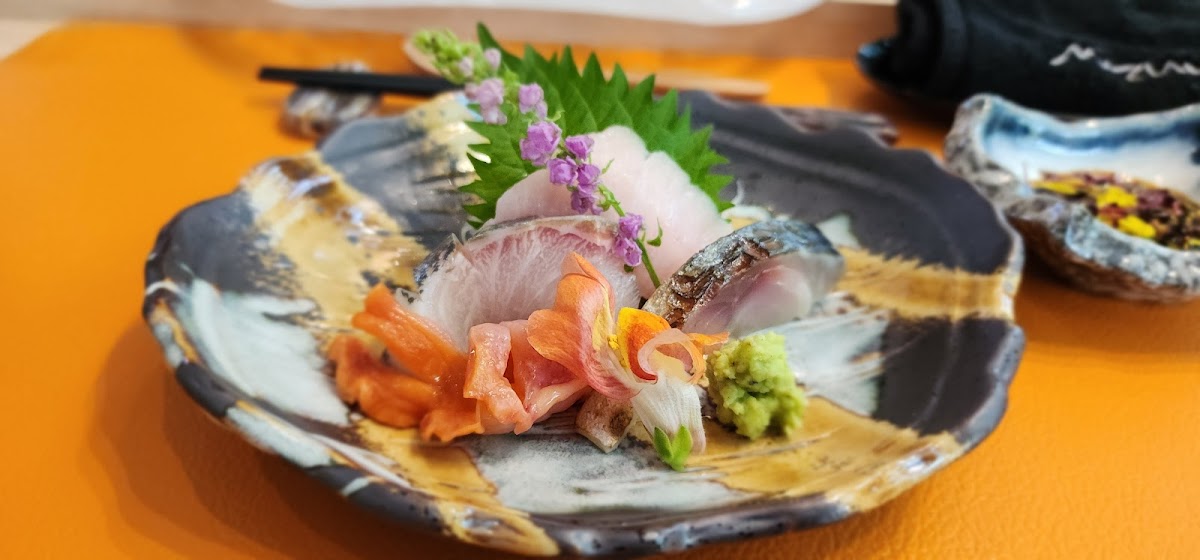
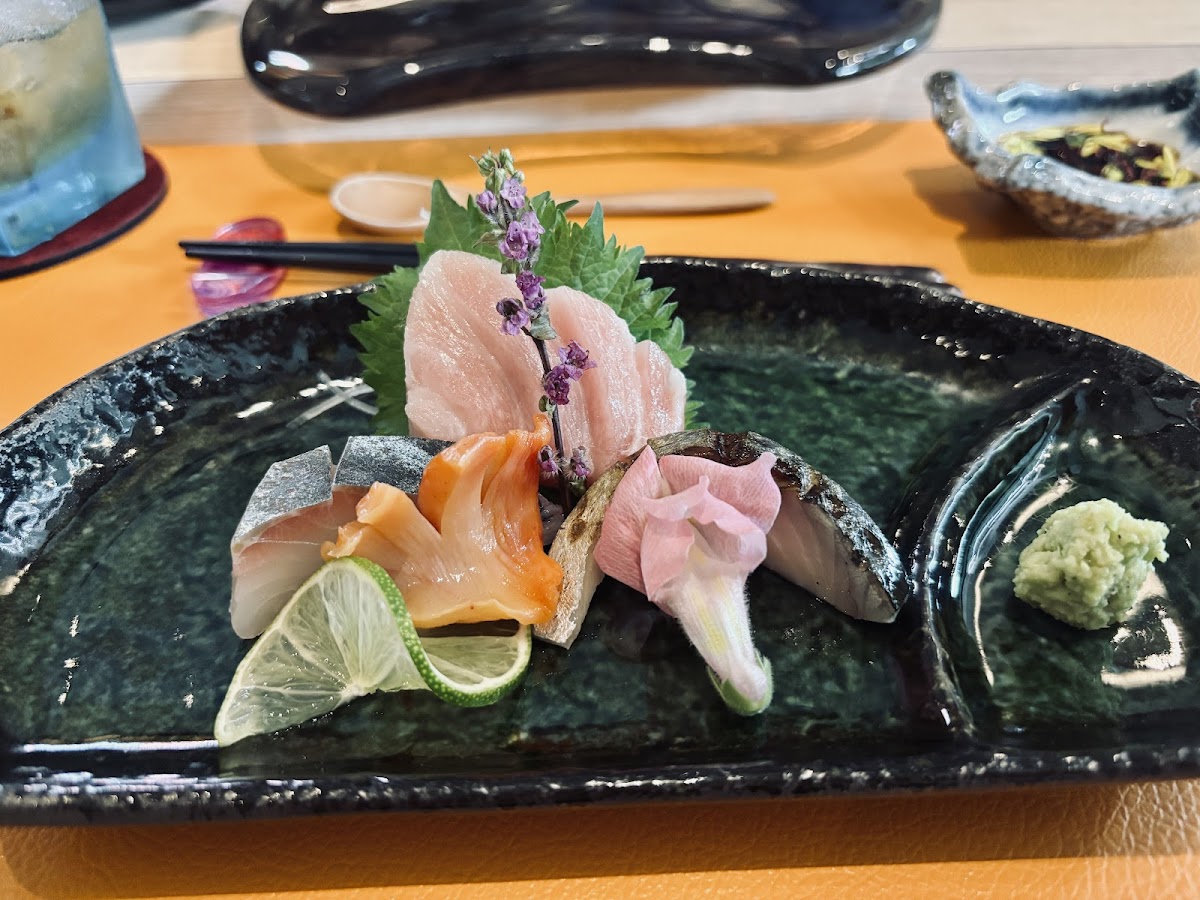
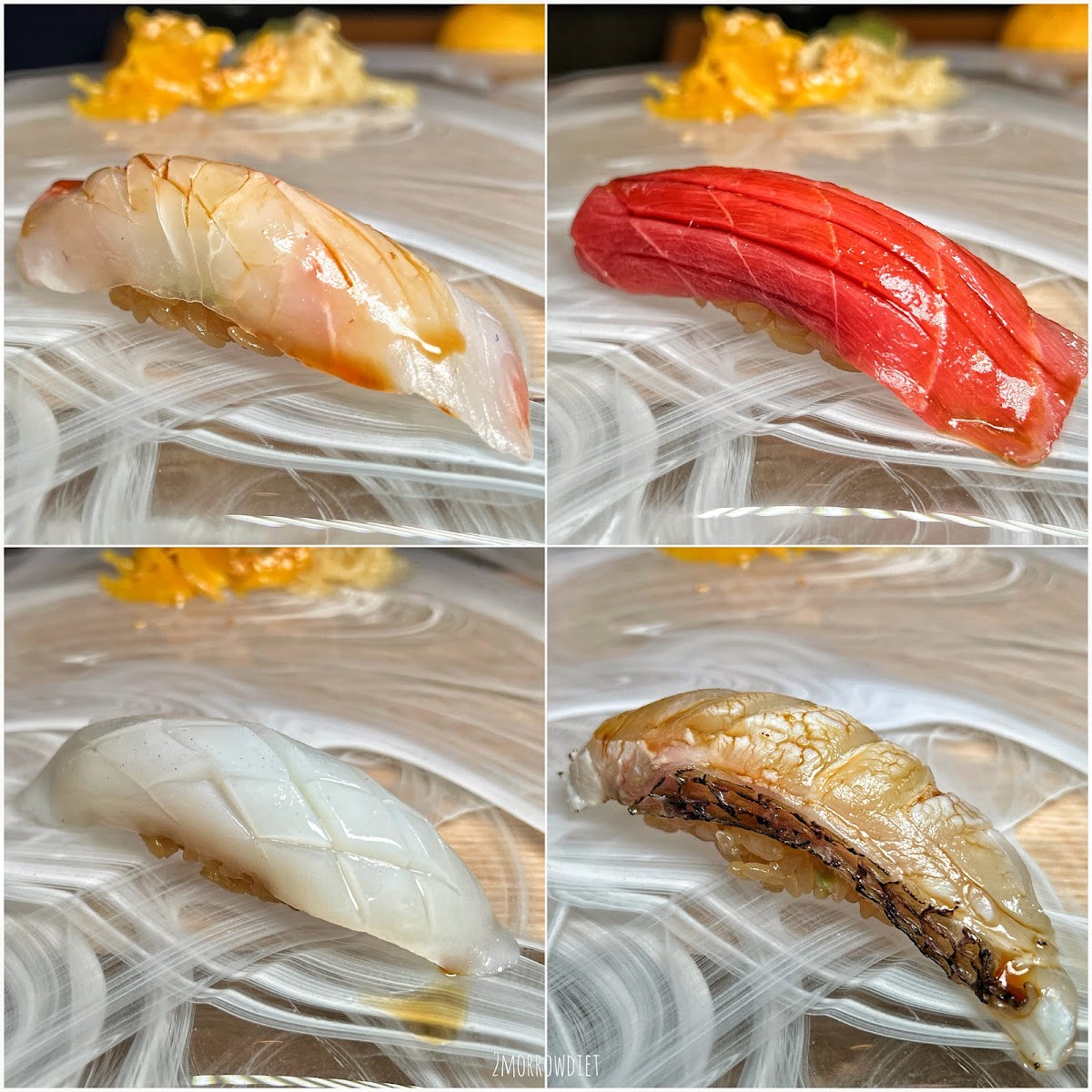
The lunch omakase at S$118++ is structured around a starter and Chef Kenny's special selection of 10 pieces of premium sushi — a format that prioritises the sushi itself, allowing diners to focus on the quality and variety of fish that the chef has sourced that week. For dinner, the S$168++ omakase expands the experience: two seasonal dishes open the meal, followed by thin-sliced white fish, assorted sashimi, and a progression of sushi courses that build from lighter to richer flavours. The drink programme includes a range of sake, whiskey, and beer that Chef Kenny can pair with specific courses if you ask. Mizuya's seasonal approach means that no two visits are identical — a regulars' restaurant in the truest sense, where returning diners are rewarded with new flavours and preparations that reflect whatever Japan's waters and farms are producing at that moment. The current seasonal delicacy when this guide was researched was the Ishigaki-Gai, a giant stone clam prized for its sweet, briny flavour and firm texture — the kind of ingredient that you are unlikely to encounter at restaurants with fixed menus.
Orchid Hotel at 1 Tras Link has quietly become one of Tanjong Pagar's most interesting Japanese dining buildings. Mizuya at #01-12 sits alongside Teppei at the same hotel, creating a small cluster of quality Japanese restaurants within a single building. The proximity to Tanjong Pagar MRT (about three minutes walk) makes it conveniently accessible for the CBD crowd, and the Orchid Hotel location provides a calm, hotel-lobby atmosphere that contrasts pleasantly with the bustle of the nearby Tras Street shophouses. For diners who appreciate seasonal Japanese cuisine but find the S$300+ price points of Tanjong Pagar's premium omakase counters too steep for regular visits, Mizuya's S$118++ lunch offers a genuine seasonal omakase experience at a price that allows monthly visits without financial strain. The dinner at S$168++ adds enough courses and variety to justify a special-occasion visit. In both cases, the intimate counter setting ensures personal attention and the ability to ask Chef Kenny about the specific fish and seasonal ingredients he is working with that day — a level of engagement that makes the omakase experience educational as well as delicious.
Recommended For
Menu & Pricing
Seasonal omakase — menu changes regularly. Prices subject to service charge and GST.
| Item | Description | Price |
|---|---|---|
| Lunch Omakase | Starter + Chef Kenny's selection of 10 premium sushi pieces | S$118++ |
| Dinner Omakase | 2 seasonal dishes, thin-sliced white fish, assorted sashimi, sushi courses, more | S$168++ |
| Sake / Whiskey / Beer | Curated selection to pair with omakase courses | By glass/bottle |
The Mizuya Experience
Orchid Hotel — The Japanese Restaurant Building
Orchid Hotel at 1 Tras Link occupies a special place in Tanjong Pagar's Japanese dining geography. This mid-range hotel, positioned between Tanjong Pagar MRT and the shophouses of Tras Street, has become an accidental cluster of quality Japanese restaurants. Teppei occupies one unit, Mizuya another, and the ground floor houses additional dining options that draw the CBD lunch and dinner crowds. For Mizuya, the hotel setting provides a calm, air-conditioned environment that is a welcome contrast to the sometimes-cramped shophouse restaurants on Tras and Craig Roads. The counter is intimate without being claustrophobic, and the hotel's proximity to the MRT station makes it one of the most accessible omakase destinations in the area.
The Seasonal Calendar — Why No Two Visits Are the Same
Mizuya's commitment to seasonal ingredients means the menu is in constant, gentle evolution. In winter months, you might encounter rich, fatty fish that have built up stores for cold waters — buri (yellowtail) at its peak fattiness, or shirako (cod milt) with its creamy, divisive texture. Spring brings lighter, more delicate offerings — shirauo (whitebait), sakura ebi (cherry blossom shrimp), and the first hints of uni as the waters warm. Summer is the season of clean, bright flavours — anago (conger eel), awabi (abalone), and the kind of light, refreshing preparations that suit Singapore's tropical climate. And autumn delivers the richest harvest — sanma (Pacific saury), matsutake mushrooms, and katsuo (bonito) at its seasonal peak. Chef Kenny's menu follows this calendar with genuine commitment, which means a diner who visits quarterly will experience four fundamentally different meals over the course of a year. The Ishigaki-Gai (giant stone clam) that was featured during our research period is an example of the kind of rare, seasonal ingredient that makes each visit feel like a discovery.
S$118 Lunch — The Monthly Omakase Habit
Mizuya's lunch omakase at S$118++ occupies the sweet spot for diners who want genuine seasonal omakase as a regular habit rather than a rare splurge. At this price, you receive a starter and 10 pieces of premium sushi — enough substance and variety to constitute a proper omakase experience, without the extended courses and higher price tag of a dinner service. For CBD workers within walking distance of Orchid Hotel, this means a monthly omakase lunch is financially viable in a way that S$250+ dinner omakases are not. And because the menu changes seasonally, each monthly visit delivers a different selection of fish and preparations, preventing the repetition that can make regular restaurant visits feel routine. This is Mizuya's quiet genius: it makes omakase dining accessible and repeatable without sacrificing the seasonal authenticity that defines the format.
Chef Kenny — The Seasonal Storyteller
Chef Kenny's approach to omakase is that of a storyteller who uses fish and seasons as his narrative medium. Each course is not just a piece of sushi but a chapter in a seasonal story — this fish is at its peak now because of water temperature changes in Hokkaido; this preparation uses a technique that is traditionally associated with this time of year; this ingredient will be gone in two weeks, so this is your only chance to taste it until next year. For diners who engage with the counter experience, asking questions and showing interest, Kenny is generous with information and context that transforms a meal from a sequence of fish into an education in Japanese seasonal cuisine. This educational dimension is what makes Mizuya particularly valuable for diners who are developing their understanding of omakase — you leave not just full but more knowledgeable about fish, seasons, and the philosophy behind Japan's approach to ingredient-driven cooking.
The Orchid Hotel Cluster — Plan Your Evening
The Orchid Hotel's collection of Japanese restaurants creates a practical advantage for diners: flexibility. If Mizuya is fully booked, Teppei is next door with its own omakase and izakaya offerings. If you are dining in a group where some members want omakase and others want a more casual izakaya experience, the proximity of multiple options within the same building means everyone can eat what they want and meet for drinks afterwards. The hotel's location on Tras Link also positions it perfectly for a post-dinner walk through the Tras Street and Craig Road shophouse restaurants — you can check out the other Japanese dining options, stop for a drink at one of the wine bars, or simply enjoy the evening atmosphere of Tanjong Pagar's most concentrated dining strip. Mizuya's omakase, with its moderate pricing and consistent quality, serves as an excellent anchor for a broader Tanjong Pagar Japanese dining evening.
Practical Information
Dietary Information
Tanjong Pagar — Singapore's Japanese Food Capital
The Neighbourhood
Tanjong Pagar holds the highest concentration of Japanese restaurants in Singapore, with over 45 establishments. From Michelin-starred omakase to late-night ramen, this is the most complete Japanese dining neighbourhood in Southeast Asia.
Insider Tips — Dining at Mizuya
The lunch omakase at S$118++ is the sweet spot — 10 pieces of premium sushi is substantial. Ask Chef Kenny about the seasonal specials — he is generous with information. Teppei is next door if Mizuya is full. The seasonal approach means every visit is different — come quarterly for the full annual cycle. Orchid Hotel location is calm and well-air-conditioned compared to shophouse restaurants.
Planning Your Visit to Tanjong Pagar
Tanjong Pagar MRT (East-West Line) is the main access point. Parking at Guoco Tower, International Plaza, 100AM, Icon Village. The area is compact and walkable — most Japanese restaurants within 10 minutes of the MRT.
Editor's Note
Mizuya is the omakase that rewards loyalty. While many Tanjong Pagar omakase restaurants offer a fixed format that delivers the same experience regardless of when you visit, Mizuya's genuine commitment to seasonal ingredients means every visit is different. The lunch at S$118++ — 10 pieces of premium sushi curated by Chef Kenny based on what is at peak season — is the ideal format for a regular omakase habit: affordable enough for monthly visits, varied enough that repetition never sets in, and intimate enough that the chef remembers your preferences from last time. The dinner at S$168++ expands the experience with additional courses that showcase Chef Kenny's range beyond sushi. The Orchid Hotel location provides a calm, practical setting that is easy to reach from the MRT and comfortable throughout the meal. For diners who have explored Tanjong Pagar's better-known omakase options and want something quieter, more personal, and genuinely seasonal, Mizuya is a discovery worth making.