ChainWorld-FamousHakata Heritage

Ippudo

📍 One Holland Village #02-27 🍜 Hakata Tonkotsu · Since 1985 💰 $$$ · S$16–22/person ⭐ 4.1 Google Rating

Highlights

Heritage
Fukuoka 1985 · 270+ outlets · 15 countries
Signature
Shiromaru Classic · Akamaru Modern · 18hr broth
Noodles
Ultra-thin Hakata · choose firmness · kaedama refill

About

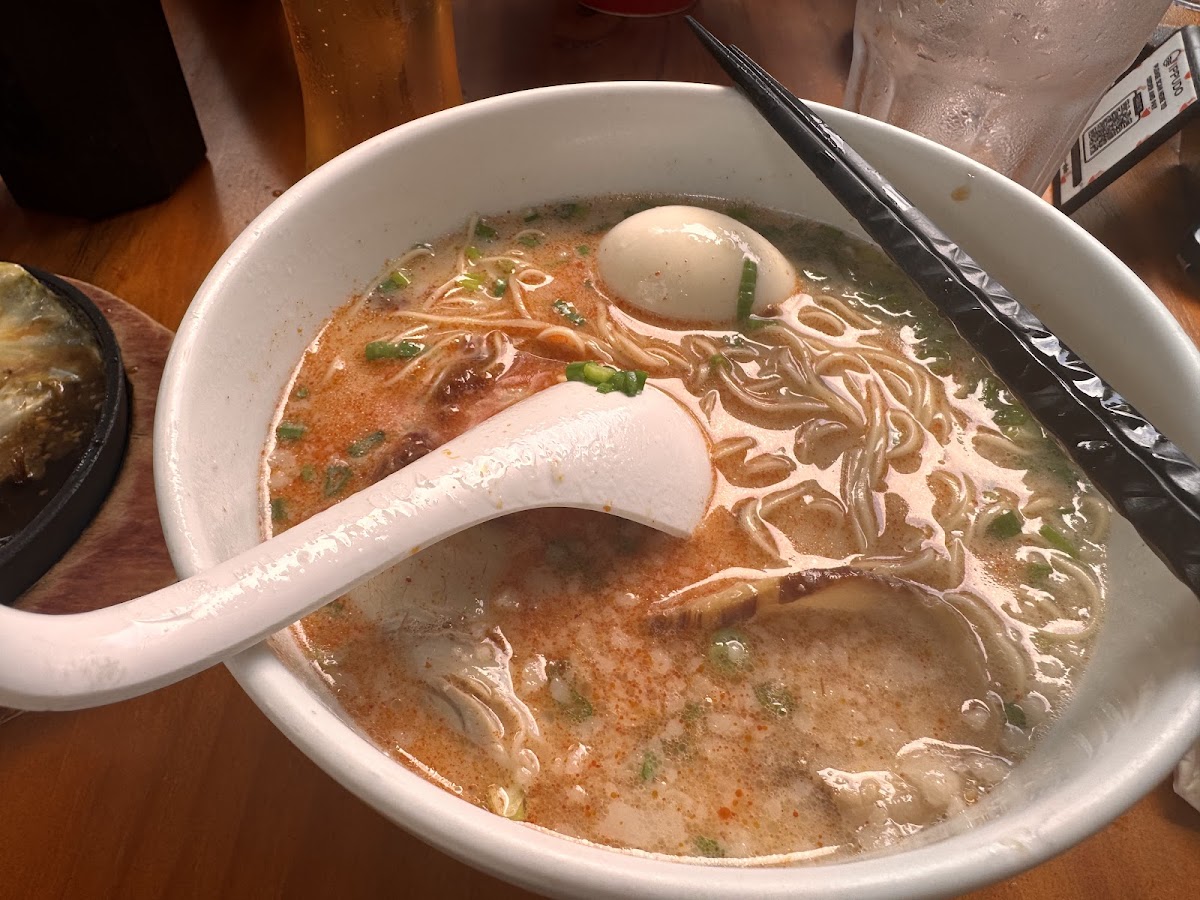
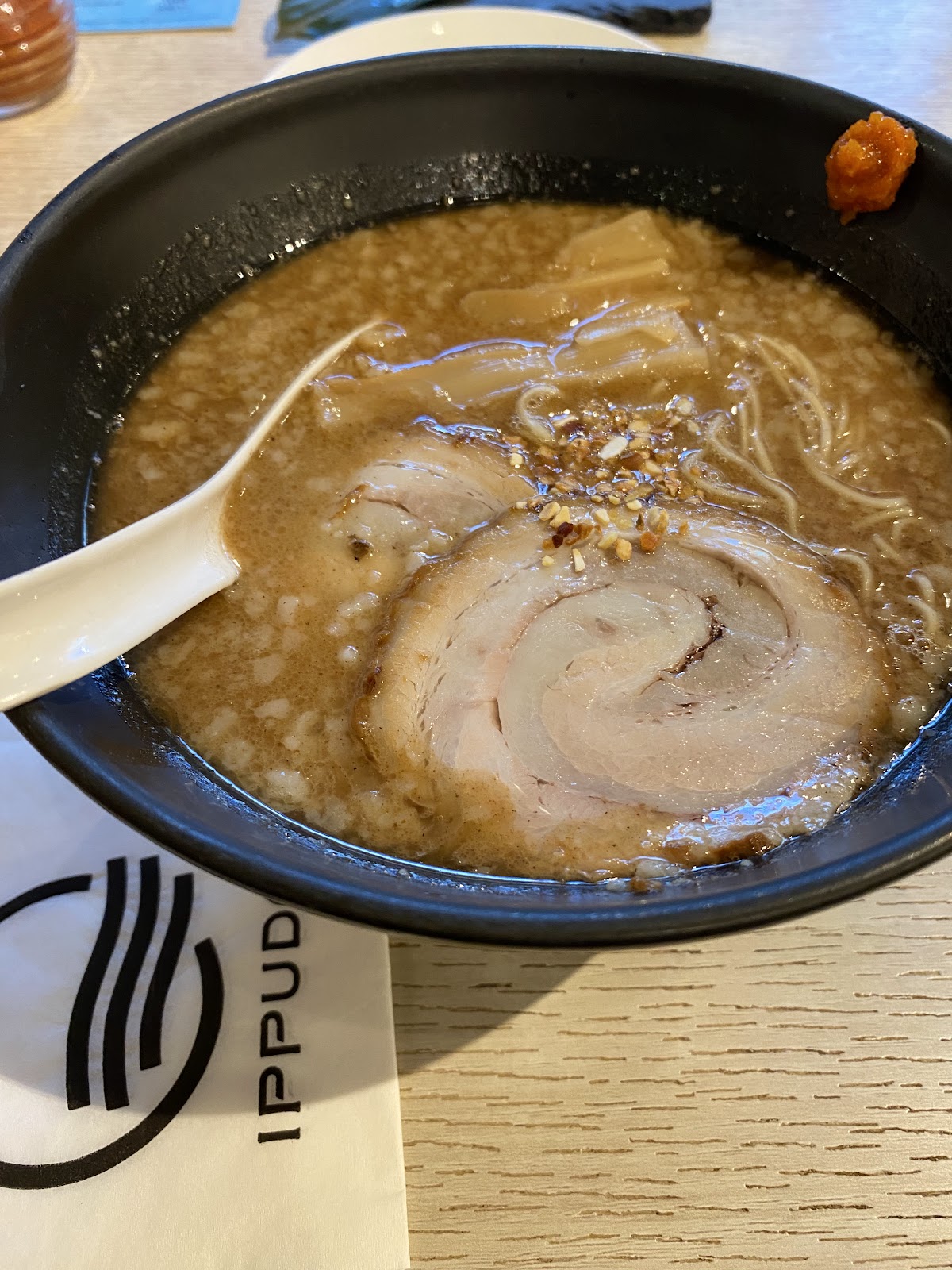
Ippudo (一風堂) is the world's most globally recognized ramen brand. Founded in 1985 in Fukuoka by Shigemi Kawahara — the 'Ramen King' who elevated Hakata tonkotsu from street food to culinary art — Ippudo now operates 270+ outlets across 15 countries. The One Holland Village outlet (#02-27) brings 18-hour pork bone broth, ultra-thin Hakata noodles, and signature Pork Buns to Holland Village's sophisticated dining scene. Two bowls define Ippudo: the Shiromaru Classic (白丸, from S$16.80) — the original 1985 recipe, pure silky tonkotsu — and the Akamaru Modern (赤丸, from S$17.80), which adds miso paste and garlic oil for a bolder, contemporary flavour. The Karaka-men (from S$17.80) brings spice via chilli paste. All noodles are ultra-thin Hakata style with customisable firmness: futsu (normal), kata (firm), or barikata (extra firm). Kaedama (noodle refill, S$3) extends the experience.

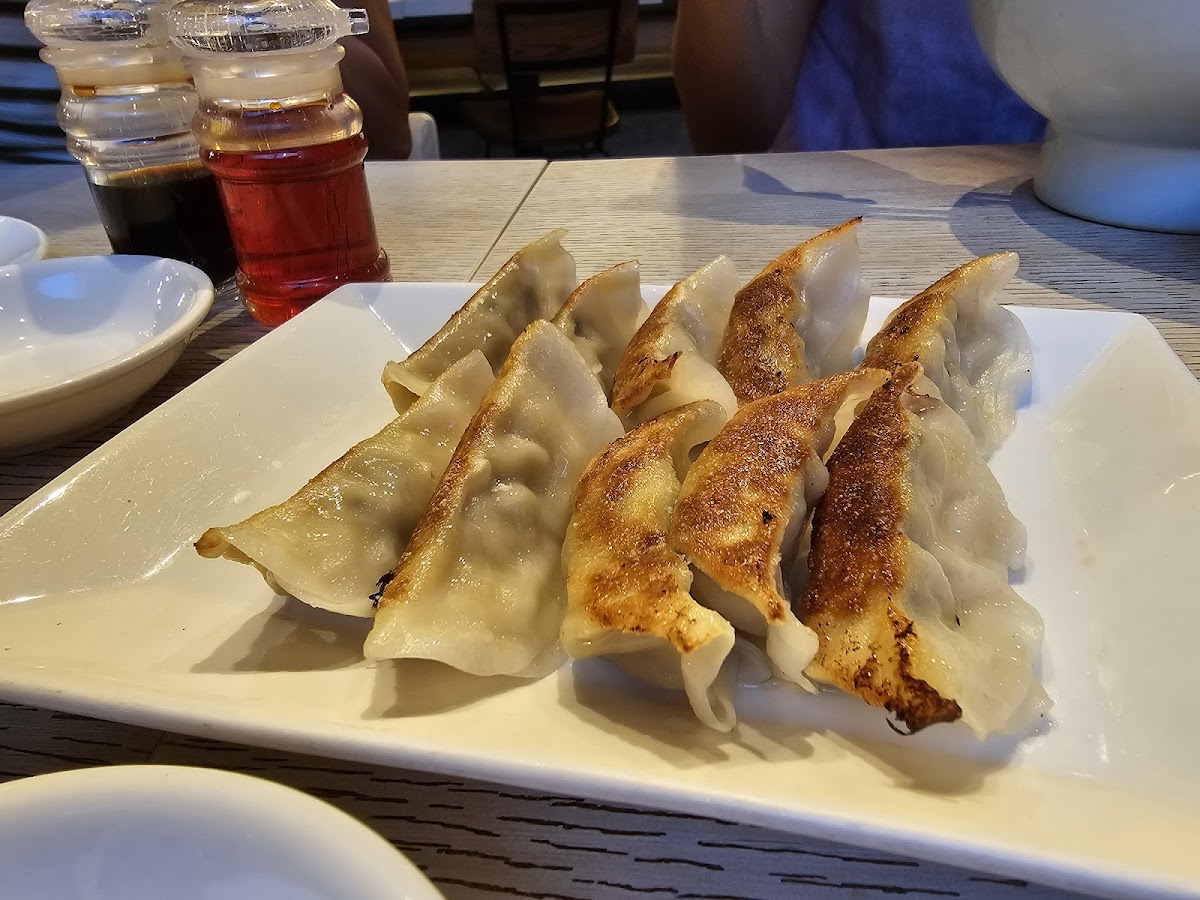
The broth is Ippudo's soul — pork bones simmered at high heat for 18+ hours until collagen dissolves into thick, creamy, milky-white soup. This is Hakata tonkotsu at its purest: silky rather than heavy. The Pork Buns (S$7.80 for 2) — steamed buns with braised pork belly and lettuce — are as iconic as the ramen itself and serve as the perfect starter. Hakata-style gyoza (S$7.80) and seasonal specials round out the menu. The Holland Village location offers both counter and table seating in a sleek modern interior, making it suitable for solo ramen sessions, date nights, and group dining. Combined with Sanpoutei Ramen (Niigata shoyu, 3 min walk), Holland Village offers the most complete ramen experience in Singapore outside the CBD — two world-class Japanese ramen traditions within walking distance.

Recommended For

Ramen Lovers Date Night Tonkotsu Fans

Menu & Pricing

* Prices subject to GST + service charge. Menu may vary.

Practical Info

Location
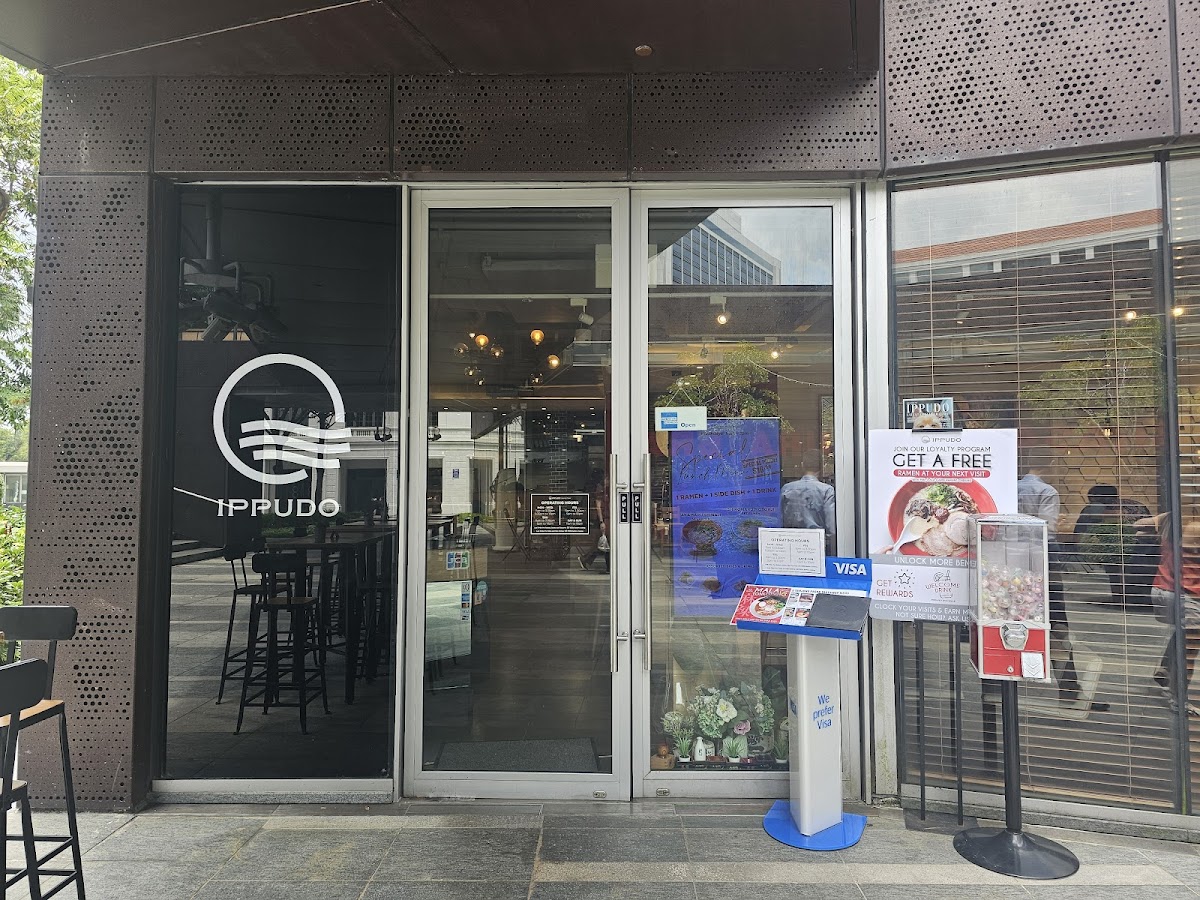
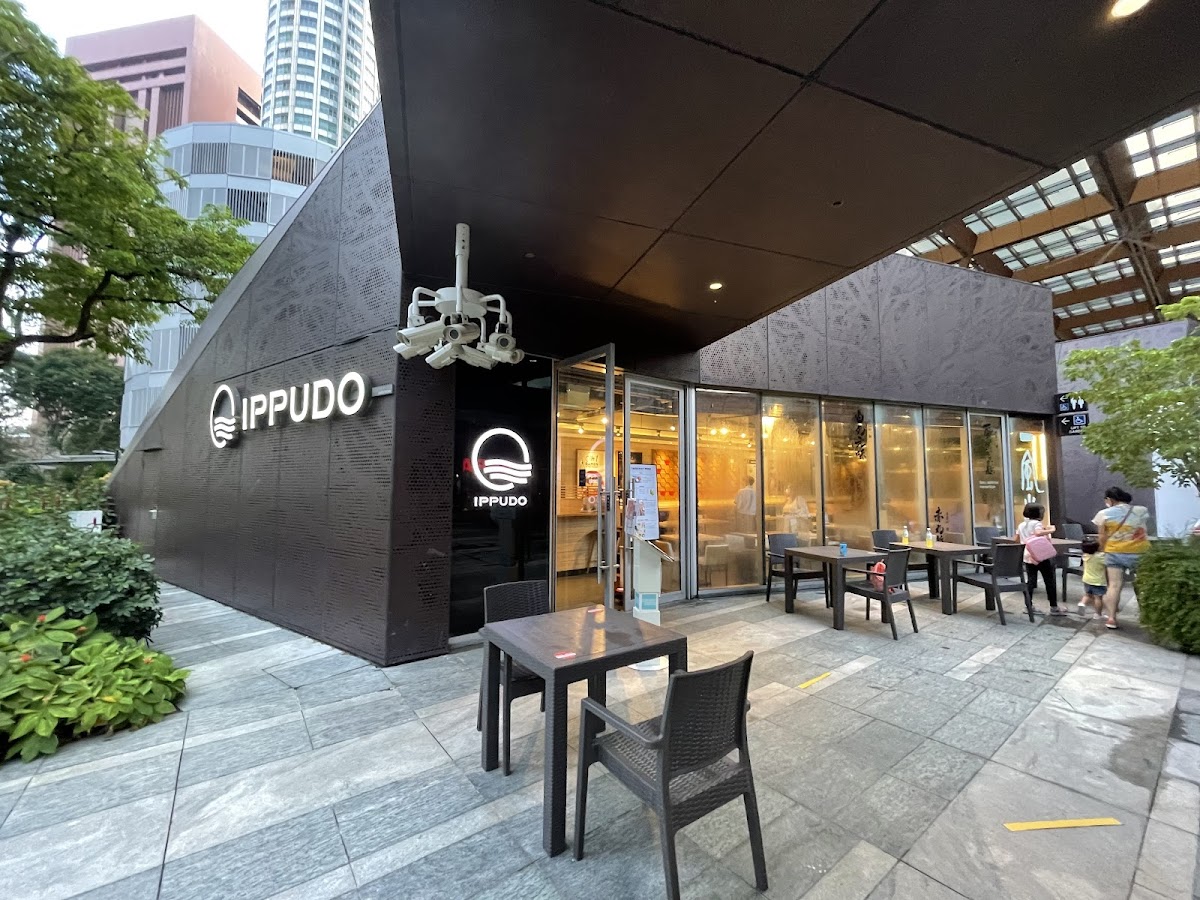
One Holland Village, 7 Holland Village Way, #02-27, Singapore 275748
Hours
Daily: 11:30am – 10pm
MRT
Holland Village MRT (CC21) — 5 min walk
Reservation
Walk-in or via Chope
Payment
Cash, cards, PayNow

Dietary Info

Not Halal Pork-based broth & dishes

Your Visit

1

Shiromaru vs Akamaru

First visit: Shiromaru Classic (S$16.80) — pure 1985 tonkotsu. Choose kata noodles. Add Pork Buns (S$7.80). Order kaedama (S$3) when noodles run out. Second visit: Akamaru Modern — miso and garlic oil transform the experience. If you like bold: Akamaru. If you like pure: Shiromaru.

2

Ippudo vs Sanpoutei

Both at Holland Village, 3 min walk apart. Ippudo: Hakata tonkotsu (creamy, rich, opaque S$16-22). Sanpoutei: Niigata shoyu (clear, refined, sardine S$14-20). Different schools of ramen. Try both.

Photos
Ippudo photo 1Ippudo photo 2Ippudo photo 3Ippudo photo 4Ippudo photo 5Ippudo photo 6

Map

Editor's Note

Our honest take

Ippudo at One Holland Village needs no introduction — world's most famous ramen chain with quality that matches the reputation. The Shiromaru Classic remains one of Singapore's finest tonkotsu bowls. Combined with Sanpoutei 3 minutes away, Holland Village offers the best neighbourhood ramen experience in Singapore.

Compare: Ramen at Holland Village

RestaurantPrice/PaxSpecialtyBest For
IppudoS$16–22Hakata tonkotsuRich, creamy
SanpouteiS$14–20Niigata shoyuClear, refined
Advertisement

Similar in Holland Village

Ippudo: The Ramen King's Legacy

Shigemi Kawahara founded Ippudo in 1985 in Fukuoka's Daimyo district. His revolution: elevate tonkotsu from street food to refined dining. He won TV Tokyo's 'Ramen King' competition, bringing national attention. By the 2000s, Ippudo expanded internationally — New York, London, Sydney, Singapore. Today 270+ outlets in 15 countries. The Singapore operations maintain the same 18+ hour broth standards across every outlet. The One Holland Village location joins Robertson Quay, Tanjong Pagar, Shaw Centre, and Mandarin Gallery as part of Singapore's Ippudo network.

The Science Behind 18-Hour Tonkotsu Broth

Ippudo's broth is not simply boiled pork bones — it is a carefully engineered extraction process that takes a minimum of 18 hours. The science works like this: pork femur bones and skull bones are selected for their high collagen and marrow content. These are blanched first (briefly boiled and rinsed) to remove impurities that would cloud the broth with unpleasant flavours. Then the clean bones go into a large pot of fresh water and are brought to a vigorous, rolling boil — not a gentle simmer. This high heat is critical: it emulsifies the fat and collagen into the water, creating the distinctive opaque, milky-white appearance that defines Hakata tonkotsu. Over 18+ hours, the collagen gradually dissolves into gelatin, creating a broth with an almost viscous, lip-coating richness that feels silky on the tongue. The fat content creates a sheen on the surface. The marrow adds depth and umami. The result is a soup that is simultaneously rich and clean — intense pork flavour without the heaviness you might expect. Ippudo's consistency across 270+ outlets worldwide is achieved through standardised bone sourcing, water quality control, temperature monitoring, and timing protocols that ensure every bowl meets the same standard whether you are in Fukuoka, New York, or Holland Village. This industrial precision applied to an artisanal product is what makes Ippudo unique in the global ramen landscape — it is the Louis Vuitton of ramen: luxury quality at scale.

Holland Village Japanese Dining Complete Map

Holland Village has emerged as Singapore's premier neighbourhood for Japanese dining outside the CBD. Here is the complete 2026 map. At One Holland Village (7 Holland Village Way): Ippudo #02-27 (Hakata tonkotsu ramen S$16-22), Sushi Tei #03-19/20 (comprehensive sushi 370+ dishes S$12-30), Matsukiya #03-21 (binchotan yakitori S$15-30), Gyukatsu Kyoto Katsugyu #02-46 (beef cutlet S$25-55), Tsujiri Premium #02-25/26 (Kyoto matcha café S$8-20), Warabimochi Kamakura #01-54 (Japanese mochi desserts S$5-16), Hoshino Coffee (soufflé pancakes, omurice), Yatsudoki #01-22/23 (Chateraise premium sweets), Ginkyō by Kinki #03-01 (modern Japanese fusion). On Holland Avenue: Sanpoutei Ramen 253 Holland Ave #01-01 (Niigata shoyu ramen S$14-20). At Raffles Holland V: Sushi Zanmai #03-04 (affordable Malaysian-Japanese sushi). This gives Holland Village 11+ Japanese dining options — covering ramen, sushi, beef cutlet, yakitori, matcha, mochi desserts, pancakes, and modern fusion. No other suburban neighbourhood in Singapore matches this concentration and quality of Japanese dining. The Holland Village MRT (CC21) on the Circle Line connects the area to Buona Vista, one-north, and the CBD, making it accessible from across Singapore.

Hakata vs Niigata: Two Ramen Philosophies

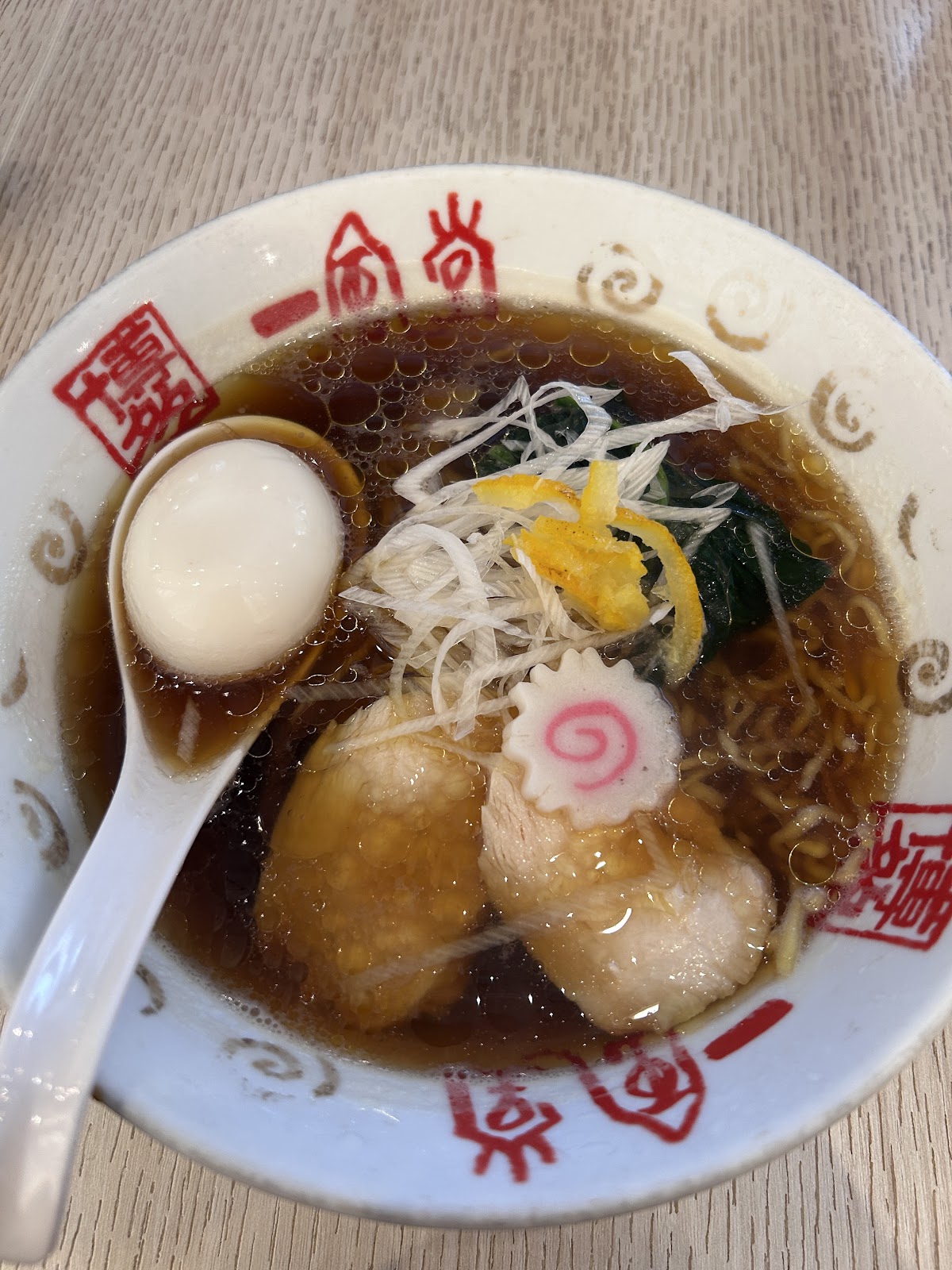
The Holland Village ramen landscape presents a rare opportunity to experience two fundamentally different Japanese ramen philosophies side by side. Hakata tonkotsu (represented by Ippudo) is the maximalist approach: pork bones are boiled violently for 18+ hours to extract every ounce of collagen, fat, and flavour, creating a thick, opaque, creamy white soup that coats every strand of ultra-thin noodle. The result is rich, bold, and unapologetically indulgent. The noodles are deliberately thin so they cook in seconds and can be eaten quickly — in Hakata's street food culture, speed was essential. Toppings are minimal: chashu, nori, spring onion, sesame. The broth does all the work. Niigata shoyu (represented by Sanpoutei) is the refined counterpoint: a clear amber broth built on chicken, pork bone, and crucially two types of dried sardines that add an oceanic umami impossible to achieve with pork alone. The noodles are thicker, chewier, designed to be savoured rather than slurped in haste. The broth is transparent — you can see through it — yet carries extraordinary depth of flavour. Where Hakata hits you with immediate richness, Niigata reveals its complexity gradually, layer by layer. Neither is superior — they represent different regional traditions shaped by geography, climate, and local ingredients. Hakata sits on Kyushu's western coast, where pork has been the primary protein for centuries. Niigata faces the Sea of Japan, where sardines and seafood are abundant. Having both within 3 minutes walk in Holland Village is a privilege that most ramen lovers worldwide would envy.

Noodle Firmness Guide

At Ippudo, noodle firmness is not a trivial choice — it fundamentally changes the eating experience. Yawata (soft): the noodles are fully cooked and tender, absorbing maximum broth. Best for those who prefer a softer, more comforting texture. Futsu (normal): the standard firmness, offering a balanced experience between chew and broth absorption. This is what most first-timers should choose. Kata (firm): the noodles retain a slight bite and springiness. They hold their texture longer, making this ideal for slower eaters. This is the most popular choice among Ippudo regulars. Barikata (extra firm): the noodles are barely cooked, with a pronounced snap and chew. They resist broth absorption, maintaining their distinct texture throughout the meal. This is the purist Hakata choice — the way ramen was meant to be eaten in Fukuoka street stalls where speed was essential. The kaedama tradition exists precisely because of this firmness culture: thin Hakata noodles soften quickly, so you eat fast, then refill.