Tsukada Nojo
At a Glance
About Tsukada Nojo
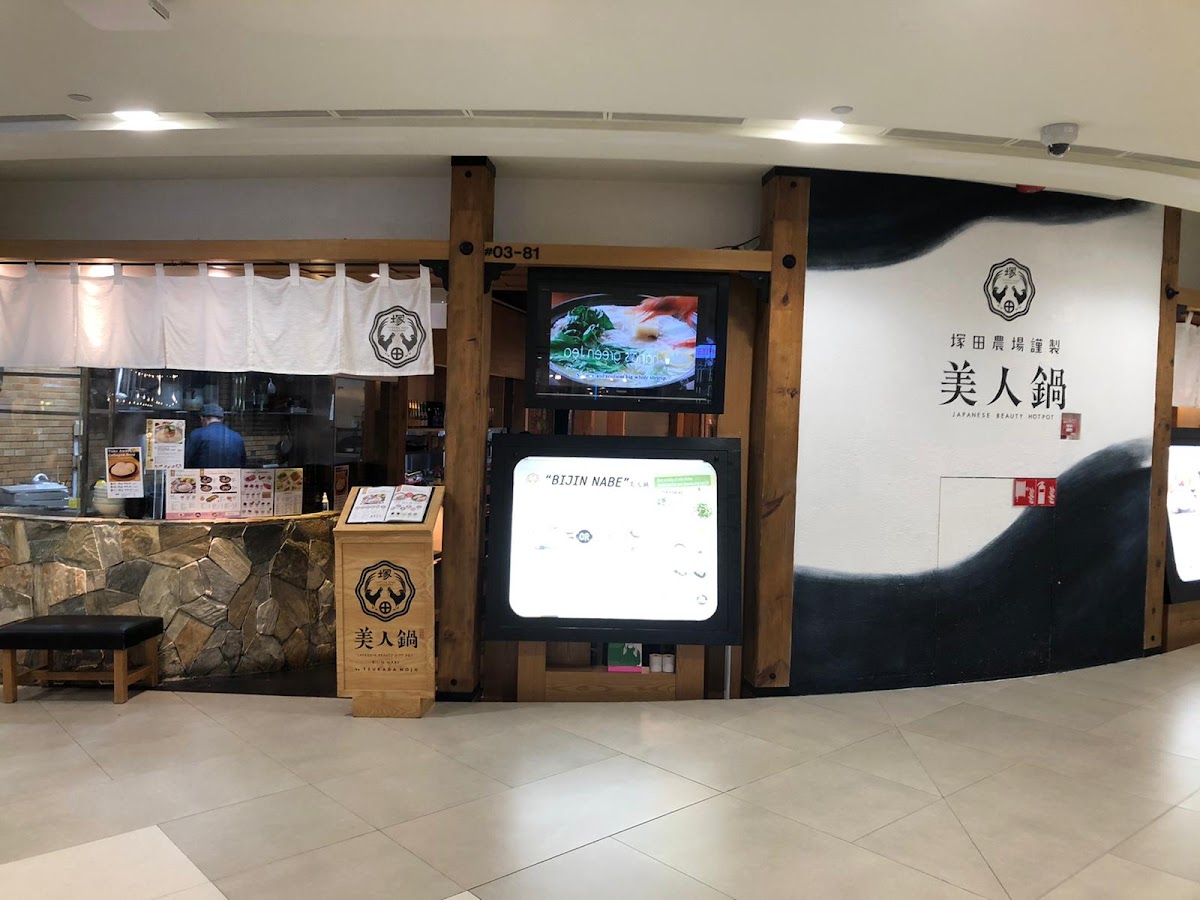
Tsukada Nojo (塚田農場) brings a unique Japanese dining concept to Singapore's Chinatown: collagen-rich hotpot designed to nourish from the inside out. Part of Japan's AP Company restaurant group — which operates over 200 outlets across Japan under various brands — Tsukada Nojo's Chinatown Point location at #02-37 is one of the most distinctive Japanese dining experiences in the area. The restaurant's farm-to-table philosophy centres on Jidori chicken (地鶏) from Miyazaki Prefecture — a premium free-range breed that is the poultry equivalent of wagyu beef, prized for its superior flavour and texture.
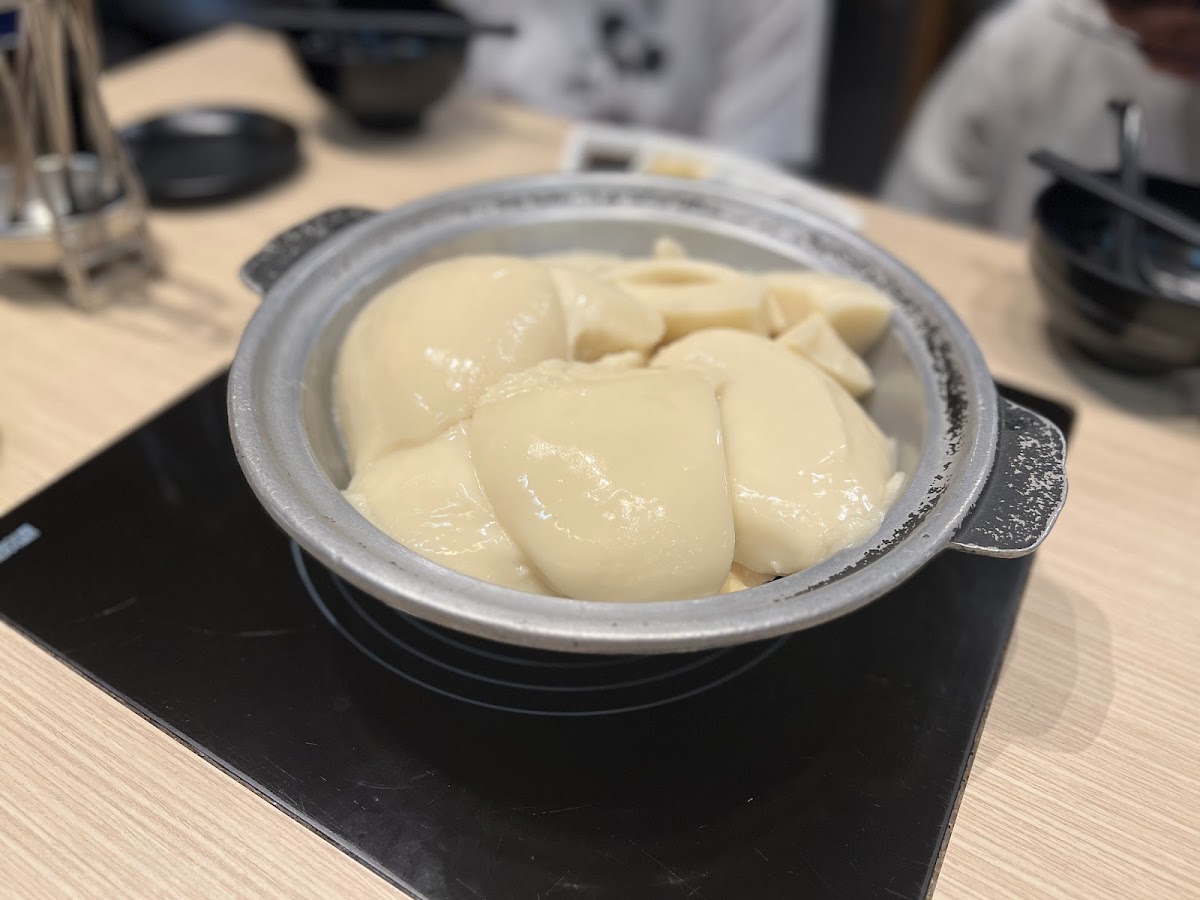
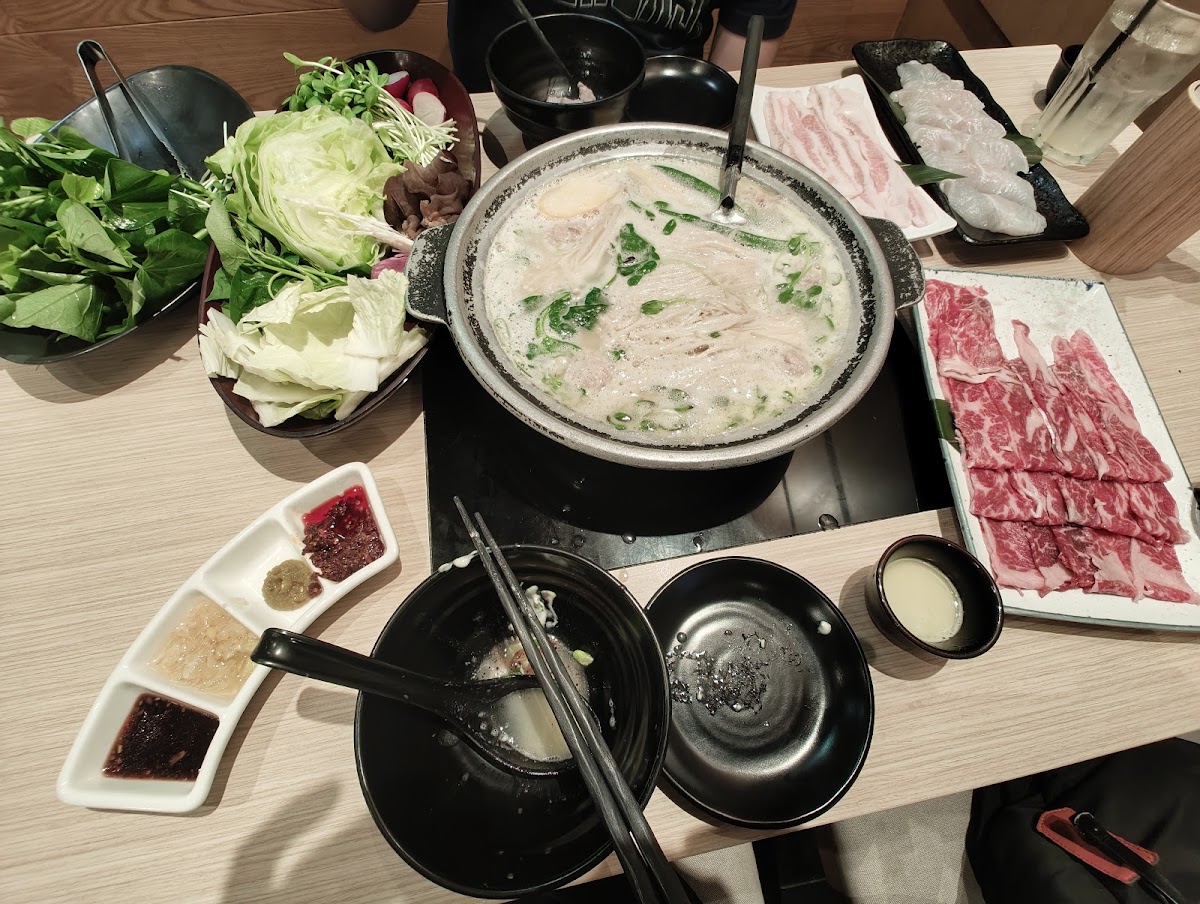
The centrepiece of the Tsukada Nojo experience is the Bijin Nabe (美人鍋, literally 'Beauty Hotpot'). It begins with a solid collagen pudding — a jiggly, translucent block of concentrated chicken collagen — placed in the hotpot. As the stove heats up, the pudding slowly melts and transforms into a rich, milky-white broth that is both deeply savoury and remarkably smooth. The collagen, extracted from Jidori chicken, is marketed for its skin-nourishing properties — the protein helps rebuild cells and is associated with a youthful, healthy complexion. Three broth flavours are available: Original (pure chicken collagen), Curry (with Japanese curry spices), and Spicy (with chilli for those who want heat). Most diners choose the Original for their first visit to experience the pure collagen flavour.
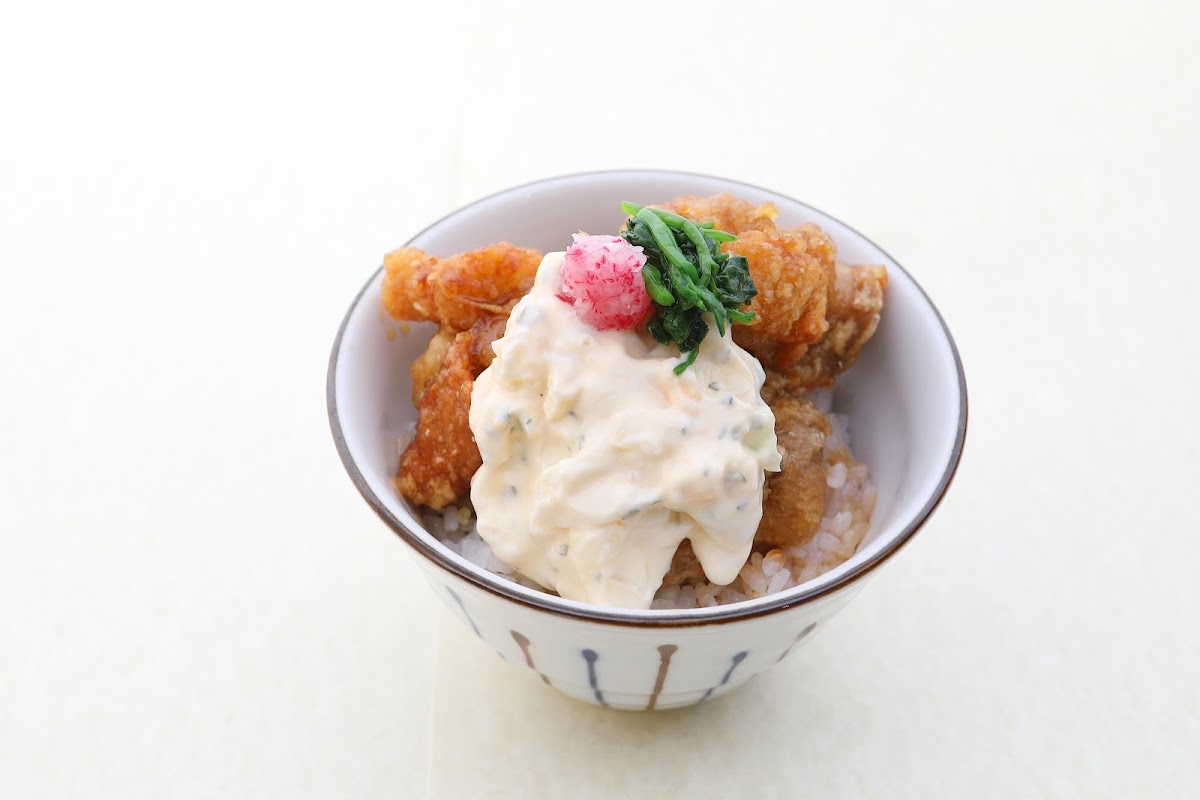
Beyond the hotpot, Tsukada Nojo serves a range of Japanese comfort food that showcases the quality of their Jidori chicken. Chicken Nanban (fried chicken with vinegar-tartar sauce, a Miyazaki specialty) is a signature non-hotpot dish. Mentaiko Tamago (omelette with mentaiko cod roe) is another crowd favourite. Karaage (Japanese fried chicken) uses the same premium Jidori chicken. The menu also includes salads, edamame, and rice dishes, making it possible to build a satisfying meal without ordering hotpot. For the full experience, however, the Bijin Nabe is the reason to visit — watching the collagen pudding melt into soup is a uniquely theatrical dining moment.
Compass Verdict
A collagen hotpot concept from Japan — the golden chicken broth is rich in collagen and genuinely flavourful. The beauty-meets-food angle is popular with female diners. At Chinatown Point, it offers a unique hotpot experience distinct from the Chinese hotpot options in the area.
Recommended For
Menu & Pricing
Prices ++ (subject to service charge and GST). Hotpot cooking time approx. 20 minutes for broth to develop fully.
Bijin Nabe (Beauty Hotpot)
| Bijin Nabe Original — Jidori chicken collagen pudding, melts into milky-white broth | from ~S$18++ |
| Bijin Nabe Curry — collagen broth with Japanese curry spices | from ~S$18++ |
| Bijin Nabe Spicy — collagen broth with chilli heat | from ~S$18++ |
Signature Dishes
| Chicken Nanban — Miyazaki-style fried chicken with vinegar-tartar sauce | ~S$14++ |
| Mentaiko Tamago — Japanese omelette filled with mentaiko cod roe | ~S$12++ |
| Jidori Karaage — premium free-range chicken, Japanese-style fried | ~S$12++ |
| Course Menu — multi-course meal with hotpot + sides + dessert | from ~S$35++ |
Practical Information
Dietary Information
Photos
Sourced via Google Places — food-focused photography
Location
133 New Bridge Road, #02-37, Chinatown Point, Singapore 059413
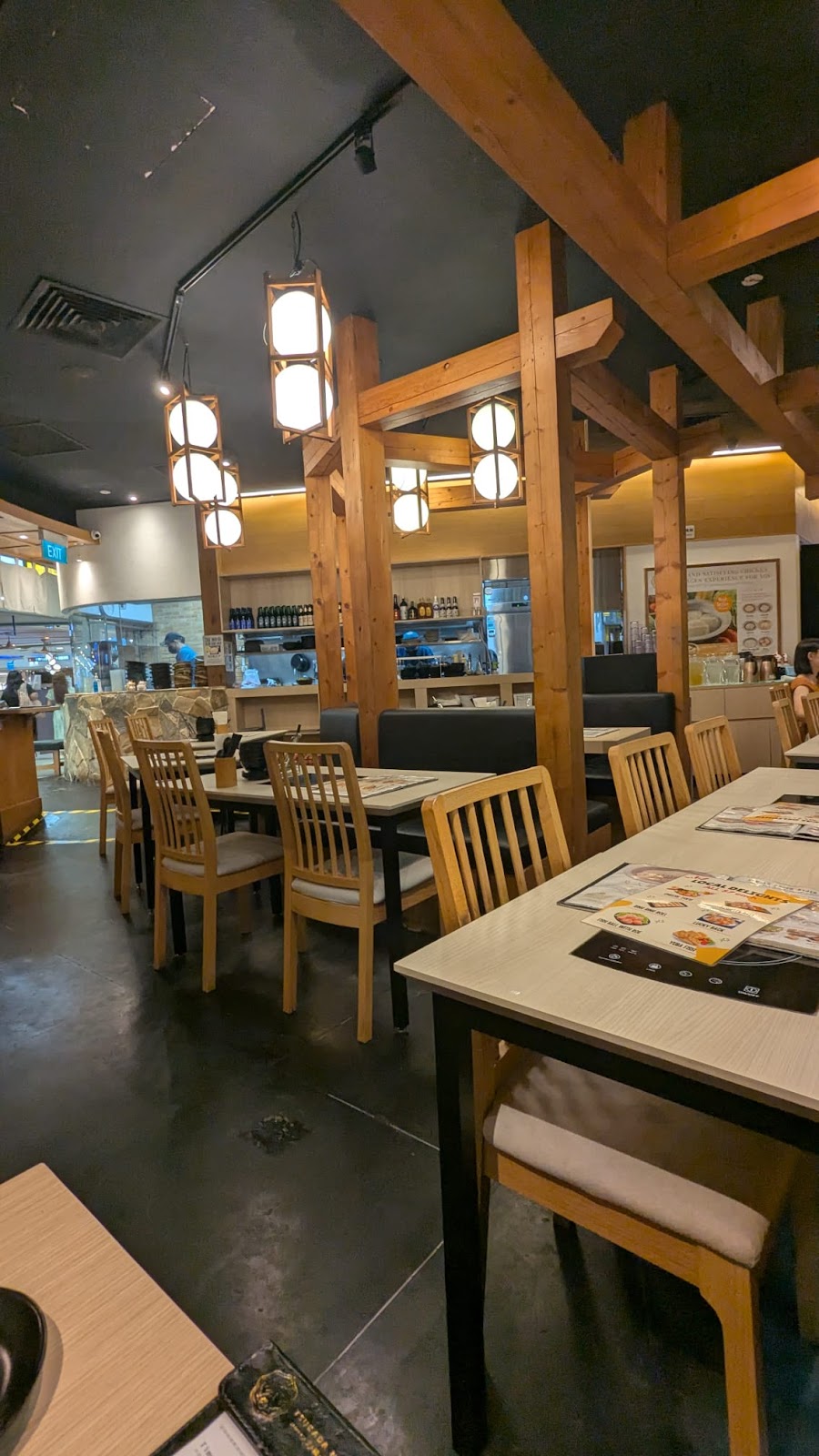
Level 2 of Chinatown Point. Direct underground link from Chinatown MRT (NE4/DT19). The restaurant has built-in hotpot stoves at each table. Reservations via Chope or phone. Same floor as Nanbantei yakitori.
📍 Open in Google MapsYour Dining Journey
From the collagen pudding to the simmering pot — what to expect at Tsukada Nojo.
Watch the Collagen Melt
The Bijin Nabe experience begins dramatically. A solid, jiggly collagen pudding — translucent and wobbling like a giant jelly — is placed into your hotpot. As the built-in stove heats up, the pudding begins to melt slowly, transforming from a solid block into a rich, milky-white soup right before your eyes. This takes about 15-20 minutes, during which you can order side dishes (Chicken Nanban, edamame, Mentaiko Tamago) to enjoy while the broth develops. The transformation from solid to liquid is genuinely theatrical — it is one of those rare dining moments that is both Instagram-worthy and functionally delicious.
Cook and Enjoy
Once the broth is fully melted and simmering, add your ingredients. Thinly sliced chicken (from the same Jidori breed that produced the collagen) is the primary protein — swish it through the broth for 30-60 seconds until cooked. Vegetables, tofu, and mushrooms round out the hotpot. The broth itself is remarkable: deeply savoury with an almost velvety texture from the dissolved collagen. It coats each ingredient with a silky richness that standard chicken stock simply cannot match. The Curry version adds a warm, aromatic Japanese curry dimension; the Spicy version introduces a gentle heat that builds as you eat.
Complete with Comfort Food
While the hotpot is the centrepiece, do not overlook Tsukada Nojo's à la carte dishes. The Chicken Nanban is a Miyazaki regional specialty — juicy fried chicken pieces dressed in a sweet vinegar sauce and topped with creamy tartar sauce. It is one of Japan's most beloved comfort foods, and Tsukada Nojo's version, made with their premium Jidori chicken, is excellent. The Mentaiko Tamago is another highlight — a fluffy Japanese omelette bursting with salted cod roe. As the hotpot winds down, pour rice or noodles into the remaining collagen broth to soak up all that concentrated flavour — a satisfying, slurp-worthy finish.
Tsukada Nojo succeeds by offering something genuinely unique in Chinatown's Japanese dining scene: a collagen hotpot that is both a visual spectacle and a comforting, flavourful meal. The Bijin Nabe concept — collagen pudding melting into soup — is brilliant theatre that happens to also taste excellent. The Jidori chicken quality is a genuine differentiator from standard hotpot restaurants, and the price point (sets from ~S$18) is remarkably fair for what you get. The Chicken Nanban alone is worth a visit. For groups looking for an interactive dining experience in Chinatown that goes beyond the usual Chinese fare, Tsukada Nojo is an inspired choice — particularly appealing for girls' nights out and anyone curious about collagen-based beauty dining. The Chinatown MRT direct link makes it effortlessly accessible.
What is Collagen and Why Do Japanese Diners Love It?
Collagen is the most abundant protein in the human body, providing structure to skin, bones, tendons, and cartilage. In Japanese food culture, collagen-rich foods — particularly soups and broths made from chicken, pork, or fish bones simmered for extended periods — have long been associated with beauty and youthful skin. The concept of 'beauty foods' (美容食, biyou-shoku) is deeply embedded in Japanese wellness culture, where what you eat is considered as important as topical skincare. Tsukada Nojo's Bijin Nabe takes this philosophy to its logical conclusion: by concentrating chicken collagen into a solid pudding form and melting it into a hotpot broth, the restaurant creates a dining experience that is explicitly positioned as both delicious and beneficial for skin health. While the scientific evidence for dietary collagen's effect on skin is still debated, the concept has proven enormously popular in Japan and across Asia.