Nanbantei Japanese Restaurant
At a Glance
About Nanbantei
Nanbantei (南蛮亭) holds a unique place in Singapore's Japanese dining history: it was the city's first dedicated yakitori restaurant when it opened in 1983, tucked away on the fifth floor of Far East Plaza on Orchard Road. Over four decades later, it remains one of the most respected Japanese restaurants in Singapore, now operating from its Chinatown Point location at #02-40. The name 'Nanbantei' roughly translates to 'Southern Barbarian Pavilion' — a reference to the historical Japanese term for Portuguese traders, reflecting the restaurant's playful bridging of Japanese and foreign culinary traditions.
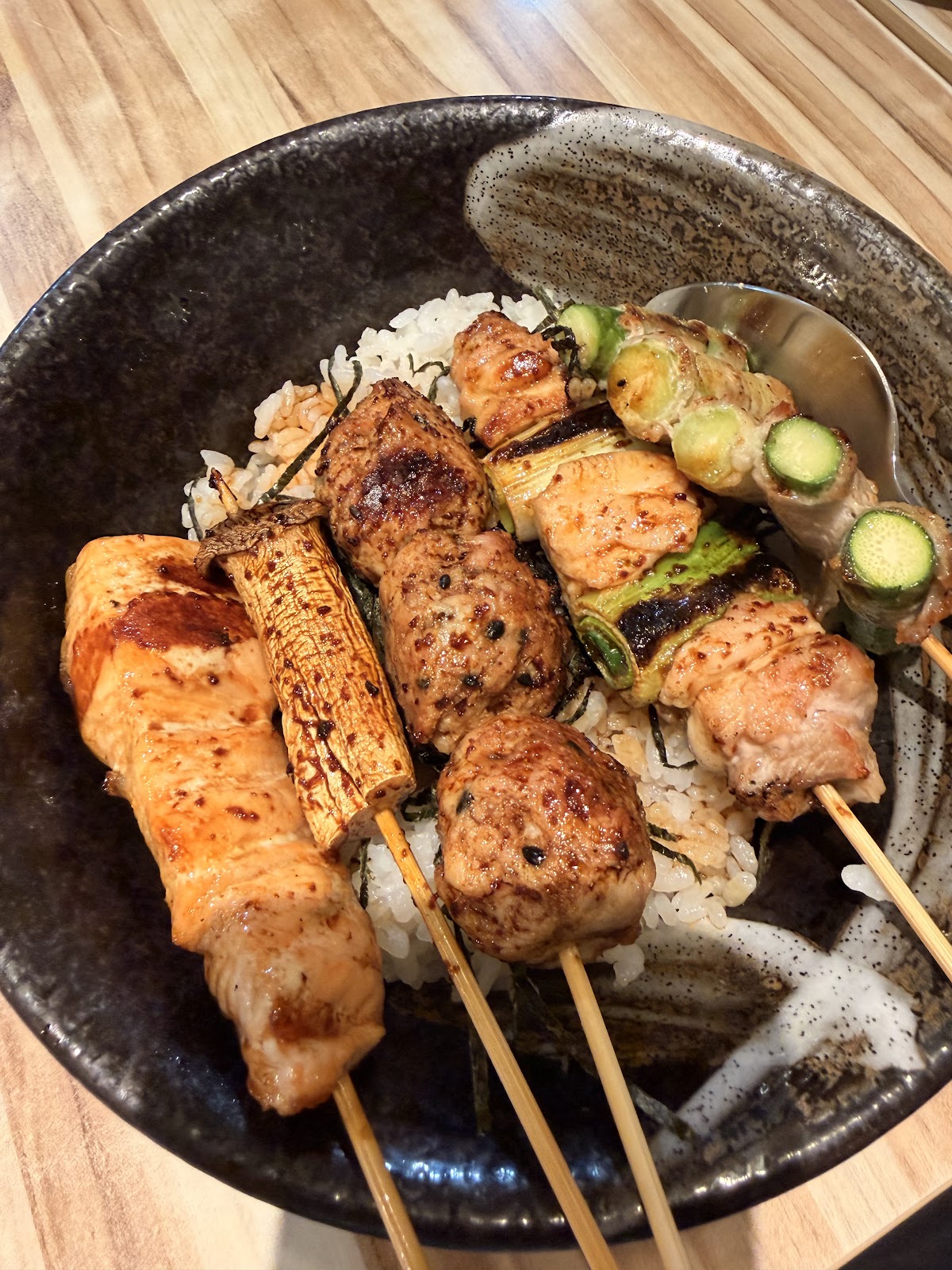
The art of yakitori at Nanbantei is deceptively simple but demands precision. Fresh ingredients — chicken (every cut from thigh to skin to cartilage), pork, beef, seafood, and vegetables — are threaded onto bamboo skewers and grilled over flaming charcoal imported directly from Japan. The meat is seasoned with nothing more than sea salt, a deliberate choice that lets the natural flavour of each ingredient come through. The special Japanese charcoal burns at a higher temperature than standard charcoal, which means each skewer gets that distinctive slightly-charred exterior while the inside stays juicy and tender. The grilling is monitored with the kind of quiet expertise that only comes from decades of practice.
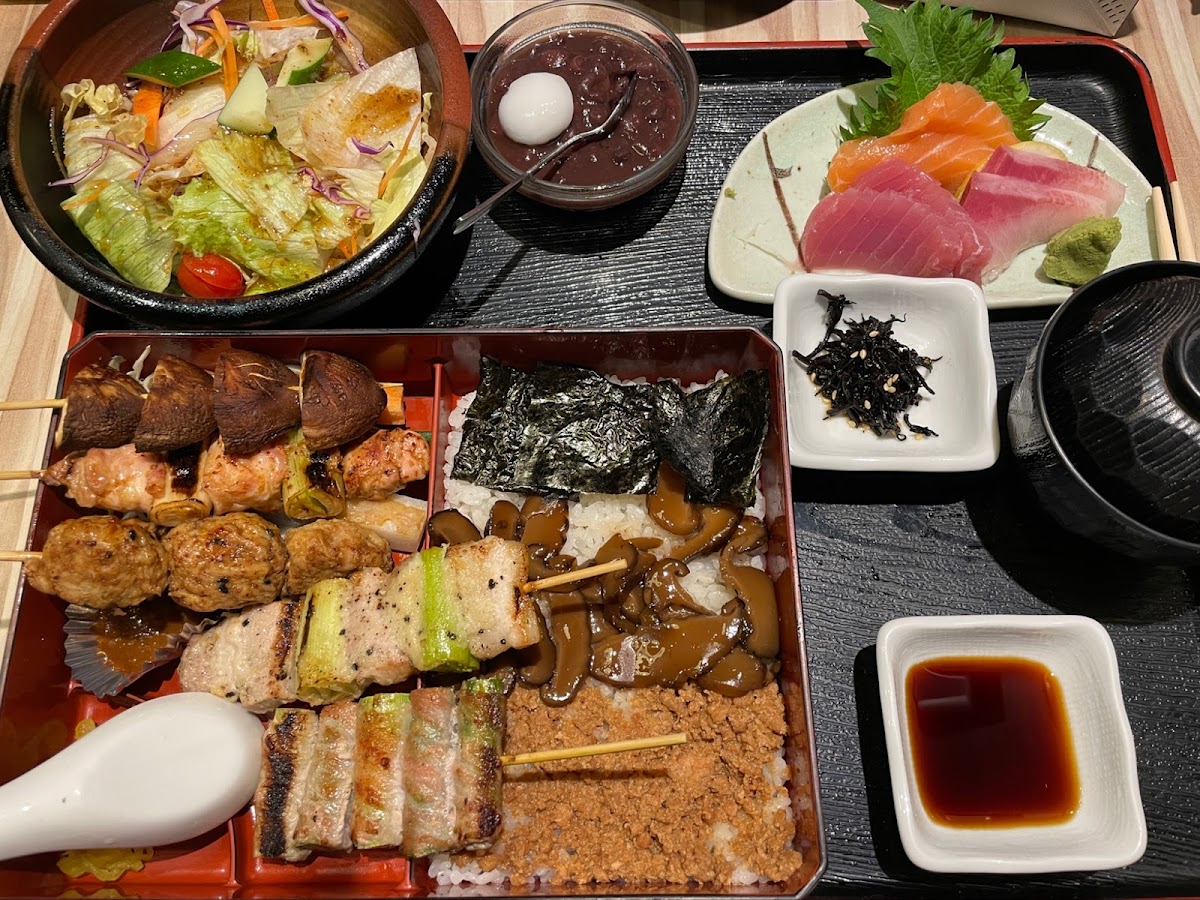
While yakitori is the soul of Nanbantei, the menu extends well beyond skewers. The Truffle Kurobuta Don (トリュフ黒豚丼) is a standout donburi: charcoal-grilled slices of premium black Iberico pork, topped with an onsen tamago (soft-cooked egg) and drizzled with black truffle oil and paste, all served over steaming rice. For sashimi lovers, the selection is consistently fresh and well-presented. Hot pots, fried dishes (tempura, karaage), and rice and noodle options round out the menu. Lunch bento sets offer excellent value for the quality level — a curated selection of Nanbantei's highlights in a single set. Dinner course menus are available for special occasions, featuring a progression of seasonal dishes.
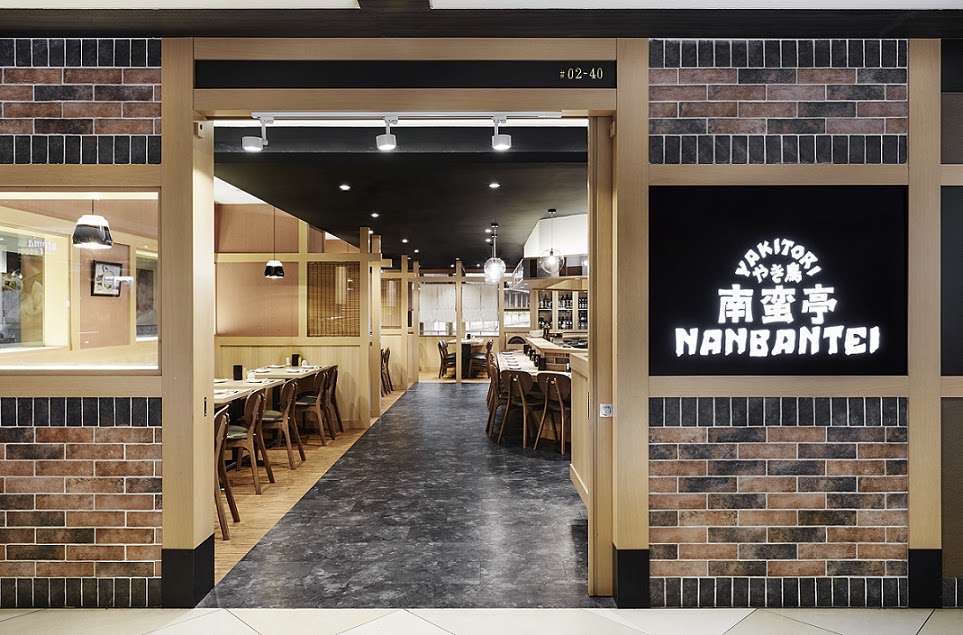
The Chinatown Point location benefits from its direct underground connection to Chinatown MRT station (NE4/DT19), making it one of the most accessible Japanese restaurants in the Chinatown-Outram area. The interior maintains a warm, traditional Japanese aesthetic — wooden furnishings, paper screens, and a counter where solo diners can watch the grill in action. Reservations are recommended via Chope (www.chope.co), particularly for dinner and weekends. The restaurant has earned consistently strong reviews over its 40+ year history, with an average rating of 5.0 on Chope from 90+ reviews — a remarkable feat for any restaurant, let alone one that has been operating for four decades.
Compass Verdict
One of Singapore's most established yakitori restaurants — charcoal-grilled skewers since 1983. Nanbantei at Chinatown Point is the real deal: proper binchōtan charcoal, skilled grill masters, and a sake selection that complements the smoky flavours. For yakitori lovers, this is a pilgrimage-worthy destination.
Recommended For
Menu & Pricing
Prices ++ (subject to service charge and GST). Menu changes seasonally. Lunch bento sets available. Reservations recommended.
Yakitori (Charcoal-Grilled Skewers — 2 sticks per order)
| Momo (chicken thigh) — classic yakitori, sea salt | from S$3++ |
| Tsukune (chicken meatball) — hand-formed, juicy | from S$4++ |
| Negima (chicken & spring onion) | from S$4++ |
| Kawa (chicken skin) — crispy, addictive | from S$3++ |
| Butabara (pork belly) — rich, fatty, charred edges | from S$5++ |
| Seasonal specials — check with staff for daily availability | varies |
Donburi & Rice
| Truffle Kurobuta Don — charcoal-grilled black Iberico pork, onsen egg, truffle oil over rice | ~S$28++ |
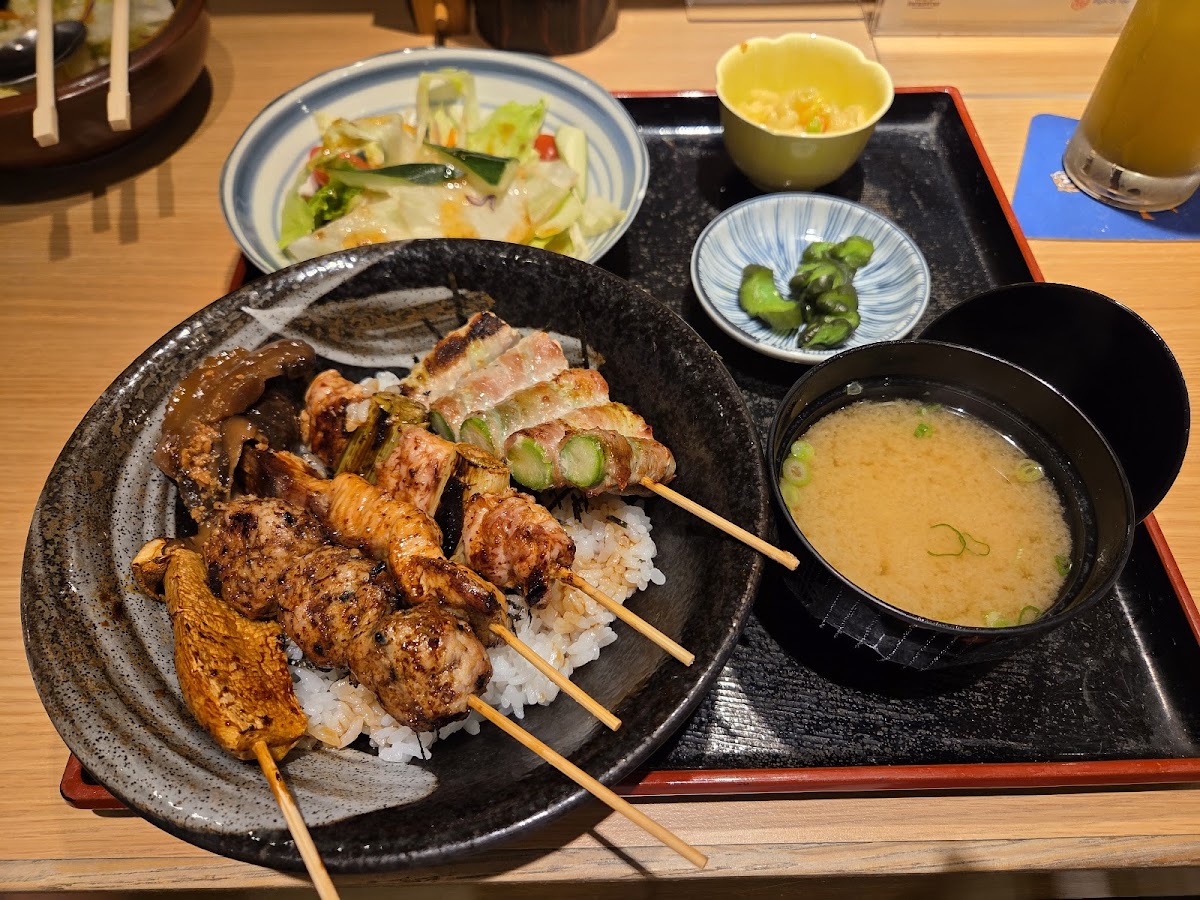
| Yakitori Don — assorted grilled skewer toppings over rice | ~S$18++ |
Sashimi & Sushi
| Assorted Sashimi Platter — chef's selection of seasonal fish | from S$28++ |
| Sushi Set — assorted nigiri selection | from S$22++ |
Lunch Bento Sets
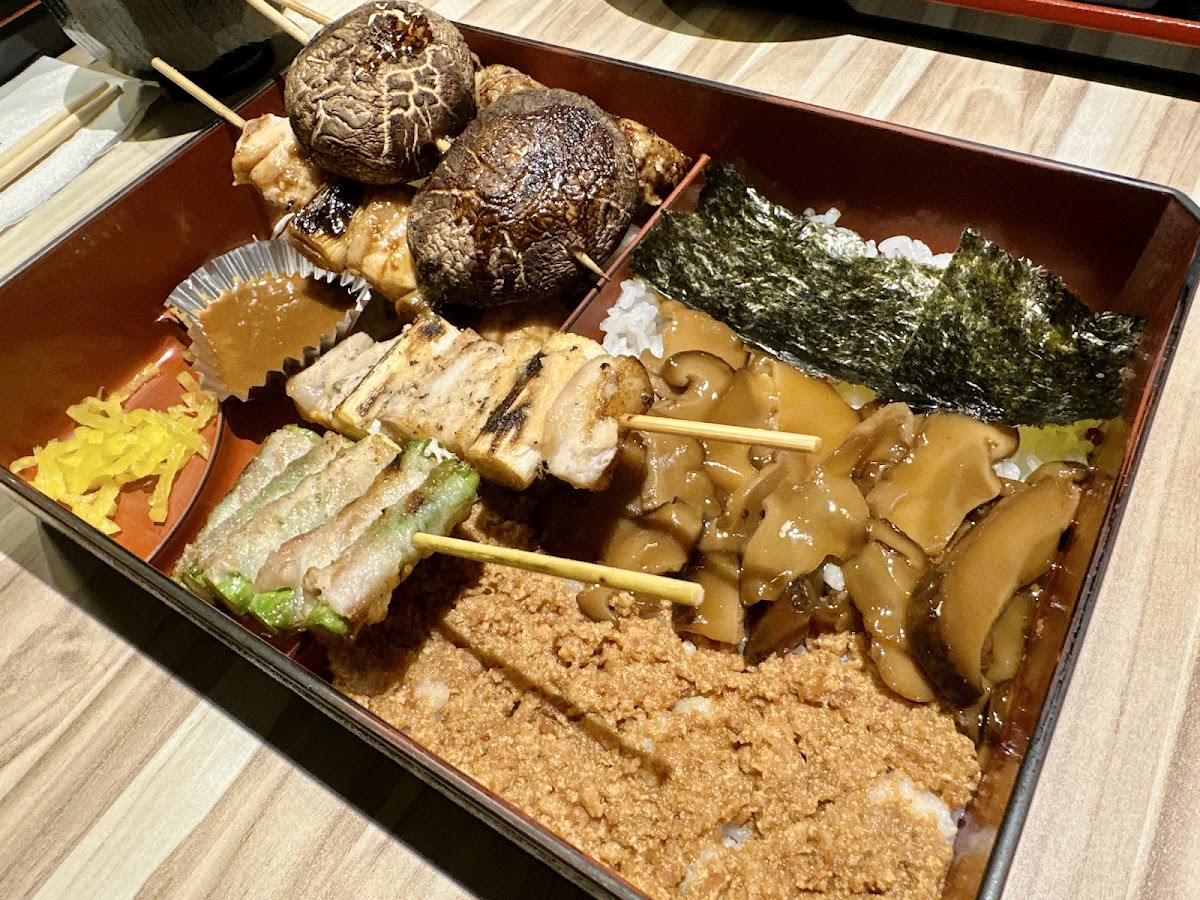
| Yakitori Bento — assorted skewers + rice + soup + sides | from S$18++ |
| Sashimi Bento — assorted sashimi + rice + soup + sides | from S$22++ |
Practical Information
Dietary Information
Photos
Sourced via Google Places — food-focused photography
Location
133 New Bridge Road, #02-40, Chinatown Point, Singapore 059413
Level 2 of Chinatown Point mall. Direct underground link from Chinatown MRT station (NE4/DT19). The restaurant has a warm, traditional Japanese interior. Reservations recommended via Chope, especially for dinner.
📍 Open in Google MapsYour Dining Journey
From the charcoal aroma to the last skewer — what to expect at Nanbantei.
Arrive and Be Seated
Head to Level 2 of Chinatown Point — Nanbantei is at unit #02-40. If you have a reservation, give your name at the entrance. The restaurant has a warm, authentically Japanese interior with wooden furnishings and a traditional atmosphere that immediately transports you. Solo diners should request a counter seat — this gives you a front-row view of the yakitori grill in action, watching the chefs tend each skewer with practiced precision. For groups and families, table seating is available in a comfortable, semi-private setting.
Order Your Skewers
Start with the yakitori — this is, after all, why Nanbantei has endured for 40+ years. The classics are the best introduction: Momo (chicken thigh), the most popular cut with its perfect balance of meat and fat; Negima (chicken with spring onion), where the charred sweetness of the onion complements the meat; and Tsukune (chicken meatball), hand-formed and juicy. For something indulgent, order the Butabara (pork belly) — rich, fatty, with edges charred to a crisp. Adventurous eaters should ask about seasonal specials. Each order is 2 sticks, so plan to order 4-6 varieties to get the full yakitori experience.
Expand Your Order
Once the yakitori has set the tone, explore the broader menu. The Truffle Kurobuta Don is Nanbantei's most talked-about non-yakitori item — charcoal-grilled slices of premium black Iberico pork with truffle oil and an onsen egg on rice. It is rich, aromatic, and a worthy companion to the skewers. Sashimi is consistently fresh — ask the chef for the day's best selection. For a complete experience, consider a lunch bento set (from S$18++) which offers a curated sampling of Nanbantei's highlights in one elegant box. Pair everything with Japanese beer, sake, or shochu — the drinks list complements the food perfectly.
Savour the Legacy
As you eat, reflect on the fact that Nanbantei has been perfecting this exact craft — charcoal-grilled yakitori seasoned with sea salt — for over 40 years. The techniques, the sourcing of charcoal from Japan, the simple-yet-precise seasoning — none of it has been compromised for the sake of trends or shortcuts. This is rare in Singapore's fast-moving F&B scene, where restaurants open and close with alarming frequency. Nanbantei's longevity is the ultimate endorsement of its quality. When you are done, take the escalator back to B1 and you are directly at Chinatown MRT — one of the most convenient exits from any Japanese restaurant in Singapore.
In a city where Japanese restaurants compete fiercely on novelty and Instagram-worthiness, Nanbantei is a quiet anchor of authenticity. It does not chase trends. It does not rebrand. It grills chicken on charcoal with sea salt, as it has done since 1983, and it does it better than almost anyone in Singapore. The Truffle Kurobuta Don is a modern concession that works brilliantly — rich, aromatic, and deeply satisfying. But the real reason to visit is the yakitori itself: honest, flavourful, expertly grilled. At 40+ years, Nanbantei is not just a restaurant; it is a piece of Singapore's Japanese food heritage. The Chinatown Point location, directly connected to Chinatown MRT, makes it effortlessly accessible. For anyone who loves yakitori or wants to understand why this simple form of Japanese grilling has endured for centuries, Nanbantei is essential.
The Art of Yakitori: Japan's Most Democratic Food
Yakitori (焼き鳥, literally 'grilled bird') is one of Japan's most beloved and democratic food traditions. Unlike sushi, which has been elevated to high art with multi-hundred-dollar omakase courses, yakitori has remained accessible — in Japan, you can still find excellent yakitori at tiny roadside stands for a few hundred yen per skewer. The tradition dates back to the Edo period (1603-1868), though it became truly mainstream in the post-war era when chicken became more widely available. The key to great yakitori lies not in expensive ingredients but in technique: the quality of the charcoal (binchotan from wakayama is considered the gold standard), the timing of each turn, the restraint in seasoning (most purists use only salt or tare), and the freshness of the chicken.
Different parts of the chicken offer distinctly different eating experiences on the yakitori grill. Momo (thigh) is the most popular — its balance of meat and fat makes it forgiving to grill and satisfying to eat. Negima (thigh with spring onion) adds a sweet charred vegetal note. Tsukune (chicken meatball) is hand-formed from minced chicken, resulting in a juicy, bouncy texture. Kawa (skin) is for the adventurous — grilled until crispy, it is intensely savoury and addictive. Nankotsu (cartilage) offers a surprising crunch. Hatsu (heart) and sunagimo (gizzard) are offal cuts beloved by yakitori purists for their distinctive textures. At Nanbantei, the full spectrum is available, giving diners the chance to explore yakitori in its authentic depth — far beyond the chicken-on-a-stick simplification that many people associate with the word.