Full-service Japanese dining — sushi, sashimi, tempura & more
Price
Nigiri from S$4 — Bento sets from S$15
History
Est. 1994 — 30 years in Singapore
About
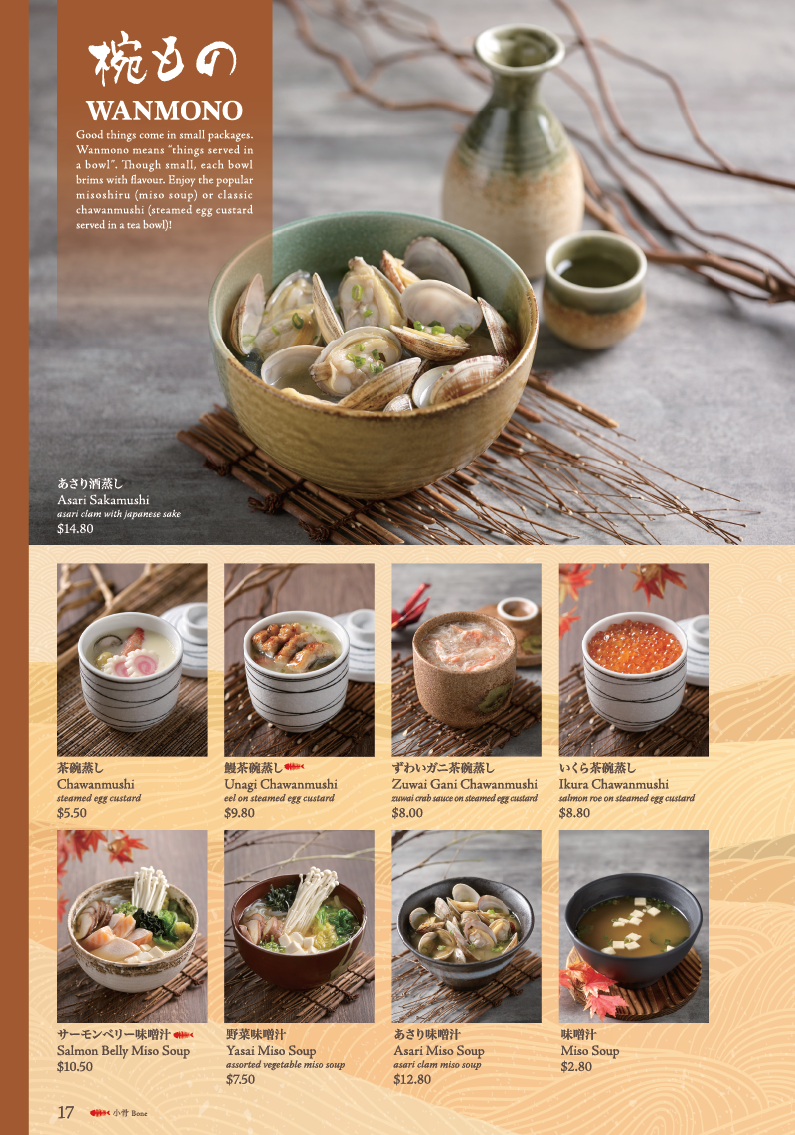
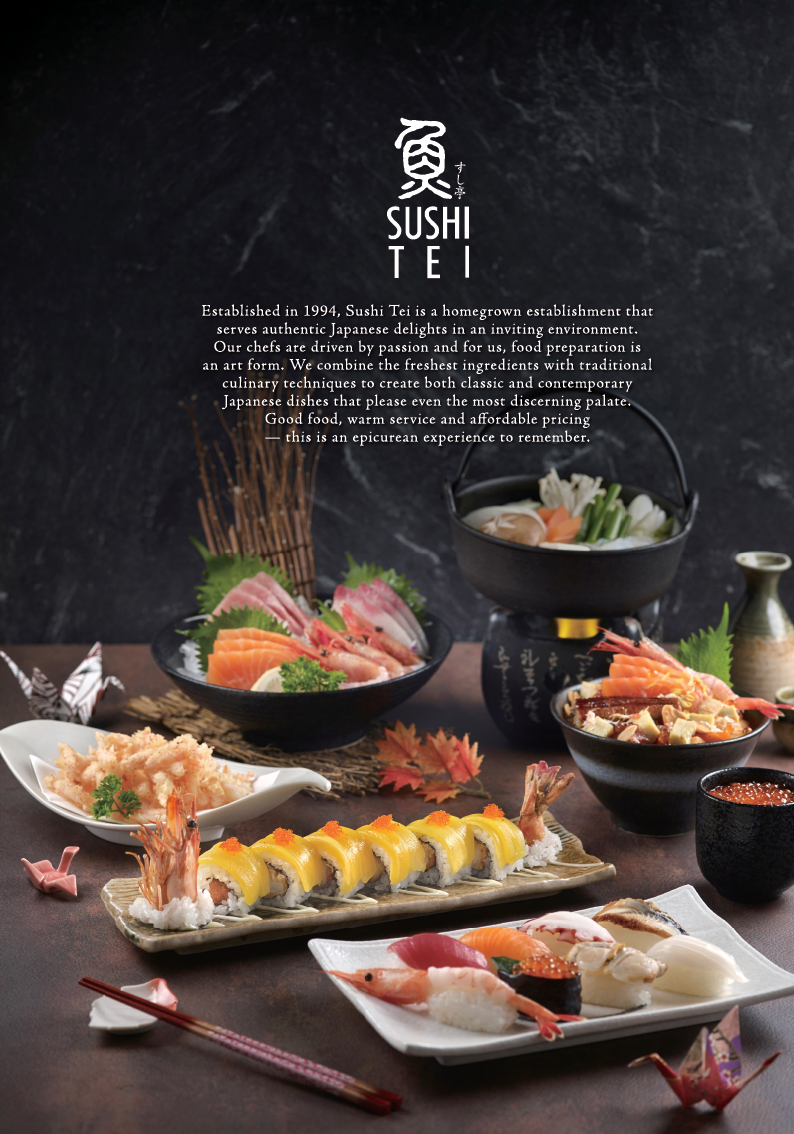
Sushi Tei is a Singapore-born Japanese restaurant chain established in 1994, making it one of the longest-running Japanese dining brands in the country. With 14 outlets across the island, Sushi Tei offers a comprehensive Japanese menu that goes far beyond sushi — including sashimi, tempura, grilled dishes, ramen, udon, donburi, and bento sets. The restaurant positions itself between budget conveyor-belt chains and premium omakase, offering quality ingredients at accessible mid-range prices. Their Aburi (flame-torched) sushi series and seasonal specials have built a loyal following among Singaporean families and office workers. Sushi Tei also operates a self-service ordering app for takeaway, making it convenient for busy professionals.
Compass Verdict
Should you eat here?
Singapore's homegrown full-service Japanese chain. Sushi, sashimi, tempura, teppanyaki — everything under one roof at accessible prices. Not the best at any single category, but reliably good across the board. Multiple outlets islandwide.
Recommended For
Casual Family DinnerOffice LunchSashimi LoversFull Japanese MenuTakeawayBirthday Celebrations
Menu & Pricing
Item
Price
Sushi Tei Signature Bento
Assorted sushi, sashimi, tempura, and sides
S$22.80
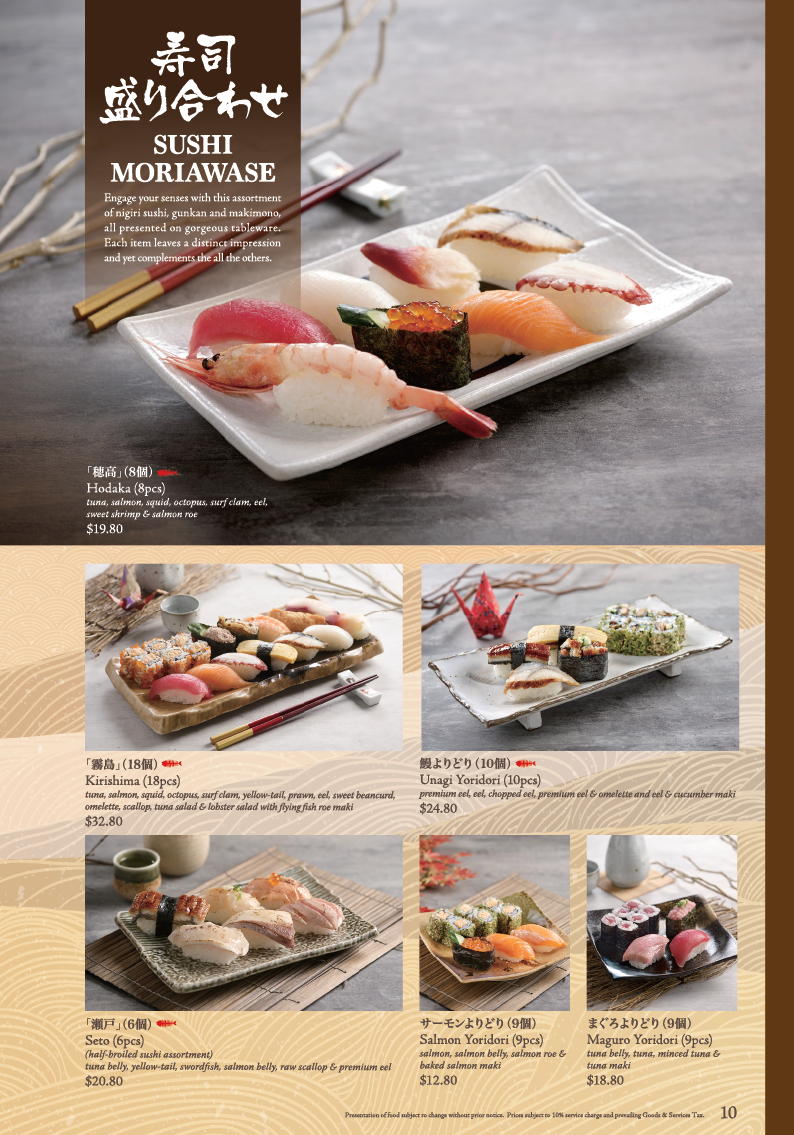
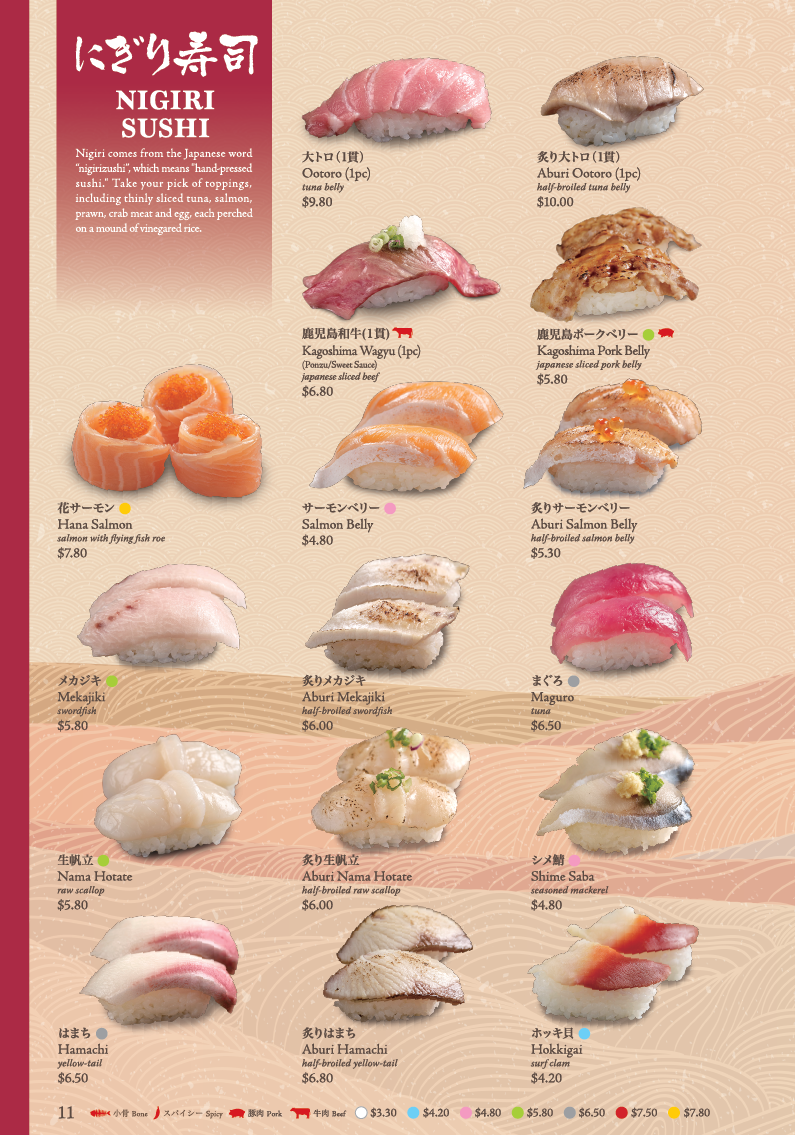
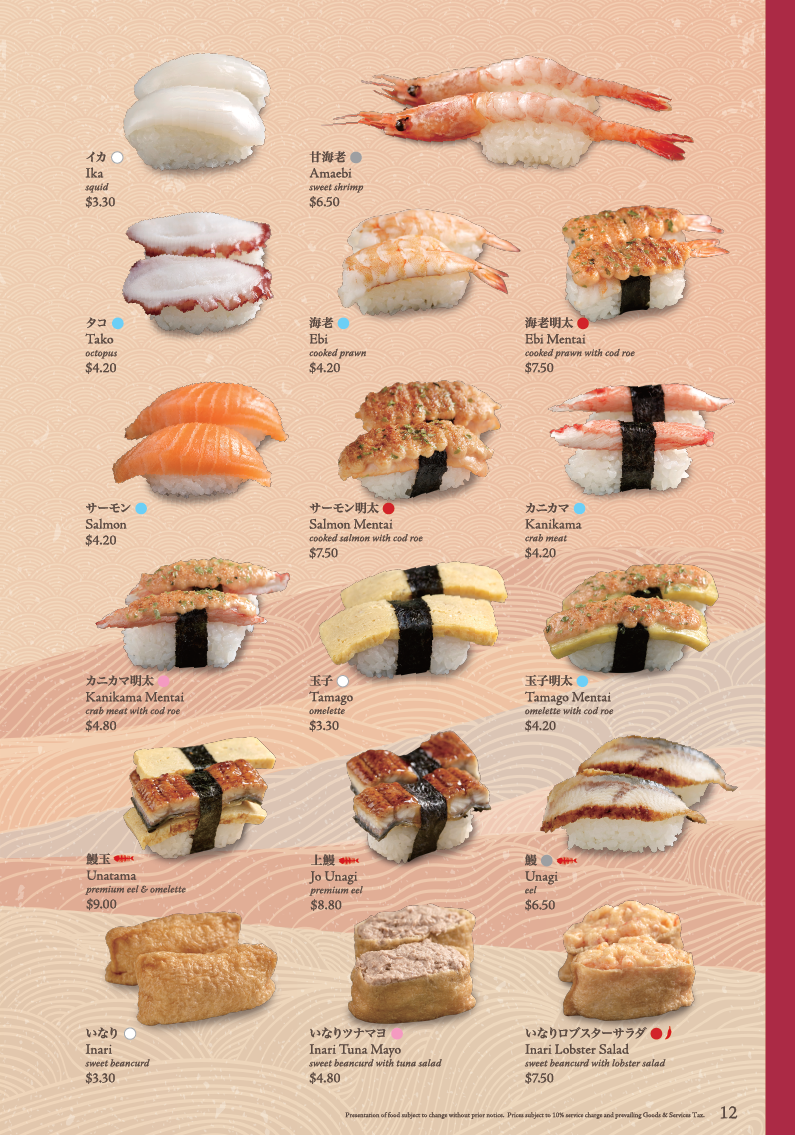
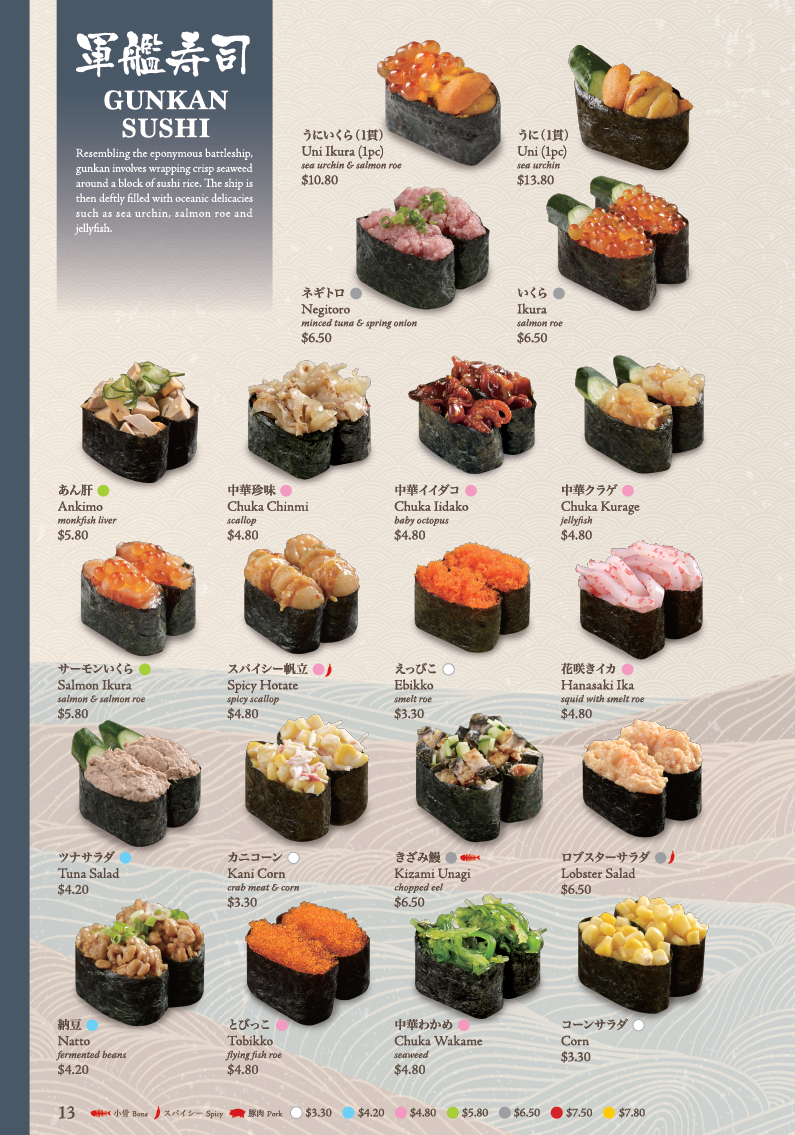
Aburi Salmon Sushi
Flame-torched salmon with mentaiko sauce
S$6.80
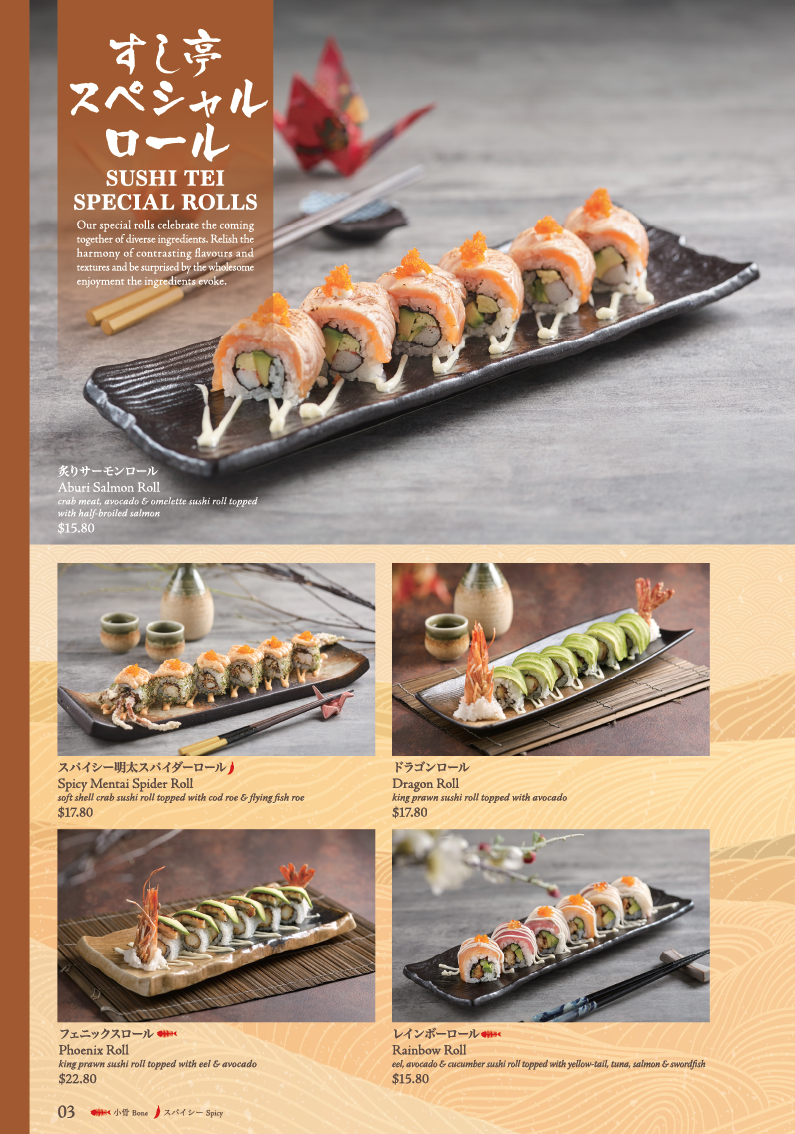
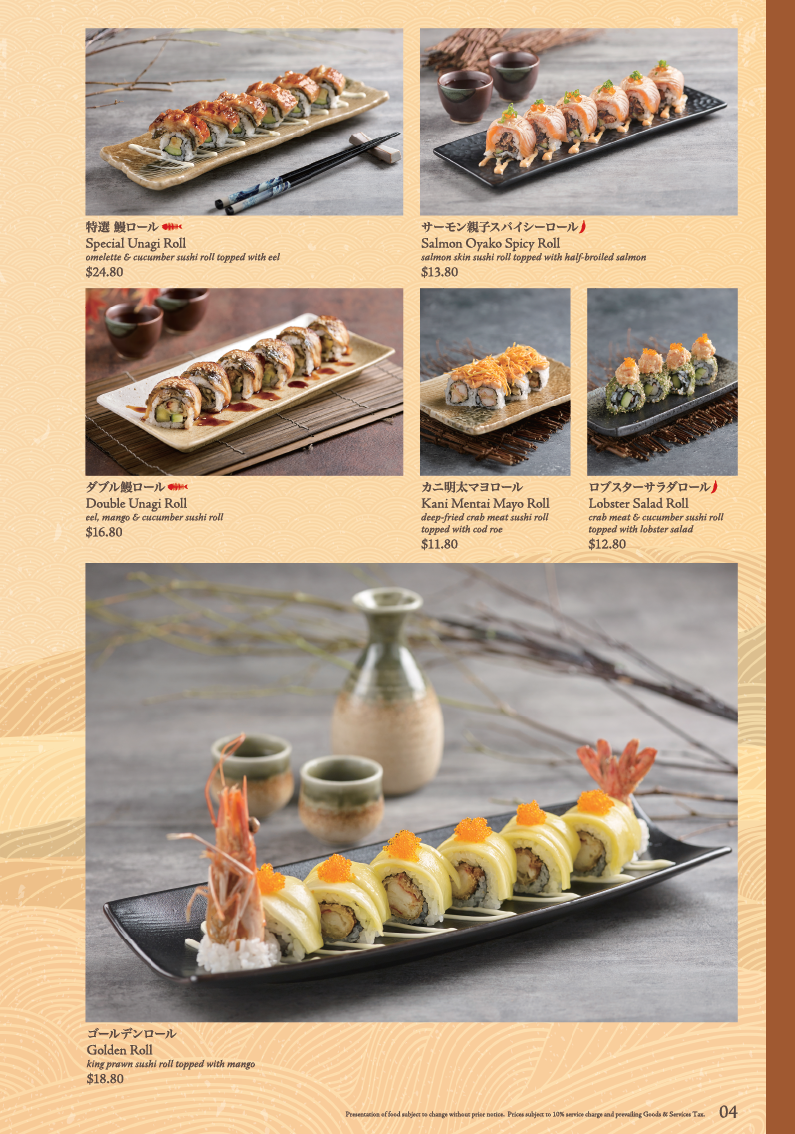
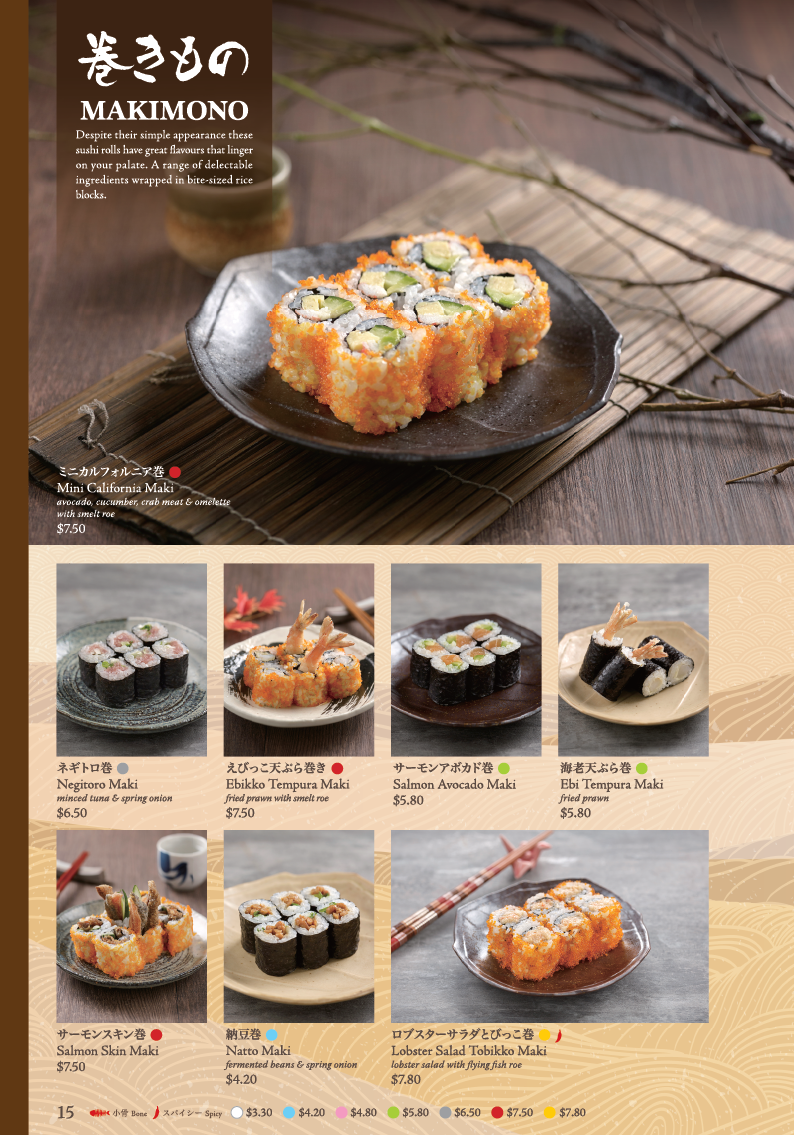
Dragon Roll
King prawn and avocado with unagi glaze
S$18.80
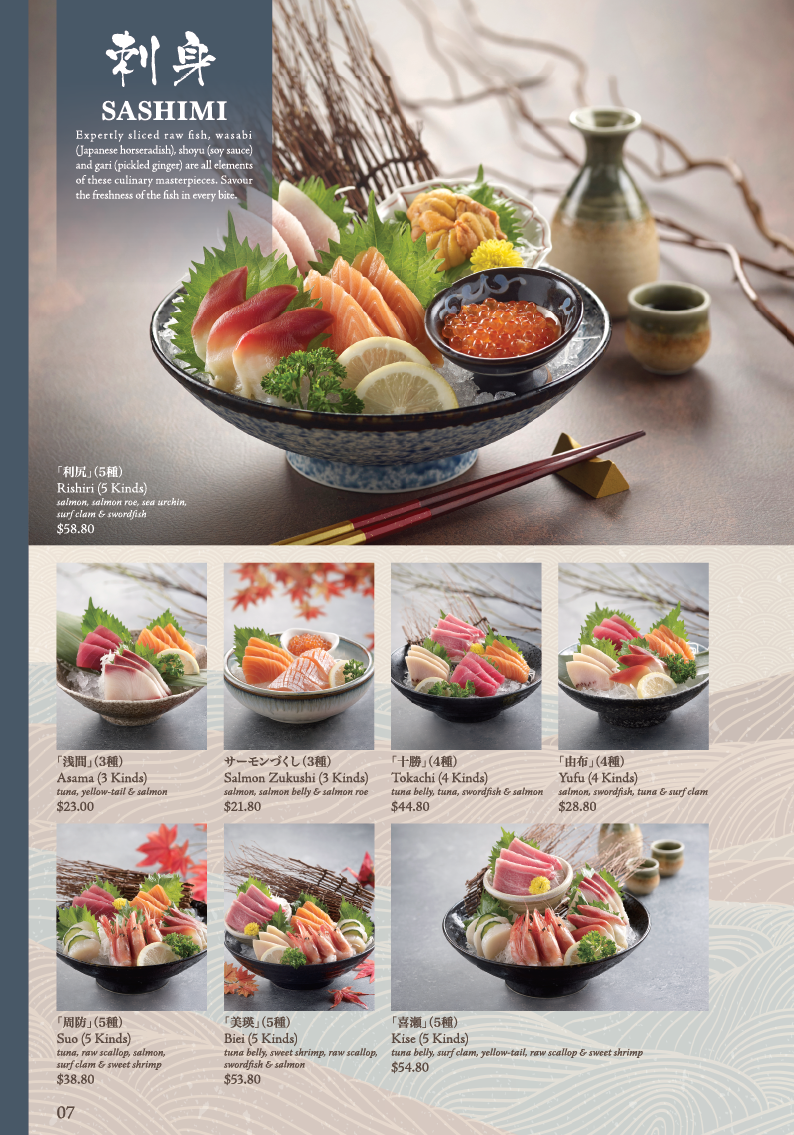
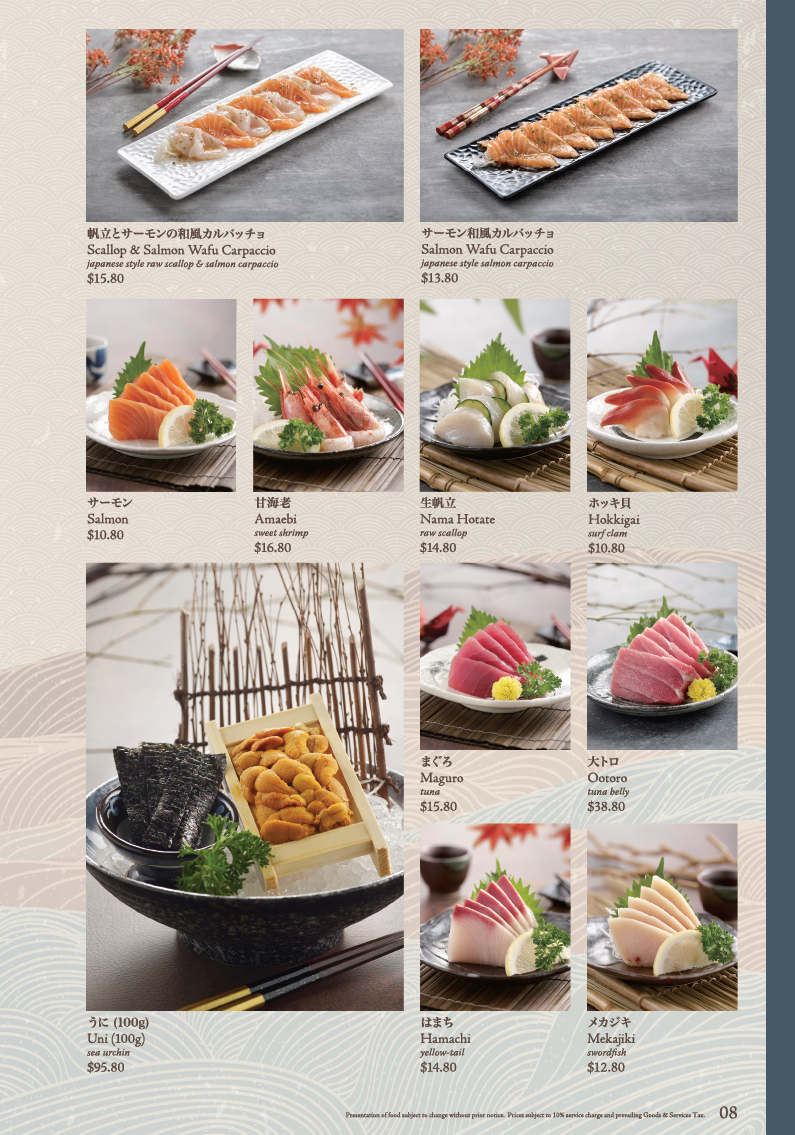
Premium Sashimi Platter
Chef's selection of 15 pieces — salmon, tuna, yellowtail
S$38.80
Teriyaki Chicken Bento
Grilled chicken with teriyaki sauce, rice, and sides
S$15.80
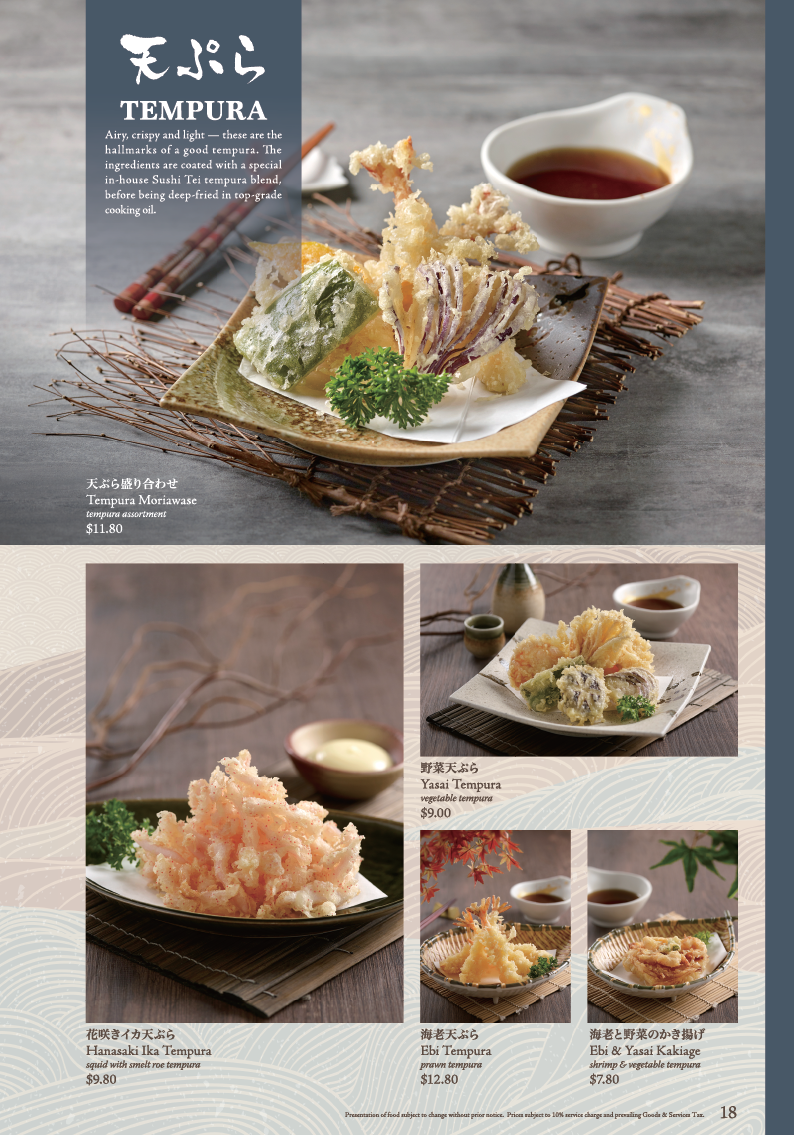
Kaisen Tempura Bento
Assorted seafood tempura on rice
S$17.80
Salmon Belly Aburi
Torched fatty salmon belly — rich and buttery
S$8.80
Chutoro Sashimi
Semi-fatty tuna belly — melt-in-mouth texture
S$12.80
Prices subject to prevailing GST. Menu may vary by outlet.
Not halal certifiedContains raw fishVegetarian options availableTakeaway & delivery available
Your Sushi Tei Experience
01
Browse the Grand Menu
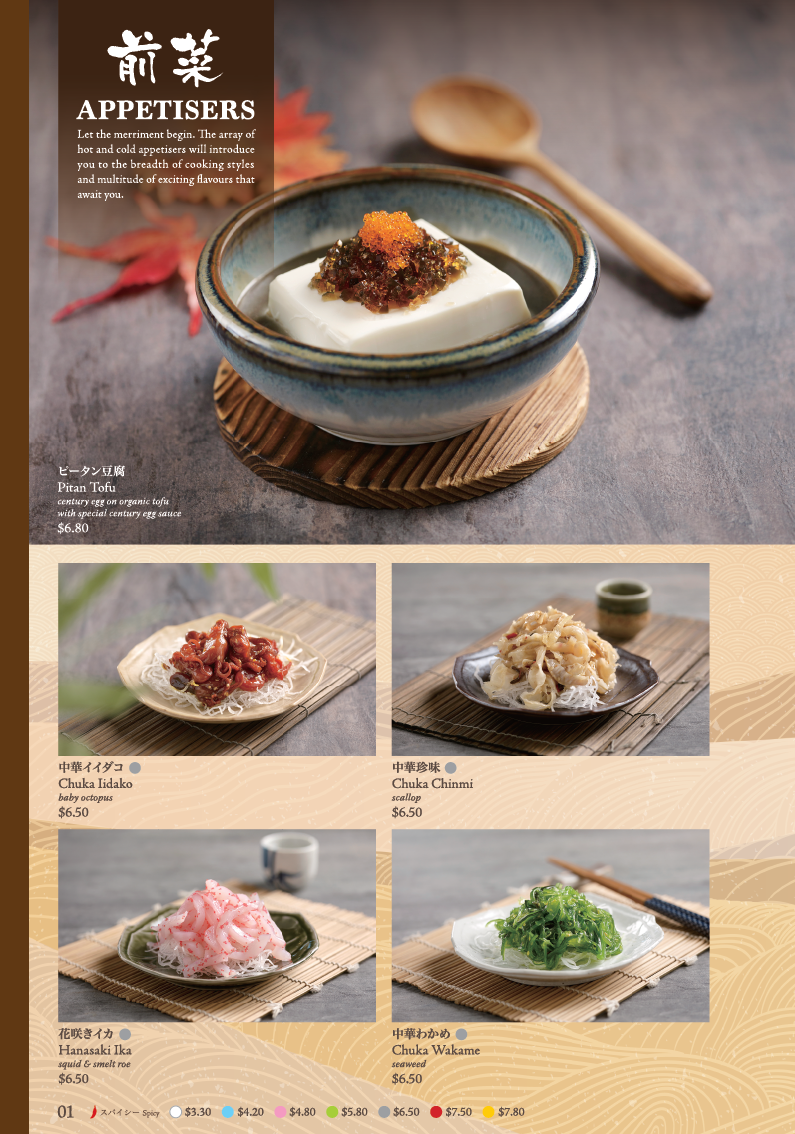
Sushi Tei's extensive menu spans sushi, sashimi, tempura, grilled dishes, noodles, rice bowls, and bento sets. Don't rush — take time to explore the seasonal specials and chef's recommendations.
02
Start with Sashimi
For the freshest experience, begin with sashimi or aburi sushi. The Aburi Salmon is the crowd favorite — flame-torched tableside for a smoky, buttery finish.
03
Share the Rolls
Order 2-3 specialty rolls to share. The Dragon Roll and Spicy Mentai Spider Roll are signatures. This is where Sushi Tei's creativity shines.
04
Add a Bento
For value, the bento sets are hard to beat — a complete meal with protein, rice, sides, and miso soup. Perfect for weekday lunch.
05
End with Dessert
Don't skip the matcha ice cream or mochi. A sweet finish to a satisfying Japanese meal.
Photos
Editor's Note
Sushi Tei fills the sweet spot between budget chains and premium sushi bars. The menu is huge — which can be overwhelming — so focus on the aburi sushi series and seasonal specials. For groups, the sharing platters offer great value. Lunch sets on weekdays are the best deal. The Ngee Ann City and Raffles City outlets tend to have shorter wait times on weekends.
Advertisement
Frequently Asked Questions
How much does Sushi Tei cost?▾
A typical meal costs S$25-45 per person. Lunch bento sets start from S$15. Sashimi platters and premium items can push the bill higher.
Is Sushi Tei halal?▾
No, Sushi Tei is not halal-certified.
Does Sushi Tei take reservations?▾
Most outlets are walk-in only. Some locations accept reservations for larger groups — check with the specific outlet.
Singapore's Japanese food scene is one of the most competitive outside Japan, with hundreds of restaurants ranging from S$5 hawker-style ramen to S$500 omakase. In this crowded landscape, Sushi Tei has carved out a loyal following by delivering consistent quality at its price point. Whether you are a first-time visitor to Singapore looking for reliable Japanese food, or a resident seeking a trusted regular spot, this chain offers a dependable experience across all its outlets. The standardised recipes mean you get the same quality whether you visit the Orchard outlet or the one in your neighbourhood mall.
For tourists, the multi-outlet presence means there is likely a location near your hotel or on your itinerary. For residents, it means a familiar meal is never far away. Umami Compass recommends checking the individual area pages for outlet-specific details including exact addresses, nearest MRT stations, and local tips.
Ordering Tips
First-timers should start with the signature dish — it is the item the kitchen has perfected and the reason the chain built its reputation. If you are dining with a group, order a variety of items to share and discover your favourites. Lunch sets typically offer better value than ordering à la carte. Check the restaurant's social media for seasonal promotions and limited-time items. Most outlets are walk-in only with no reservations, so arriving slightly before or after peak lunch hours (12–1pm) will reduce waiting time.
A Singaporean Take on Japanese Sushi Tradition
Sushi Tei holds a unique position in Singapore's Japanese dining landscape: it is a Singaporean-founded chain (established 1994) that delivers Japanese sushi tradition with a distinctly local sensibility. While many Japanese chains in Singapore are direct imports from Japan, Sushi Tei was built from the ground up to serve the Singaporean palate — which means it understands what local diners want: reliable quality, generous portions, a broad menu that goes beyond just sushi, and a comfortable sit-down environment suitable for everything from quick lunches to family celebrations. With 14+ outlets across the island, Sushi Tei occupies the mid-range sweet spot — more refined than conveyor belt sushi, more accessible than high-end omakase. The menu spans sushi, sashimi, teppanyaki, tempura, ramen, set meals, and seasonal specials, giving groups the flexibility to order across categories. For regular diners, the consistency is the draw: the salmon sashimi is always fresh, the miso soup is always hot, and the service strikes that Singaporean balance of efficient-without-being-rushed.
How to Visit
Most outlets are located in major shopping malls across Singapore, easily accessible by MRT. No reservations are needed — simply walk in. During peak lunch hours (12:00–1:30pm) and dinner hours (6:00–7:30pm), expect short waiting times at popular outlets. Weekday afternoons between 2:00–5:00pm are generally the quietest. Payment methods typically include cash, NETS, Visa, Mastercard, and contactless payments. Many outlets are also available on food delivery platforms such as GrabFood, foodpanda, and Deliveroo for those who prefer to enjoy the food at home.
Understanding the Cuisine
Japanese cuisine is built on a few core principles that elevate even the simplest dishes. Umami — the 'fifth taste' — is central: a deep, savoury satisfaction that comes from ingredients like dashi (stock made from kelp and bonito), soy sauce, miso, and fermented seasonings. Balance is everything: sweet, salty, sour, bitter, and umami are calibrated in each dish to create harmony rather than dominance of any single flavour. Presentation matters: even at casual restaurants, food is arranged with care because the Japanese dining philosophy holds that you eat first with your eyes. Seasonality drives the menu: ingredients are chosen at their peak freshness, which is why you will often see seasonal specials that rotate throughout the year. Understanding these principles helps you appreciate why a seemingly simple bowl of rice and beef can feel like a complete, satisfying meal — every element has been considered.
Made for Singapore: The Sushi Tei Advantage
Being Singapore-born gives Sushi Tei an advantage that Japanese imports cannot replicate: an intimate understanding of local dining habits. The menu balances authentic Japanese technique with Singaporean preferences — portions are calibrated for local appetites, the spice levels account for Singapore's love of chilli, and the seasonal menu rotations incorporate local festivities and holidays. The extensive menu (sushi, sashimi, teppanyaki, tempura, ramen, donburi, desserts) means groups with diverse preferences can all find something they love at the same table. This 'something for everyone' approach, combined with the reliability of 14+ outlets, has made Sushi Tei one of Singapore's default Japanese restaurants — the place people suggest when the group cannot agree on a specific cuisine.