Highlights
Heritage
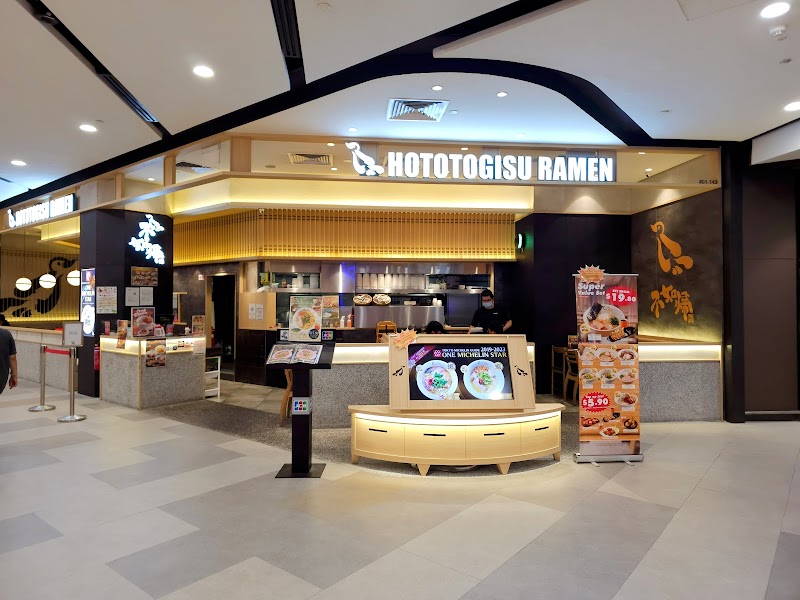
Tokyo Michelin Star 2019-2023 · Bib Gourmand 2015-2018
Concept
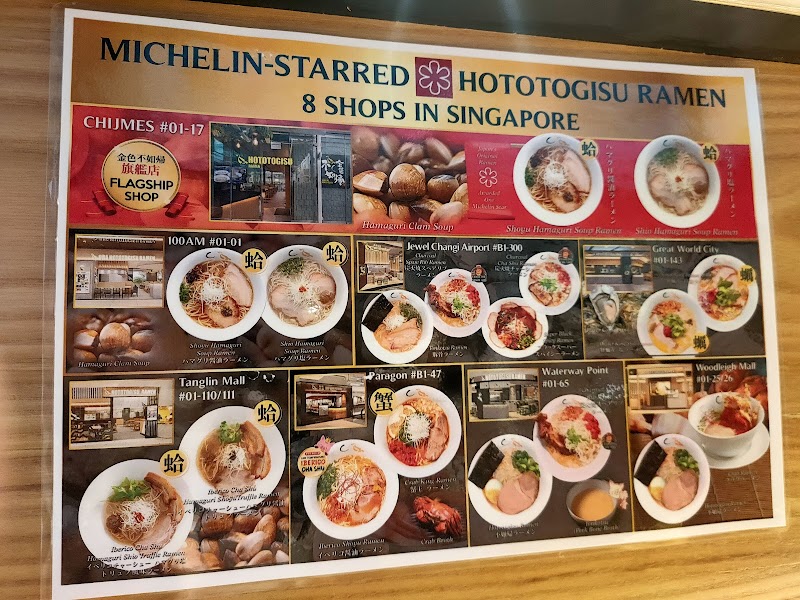
8 outlets — each with a unique exclusive ramen concept
Signature
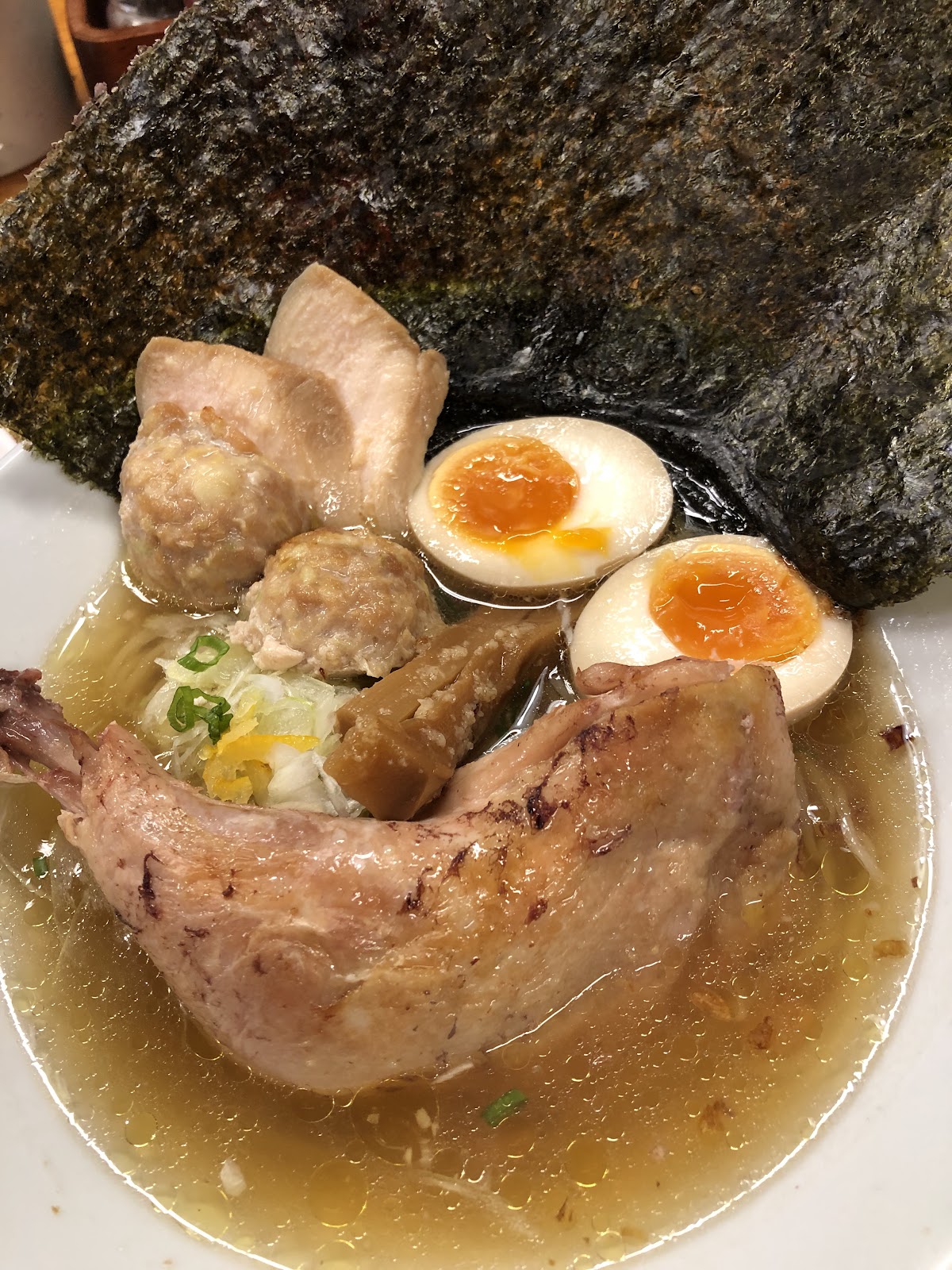
Hamaguri clam broth with truffle — the original creation
About
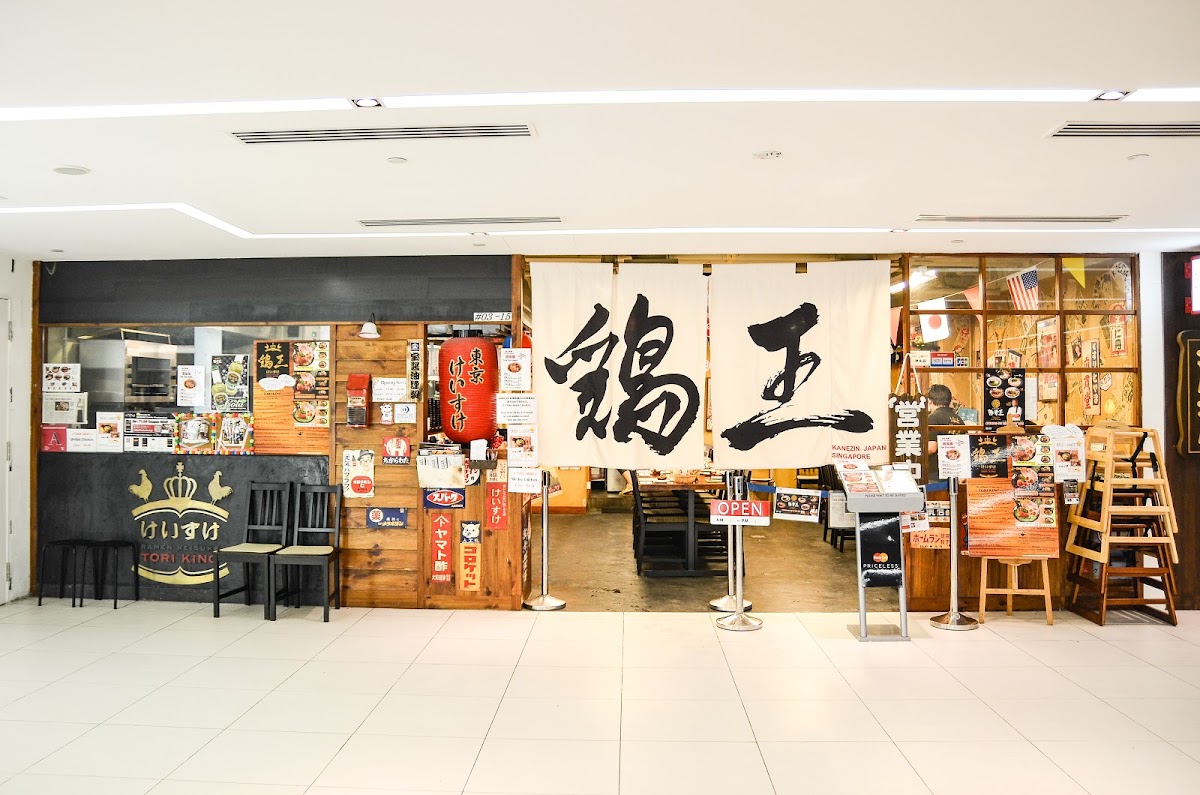
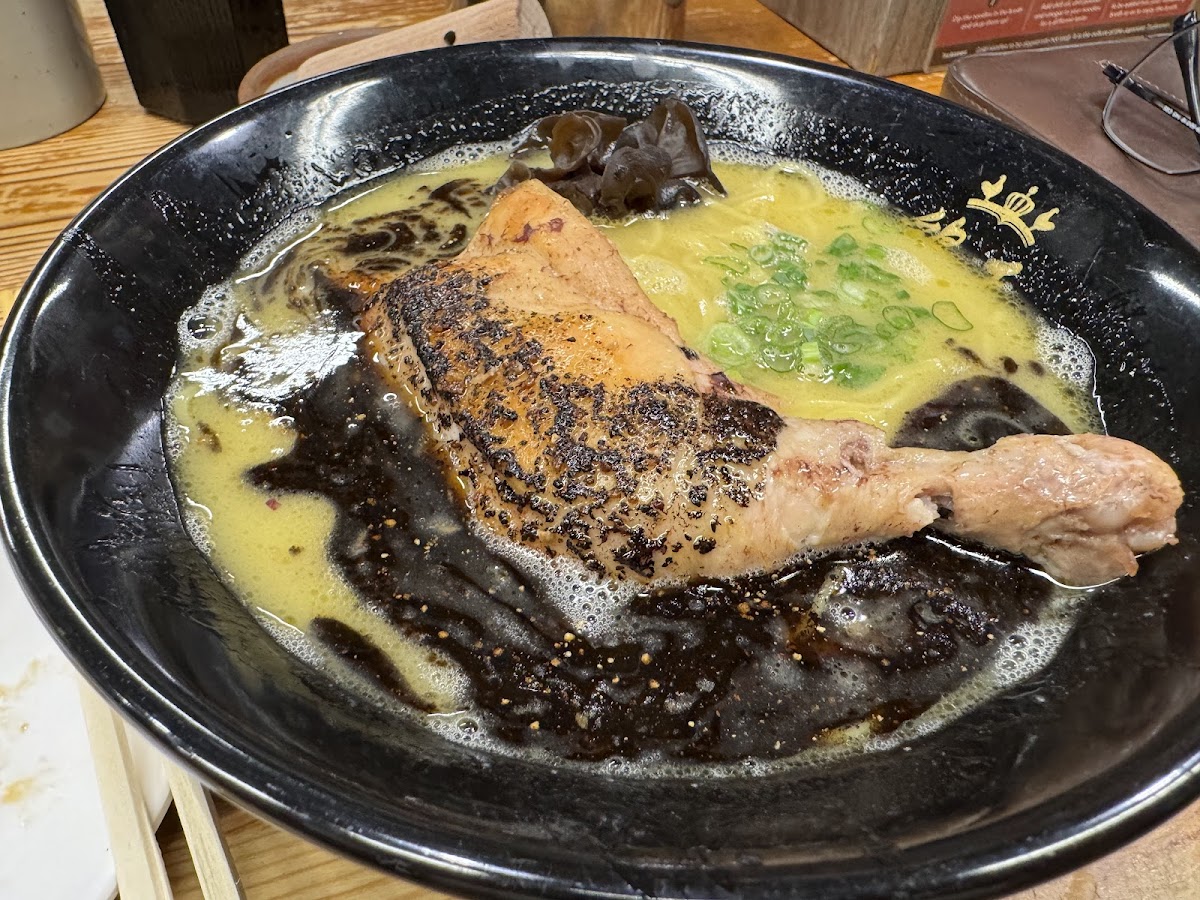
Konjiki Hototogisu is a Tokyo-born ramen restaurant that earned the Michelin Star in the 2019 Tokyo Guide and held Michelin Bib Gourmand from 2015-2018. Founded in 2006 by Chef Atsushi Yamamoto, the original Tokyo shop had just 8 seats. The restaurant is famous for its revolutionary triple-base broth combining hamaguri clams, pork bone, and dashi — a combination no other ramen shop had attempted before. In Singapore since 2018, Konjiki Hototogisu now operates 8 outlets, each with its own exclusive concept and signature dish. The CHIJMES flagship serves the award-winning clam broth with truffle. Great World City specializes in oyster consomme. Other outlets feature charcoal spare ribs, black spicy, and seasonal concepts. Every bowl comes with complimentary clam rice (fukugawa meshi) — a thoughtful appetizer while you wait. The noodles are made with Haru-yo-koi whole grain flour, giving them a distinctive light, delicate texture. Part of the JFH Group in Singapore.
Compass Verdict
Should you eat here?
Michelin-starred ramen from Tokyo's Shinjuku — the clam and truffle shoyu broth is unlike any ramen in Singapore. Refined, layered, closer to fine dining. 3 outlets: CHIJMES flagship, Funan, Jewel Changi. If you appreciate craft over volume, this is the ramen.
Recommended For
Ramen ConnoisseursSolo DiningMichelin Experience on BudgetTruffle LoversUnique Ramen ConceptsJapanese Food Enthusiasts
Menu & Pricing
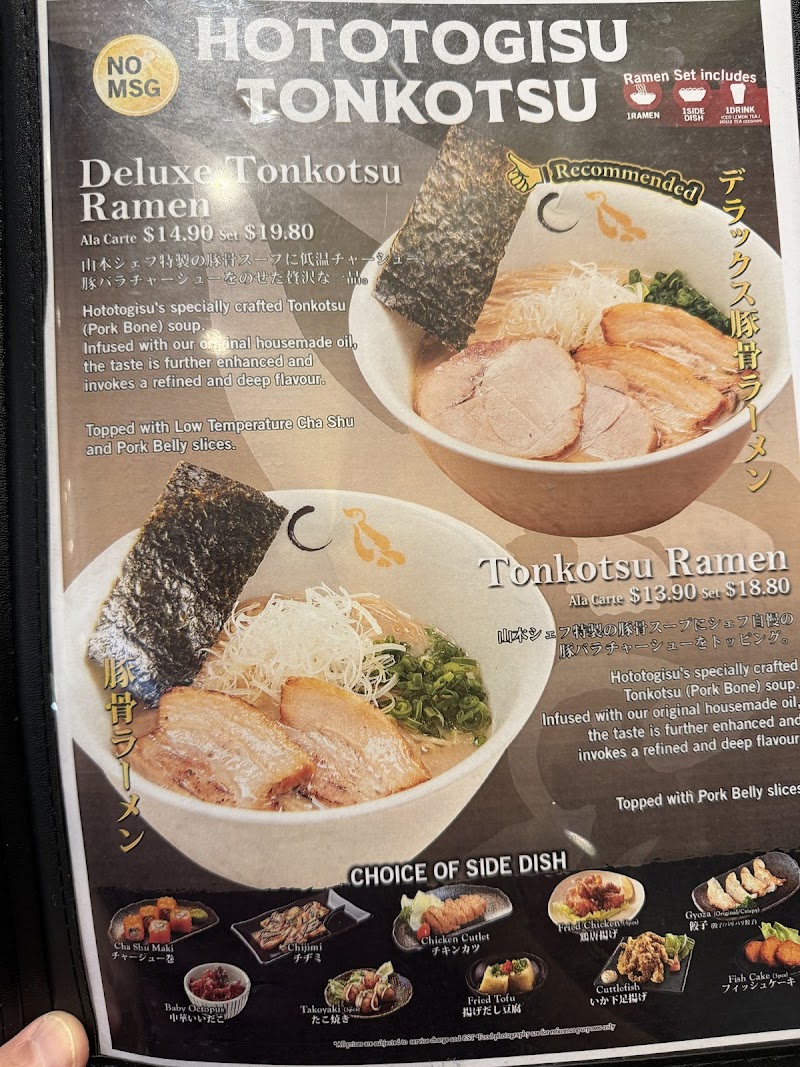
Prices subject to prevailing GST. Menu may vary by outlet.
Find Your Nearest — 5 Outlets
Bugis
📍 30 Victoria Street, #01-17, CHIJMES
→ View area page
CBD
📍 30 Victoria Street, CHIJMES, #01-17
→ View area page
CBD
📍 30 Victoria Street, #01-17/K5A/K5B, CHIJMES
→ View area page
Changi
📍 78 Airport Boulevard, Jewel Changi Airport, Jewel
→ View area page
Tanjong Pagar
📍 100 Tras Street, #01-01, 100AM
→ View area page
Dietary Info
Not halal certifiedContains pork in most brothsContains shellfish (clams, oyster)Complimentary clam rice with every order
Your Konjiki Hototogisu Experience
01
Appreciate the Broth Ritual
Chef Yamamoto prescribes a ritual: first, cup the bowl to feel the warmth. Then inhale the aroma. Sip the broth from different parts of the bowl — each area has different toppings that alter the flavor.
02
Start with the Signature
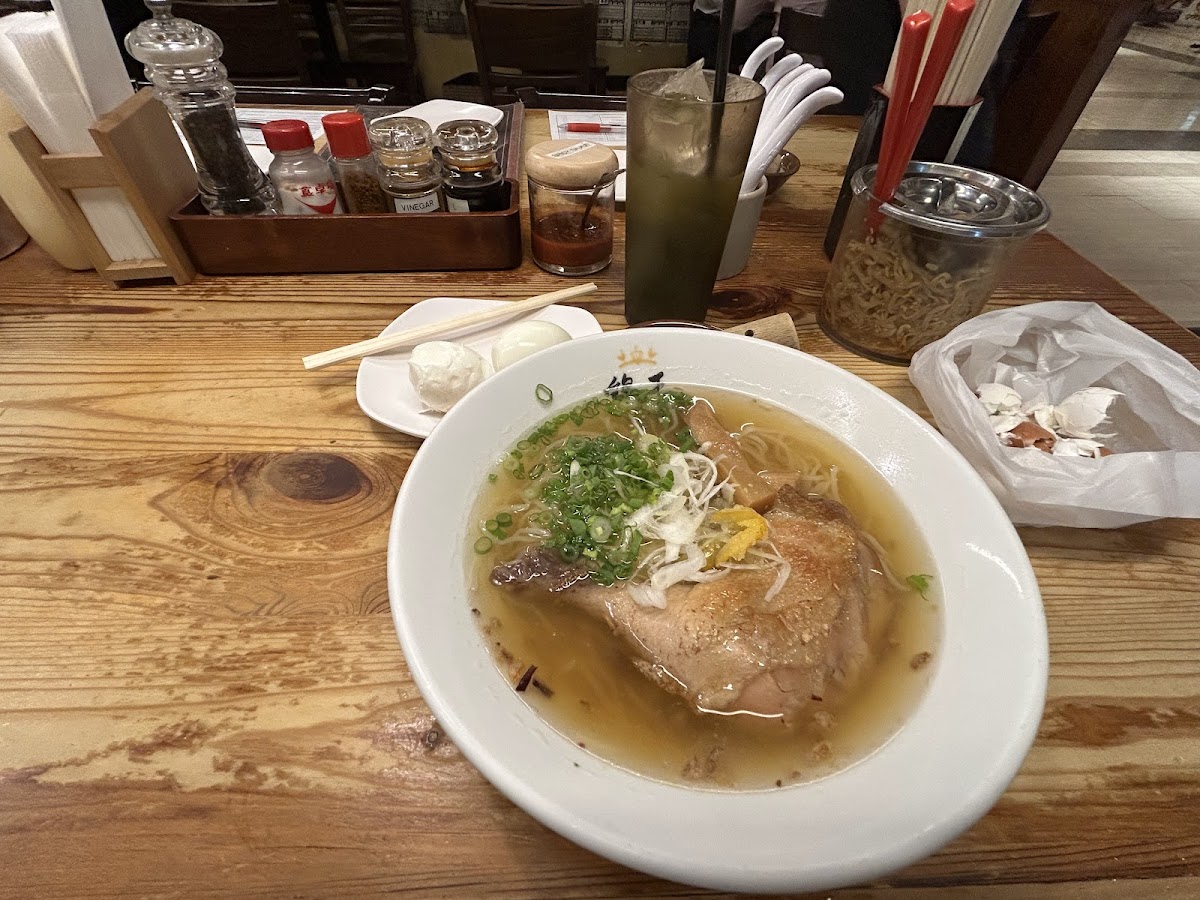
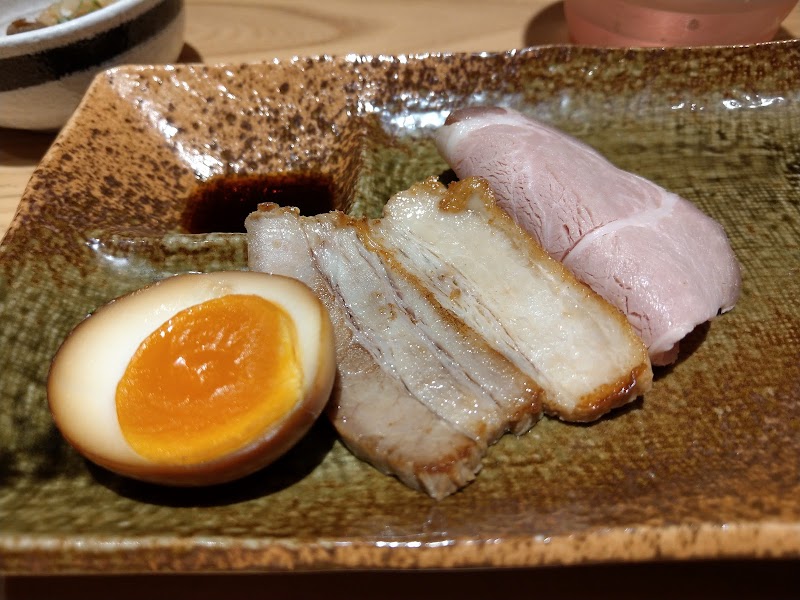
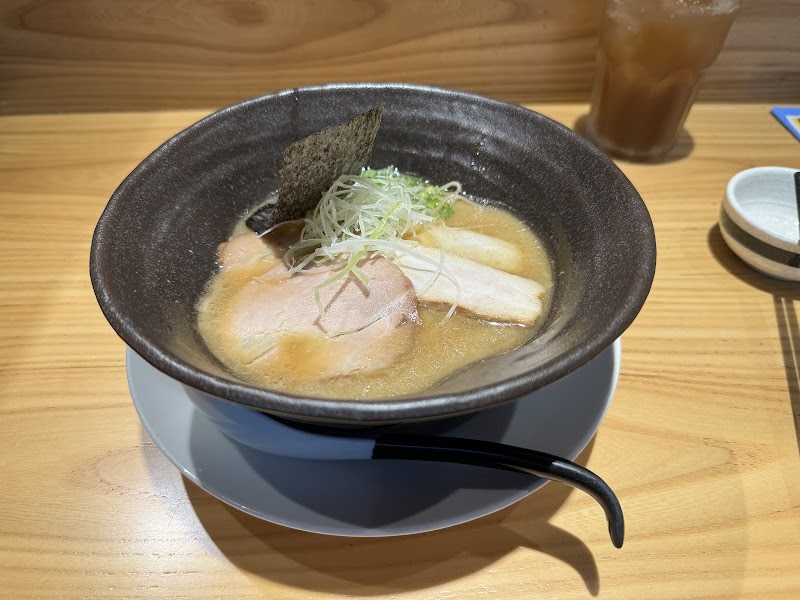
At CHIJMES, the Shoyu Hamaguri is the must-try — clam broth with truffle paste, porcini oil, and two types of chashu. At Great World City, try the Oyster Paitan instead.
03
Enjoy the Free Clam Rice
Every ramen order includes complimentary fukugawa meshi (clam rice). This small appetizer sets the mood and lets you taste the quality of the clams before the main bowl arrives.
04
Slurp Loudly
In Japanese ramen culture, slurping is a sign of enjoyment and respect to the chef. Don't hold back — the louder, the better.
05
Collect All Concepts
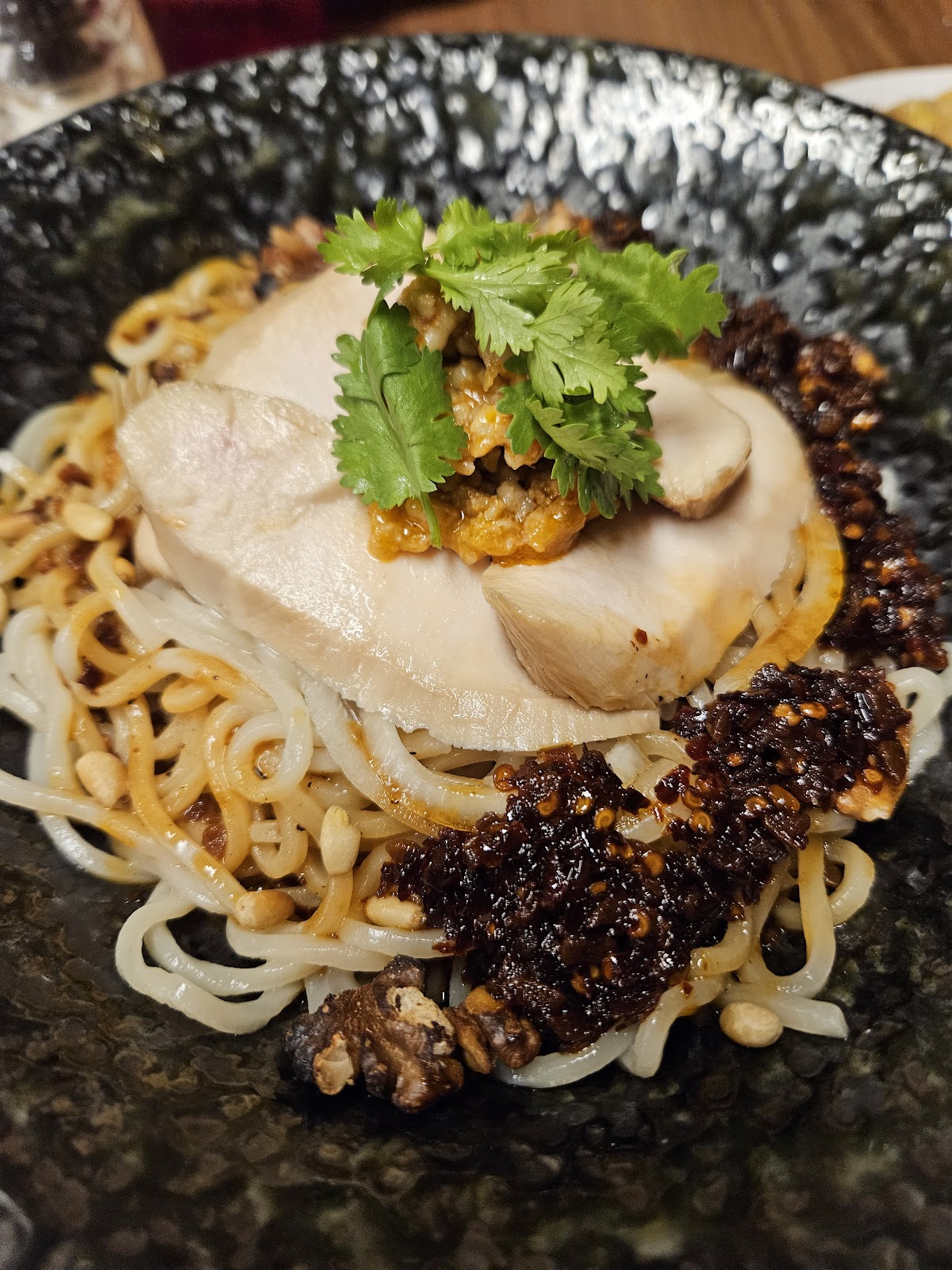
Like Keisuke, each Konjiki Hototogisu outlet has a different specialty. The CHIJMES flagship is the must-visit, but the charcoal ribs at Causeway Point and oyster broth at Great World are worth exploring.
Editor's Note
Konjiki Hototogisu offers the closest thing to Michelin-starred ramen you'll find at this price point. The CHIJMES outlet is the one to visit — it's closest to Chef Yamamoto's original Tokyo vision, and the clam broth with truffle is genuinely special. At S$16.90 for a Michelin-level bowl, the value is exceptional. The free clam rice is a charming touch. Go during off-peak hours (2-5pm) to avoid queues at CHIJMES. For a different experience, the Oyster Paitan at Great World City is a hidden gem.
Frequently Asked Questions
Does Konjiki Hototogisu have a Michelin star?▾
The Tokyo original held a Michelin Star from 2019-2023 and Bib Gourmand from 2015-2018. The Singapore outlets do not hold a separate Michelin rating but serve the same recipes.
How much does Konjiki Hototogisu cost?▾
Ramen bowls range from S$13.90-16.90. With an add-on ajitama egg (S$2), expect S$15-20 per person. Complimentary clam rice is included.
Which Konjiki Hototogisu outlet is best?▾
CHIJMES is the flagship and serves the original Shoyu Hamaguri with truffle — most faithful to the Tokyo experience. Great World City's exclusive Oyster Paitan is also highly rated.
Why Konjiki Hototogisu in Singapore
Singapore's Japanese food scene is one of the most competitive outside Japan, with hundreds of restaurants ranging from S$5 hawker-style ramen to S$500 omakase. In this crowded landscape, Konjiki Hototogisu has carved out a loyal following by delivering consistent quality at its price point. Whether you are a first-time visitor to Singapore looking for reliable Japanese food, or a resident seeking a trusted regular spot, this chain offers a dependable experience across all its outlets. The standardised recipes mean you get the same quality whether you visit the Orchard outlet or the one in your neighbourhood mall.
For tourists, the multi-outlet presence means there is likely a location near your hotel or on your itinerary. For residents, it means a familiar meal is never far away. Umami Compass recommends checking the individual area pages for outlet-specific details including exact addresses, nearest MRT stations, and local tips.
Ordering Tips
First-timers should start with the signature dish — it is the item the kitchen has perfected and the reason the chain built its reputation. If you are dining with a group, order a variety of items to share and discover your favourites. Lunch sets typically offer better value than ordering à la carte. Check the restaurant's social media for seasonal promotions and limited-time items. Most outlets are walk-in only with no reservations, so arriving slightly before or after peak lunch hours (12–1pm) will reduce waiting time.
From Shinjuku Side Street to Singapore: The Konjiki Story
Konjiki Hototogisu began as a tiny 10-seat ramen shop tucked away in a side street of Tokyo's Shinjuku district — the kind of place you would walk past without noticing unless someone told you it was there. Chef Atsushi Yamamoto opened it in 2006 with a radical idea: instead of the heavy, pork-bone-forward tonkotsu that dominates Japanese ramen culture, he would build his broth around hamaguri clams, dried sardines, and a careful balance of dashi — creating a shio (salt) ramen that was elegant, layered, and unlike anything else in the ramen world. The Michelin Guide agreed, awarding the shop a star — a remarkable achievement for a ramen shop in a city with thousands of them. The signature bowl features a crystal-clear golden broth (hence the name 'konjiki' — golden) finished with Italian truffle oil, an unconventional touch that adds an earthy depth without overwhelming the delicate seafood base. The noodles are thin and straight, designed to carry just enough broth with each slurp. Each component is calibrated with surgical precision — this is ramen as fine dining, stripped of pretension but full of craft. The Singapore outpost brings this philosophy intact, offering a ramen experience that stands apart from the tonkotsu-heavy landscape of the local scene. For diners who find standard tonkotsu too heavy or one-dimensional, Konjiki Hototogisu offers a revelatory alternative: proof that ramen can be subtle, complex, and refined.
How to Visit
Most outlets are located in major shopping malls across Singapore, easily accessible by MRT. No reservations are needed — simply walk in. During peak lunch hours (12:00–1:30pm) and dinner hours (6:00–7:30pm), expect short waiting times at popular outlets. Weekday afternoons between 2:00–5:00pm are generally the quietest. Payment methods typically include cash, NETS, Visa, Mastercard, and contactless payments. Many outlets are also available on food delivery platforms such as GrabFood, foodpanda, and Deliveroo for those who prefer to enjoy the food at home.
Understanding the Cuisine
Japanese cuisine is built on a few core principles that elevate even the simplest dishes. Umami — the 'fifth taste' — is central: a deep, savoury satisfaction that comes from ingredients like dashi (stock made from kelp and bonito), soy sauce, miso, and fermented seasonings. Balance is everything: sweet, salty, sour, bitter, and umami are calibrated in each dish to create harmony rather than dominance of any single flavour. Presentation matters: even at casual restaurants, food is arranged with care because the Japanese dining philosophy holds that you eat first with your eyes. Seasonality drives the menu: ingredients are chosen at their peak freshness, which is why you will often see seasonal specials that rotate throughout the year. Understanding these principles helps you appreciate why a seemingly simple bowl of rice and beef can feel like a complete, satisfying meal — every element has been considered.