Bincho at Hua Bee
What Makes Bincho Special
About Bincho at Hua Bee
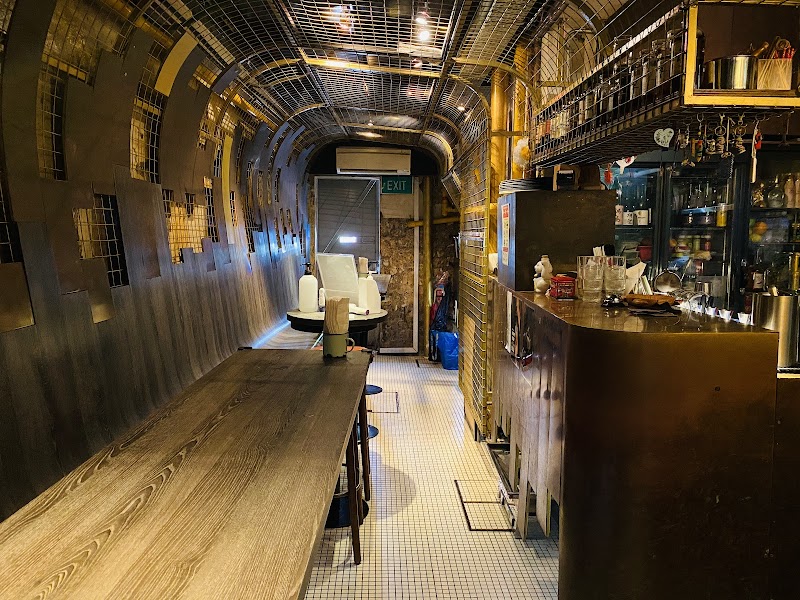
Few restaurants in Singapore manage to be genuinely surprising, but Bincho at Hua Bee achieves this at the door. By day, Hua Bee operates as a beloved Tiong Bahru kopitiam — mee pok noodles, kaya toast, condensed milk coffee — a living relic of Singapore's hawker heritage dating back to the 1940s, and famous as the filming location of the 1995 film Mee Pok Man. When evening falls, the front stalls close and guests enter through the back door, past the alley, under the air-conditioning vents, into a different world entirely.
Inside, the original marble tables and wooden chairs of the kopitiam remain, now sharing space with a copper-hued yakitori counter where Chef Asai Masashi grills over authentic Japanese binchō-tan white charcoal — the smokeless hardwood charcoal that burns at temperatures impossible to achieve with conventional fuel. Named after the charcoal itself, Bincho is inspired by the small yakitori-ya of Osaka: intimate, counter-focused, centred on chicken in all its forms. The set menus change daily on a chalkboard, covering every part of the bird alongside seasonal vegetables, seafood, and other meats. A serious bar occupies the rear passageway, stocked with Japanese whisky, sake, shochu, and inventive Japanese-inspired cocktails.
Bincho now operates under the Yujin Izakaya family, continuing the restaurant's decade-long legacy in Tiong Bahru. Counter seats (9 seats) allow guests to watch Chef Asai work directly; additional tables in the kopitiam area seat up to 27. Reservations are strongly recommended, with two dinner sittings: 6–7pm and 8:30–9:30pm.
Compass Verdict
A charcoal-grilled Japanese izakaya inside a 1970s kopitiam — Bincho at Hua Bee is one of Tiong Bahru's most iconic dining experiences. The juxtaposition of binchotan yakitori and old-school kopitiam tiles creates an atmosphere that exists nowhere else in Singapore. The skewers and sake selection are excellent. For those who want Japanese food with Tiong Bahru's famous neighbourhood character.
Recommended For
Menu & Pricing
Set menus change daily according to availability. À la carte also available. All prices before GST and service charge.
| Fuji Set — yakitori omakase (approx. 11 items) | S$80 |
| Bincho Set — extended yakitori omakase | S$120 |
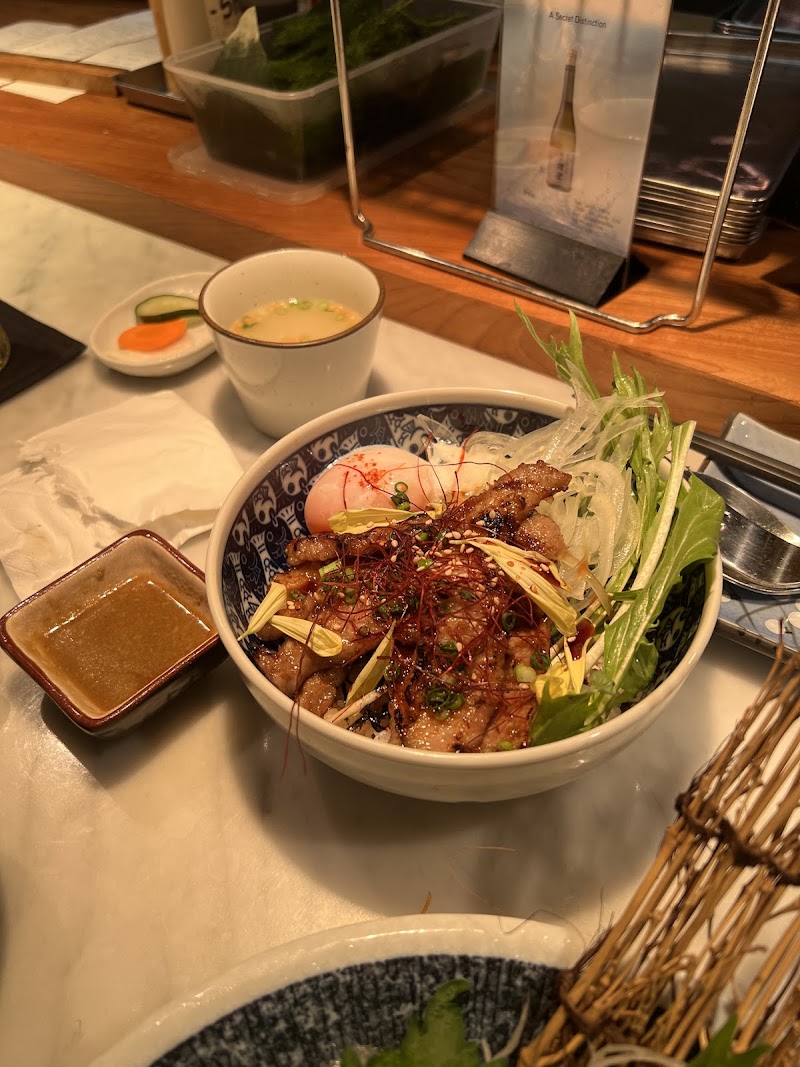
| Weekend Lunch — Donburi sets | from S$25 |
| À la carte skewers | from S$6 / skewer |
| Japanese cocktails & Japeritifs | from S$18 |
| Japanese craft beers (imported) | from S$15 |
Practical Information
Dietary Information
Photos
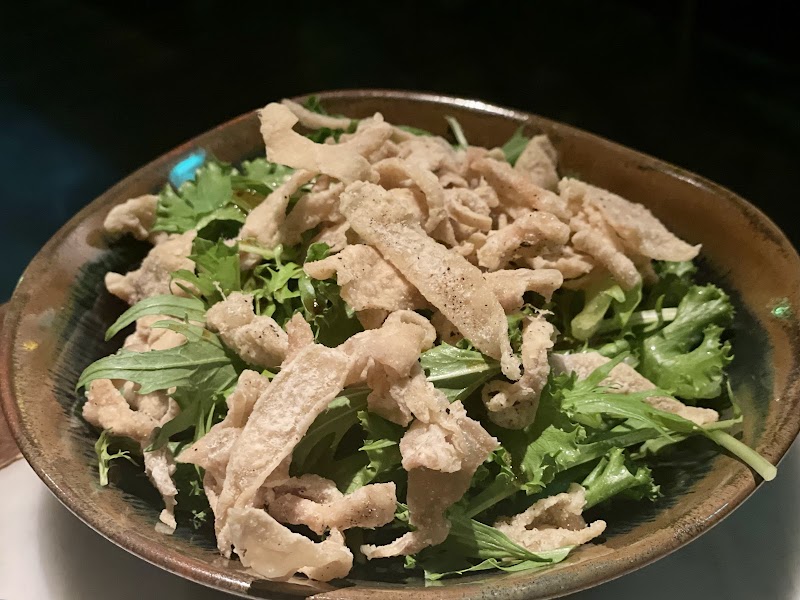
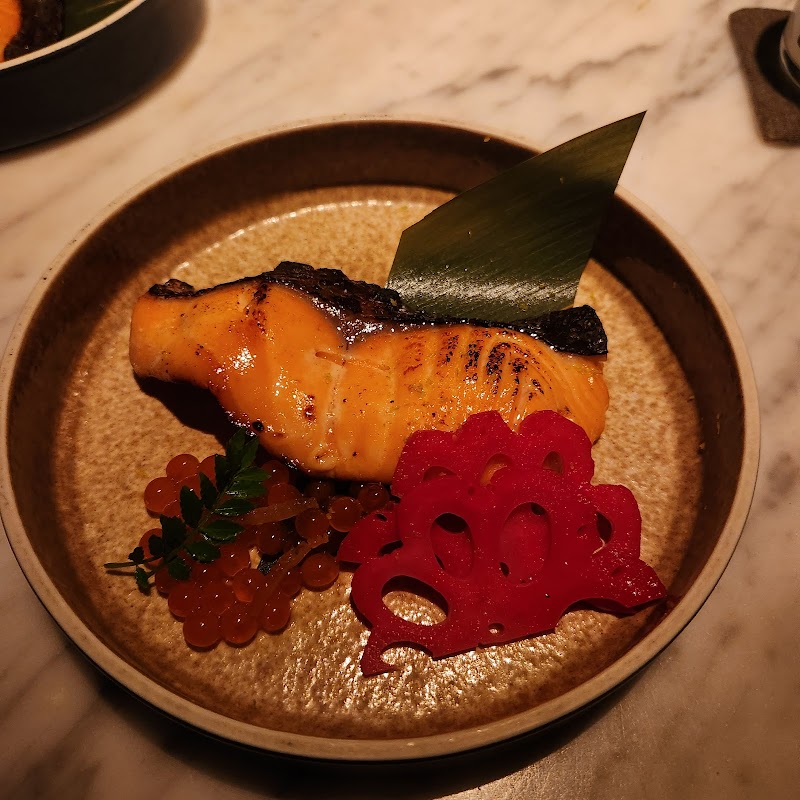
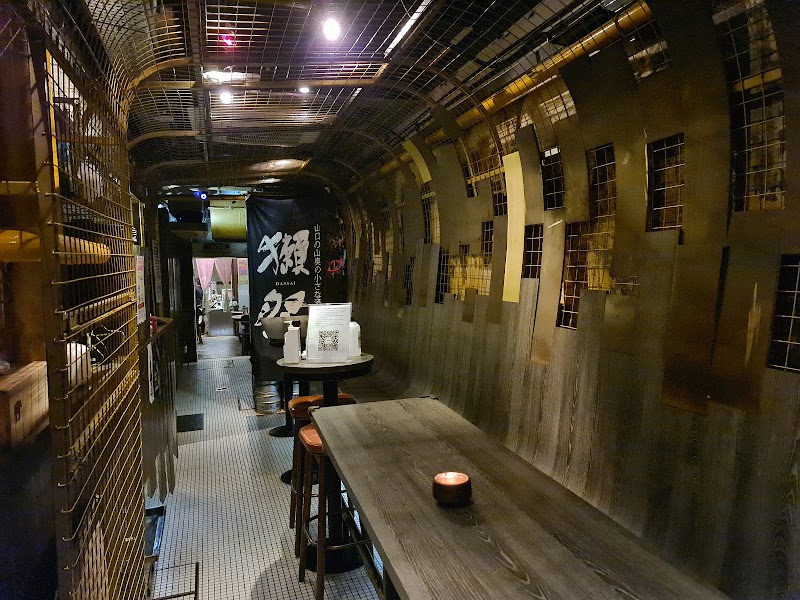
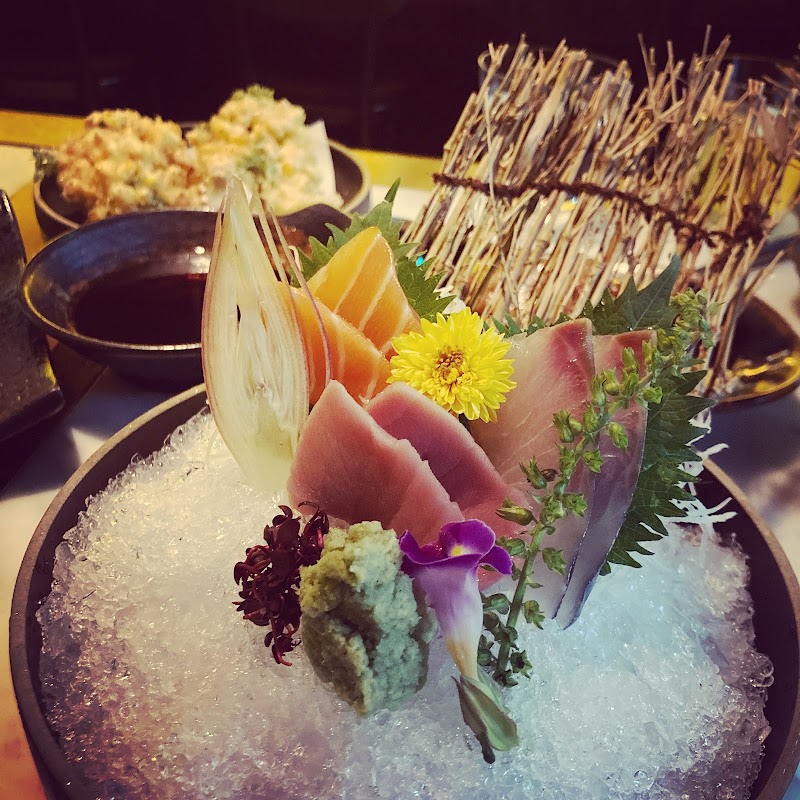
Location
78 Moh Guan Terrace, #01-19, Singapore 162078
⚠️ Night entrance: through the back door, not the kopitiam front
📍 Open in Google MapsYour Dining Journey
A guide to the full Bincho experience — from the kopitiam entrance to the final whisky.
Arrival — Finding the Back Door
Walk past the mee pok stall and marble tables of Hua Bee kopitiam, then follow the alley to the back entrance. A lit door handle under the air-conditioning vents marks the threshold. The deliberate difficulty of finding it is part of the experience — you've arrived somewhere worth finding.
Counter Seats — Prime Position
Request counter seats when booking. Nine seats wrap around Chef Asai Masashi's yakitori station — you watch each skewer placed on the binchō-tan grill, flames occasionally licking the ceiling. The chef's technique is unconventional: each piece is grilled individually without skewers, for more controlled heat contact.
The Yakitori — Nose-to-Tail Chicken
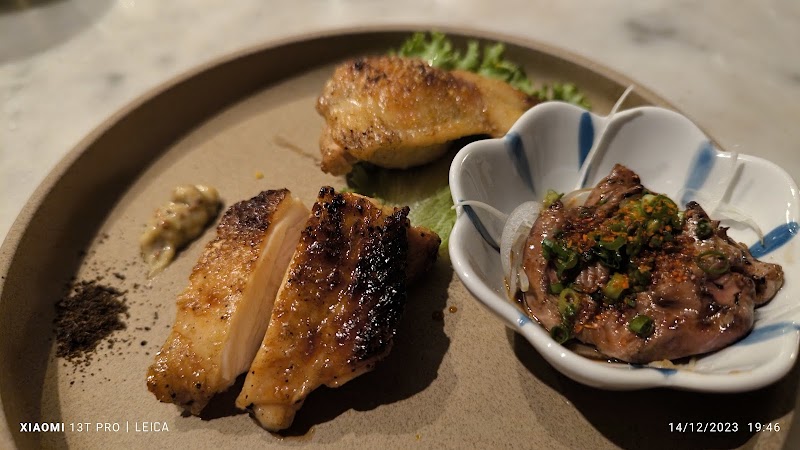
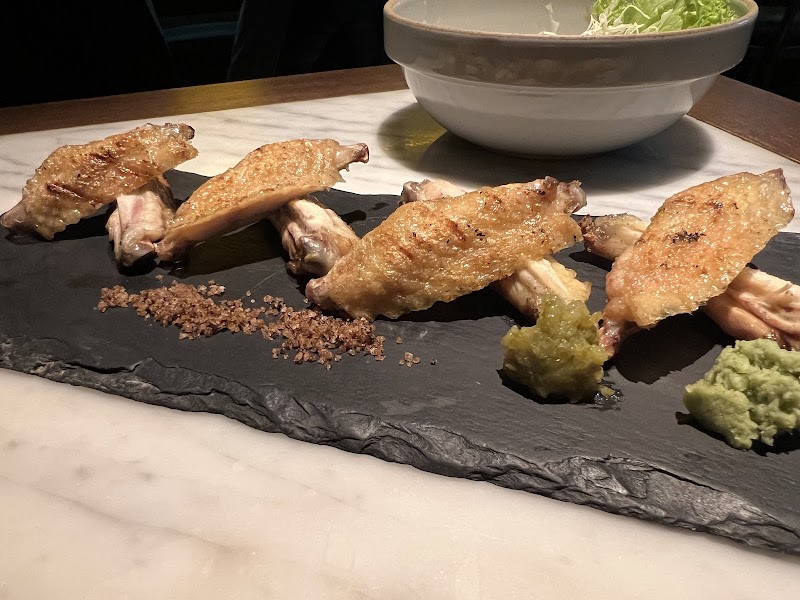
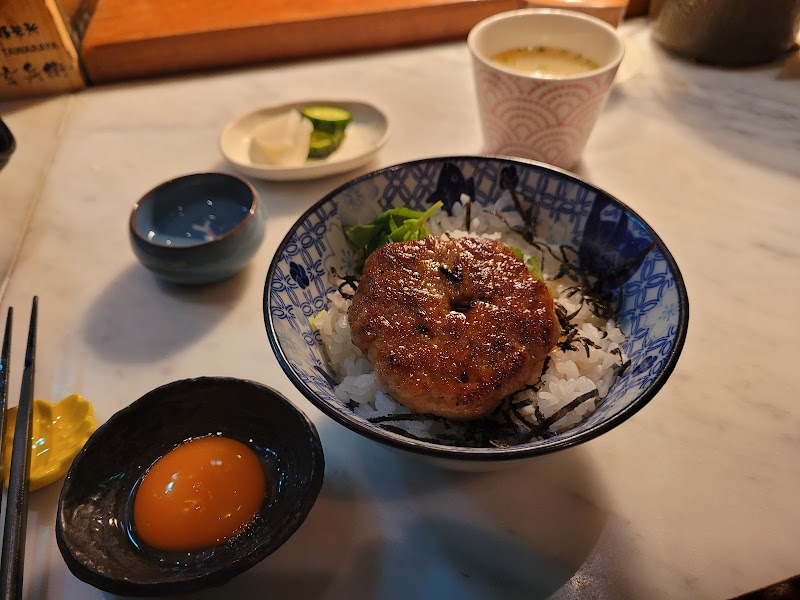
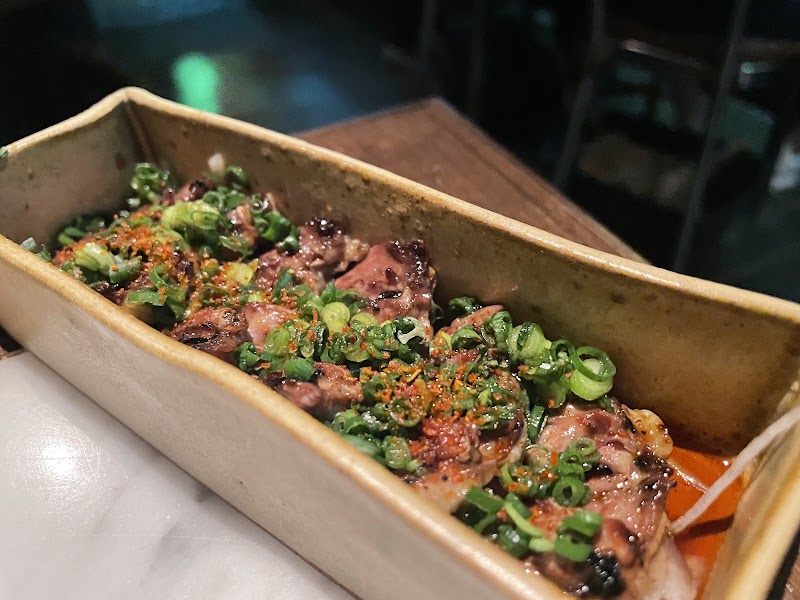
The Fuji (S$80) or Bincho (S$120) set menus open with an assorted appetiser before moving through grilled chicken in its entirety: thigh, wing, breast, liver, heart, neck, tail, and soft bone. The tsukune (chicken meatball, often with chawanmushi) is a consistent highlight. The charcoal imparts a depth of flavour that gas simply cannot replicate.
The Bar — Speakeasy Corridor
The bar occupies the narrow rear passageway that doubles as the night entrance. Stocked with Japanese whisky, an extensive sake and shochu list, and craft beers imported from Japan. The house cocktails — called 'Japeritifs' — blend Japanese spirits with progressive bar techniques. Ten bar seats; arrive early if you want them.
Finale — Mini Oyako Don & Dessert
The set menus close with a mini oyako don — chicken and egg on rice, done authentically Japanese with juicy meat and well-seasoned moist rice. A simple dessert follows. The meal ends slowly, over the last drink of the evening. Bincho does not rush its guests — and guests rarely want to leave.
Editor's Note
Book well in advance — Bincho is consistently full and two dinner sittings mean limited flexibility. Request counter seats: watching the binchō-tan grill at close range is half the experience. Bring cash — no card payments are accepted. The Fuji set (S$80) is excellent value; the Bincho set (S$120) adds more variety. Arrive slightly early for the first sitting to secure bar seats before the meal. Note that food pacing can be slow, especially when the restaurant is busy — factor in a minimum of two hours for dinner. The kopitiam section with marble tables is a perfectly fine dining spot if counter seats are unavailable.