At a Glance
About SABAR
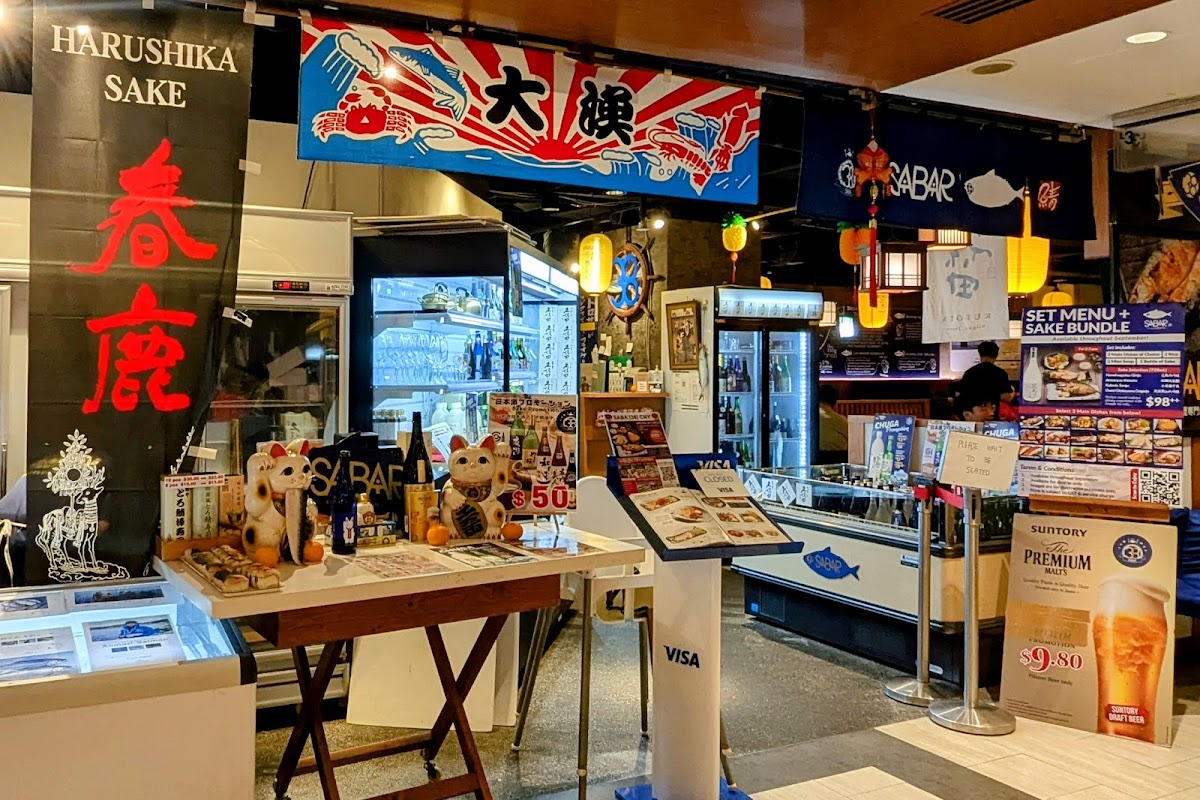
SABAR is the kind of restaurant that could only exist in a dining ecosystem as sophisticated as Tanjong Pagar's. It is a restaurant dedicated entirely to mackerel — specifically to Toro Saba, the premium grade mackerel from Japan's North Pacific coast. In most countries, a restaurant serving only one type of fish would struggle to fill tables. In Tanjong Pagar, where the Japanese expat community and food-curious locals have created demand for the kind of specialist dining that exists in Tokyo's backstreets, SABAR has found a devoted audience. Located on Level 3 of 100AM mall within the Itadakimasu by PARCO dining cluster — a curated collection of quality Japanese restaurants — SABAR occupies a space that is both accessible and specifically targeted at diners who appreciate the difference between generic supermarket saba and the premium Toro Saba that this restaurant serves exclusively.
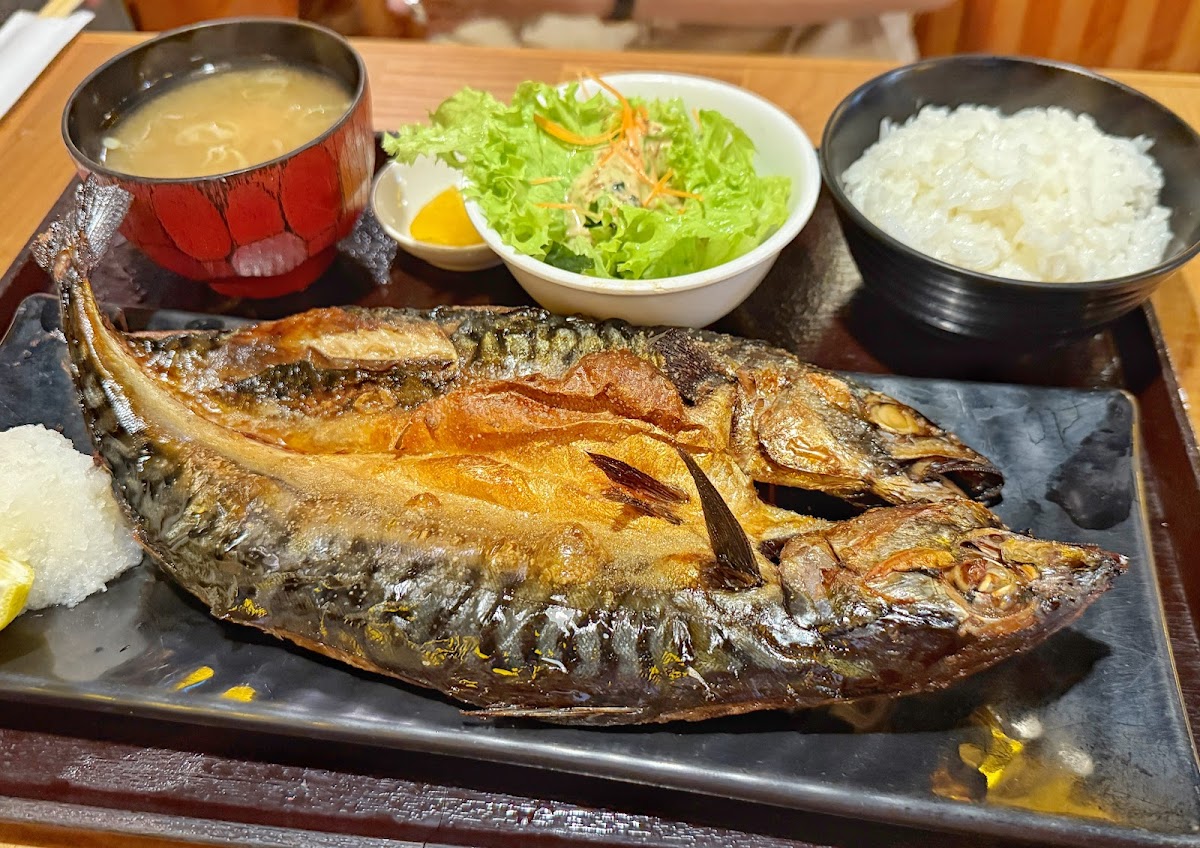
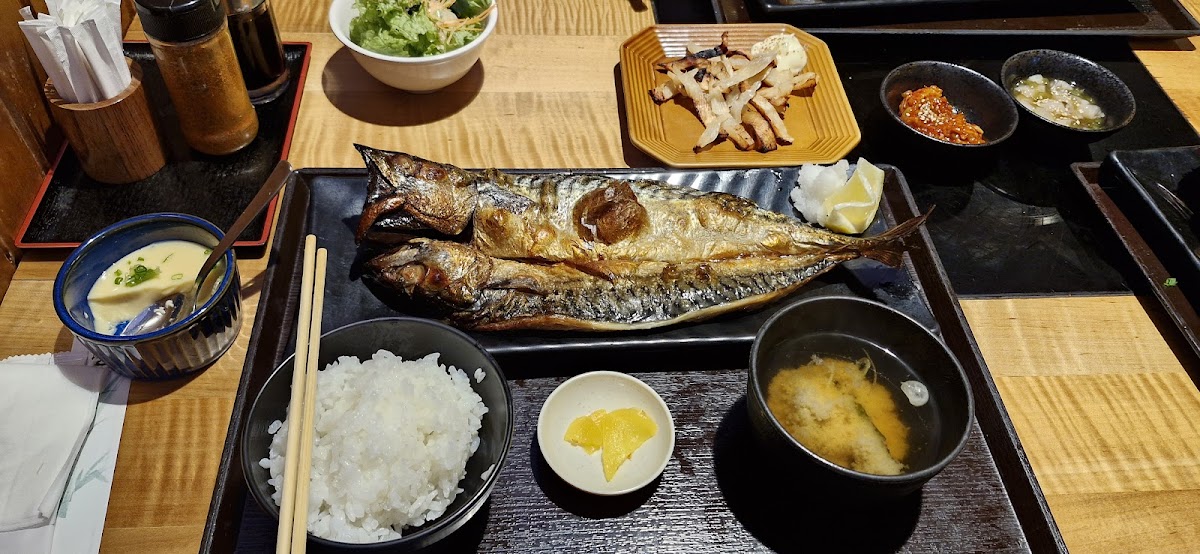
The Toro Saba that SABAR serves is not the standard mackerel you find at conveyor-belt sushi chains. To qualify as Toro Saba, the mackerel must meet three criteria: it must come from the North Pacific coast of Japan, it must weigh over 550 grams, and it must have a lipid content of at least 21%. This high fat content is what gives Toro Saba its characteristic richness — when grilled, the fat renders and bastes the fish from within, producing flesh that is moist, flavourful, and dramatically different from the dry, sometimes fishy saba that gives mackerel a bad reputation. The signature Grilled Toro Saba Set (shioyaki — salt-grilled) at S$13.80 on weekday lunch is the dish to order first. The fish arrives beautifully grilled with crisp skin and succulent flesh that flakes in layers. It is served with salad, chawanmushi, miso soup, yellow pickles, and rice — a complete teishoku that is one of the most affordable quality Japanese lunch sets in the Tanjong Pagar CBD. The fish is noticeably larger and fattier than the saba you get at typical Japanese restaurants, and the difference is apparent from the first bite.
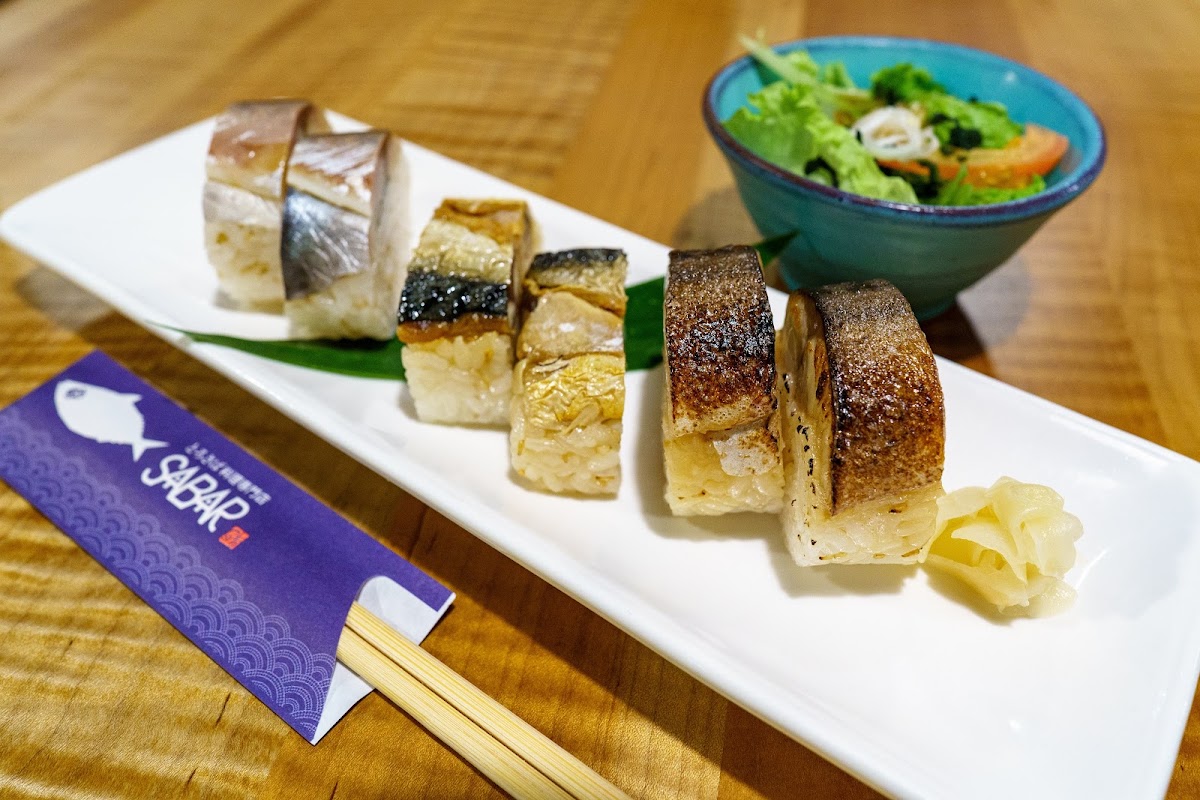
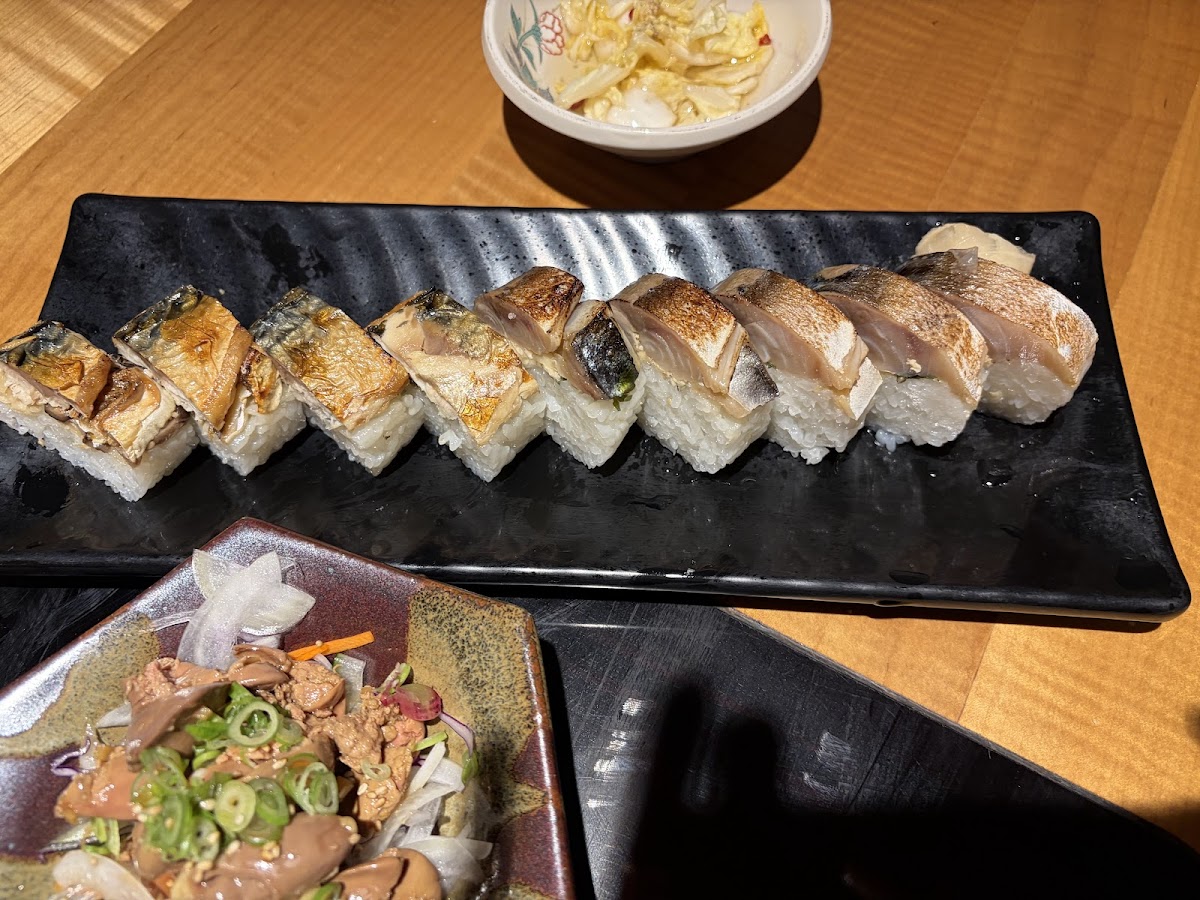
Beyond the signature grilled set, SABAR explores every possible preparation of mackerel with creative variety. The Toro Saba Sushi Kyoto Style (10 pieces at S$16.80) presents the fish in the traditional Kyoto pressed sushi format — a technique where the fish is cured with vinegar and pressed onto rice, creating a different textural and flavour experience from standard nigiri. Fresh Toro Saba Sashimi at S$18 showcases the raw fish at its purest, sliced thick enough to appreciate the fatty richness that the 21% lipid content provides. Toro Saba Fish and Chips at S$13.80 is the fusion option — mackerel in a light batter that is crispier and more refined than Western fish and chips. Katsu Don at S$15.80 applies the breaded-and-fried treatment to saba, served over rice with egg in the classic katsudon format. The menu also includes grilled gindara (sablefish), salmon, and hokke (atka mackerel) for those who want variety, but the saba dominates — and should dominate — because this is a restaurant where the entire purpose is to demonstrate what mackerel can be when it is sourced impeccably and prepared with respect. For diners who think they do not like mackerel, SABAR is the restaurant that will change their minds.
Compass Verdict
Mackerel (saba) specialist from Osaka — grilled, simmered, and prepared in multiple ways. SABAR celebrates a humble fish that most restaurants treat as an afterthought. The set meals with Toro Saba (fatty mackerel) are the signature. Budget-friendly and uniquely focused.
Recommended For
Menu & Pricing
Mackerel-focused menu with grilled, sushi, sashimi, and creative preparations. Prices approximate. Weekday lunch specials available.
| Item | Description | Price |
|---|---|---|
| Grilled Toro Saba Set | Salt-grilled premium mackerel + salad + chawanmushi + miso soup + rice + pickles | S$13.80 (weekday lunch) |
| Toro Saba Sushi Kyoto Style | 10 pieces of pressed saba sushi — Kyoto cured vinegar style | S$16.80 |
| Fresh Toro Saba Sashimi | Thick-cut raw mackerel showcasing the 21% lipid richness | S$18 |
| Toro Saba Fish & Chips | Light batter — crispier and more refined than Western versions | S$13.80 |
| Saba Katsu Don | Breaded mackerel over rice with egg in katsudon format | S$15.80 |
| Grilled Gindara / Salmon | Non-saba options for variety — grilled sablefish or salmon set | ~S$18–25 |
The SABAR Experience
100AM Level 3 — The Itadakimasu Cluster
SABAR sits within Itadakimasu by PARCO, a curated cluster of quality Japanese restaurants on Level 2 and 3 of 100AM mall. This is not a random food court but a carefully selected collection of specialist Japanese dining concepts — each restaurant focuses on one particular aspect of Japanese cuisine and does it exceptionally well. SABAR's mackerel specialisation fits perfectly within this ecosystem. The 100AM location means you are a five-minute walk from Tanjong Pagar MRT (Exit A), and the building itself houses The Public Izakaya on the ground floor, Maguro Brothers, Ramen Keisuke Tori King, and other Japanese options across its floors — making it one of the densest concentrations of Japanese dining in the CBD. If your group cannot agree on mackerel, alternatives are steps away within the same building.
Toro Saba — Why This Mackerel Is Different
Most people's experience of mackerel (saba) in Singapore is a thin, sometimes dry fillet at a conveyor-belt sushi chain or a pre-packed grilled fish at a food court. It is a fish that many diners think they do not like, associating it with strong fishiness and an unpleasant texture. Toro Saba is a fundamentally different product. The three criteria — North Pacific Japanese origin, minimum 550g weight, minimum 21% lipid content — select for mackerel that is larger, fattier, and more flavourful than standard saba by a significant margin. The high fat content means the fish is self-basting when grilled: the oils render slowly under heat, keeping the flesh moist and adding a richness that is more reminiscent of salmon belly than of standard mackerel. The skin crisps beautifully because of the fat beneath it, creating a textural contrast between crisp exterior and tender, flaky interior that is deeply satisfying. If you have dismissed mackerel based on previous experiences, SABAR will ask you to reconsider. The difference between standard saba and Toro Saba is comparable to the difference between battery chicken and free-range — technically the same species, functionally a different product entirely.
The S$13.80 Weekday Lunch — CBD Treasure
The weekday lunch special at S$13.80 for the Grilled Toro Saba Set is one of the best-kept lunch secrets in the Tanjong Pagar CBD. For less than the price of many fast-food combo meals, you receive a generously sized piece of premium grilled mackerel with crisp skin and succulent flesh, accompanied by a fresh salad, a silky chawanmushi (steamed egg custard), a bowl of miso soup, yellow pickles, and a bowl of rice. It is a complete, balanced, nutritious Japanese teishoku that takes approximately 30 minutes to eat and costs less than S$16 after tax. For CBD workers who eat lunch every weekday and want to break the cycle of food court monotony without breaking the budget, SABAR's weekday lunch is the answer they have been looking for. The fish is larger and better than what you get at most restaurants charging twice the price, the accompanying dishes are properly prepared rather than perfunctory, and the overall quality-to-price ratio is exceptional. Come at 11:30am for immediate seating; by 12:30pm the restaurant fills with Tanjong Pagar's value-conscious lunch crowd who have discovered this secret.
Beyond Grilled — The Saba Repertoire
SABAR demonstrates that mackerel is one of the most versatile fish in Japanese cuisine — a claim that surprises diners who have only experienced it grilled. The Kyoto-style sushi (10 pieces at S$16.80) cures the saba with vinegar and presses it onto rice in the centuries-old Kyoto tradition — the vinegar tenderises the fish and adds a tangy brightness that cuts through the natural richness. The fresh sashimi at S$18 is for those who want to taste Toro Saba at its most naked — thick slices of raw fish that reveal the creamy, fatty texture that 21% lipid content provides. The fish and chips version at S$13.80 wraps the saba in a light batter that fries up crispier than cod or haddock, with the natural oils of the fish keeping the interior moist while the batter crisps. The katsu don at S$15.80 applies the breaded treatment, creating a saba version of the comfort-food classic. And on days when numbers 3 and 8 fall (a play on the SABAR name — sa=3, ba=8), a special customisable set for 2–3 people is offered at S$38++. Each preparation reveals a different facet of the fish, and working through the menu over multiple visits is the best way to appreciate why mackerel, when sourced at this quality level, deserves its own dedicated restaurant.
The Single-Fish Restaurant — Specialist or Eccentric?
The concept of a restaurant dedicated entirely to mackerel sounds eccentric until you consider the Japanese dining tradition of extreme specialisation. In Tokyo, there are restaurants that serve only eel, only tempura, only tonkatsu, only gyutan — and each has thrived for decades by doing one thing exceptionally well. SABAR follows this tradition faithfully, bringing the same single-minded devotion to mackerel that Gyutan-Tan brings to beef tongue or Torikami brings to yakitori. The advantage of this approach is focus: every aspect of the restaurant — sourcing, preparation, presentation, pricing — is optimised for one ingredient. The chefs understand mackerel at a level that generalist Japanese restaurants cannot match, because they work with it exclusively, every day, across multiple preparations. This expertise translates directly to the quality on the plate. When you eat Toro Saba at SABAR, you are eating mackerel prepared by people who have devoted their professional lives to understanding what makes this specific fish exceptional, and that dedication is tasted in every bite.
Practical Information
Dietary Information
Tanjong Pagar — Singapore's Japanese Food Capital
The Neighbourhood
Tanjong Pagar holds the highest concentration of Japanese restaurants in Singapore, with over 45 establishments. From Michelin-starred omakase to late-night ramen, this is the most complete Japanese dining neighbourhood in Southeast Asia.
Insider Tips — Dining at SABAR
The weekday lunch Grilled Toro Saba Set at S$13.80 is the best-value Japanese lunch in 100AM — order it on your first visit. The Kyoto-style sushi (10pc S$16.80) is the most unique preparation. Ask about seasonal specials — autumn toro saba with yuzu is exceptional. 100AM Level 3 has other quality Japanese options if your group wants variety. The fish is noticeably bigger and fattier than standard saba — that is the Toro Saba difference.
Planning Your Visit to Tanjong Pagar
Tanjong Pagar MRT (East-West Line) is the main access point. Parking at Guoco Tower, International Plaza, 100AM, Icon Village. The area is compact and walkable — most Japanese restaurants within 10 minutes of the MRT.
Editor's Note
SABAR answers a question that most people have never thought to ask: what happens when you dedicate an entire restaurant to mackerel? The answer, it turns out, is something genuinely special. The Toro Saba — premium North Pacific mackerel with 21% lipid content — is a fundamentally different fish from the thin, dry saba that has given mackerel its unfair reputation. Grilled, it is moist, rich, and deeply flavourful. As sashimi, it reveals a creamy fattiness that surprises even seasoned fish eaters. As Kyoto-style pressed sushi, it achieves a vinegar-brightened elegance that is unique in Tanjong Pagar. And the weekday lunch at S$13.80 for a complete grilled teishoku is one of the genuine bargains in the CBD — a quality Japanese meal at a price that makes daily visits financially viable. SABAR will not be the restaurant you bring clients to for a power dinner, but it may become the restaurant you eat at three times a week for lunch, quietly enjoying the best mackerel in Singapore while your colleagues eat the same food court chicken rice they have eaten for years.