Highlights
About
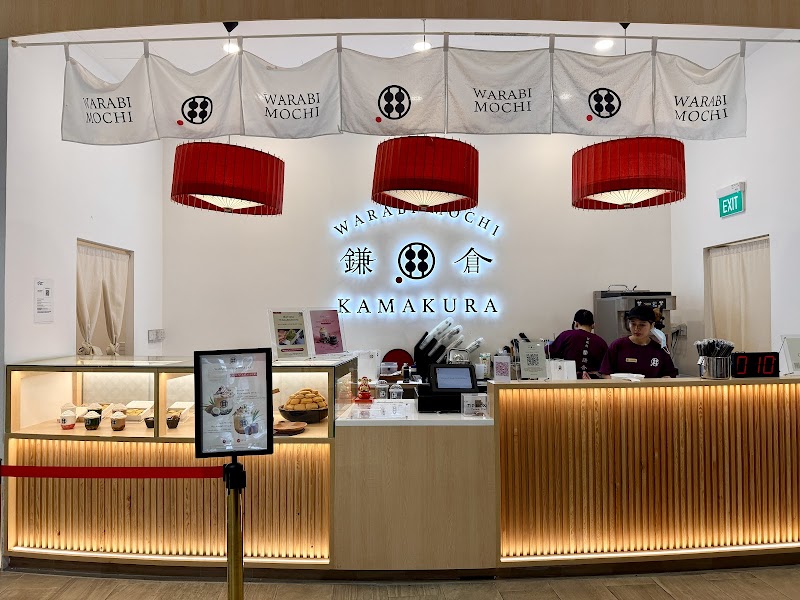
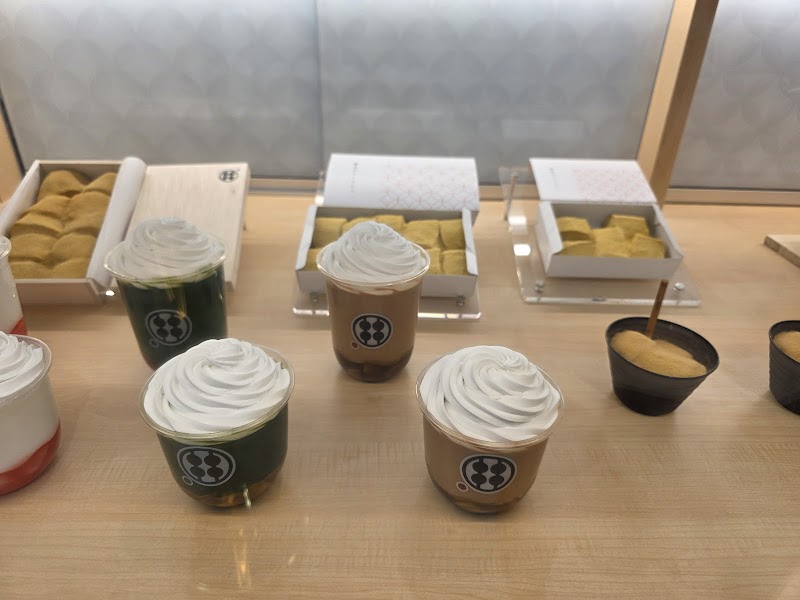
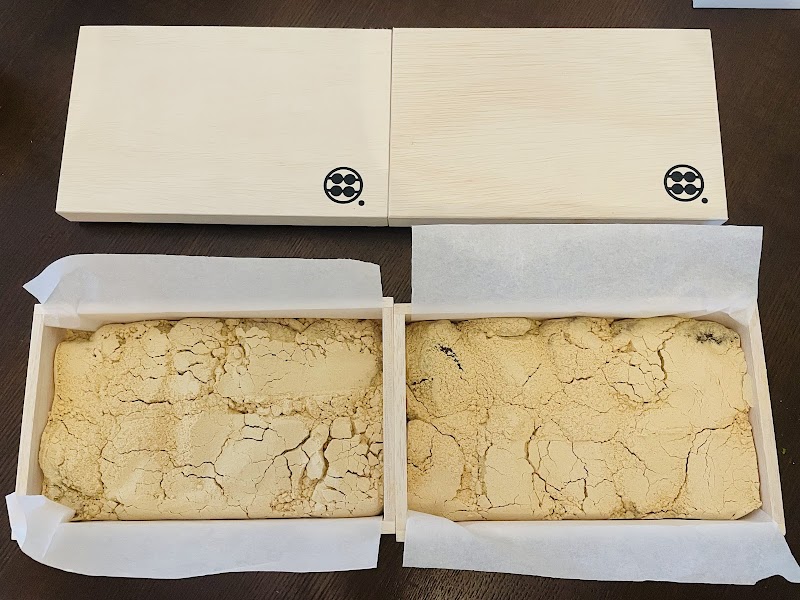
Warabimochi Kamakura (わらびもち鎌倉) brings one of Japan's most refined traditional desserts to Waterway Point. Warabimochi is a confection made from warabi-ko (bracken starch) — a natural plant starch extracted from the roots of the warabi fern. Unlike regular mochi (made from glutinous rice), warabimochi has a uniquely soft, jiggly, almost translucent texture that melts on the tongue. It is traditionally dusted with kinako (roasted soybean powder) and drizzled with kuromitsu (Japanese black sugar syrup), creating a dessert that is simultaneously earthy, nutty, and sweet.
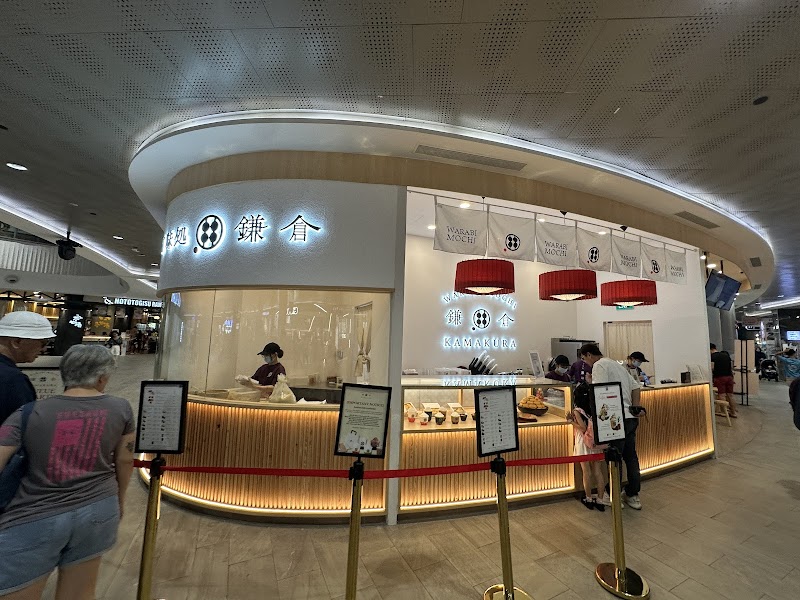
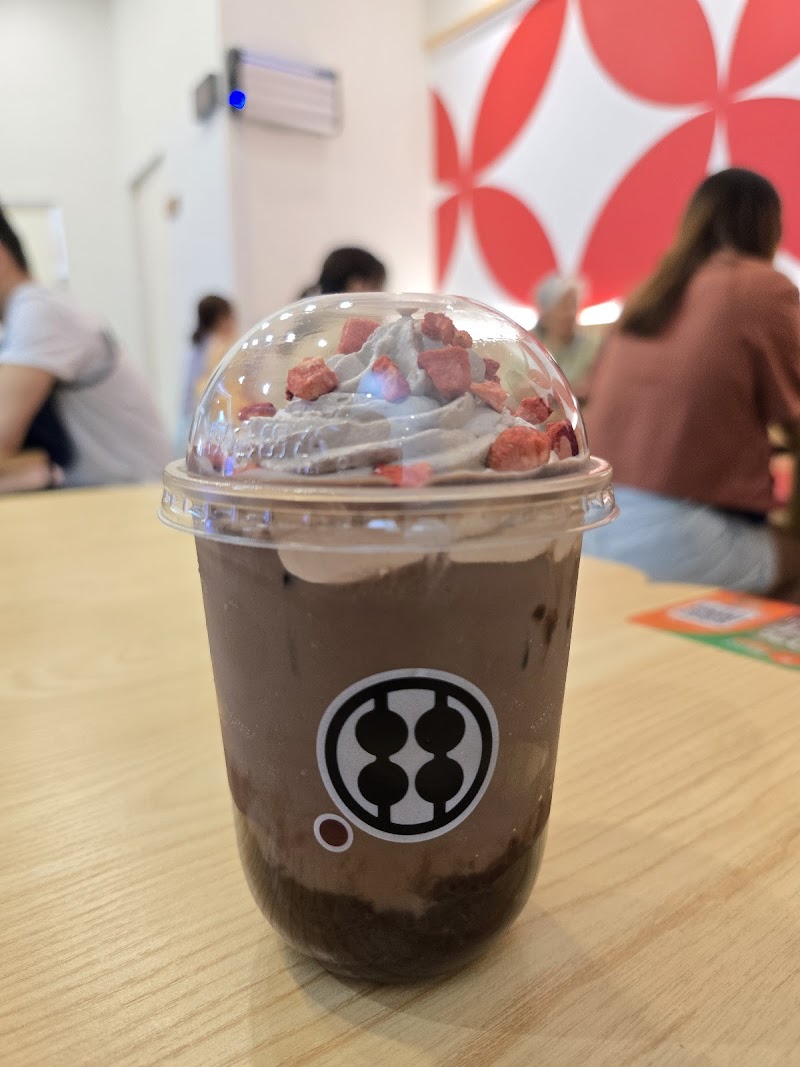
The Waterway Point outlet (#01-72/73) is part of a Japanese chain that has expanded to Singapore, bringing authentic warabimochi-making techniques and high-quality warabi-ko sourced from Japan. The menu extends beyond traditional warabimochi to include warabimochi drinks (blended warabimochi with milk tea or matcha latte), warabimochi soft serve (ice cream topped with warabimochi pieces and kinako), and seasonal flavour variations. The matcha warabimochi uses Uji matcha from Kyoto; the hojicha version uses premium roasted green tea that adds a toasty, caramelised note.
For Punggol and Sengkang residents, Warabimochi Kamakura fills a unique dessert niche that no other outlet in the area covers. While Châteraisé offers cakes and ice cream (Western-influenced Japanese patisserie), Warabimochi Kamakura focuses on a purely traditional Japanese confection that most Singaporeans have never encountered. The warabimochi experience is sensory: the soft, bouncy texture is unlike anything in Western or local dessert traditions, and the combination of kinako's nutty warmth with kuromitsu's deep sweetness creates a flavour profile that is distinctly, unmistakably Japanese.
Recommended For
Menu & Pricing
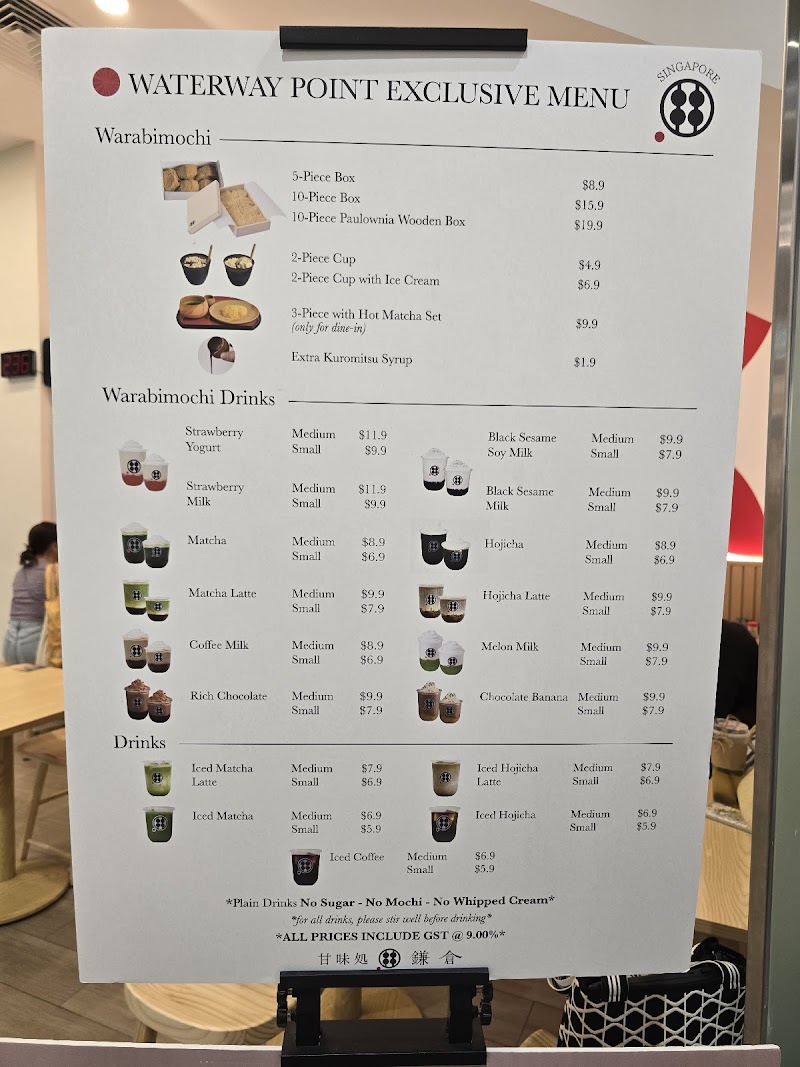
| Item | Price | Notes |
|---|---|---|
| Original Warabimochi (Kinako) Traditional warabimochi with roasted soybean powder and kuromitsu | S$5.80 | Classic |
| Matcha Warabimochi Uji matcha-dusted warabimochi | S$6.80 | Popular |
| Hojicha Warabimochi Roasted green tea warabimochi — toasty, caramelised | S$6.80 | Unique |
| Warabimochi Drink Blended warabimochi pieces in milk tea or matcha latte | from S$6.90 | Refreshing |
| Warabimochi Soft Serve Soft serve ice cream topped with warabimochi, kinako, kuromitsu | from S$7.80 | Instagram hit |
* Prices subject to GST. Menu may vary.
Practical Info
Dietary Info
Your Visit
Your First Warabimochi
Start with the Original Kinako Warabimochi (S$5.80) — this is the purest expression. The translucent, jiggly pieces come dusted in golden kinako powder with a pot of kuromitsu syrup. Pour the kuromitsu over the warabimochi, mix gently, and eat with the provided pick. Let it melt on your tongue — do not chew aggressively. The texture is the point: soft, yielding, almost dissolving. The kinako adds nutty warmth, the kuromitsu adds deep sweetness. If you enjoy matcha, the Matcha Warabimochi (S$6.80) adds earthy bitterness. For a drink: the Warabimochi Milk Tea blends chewy mochi pieces into bubble tea — the textural equivalent of boba but uniquely Japanese.
Photos
Map
Editor's Note
Warabimochi Kamakura is the most unique Japanese food concept in the entire Sengkang-Punggol area. While every mall has sushi, ramen, and gyudon chains, warabimochi is something genuinely different — a traditional Japanese dessert that most Singaporeans have never tried. The texture is extraordinary: imagine jelly but softer, more elastic, almost ethereal. The kinako-kuromitsu combination creates a flavour that is deeply, unmistakably Japanese — nutty, earthy, sweet in a way that refined sugar cannot replicate. At S$5.80–7.80 per item, it is positioned as a premium dessert experience, and it delivers. The drinks and soft serve formats make the concept more accessible to those intimidated by unfamiliar textures. This is the kind of specialist that elevates a neighbourhood from "has Japanese food" to "has interesting Japanese food."
What is Warabimochi? A Complete Guide
Warabimochi (蕨餅) is one of Japan's oldest confections, with origins dating back to the Nara period (8th century). The name comes from warabi (蕨, bracken fern) — a wild plant that grows abundantly in Japan's mountains. Traditional warabimochi is made by extracting starch from warabi fern roots, mixing it with water and sugar, and heating it while stirring continuously until it becomes a translucent, elastic gel. The resulting mochi has a texture entirely different from regular rice mochi: it is softer, more jiggly, slightly translucent, and melts on the tongue rather than requiring chewing. Authentic warabi-ko (bracken starch) is expensive and labour-intensive to produce — a single kilogram requires processing the roots of hundreds of fern plants. For this reason, many commercial warabimochi products use a blend of warabi-ko and other starches (like sweet potato or tapioca) to manage costs. Warabimochi Kamakura uses quality warabi-ko blends that maintain the authentic texture while keeping prices accessible. The traditional accompaniments — kinako (roasted soybean powder, adding nutty warmth and protein) and kuromitsu (Japanese black sugar syrup from Okinawa, adding deep mineral sweetness) — have remained unchanged for centuries. Together with the neutral, subtly sweet warabimochi base, they create a dessert that is profoundly simple yet impossible to replicate outside the Japanese wagashi tradition.