Highlights
About
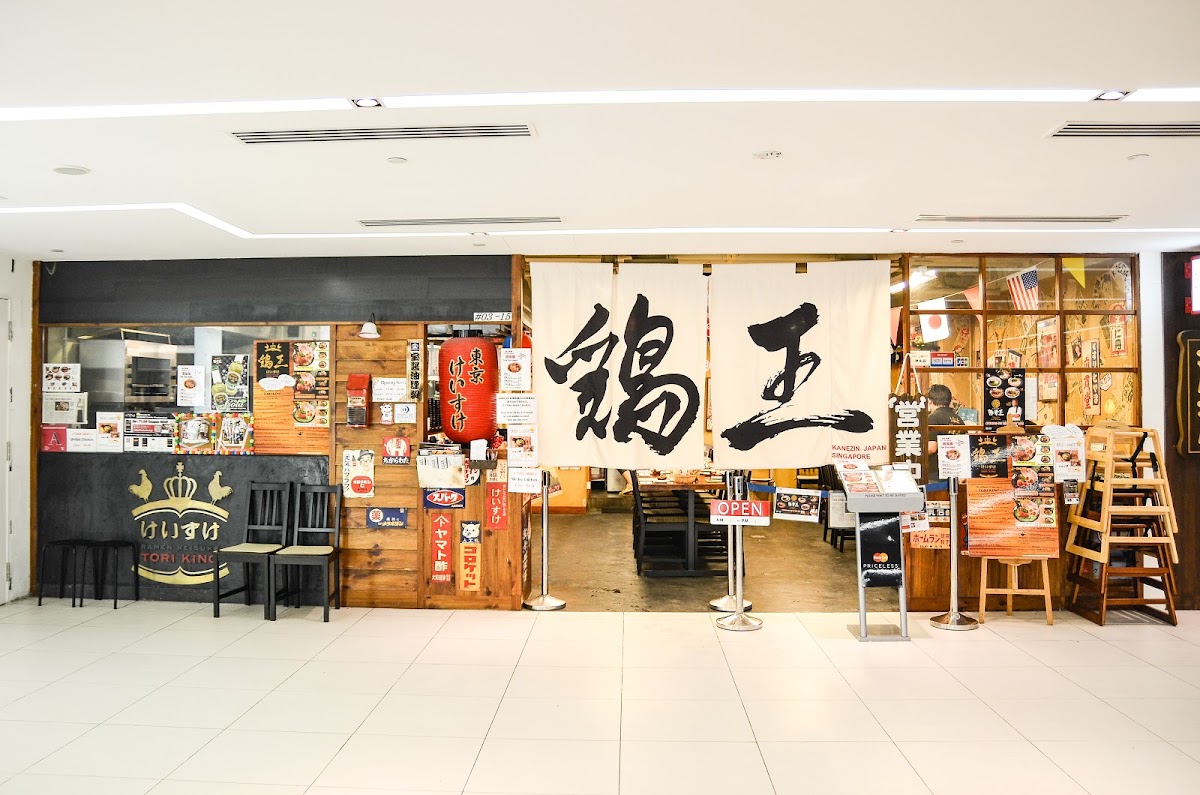
Konjiki Hototogisu (金色不如帰, literally "golden cuckoo") is one of Tokyo's most acclaimed ramen shops, earning a Michelin Bib Gourmand in Shinjuku for its revolutionary approach to ramen. Founded by chef Atsushi Yamamoto, the shop broke away from the tonkotsu-dominated Tokyo ramen scene by creating broths that nobody else was making: a truffle-infused shoyu (soy sauce) ramen with layers of earthy, aromatic complexity; a hamaguri (clam) clear broth with the pure, clean umami of fresh shellfish; and a tori paitan (rich chicken) that rivals the best tonkotsu in depth. At Waterway Point, Punggol residents can access this Michelin-heritage ramen without travelling to the city centre.
The Truffle Shoyu Ramen (from S$16.80) is the dish that made Konjiki Hototogisu famous. The broth is a double-layered composition: a base of dashi and chicken stock, infused with Italian black truffle oil, finished with a shoyu tare that adds depth without overpowering the truffle's aroma. The noodles are custom-made: thin, straight, and firm — designed to carry the delicate broth to your palate without absorbing too much too quickly. The toppings are minimal by design: a single slice of tender chashu, a marinated soft-boiled egg (ajitama), bamboo shoots, and a scattering of truffle paste. This is not a ramen where quantity impresses — it is a ramen where every element has been considered and calibrated.
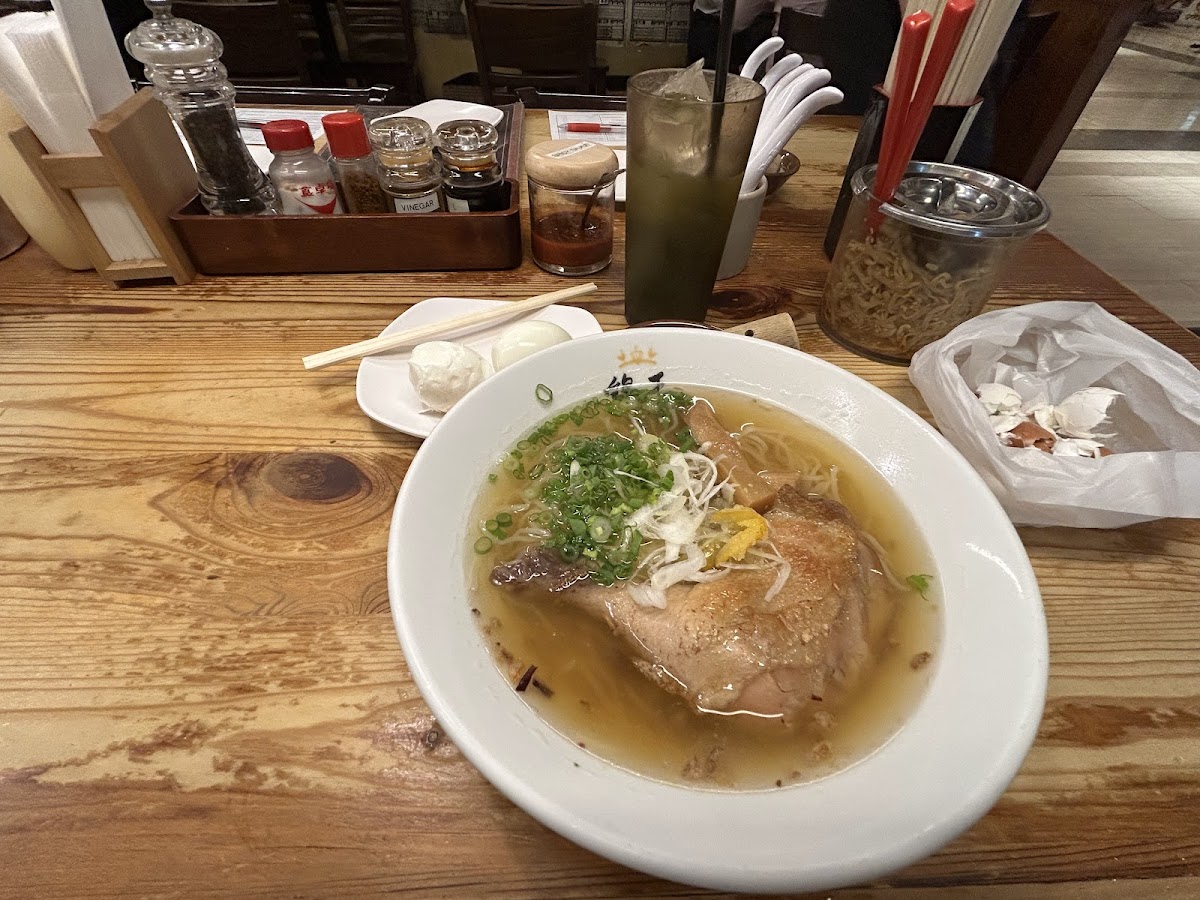
The Hamaguri (Clam) Ramen (from S$14.80) represents the other side of Hototogisu's philosophy: clarity and purity. The broth is made from fresh hamaguri clams, slowly extracted to produce a golden, translucent soup with an intensely clean umami flavour. No heavy fats, no thick emulsification — just the essence of shellfish. For diners who find tonkotsu too heavy or truffle too rich, the Hamaguri is a revelation: it proves that ramen can be light, elegant, and profoundly satisfying. This is the bowl that food critics most frequently cite when praising Hototogisu's innovation — a ramen that challenges every assumption about what ramen should be.
Compass Verdict
Michelin-starred ramen at Waterway Point — the clam and truffle shoyu broth from Tokyo's Shinjuku, now in Punggol. For northeast Singapore residents, this brings CBD-level ramen quality to the heartland. The most refined ramen in the Sengkang-Punggol area by a significant margin.
Recommended For
Menu & Pricing
| Item | Price | Notes |
|---|---|---|
| Truffle Shoyu Ramen Black truffle-infused soy broth with chashu, ajitama, bamboo | S$16.80 | Signature |
| Hamaguri Clam Ramen Clear clam broth — pure, clean umami | S$14.80 | Must-try |
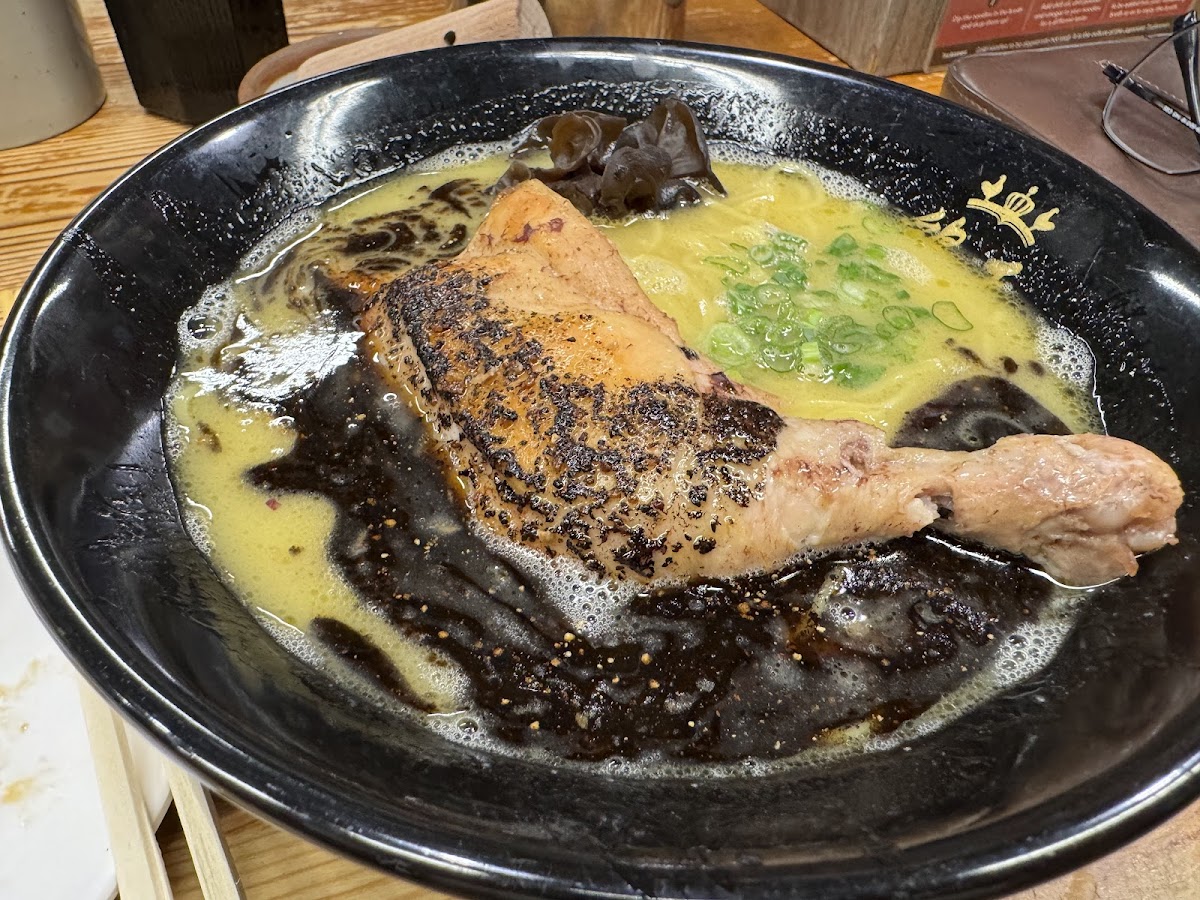
| Tori Paitan Ramen Rich, creamy chicken broth — white and opaque | S$15.80 | Rich |
| Truffle Tsukemen Dipping-style noodles with concentrated truffle broth | S$17.80 | Premium |
| Add Ajitama (egg) Marinated soft-boiled egg — runny yolk | S$2.00 | Essential add |
| Chashu Rice Braised pork belly slices over rice with sauce | S$5.80 | Side |
* Prices subject to GST. Menu may vary.
Practical Info
Dietary Info
Your Visit
Choose Your Broth Wisely
First visit: order the Truffle Shoyu (S$16.80) — it is the dish that earned Michelin recognition. The truffle aroma hits you before the first sip. Second visit: try the Hamaguri Clam (S$14.80) for a completely different experience — light, clear, and revelatory. Third visit: Tori Paitan (S$15.80) for those who love rich, creamy broths. Always add an Ajitama egg (S$2.00) — the runny yolk enriches the broth beautifully.
Ramen Eating Tips
With Hototogisu's delicate broths, the eating technique matters. First: taste the broth with a spoon before touching the noodles — appreciate the aroma and flavour clarity. Then lift noodles with chopsticks, coating them with broth. For the Truffle Shoyu, alternate between noodles and sips of broth — the truffle flavour evolves as the bowl cools slightly. Eat within 8–10 minutes: the thin noodles absorb broth quickly. The chashu should be eaten in 2–3 bites to appreciate its slow-braised tenderness.
Hototogisu vs Ajisen: The Ramen Spectrum
The Sengkang-Punggol area now offers two distinct ramen experiences at opposite ends of the spectrum. Ajisen Ramen at Compass One (S$10–18) represents the everyday, reliable Kumamoto tonkotsu — rich pork bone broth, generous portions, budget-friendly. Konjiki Hototogisu at Waterway Point (S$14–22) represents the artisan, Michelin-heritage approach — refined broths, unique flavour profiles, crafted presentation. Both are legitimate. Ajisen is the ramen you eat weekly without thinking. Hototogisu is the ramen you plan a visit for. Having both within one NEL stop is a luxury the northeast corridor should appreciate.
Photos
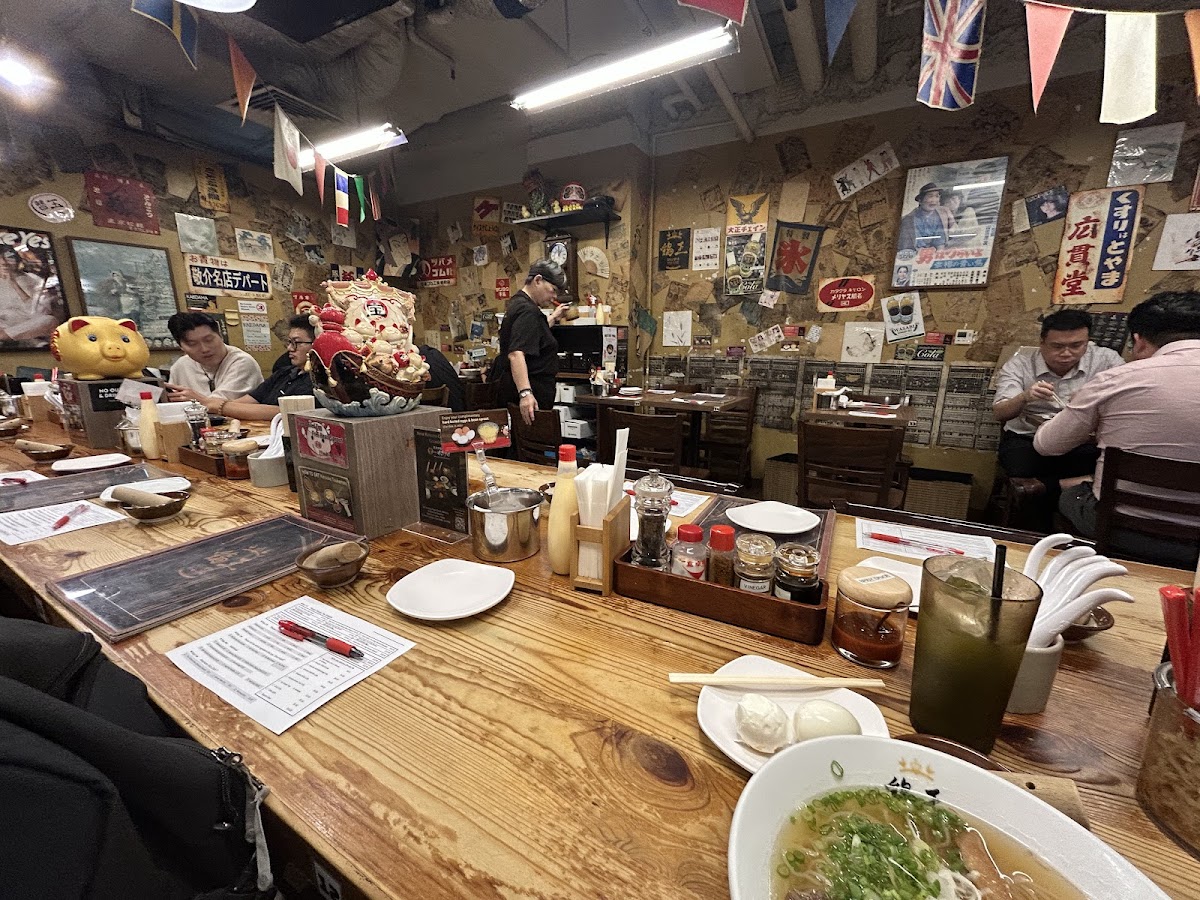
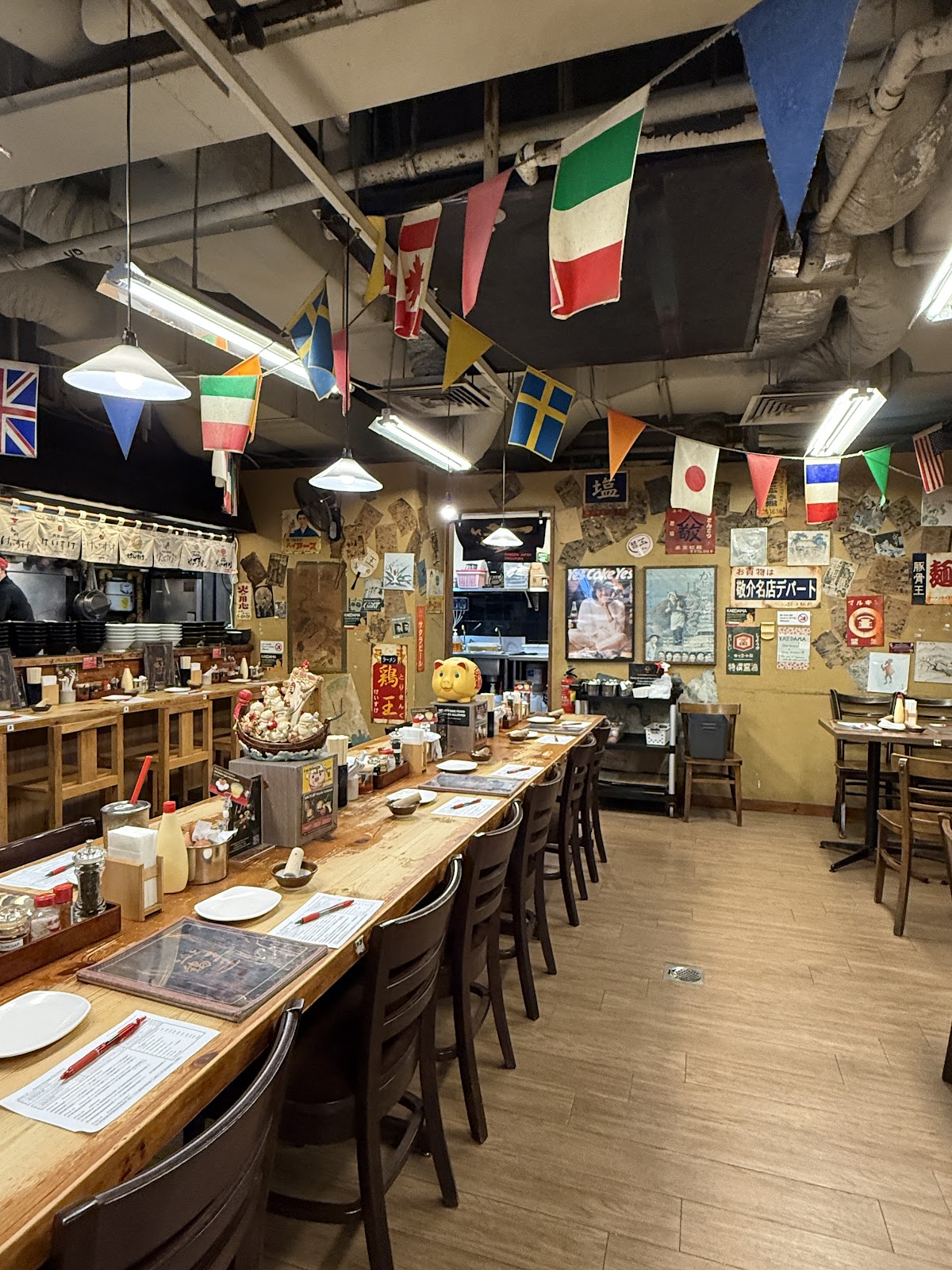
Map
Editor's Note
Konjiki Hototogisu at Waterway Point is the single most impressive Japanese restaurant in the Sengkang-Punggol area. This is not mass-market ramen — it is a Michelin Bib Gourmand Tokyo ramen shop that has been faithfully translated to a suburban Singapore mall. The Truffle Shoyu is genuinely world-class: the truffle is real (not synthetic flavouring), the broth is meticulously layered, and the noodles are purpose-made. The Hamaguri Clam broth is perhaps even more remarkable — a clear, golden soup with an umami intensity that proves ramen does not need pork bones to be profound. At S$14–22 per bowl, it is the most expensive ramen in the northeast, but the quality gap between this and S$12 chain ramen is enormous. For anyone who thinks suburban malls cannot produce excellent food, Hototogisu is the counter-argument.
Compare: Ramen in Sengkang-Punggol
| Restaurant | Price/Pax | Specialty | Best For |
|---|---|---|---|
| Konjiki Hototogisu | S$14–22 | Truffle, clam, Michelin | Premium experience |
| Ajisen Ramen (CO) | S$10–18 | Kumamoto tonkotsu | Everyday ramen |
The Story of Konjiki Hototogisu
Konjiki Hototogisu was founded by chef Atsushi Yamamoto in Shinjuku's Nishi-Shinjuku area — a neighbourhood already saturated with ramen shops. To stand out in one of the world's most competitive ramen markets, Yamamoto needed to create something genuinely new. His innovation was the truffle shoyu: a soy-based ramen enriched with Italian black truffle oil, creating an aromatic profile that was completely unprecedented in Japanese ramen. The name "Konjiki Hototogisu" (金色不如帰) translates to "golden cuckoo" — a reference to the lesser cuckoo bird (hototogisu) that appears in classical Japanese poetry as a symbol of longing and beauty. The "golden" (konjiki) prefix refers to the golden hue of the shoyu broth. The shop earned a Michelin Bib Gourmand in Tokyo's Michelin Guide, recognition that elevated it from a neighbourhood favourite to an internationally known ramen destination. The Singapore expansion — managed carefully to maintain quality standards — brought Hototogisu to multiple locations including Waterway Point, giving suburban residents access to a Michelin-heritage ramen experience that previously required a trip to Shinjuku.