Mugiya Japanese Bakery
At a Glance
About Mugiya
Mugiya (麦屋, literally 'House of Wheat') is a Japanese-style bakery chain in Singapore that has been quietly winning over neighbourhood bread lovers with its commitment to fresh, wholesome baking. The Hougang Mall outlet at #B1-08 is one of at least five locations in Singapore (others include Hougang 1, City Square Mall near Farrer Park MRT, V Hotel at Lavender, and Westgate in Jurong East). The bakery operates as a self-service takeaway concept: you grab a tray and tongs, browse the warm display of freshly baked items, make your selection, and pay at the counter.
What distinguishes Mugiya from typical neighbourhood bakeries is its Japanese approach to bread-making. Japanese bread (shokupan and related styles) is renowned worldwide for its extraordinary softness — achieved through techniques like the tangzhong method (a cooked flour-water roux that locks in moisture) and the use of high-quality wheat flour, milk, and butter. Mugiya applies these principles: their bread is remarkably soft and pillowy, with a delicate sweetness and tender crumb that stays fresh throughout the day. The bakery emphasises the use of quality ingredients with minimal artificial additives — a philosophy that resonates with health-conscious Singaporean families.
The menu rotates seasonally but core items are always available. The soft milk buns are the gateway product — five mini milk buns for just S$2.80 are irresistibly tender with a gentle milky sweetness. The bolo buns (polo buns) feature a crumbly, buttery crust over a soft interior — a Japanese-Hong Kong cross that works brilliantly. The cranberry cream cheese bun balances tangy cream cheese filling with sweet-tart cranberries. For something more indulgent, the sugar donuts are a highlight: soft, spongy, perfectly coated in sugar, and described by regulars as 'melting in the mouth.' Green tea (matcha) swiss rolls and pandan chiffon cakes cater to Southeast Asian palates with familiar flavours in Japanese bakery form.
The Hougang Mall location benefits from its Basement 1 position near the MRT exit, making it a natural grab-and-go stop for commuters and shoppers. The bakery also has a second Hougang-area outlet at Hougang 1 mall (#01-06, open 7am-11pm — earlier opening for breakfast crowds). Between the two outlets, Mugiya has established itself as the go-to Japanese bakery for Hougang residents. Late-evening shoppers can often find end-of-day discounts, with items marked down to S$1 near closing time — excellent value for bread that was baked fresh that morning.
Recommended For
Menu & Pricing
Prices approximate — may vary slightly. Availability depends on time of day (items sell out). Self-service: grab tray and tongs.
Bread & Buns
| Mini Milk Buns (5 pcs) — soft, pillowy, gentle milk sweetness | S$2.80 |
| Bolo Bun — crumbly butter crust over soft bread | ~S$1.80 |
| Cranberry Cream Cheese Bun — cream cheese filling with cranberries | ~S$2.50 |
| Fuji Cheese Bread — wheat bread with cheese topping | ~S$2.20 |
| Shrimp Floss Bun — savoury prawn floss filling | ~S$2.50 |
Cakes & Sweet Rolls
| Pandan Chiffon Cake (3 pcs) — tall, airy, fragrant pandan | ~S$2.80 |
| Green Tea Swiss Roll — matcha cream roll | ~S$4.50 |
| Durian Bun — seasonal, real durian filling | ~S$3.00 |
Donuts
| Sugar Donut — soft, spongy, sugar-coated, melt-in-mouth texture | ~S$1.50 |
| Chocolate Donut — chocolate-glazed soft donut | ~S$1.80 |
Practical Information
Dietary Information
Photos
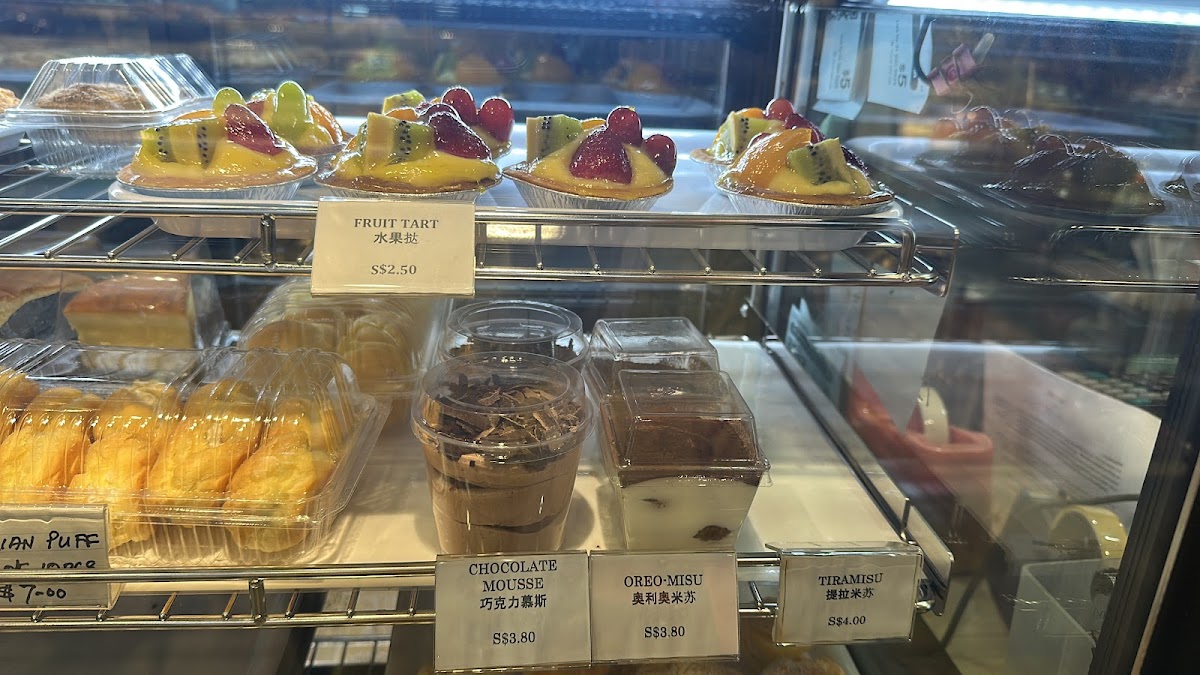
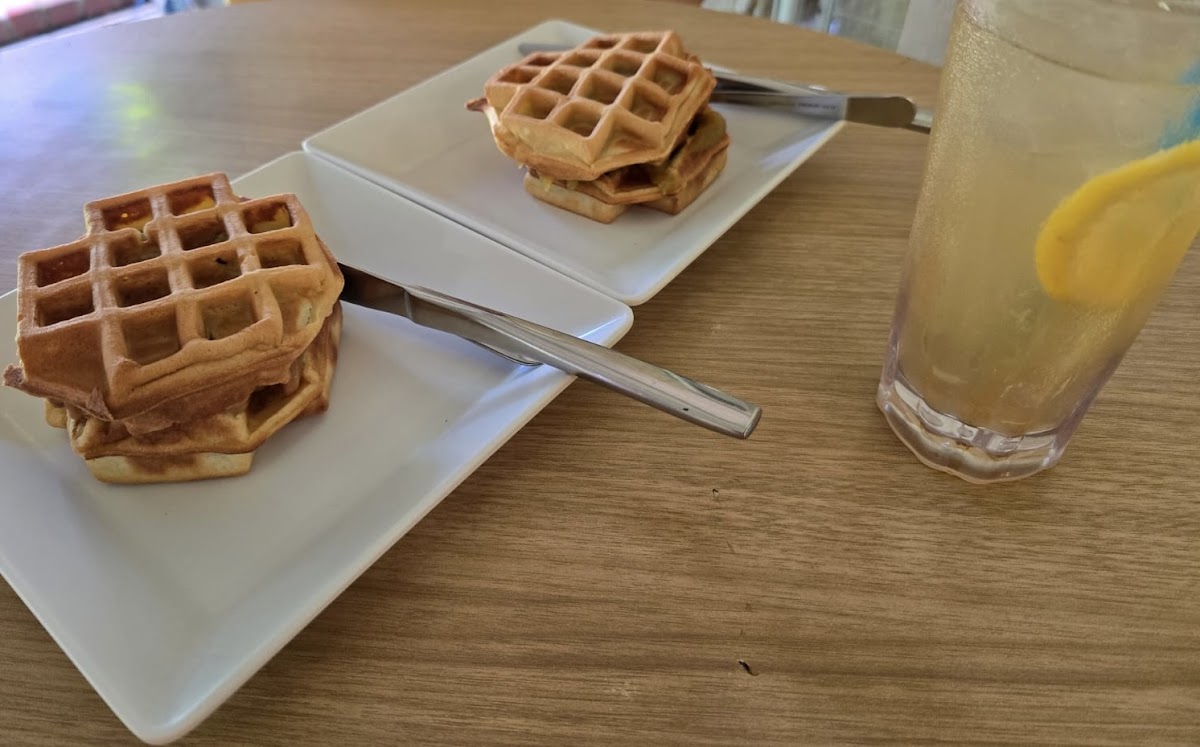
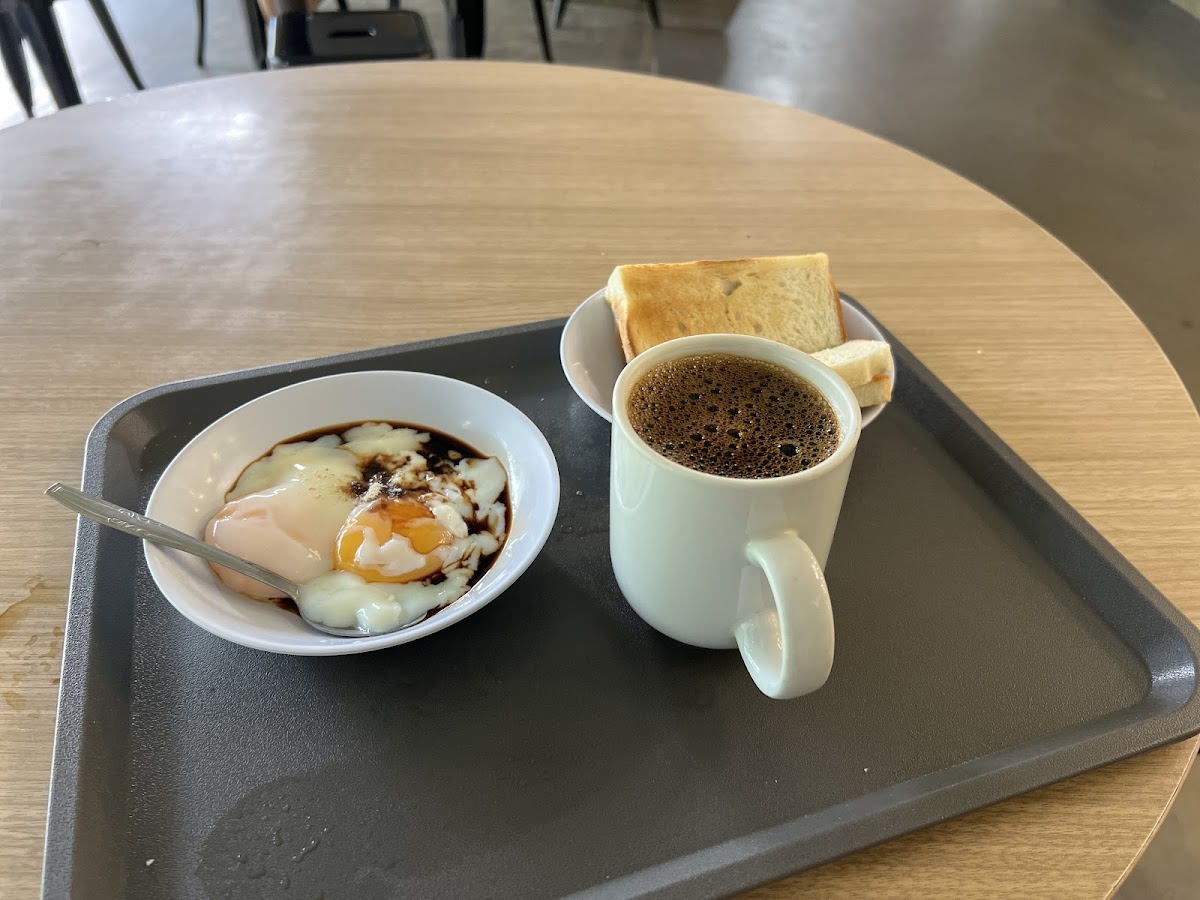
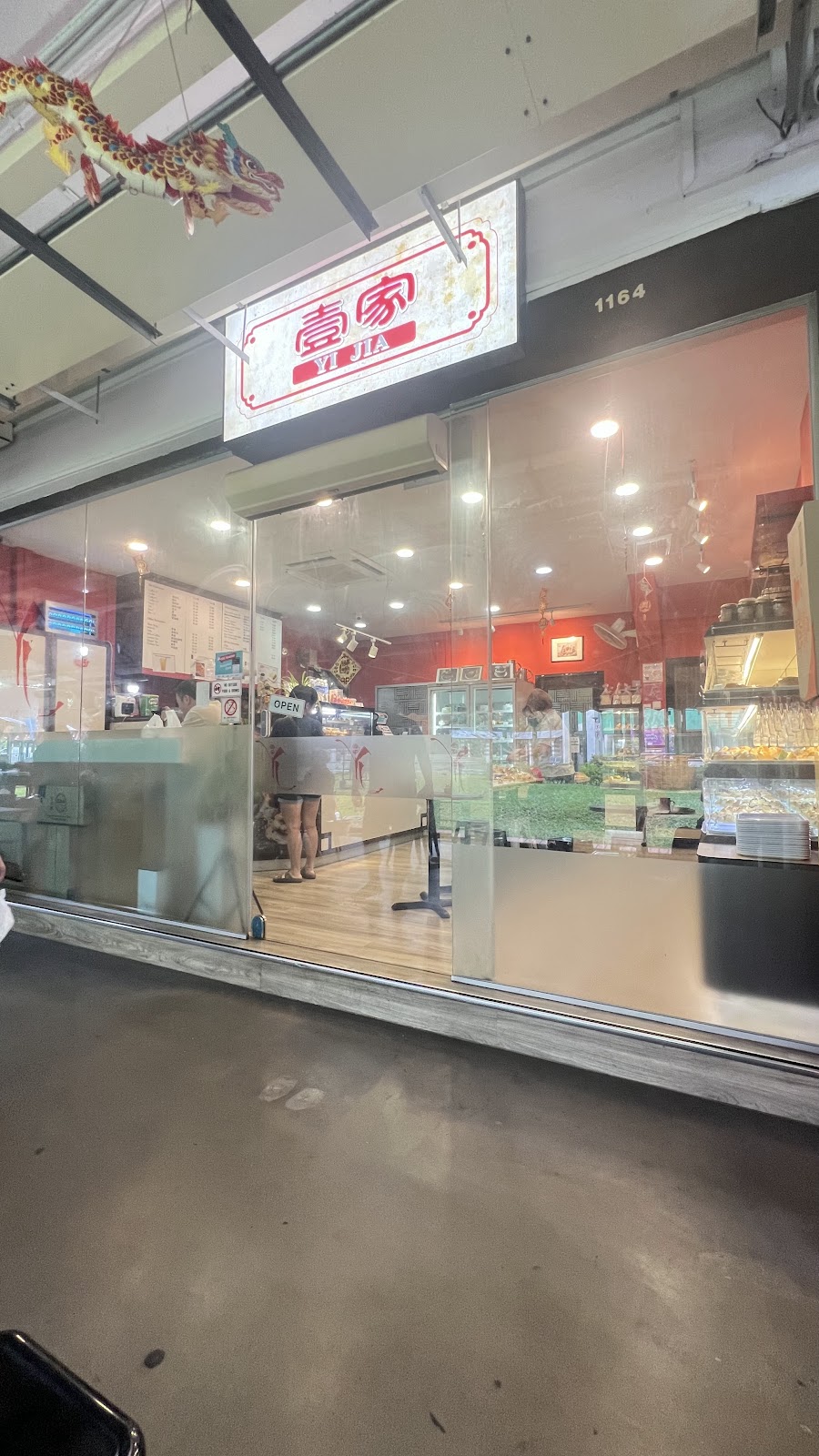
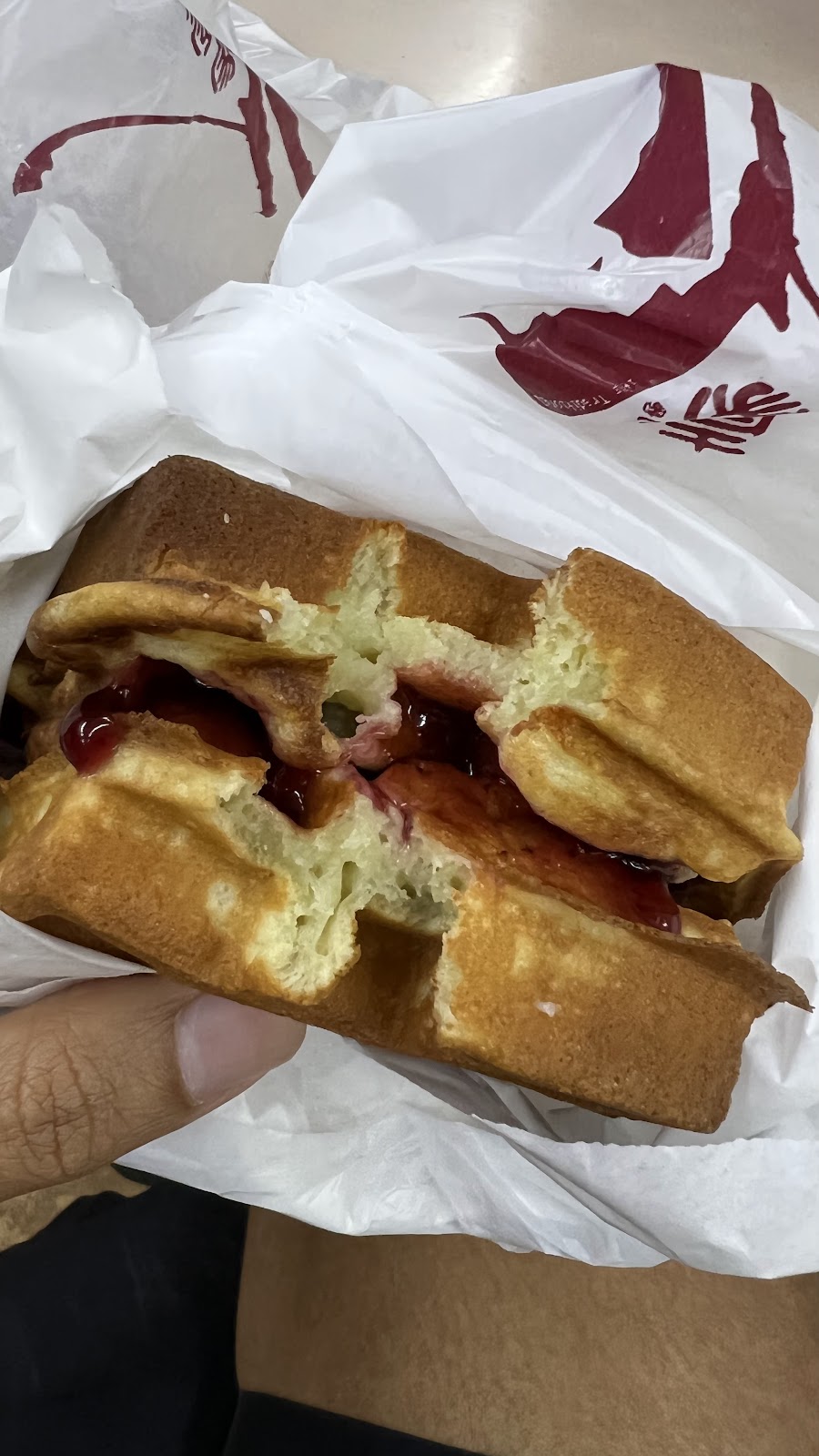
Sourced via Google Places — food-focused photography
Location
90 Hougang Avenue 10, #B1-08, Hougang Mall, Singapore 538766
Basement 1 of Hougang Mall. The bakery is near the B1 entrance from Hougang MRT Exit B. Look for the warm display of freshly baked bread arranged on wooden trays. Takeaway only — grab a tray and tongs, pick your items.
📍 Open in Google MapsYour Dining Journey
From the bakery display to your first bite — what to expect at Mugiya.
Find the Bakery
Head to Basement 1 of Hougang Mall — Mugiya is at unit #B1-08, conveniently positioned near the MRT Exit B entrance. The bakery is easy to spot: a warm, inviting display of freshly baked bread and pastries arranged on wooden trays behind glass. The aroma of freshly baked bread will likely guide you before you even see the signage. The shop is compact but well-organised.
Browse and Choose
Grab a tray and tongs from the counter. The self-service format is simple: browse the display, use the tongs to pick up your chosen items, and place them on the tray. The selection typically includes 15-20 varieties at any given time, from savoury items like shrimp floss buns and Fuji cheese bread to sweet options like milk buns, bolo buns, sugar donuts, and cream cheese rolls. Seasonal specials (durian buns, seasonal fruit cakes) appear periodically. Everything is baked fresh daily — what you see is what was made that morning.
Pay and Enjoy
Bring your tray to the counter for payment. Staff are friendly and will bag your selections. The total is usually surprisingly affordable — even picking up 3-4 items rarely exceeds S$8. For the best experience, enjoy the bread while it is still room-temperature fresh. The milk buns are incredibly soft straight from the shelf. The sugar donuts should be eaten as soon as possible — the sugar coating stays crisp for hours, but the contrast between crunchy exterior and melt-in-mouth interior is at its peak when fresh. Pair with a coffee or tea from Starbucks or LiHO nearby in the mall.
Mugiya is the kind of bakery that does not seek attention but earns loyalty. There is no fancy branding, no Instagram-bait presentation — just genuinely good Japanese bread at honest prices. The milk buns at S$2.80 for five are the benchmark: impossibly soft, gently sweet, and made with real milk and butter. The sugar donuts are a hidden gem — regulars know to grab them before they sell out. The end-of-day discount tradition (items at S$1 near closing) is something that big chains would never do, and it turns casual passersby into repeat customers. For Hougang residents who pass through the B1 of Hougang Mall on their daily commute, Mugiya is a quiet daily pleasure.
Compass Verdict
Mugiya is the kind of Japanese bakery you find in Tokyo station basements — pillowy soft shokupan, savoury curry pan, sweet red bean buns, all freshly baked on-site. In a heartland mall where the bakery competition is generic chains, Mugiya stands out for its Japanese technique and ingredients. The mentaiko bun and matcha cream are worth a specific visit.
Japanese Bread Culture: Why It's So Soft
Japanese bread (pan, パン) occupies a unique space in global baking. While European traditions favour crusty loaves with chewy interiors, Japanese bread-making prioritises an almost cloud-like softness that has captivated eaters worldwide. This softness is not accidental — it is the result of specific techniques refined over decades. The most important is the tangzhong (湯種) or 'water roux' method, borrowed from Chinese baking traditions and widely adopted by Japanese bakers: a small portion of flour and water (or milk) is cooked into a thick paste before being incorporated into the dough. This pre-cooked starch absorbs and retains more moisture, resulting in bread that stays soft for days rather than hours. Mugiya applies this philosophy across its product range, which is why even their simplest milk bun has a remarkably tender crumb.
Japan's love affair with bread began during the Meiji era (1868-1912) when Western foods were introduced. By the post-war period, school lunch programs that included bread helped cement it as a daily staple. Today, Japan's convenience store bread culture — where 7-Eleven, Lawson, and FamilyMart offer dozens of varieties of packaged soft bread — is one of the country's most distinctive food phenomena. Dedicated bakery chains like Mugiya represent the artisan tier of this culture: using the same fundamental techniques but with better ingredients, fresher preparation, and more creative flavour development. The result is bread that occupies a sweet spot between convenience-store accessibility and high-end patisserie craft.