Hakata Ikkousha
At a Glance
About Hakata Ikkousha
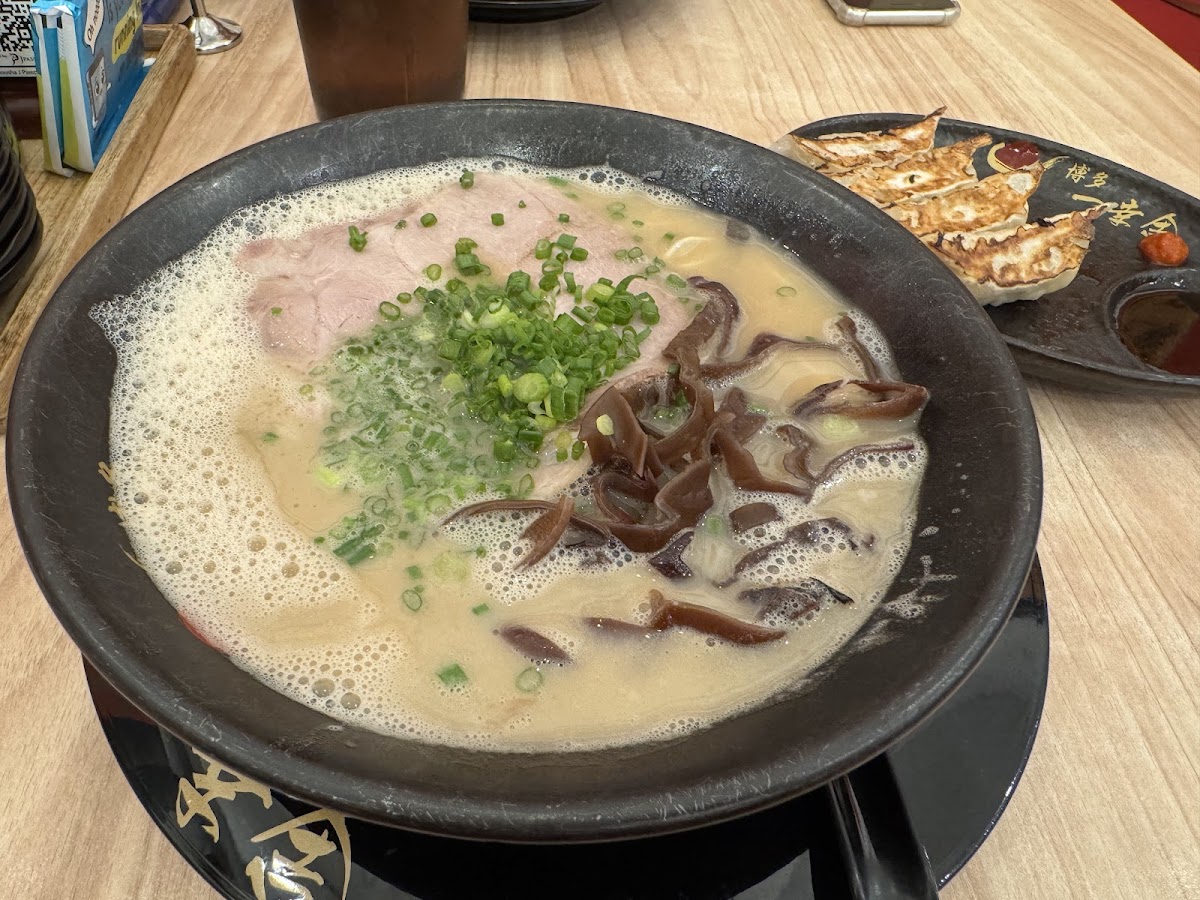
Hakata Ikkousha holds the rare distinction of having won Singapore's Ultimate Ramen Champion competition not once but twice in consecutive years — a feat that established it as the standard-bearer for authentic Hakata tonkotsu ramen in the country. Founded by Kousuke Yoshimura in 2004 in Hakata-ku, Fukuoka — the spiritual home of tonkotsu ramen — the brand arrived in Singapore first as a Ramen Champion competition entrant and proved so popular that it opened its own standalone outlet at Tanjong Pagar Plaza. The HDB block location might surprise first-time visitors expecting a shophouse or mall setting, but for Japanese ramen purists, the no-frills environment is exactly right: you come for the broth, not the decor. And the broth is extraordinary. Simmered daily from carefully cleaned pork bones over long hours, it achieves the creamy, opaque, foam-topped consistency that defines genuine Hakata tonkotsu — the foam, in particular, is a hallmark that distinguishes properly made tonkotsu from the many imitations that lack the commitment to sustained, vigorous boiling.
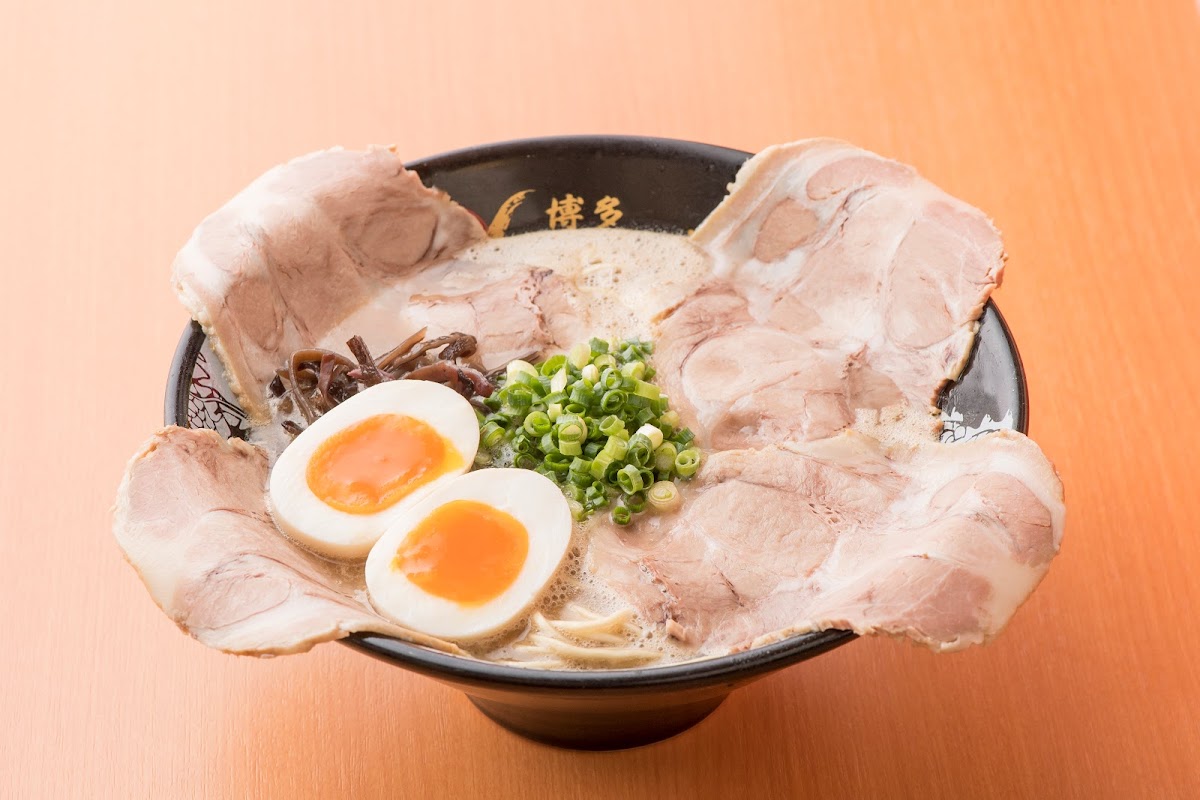
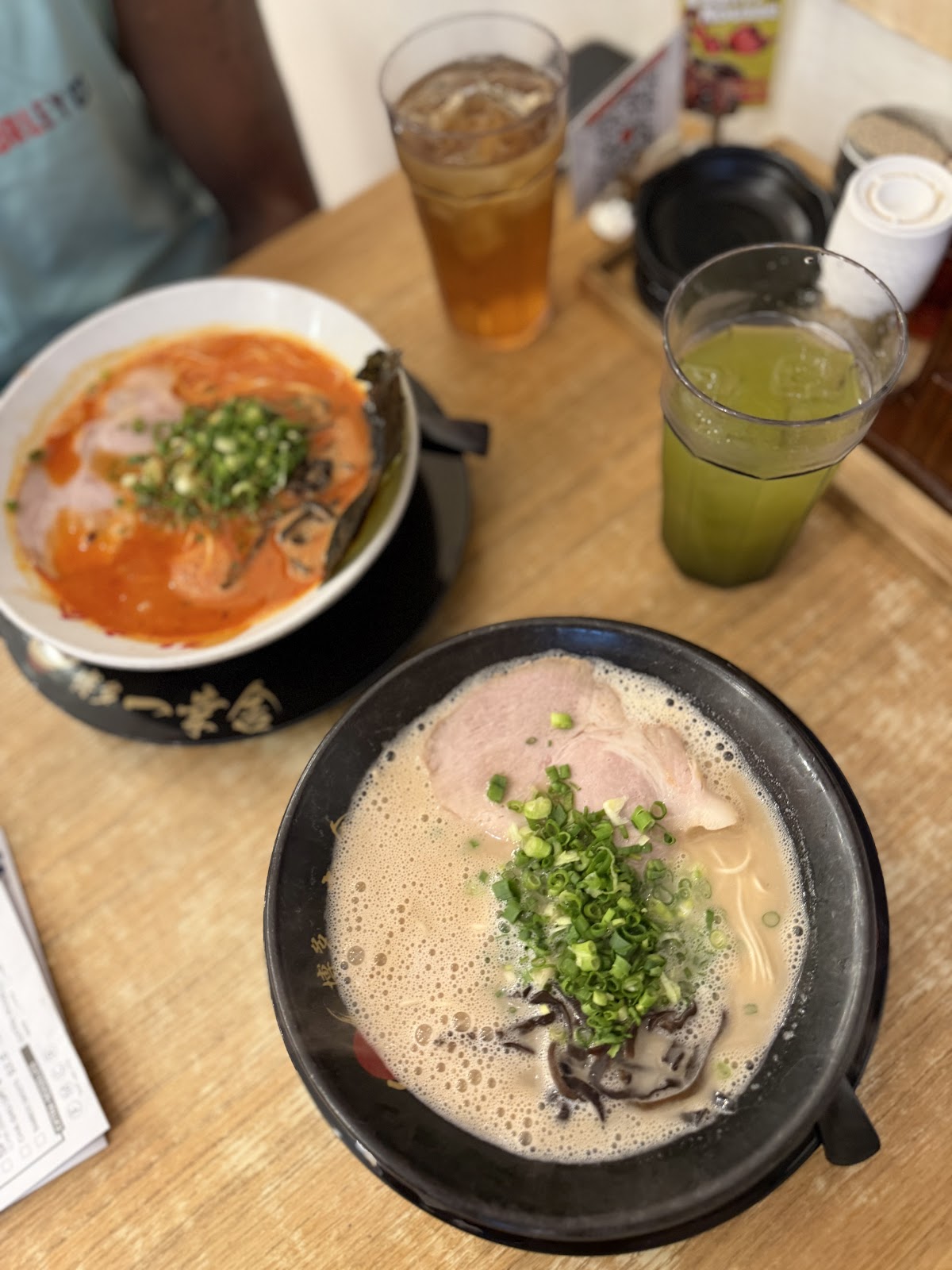
The menu offers five core ramen flavours, each built on the same champion tonkotsu base. Tonkotsu Standard at S$14.50 is the entry point — the pure, unadorned broth with thin Hakata noodles, pork chashu, black fungus, and spring onion. This is the bowl that won the championship and remains the most popular order. God Fire at S$16 was created specifically for the Singapore market — a spicy version that adds heat to the creamy tonkotsu without masking its fundamental character. It is nicknamed 'God Fire' in Japan and lives up to the name with a chilli kick that builds with each spoonful. Bonito Ramen at S$16 adds a fish-stock dimension to the pork-bone base, creating a double-soup complexity that appeals to diners who want more depth. Karamiso Ramen at S$16 introduces miso paste for a deeper, more savoury profile. And Tonkotsu Shio at S$14 offers a lighter, salt-based variation for those who find regular tonkotsu too heavy. Every bowl is fully customisable in the Hakata tradition: you choose noodle texture (very soft to very firm), soup saltiness (light to heavy), and richness level — a personalisation that means your ramen is made to your exact specifications every time.
The free condiments at every table are part of what makes Hakata Ikkousha feel authentically Japanese rather than merely Japanese-themed. Hard-boiled eggs — unlimited, always available — are a Hakata ramen tradition that Ikkousha maintains faithfully. But the real gem is the karashi takana: spicy pickled mustard greens made in-house with ingredients flown from Japan. This is not generic chilli oil or standard pickles; it is a specifically Hakata condiment that adds a sharp, spicy, slightly bitter counterpoint to the rich tonkotsu broth. Regular customers know to add a generous spoonful of karashi takana halfway through the bowl, when the broth's richness begins to feel heavy — the mustard greens cut through the fat and revive the palate, making the second half of the ramen taste as vivid as the first. The noodles themselves are handmade — thin, firm, and with the characteristic slight alkaline bite of Hakata-style noodles. The recipe has been adjusted from the Fukuoka original to account for Singapore's higher temperature and humidity, ensuring that the texture is consistent regardless of the tropical climate. Multiple Japanese expats and ramen enthusiasts have independently confirmed that Hakata Ikkousha's ramen is comparable to what they have eaten in Hakata itself — the highest compliment any Japanese ramen restaurant in Singapore can receive.
Compass Verdict
Authentic Hakata tonkotsu on Tanjong Pagar — 15+ hours of pork bone boiling. The 'Taste of Ajito' is the must-order. In a street with 10+ ramen options, Ikkousha's broth thickness sets it apart.
Recommended For
Menu & Pricing
Five tonkotsu ramen + sides. Noodle texture, saltiness, richness customisable. Free eggs & karashi takana. Walk-in only.
| Item | Description | Price |
|---|---|---|
| Tonkotsu Standard | The championship bowl — creamy pork-bone broth, thin Hakata noodles, chashu, black fungus, spring onion | S$14.50 |
| Tonkotsu Special | Standard + extra toppings — 4 large chashu slices, egg, extra nori | S$19.50 |
| God Fire | Spicy tonkotsu — created for Singapore. Progressive chilli heat on creamy base | S$16 |
| Bonito Ramen | Double soup — pork bone + bonito fish stock for deeper complexity | S$16 |
| Karamiso Ramen | Miso-enhanced tonkotsu — deeper, more savoury profile | S$16 |
| Tonkotsu Shio | Lighter salt-based tonkotsu — for those who prefer less richness | S$14 |
| Hitokuchi Gyoza (5 pcs) | Hakata specialty — bite-sized gyoza with yuzu salsa dipping sauce | S$6.50 |
The Hakata Ikkousha Experience
Tanjong Pagar Plaza — The HDB Ramen Shop
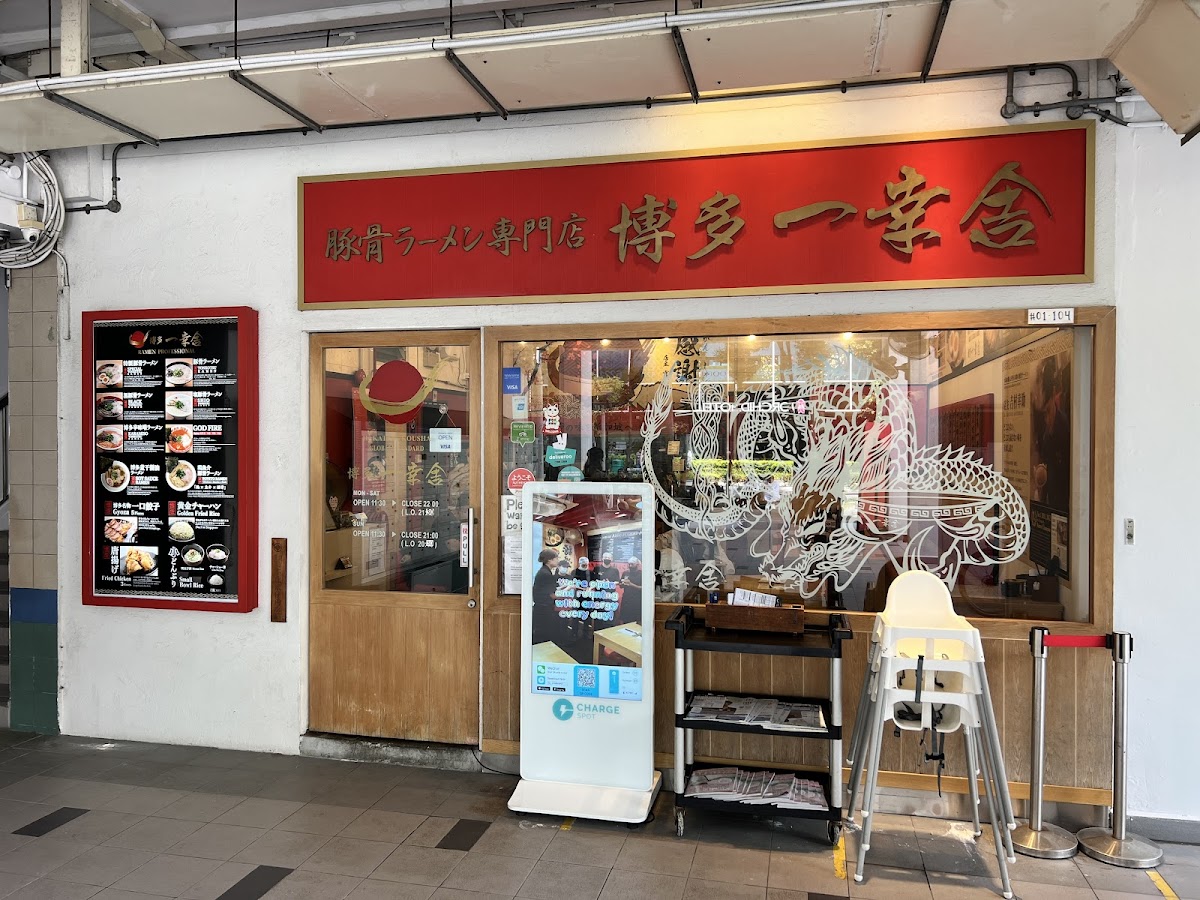
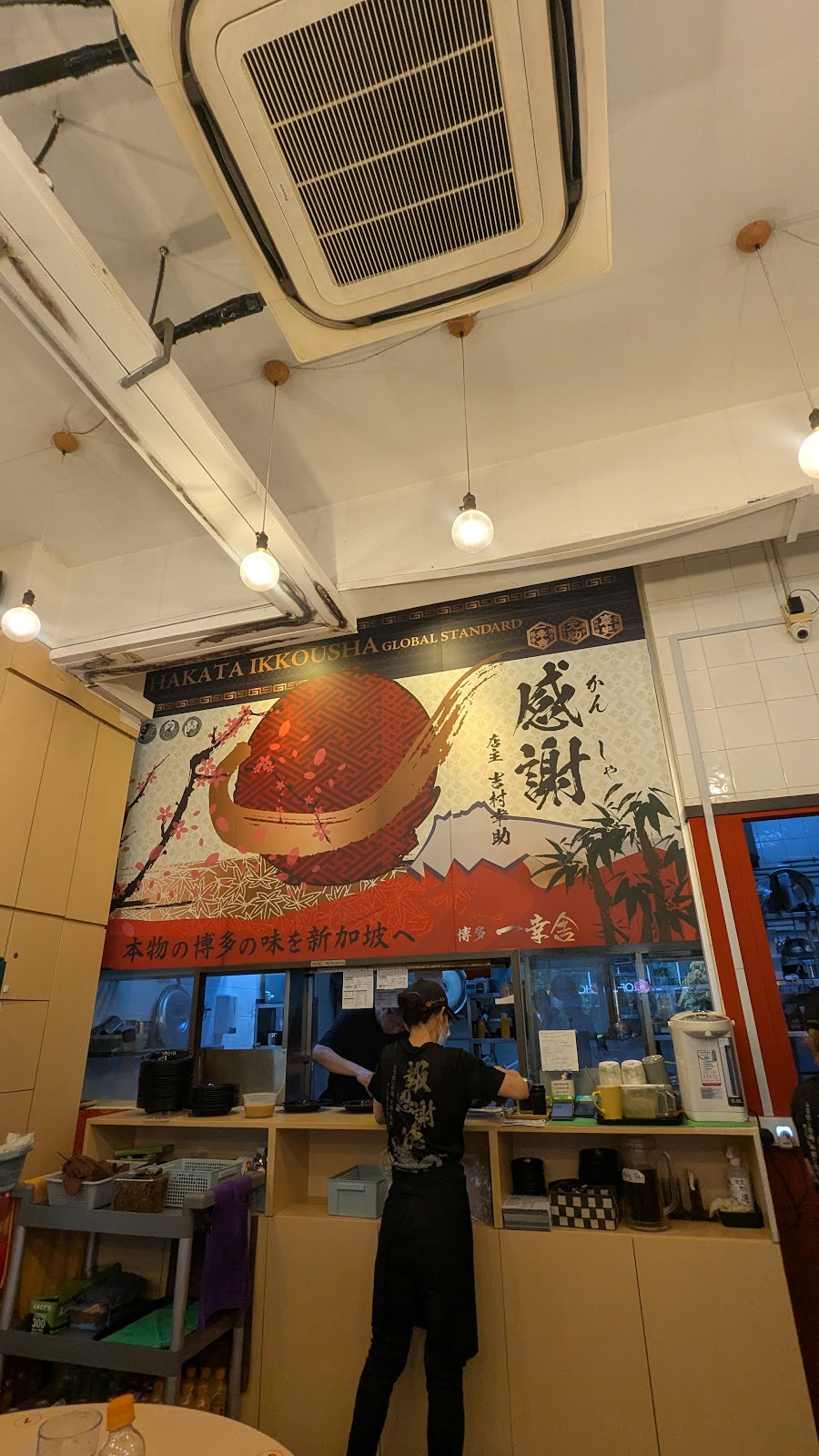
Hakata Ikkousha's Tanjong Pagar Plaza location is a deliberate choice that says something about the restaurant's priorities. While competitors set up in sleek malls and renovated shophouses, Ikkousha chose an HDB block — Block 7, ground floor, unit #01-104B — the kind of unpretentious, everyday location that mirrors the backstreet ramen shops of Hakata itself. You will not find Instagram-worthy interior design here. What you will find is a compact, clean space with counter seating, a visible kitchen, red torii beams that add a splash of colour, and the unmistakable aroma of tonkotsu broth that hits you before you even enter. The HDB location also keeps overhead low, which translates directly to pricing: the Tonkotsu Standard at S$14.50 is competitively priced for ramen of this quality, and the free eggs and karashi takana add value that most mall-based ramen shops cannot match. For the office workers and residents of Tanjong Pagar who have discovered this HDB gem, it has become a pilgrimage-worthy lunch destination — the ramen shop that feels like it belongs in a Fukuoka side street rather than a Singapore commercial district.
The Foam — How to Spot Real Tonkotsu
When your bowl of Tonkotsu Standard arrives at Hakata Ikkousha, look at the surface of the broth before you pick up your chopsticks. You will see foam — small, persistent bubbles that sit on top of the creamy white soup. This foam is the signature of authentic tonkotsu ramen and the detail that most imitation tonkotsu restaurants cannot replicate. It is created by the sustained, vigorous boiling of pork bones over many hours — a process that emulsifies the collagen, marrow, and fat into the water so thoroughly that the broth becomes a stable emulsion, similar in principle to how mayonnaise holds together. The foam forms because the proteins in the broth trap air during the rolling boil, creating bubbles that persist even after the broth is ladled into your bowl. Ikkousha's founder Kousuke Yoshimura is famously obsessive about this detail: the foam indicates that the broth has been boiled at the correct intensity for the correct duration, and its presence is a quality marker that trained ramen chefs check before every service. If your tonkotsu has foam, the kitchen has done its job properly. If it does not, you are eating a lesser version of what Hakata ramen should be.
God Fire — The Singapore-Born Spicy Legend
God Fire is not just a spicy version of the regular tonkotsu — it is a ramen that was specifically created for the Singapore market, recognising that Singaporeans have a higher spice tolerance and a greater appetite for heat than the average Japanese ramen diner. Named after its Japanese moniker (it carries the same 'God Fire' name in Ikkousha's Japanese outlets), the ramen builds progressive heat on the creamy tonkotsu foundation — the first few spoonfuls taste rich and warming, then the chilli builds with each subsequent mouthful until, by the time you are halfway through the bowl, your lips are tingling and your forehead is glistening. The genius of God Fire is that the spice never overwhelms the tonkotsu — you can always taste the pork-bone creaminess beneath the heat, which means the ramen retains its Hakata character even at peak spiciness. For those who find standard tonkotsu too one-dimensional, God Fire adds the dimension they are looking for: heat that is progressive, integrated, and respectful of the broth that took hours to create.
Free Eggs and Karashi Takana — The Hakata Extras
At every table in Hakata Ikkousha, you will find a container of hard-boiled eggs and a jar of karashi takana — both free, both unlimited, and both essential to the Hakata ramen experience. The eggs are straightforward: peeled, room-temperature hard-boiled eggs that you crack into your ramen or eat alongside. They add protein and a creamy yolk richness to the broth. But the karashi takana is where the magic happens. These are mustard greens that have been pickled with chilli and spices using a recipe that Ikkousha makes in-house with ingredients sourced from Japan. The result is a condiment that is simultaneously spicy, tangy, slightly bitter, and deeply savoury — a flavour bomb that, when added to the rich tonkotsu broth, creates a complexity that elevates the ramen from excellent to extraordinary. The regulars' technique: eat the first half of the ramen as-is to appreciate the pure tonkotsu. Then add a generous spoonful of karashi takana and stir it into the remaining broth. The mustard greens cut through the fat, revive the palate, and make the second half taste like a completely different (and equally delicious) bowl.
Customise Everything — The Hakata Tradition
In Hakata, ordering ramen is not a simple transaction — it is a series of choices that determine exactly how your bowl will taste. Hakata Ikkousha honours this tradition with a comprehensive customisation system that goes beyond what most Singapore ramen shops offer. You select noodle texture on a five-point scale from very soft to very firm — very firm (barikata) is the choice of Hakata purists, giving the noodles a satisfying bite that holds up in the hot broth. You choose soup saltiness from light to heavy, which determines the overall seasoning intensity. And you select richness level, which controls the concentration of the pork-bone extract. These three variables alone create dozens of possible combinations, meaning your ramen is literally unique to you. The order form comes in three languages (Japanese, English, Chinese) to accommodate the diverse clientele, and the kitchen executes each customisation with precision — a very-firm-noodle, heavy-salt, rich-broth bowl tastes dramatically different from a soft-noodle, light-salt, light-broth version. Finding your personal sweet spot is part of the Hakata Ikkousha journey, and regulars typically settle on their preferred combination after three or four visits — then order it identically every time thereafter.
Practical Information
Sun: 11:30–21:00 (Last order 20:30)
Dietary Information
Tanjong Pagar — Singapore's Japanese Food Capital
The Neighbourhood
Tanjong Pagar holds the highest concentration of Japanese restaurants in Singapore, with over 45 establishments. From Michelin-starred omakase to late-night ramen, this is the most complete Japanese dining neighbourhood in Southeast Asia.
Insider Tips — Dining at Hakata Ikkousha
Tonkotsu Standard is the championship bowl — start here. Order noodles very firm (barikata) if you are a slow eater. God Fire is the locals' favourite for its progressive heat. Add karashi takana at the halfway point — it transforms the broth. The hitokuchi gyoza with yuzu salsa is the best side dish. Come before 11:45am or after 1:30pm to avoid the lunch queue. The CHIJMES outlet is the alternative if Tanjong Pagar is too crowded.
Planning Your Visit to Tanjong Pagar
Tanjong Pagar MRT (East-West Line) is the main access point. Parking at Guoco Tower, International Plaza, 100AM, Icon Village. The area is compact and walkable — most Japanese restaurants within 10 minutes of the MRT.
Editor's Note
Hakata Ikkousha is the ramen that earned its reputation the hard way — by beating every other ramen in Singapore in a head-to-head competition, twice. The Tanjong Pagar Plaza location is deliberately unpretentious: an HDB block shopfront that mirrors the backstreet ramen shops of Hakata, where the broth matters more than the decor. And what a broth it is. The foaming, creamy tonkotsu — simmered daily until it achieves the specific viscosity and opacity that marks genuine Hakata ramen — is among the most authentic tonkotsu broths available in Singapore. Multiple Japanese diners have confirmed it rivals what they eat in Fukuoka, and the free karashi takana (handmade with Japanese ingredients) is the condiment that transforms a great bowl into an extraordinary one. The customisation system — noodle firmness, saltiness, richness — honours the Hakata tradition of giving each diner control over their ramen experience. At S$14.50 for the championship Tonkotsu Standard, with free eggs and pickled mustard greens included, the value proposition is exceptional. This is not ramen for show — it is ramen for substance, made by people who have devoted their lives to the perfection of pork-bone soup. If you have eaten ramen at a dozen restaurants in Singapore and want to taste the version that beat them all, Hakata Ikkousha is where you come.