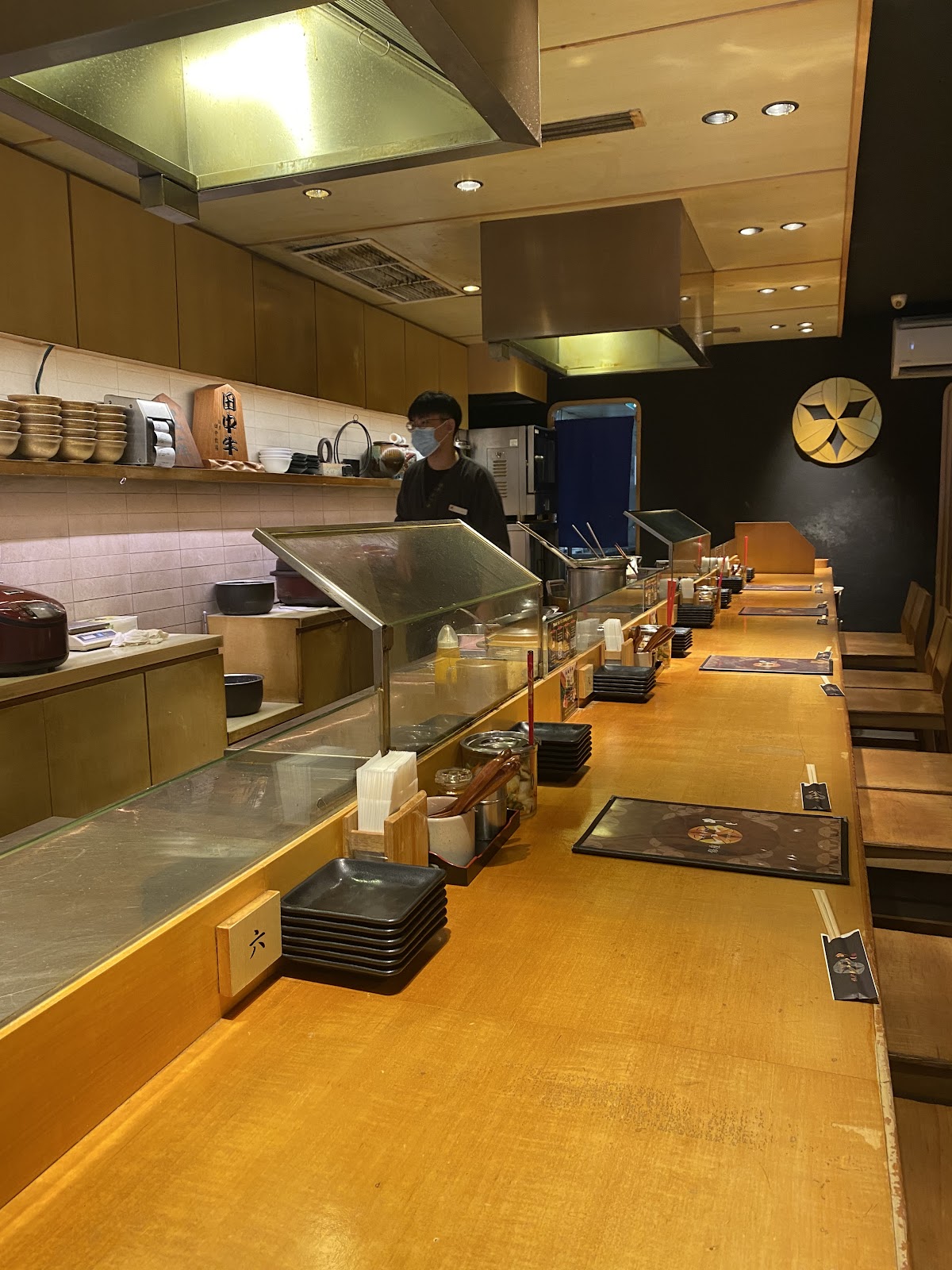
KeisukeGinza TendonFrom S$12

Tendon Ginza Itsuki

📍 Paya Lebar Square 🍤 Ginza-Style Tendon · Tempura Bowl 💰 $$ · S$12–20 ⭐ 3.9 Google Rating

Highlights

Concept
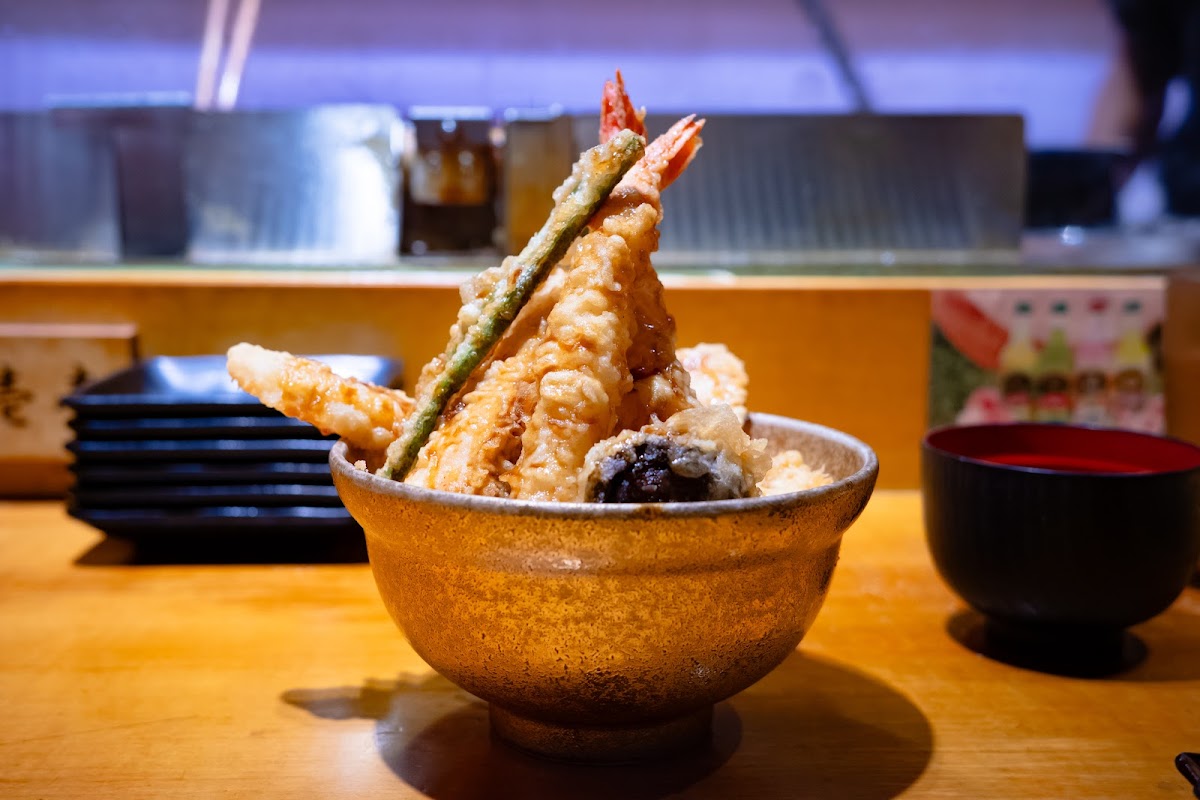
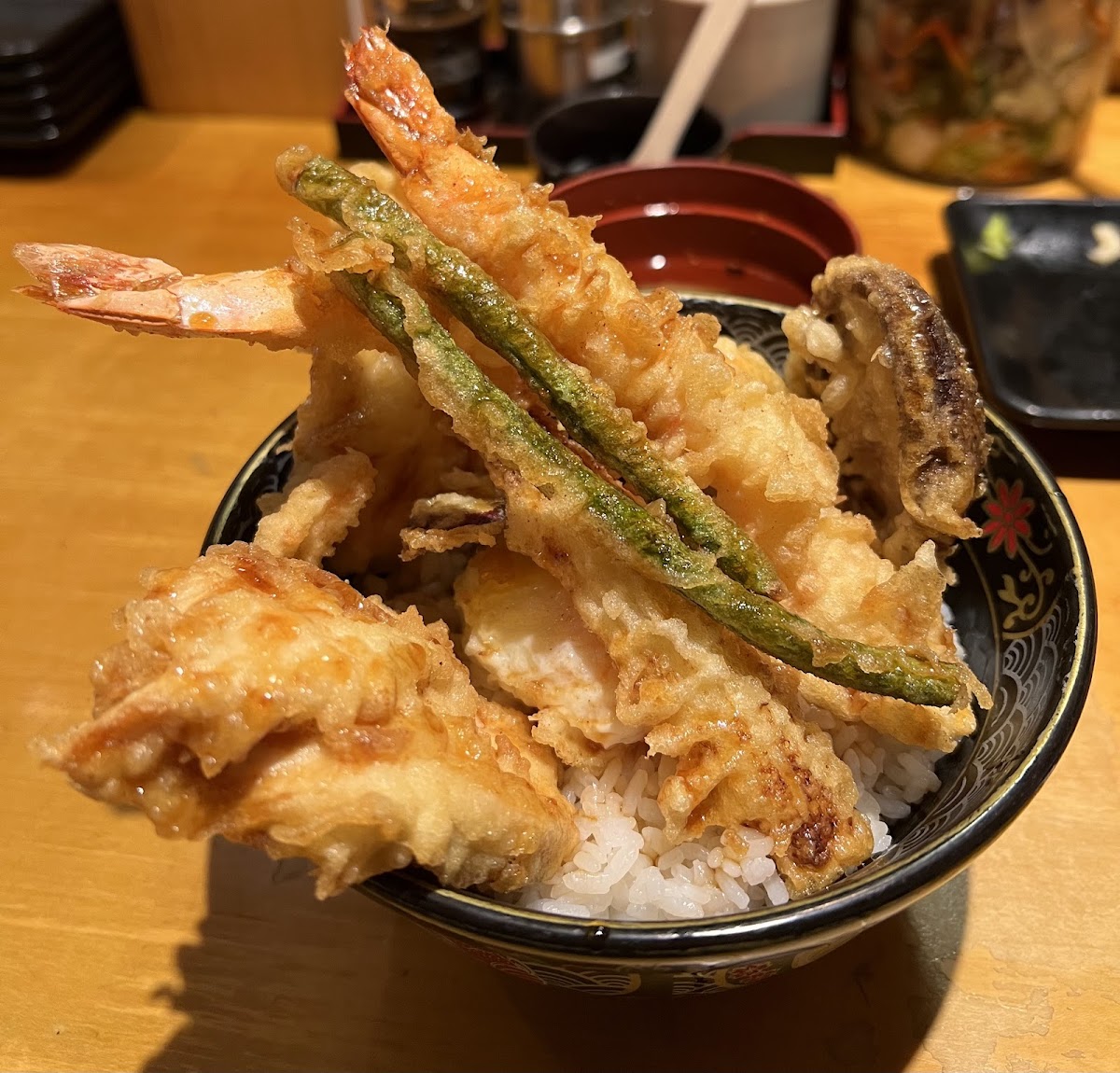
Ginza-style tendon — crispy tempura over rice with sweet tare
Tempura
Prawns, seasonal vegetables, squid, fish — golden crispy batter
By
Keisuke Group — 3rd concept at Paya Lebar Square

About

Tendon Ginza Itsuki (天丼銀座いつき) at Paya Lebar Square is the Keisuke Group's tempura rice bowl concept — inspired by the famous tendon shops of Tokyo's Ginza district where crispy, freshly-fried tempura is served over steaming rice with a sweet-savoury tare sauce. The concept is simple and satisfying: a generous pile of golden, crispy tempura (prawns, seasonal vegetables, squid, fish) draped over a bowl of Japanese rice, drizzled with the signature tare — a sweet, soy-based sauce that soaks into the rice and creates a harmonious balance of crispy, sweet, savoury, and rice-y. Tendon is one of Japan's most popular fast-casual lunch formats, and Ginza Itsuki delivers it faithfully at Paya Lebar.

The tendon format works because of the contrast: crispy, hot tempura batter against soft, warm rice; sweet tare sauce against the savoury, slightly oily tempura; the natural sweetness of prawns against the earthiness of root vegetables. A well-made tendon is a symphony of textures and temperatures that should be eaten quickly — the batter softens as the tare soaks in, so the first bites (maximum crunch) are different from the last bites (sauce-soaked rice). At S$12-20, Tendon Ginza Itsuki is one of the most affordable Japanese lunch options in the Paya Lebar area. For the Keisuke ecosystem at Paya Lebar Square, Tendon Ginza Itsuki completes the trifecta: ramen (Tonkotsu King Niku King), grilled fish (Charcoal-Grill), and tempura (Tendon Ginza Itsuki) — three of Japan's most fundamental food categories, all under one roof, all bearing the Keisuke stamp of generous portions and accessible pricing.

Recommended For

Quick Lunch Tempura Fans Budget

Menu & Pricing

* Prices subject to GST + svc. Menu may vary.

Practical Info

Location
Paya Lebar Square, 60 Paya Lebar Road, Singapore 409051
Hours
Daily ~11:30am-10pm
MRT
Paya Lebar MRT (EW8/CC9)
Payment
Cash, cards

Dietary Info

Not Halal Seafood + vegetables

Your Visit

1

How to Eat Tendon

Eat immediately — tempura softens fast. Start from the prawns (crunchiest). Mix the tare-soaked rice at the bottom. The last few bites of sauce-saturated rice are the reward. Regular (S$12) is enough for most; Special (S$16) if you want extra prawns.

Photos
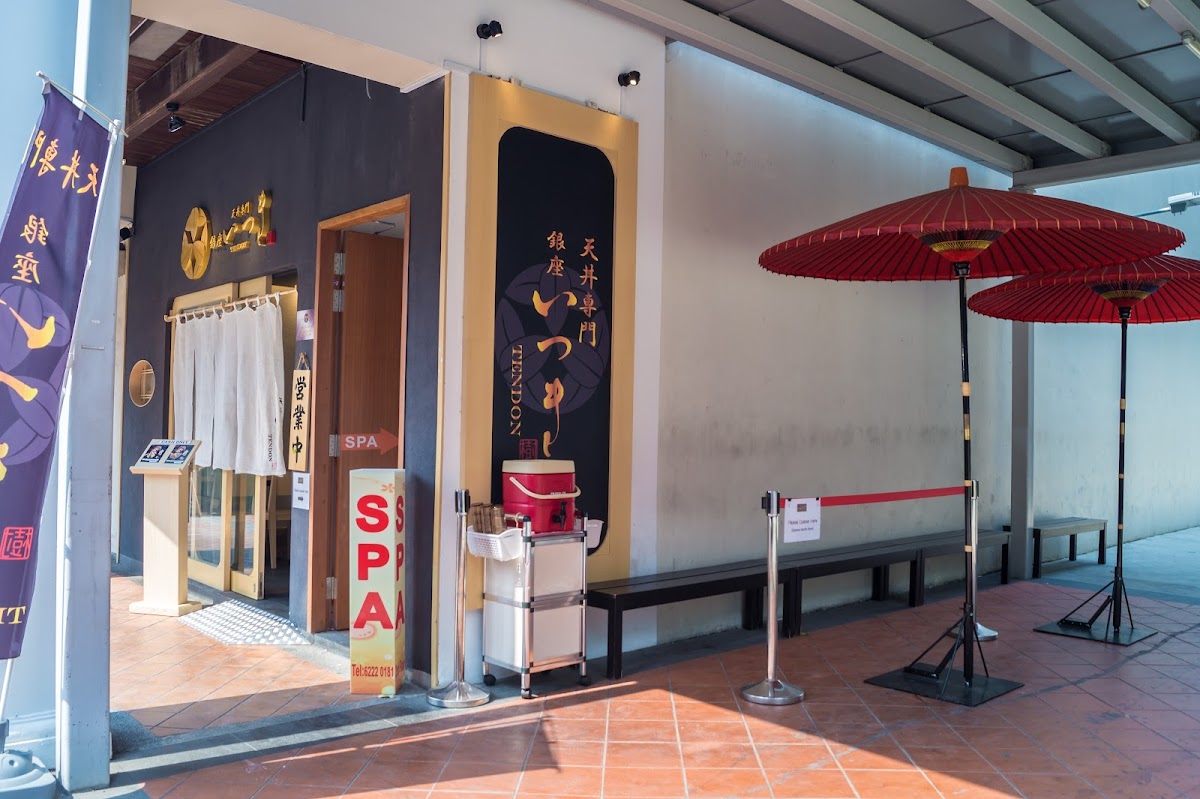
Tendon Ginza Itsuki photo 1Tendon Ginza Itsuki photo 2Tendon Ginza Itsuki photo 3Tendon Ginza Itsuki photo 4Tendon Ginza Itsuki photo 5Tendon Ginza Itsuki photo 6

Map

Editor's Note

Our honest take

Tendon Ginza Itsuki completes the Keisuke trifecta at Paya Lebar Square. At S$12 for a satisfying tempura bowl, it is the most affordable entry point into the Keisuke universe. The tendon format is simple, fast, and satisfying — the perfect quick lunch that does not compromise on quality.

Advertisement

Similar in Paya Lebar

Tendon: Tokyo's Beloved Tempura Rice Bowl

Tendon (天丼, short for tempura donburi) is Tokyo's answer to fast, satisfying, affordable Japanese food. The format originated in the Edo period (17th-19th century) when street vendors would pile freshly fried tempura over bowls of rice and drizzle them with a sweet-savoury tare sauce. By the 20th century, tendon had become one of Tokyo's most beloved lunch formats — particularly in the Ginza and Nihonbashi business districts where office workers needed fast, satisfying meals during short lunch breaks. The Ginza tendon tradition specifically emphasizes quality ingredients (large tiger prawns, seasonal vegetables), precise frying technique (light, crispy batter that shatters on first bite), and the perfect tare (a reduction of soy sauce, mirin, dashi, and sugar that balances sweetness and umami). Tendon Ginza Itsuki brings this tradition to Paya Lebar Square, and the name itself signals the aspiration: 'Ginza' references Tokyo's premier dining district, 'Itsuki' (五月, May) suggests springtime freshness. The tare sauce is the unsung hero of any good tendon: it soaks into the rice beneath the tempura, creating a layer of intensely flavoured, slightly sweet rice that contrasts with the crispy, neutral tempura above. The best bites combine all elements simultaneously: crispy batter + sweet prawn + savoury tare + soft rice. This is a dish that should be eaten immediately upon arrival — every second of delay allows the tare to soften the batter, reducing the crucial textural contrast. At S$12 for a complete tendon set, Ginza Itsuki offers one of the most affordable and satisfying Japanese lunches in the Paya Lebar area.

The Complete Keisuke Paya Lebar Experience

Paya Lebar Square houses three Keisuke concepts that together cover Japan's most fundamental food categories. Here is the optimal way to experience all three over three separate visits. Visit 1 — Ramen Keisuke Tonkotsu King Niku King: Order Niku King Tonkotsu (S$13.90) + Keisuke Egg Rice (S$3.90). Total: ~S$18. Experience: hearty, meaty, satisfying pork ramen with Keisuke's signature free-flow eggs. Duration: 20-30 minutes. Best for: cold/rainy days, heavy appetite. Visit 2 — Charcoal-Grill & Salad Bar Keisuke: Order Salmon Set (~S$16) + hit the free-flow salad bar. Total: ~S$16. Experience: balanced, nutritious, traditional Japanese meal with charcoal-grilled fish and iron-pot rice with okoge. Duration: 25-35 minutes. Best for: health-conscious days, lighter appetite. Visit 3 — Tendon Ginza Itsuki: Order Special Tendon (~S$16). Total: ~S$16. Experience: crispy, sweet, satisfying tempura over rice — maximum crunch. Duration: 15-20 minutes. Best for: quick lunch, craving fried food done right. Total investment for all three: ~S$50. Average per meal: ~S$17. That is three completely different Japanese dining experiences — ramen, grilled fish, tempura — all within the same mall, all bearing the Keisuke stamp of quality and value. No other mall in Singapore offers this range from a single Japanese restaurant group.

Tempura Technique: Why Keisuke's Tendon Works

Great tendon starts with great tempura, and great tempura is deceptively difficult. The batter must be mixed minimally — overmixing develops gluten, creating a heavy, bread-like coating rather than the light, shattering crunch that defines premium tempura. The batter should be cold (ice water is used) because cold batter hitting hot oil creates the steam pockets that make tempura crispy. The oil temperature must be precisely controlled: too low and the batter absorbs oil, becoming greasy; too high and the batter burns before the ingredient cooks through. Prawns need about 2 minutes at 170-180°C. Vegetables need slightly lower temperature and longer time. Each ingredient has its own optimal frying profile. At Tendon Ginza Itsuki, the tempura is fried to order — not pre-fried and held under heat lamps — which ensures maximum crunch when it reaches your bowl. The tare sauce is the other critical element: a reduction of soy sauce, mirin (sweet rice wine), dashi (Japanese soup stock), and sugar, simmered until it reaches a syrupy consistency. The tare serves multiple functions: it seasons the rice (which is otherwise plain white rice), it adds sweetness that balances the savoury tempura, it creates a glaze on the tempura surface that adds visual appeal, and — crucially — it soaks into the rice beneath the tempura, creating a layer of intensely flavoured rice at the bottom of the bowl that many diners consider the best part of the entire meal. The contrast between the crispy tempura on top and the tare-soaked rice below is what makes tendon compelling: you start with crunch and end with flavour-saturated softness. For S$12, this level of culinary engineering — fresh-fried tempura, properly made tare, quality rice — represents extraordinary value at Paya Lebar.

Guide

Tendon etiquette and eating tips for first-timers at Ginza Itsuki. When your tendon arrives, resist the urge to take a photo for more than 5 seconds — every second of delay allows steam to soften the batter. The optimal eating sequence: start with the largest prawn tempura (maximum crunch), then vegetables (they hold crunch longer), then smaller items. As you eat, the tare sauce gradually soaks upward through the rice — by the time you reach the bottom of the bowl, the rice will be deeply flavoured and slightly sticky with sauce. Many regular tendon eaters consider these bottom-of-the-bowl bites the highlight. If you want to preserve maximum crunch throughout the meal, eat the tempura pieces first and then eat the tare-soaked rice separately. If you prefer the integrated experience (which most Japanese diners do), eat tempura and rice together in each bite. The tare sauce at Tendon Ginza Itsuki is based on the classic Edo-period recipe: soy sauce for salt and umami, mirin for sweetness and gloss, dashi for depth, and sugar for caramelisation. This combination creates a sauce that complements fried food perfectly — the sweetness cuts through the oil, the umami enhances the natural flavour of the seafood and vegetables, and the slight stickiness helps the sauce adhere to both the tempura batter and the rice grains. At S$12 for a regular tendon with this quality of sauce, freshly fried tempura, and properly cooked rice, Ginza Itsuki represents one of the best lunch values in the entire Paya Lebar area — competing directly with food court prices while offering a genuinely superior experience.

Deep Dive

Tendon Ginza Itsuki and the broader Keisuke trifecta at Paya Lebar Square represent a deliberate strategy by the Keisuke Group to dominate a single location with complementary concepts. Rather than opening three outlets of the same ramen brand (which would cannibalize sales), Chef Keisuke Takeda placed three entirely different Japanese food categories side by side: ramen for noodle cravings, grilled fish for health-conscious dining, and tempura bowls for crispy, fast satisfaction. This strategy works because the same diner has different cravings on different days — a ramen lover on Monday might want grilled fish on Wednesday and tempura on Friday. By offering three options at the same location, Keisuke captures the diner's lunch budget 3 days a week instead of 1. For diners, the benefit is variety without having to explore new locations: you already know and trust the Keisuke quality standard, and you can rotate between three completely different meals within the same familiar mall. The pricing strategy is also complementary: Tendon Ginza Itsuki (from S$12) is the budget entry point, Ramen Keisuke (from S$11.90) is the mid-range comfort option, and Charcoal-Grill (from S$14) is the health-premium option. Together they cover the S$12-22 lunch range comprehensively, ensuring that price-sensitive and quality-conscious diners alike find something that fits their budget and preference.

Practical Tips

Tendon Ginza Itsuki occupies a space within the Paya Lebar Square Keisuke corridor alongside Ramen Keisuke and Charcoal-Grill Keisuke. The ordering process is straightforward: choose your tendon tier (Regular, Special, or Deluxe), and the kitchen fries your tempura to order. The wait is typically 5-8 minutes — longer than pre-made food but worth it for the crunch. Each tier adds more tempura items: Regular includes 2 prawns and seasonal vegetables; Special adds an extra prawn and premium vegetable items; Deluxe is the full spread with maximum variety. The tare sauce bottle on the table allows you to add extra sauce if desired — though the kitchen applies a generous initial drizzle. Pro tip: if you love crispy rice, ask for the tendon with slightly less tare — this keeps the rice at the edges crispy rather than fully sauce-soaked.