Highlights
Concept
15 unique ramen concepts — each outlet is different
Price
Ramen from S$15 — premium bowls S$20-25
Bonus
Free-flow eggs & bean sprouts at most outlets
About
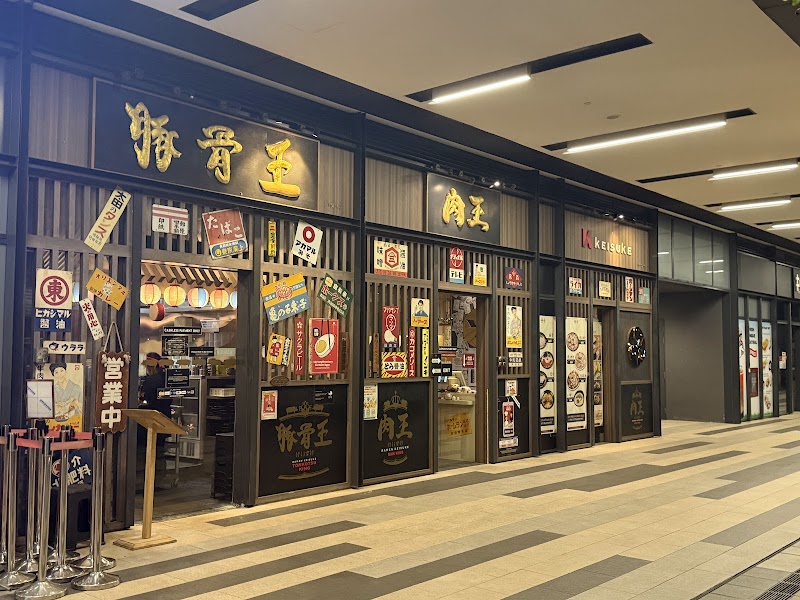
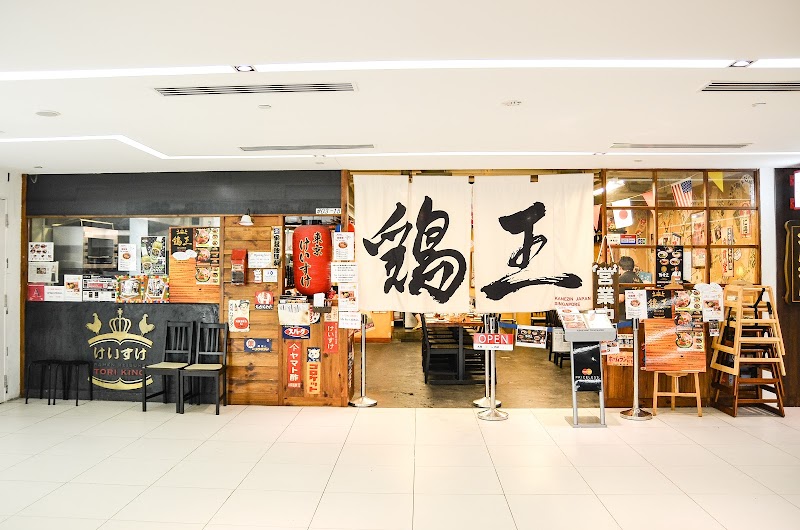
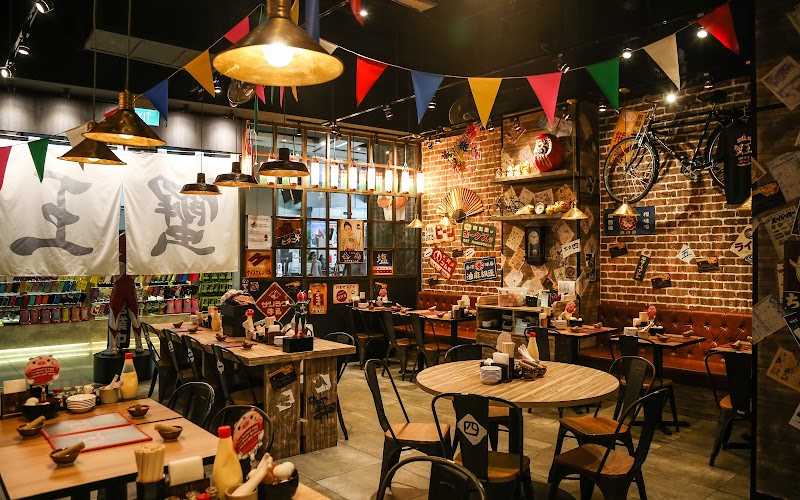
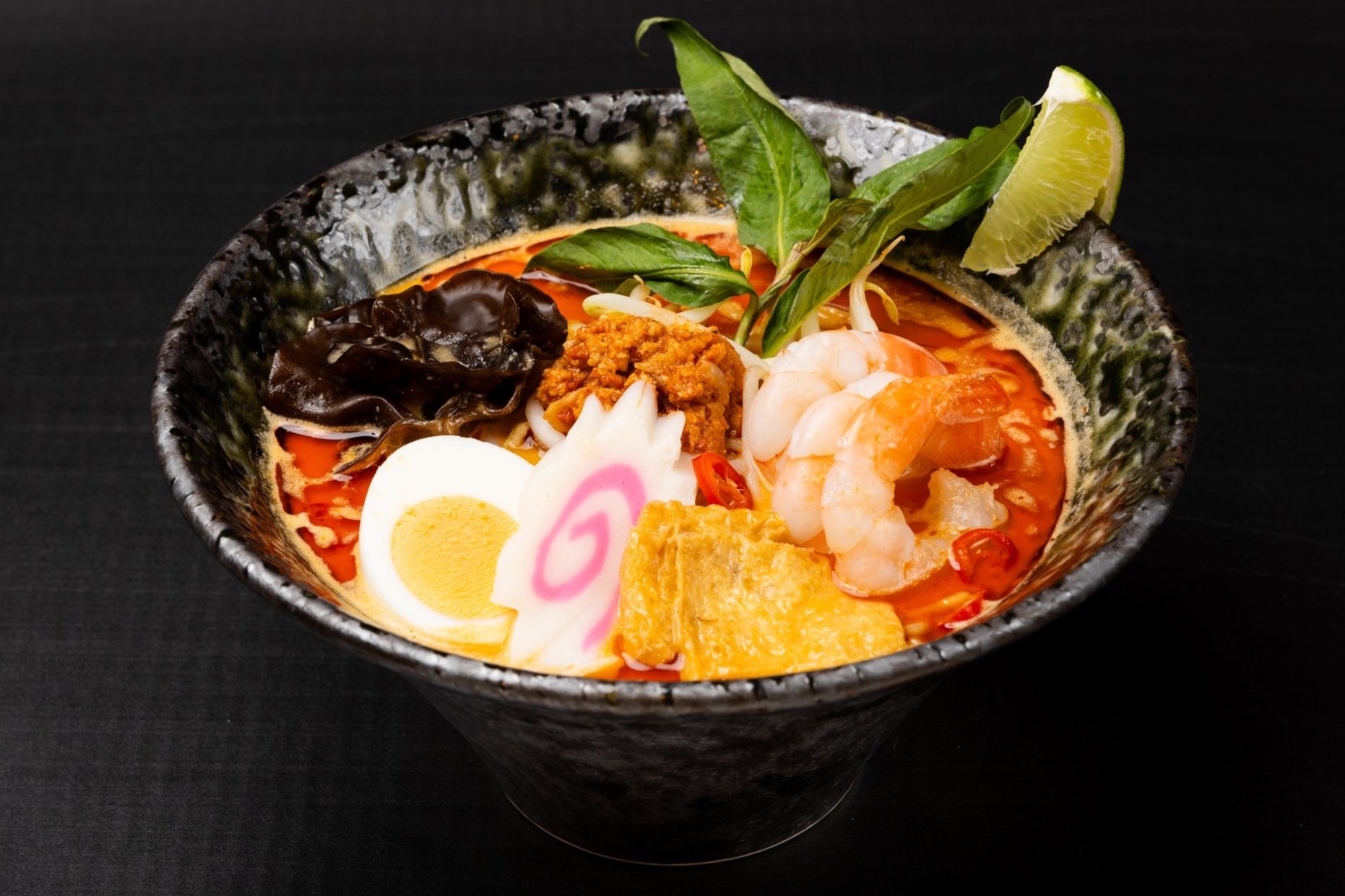
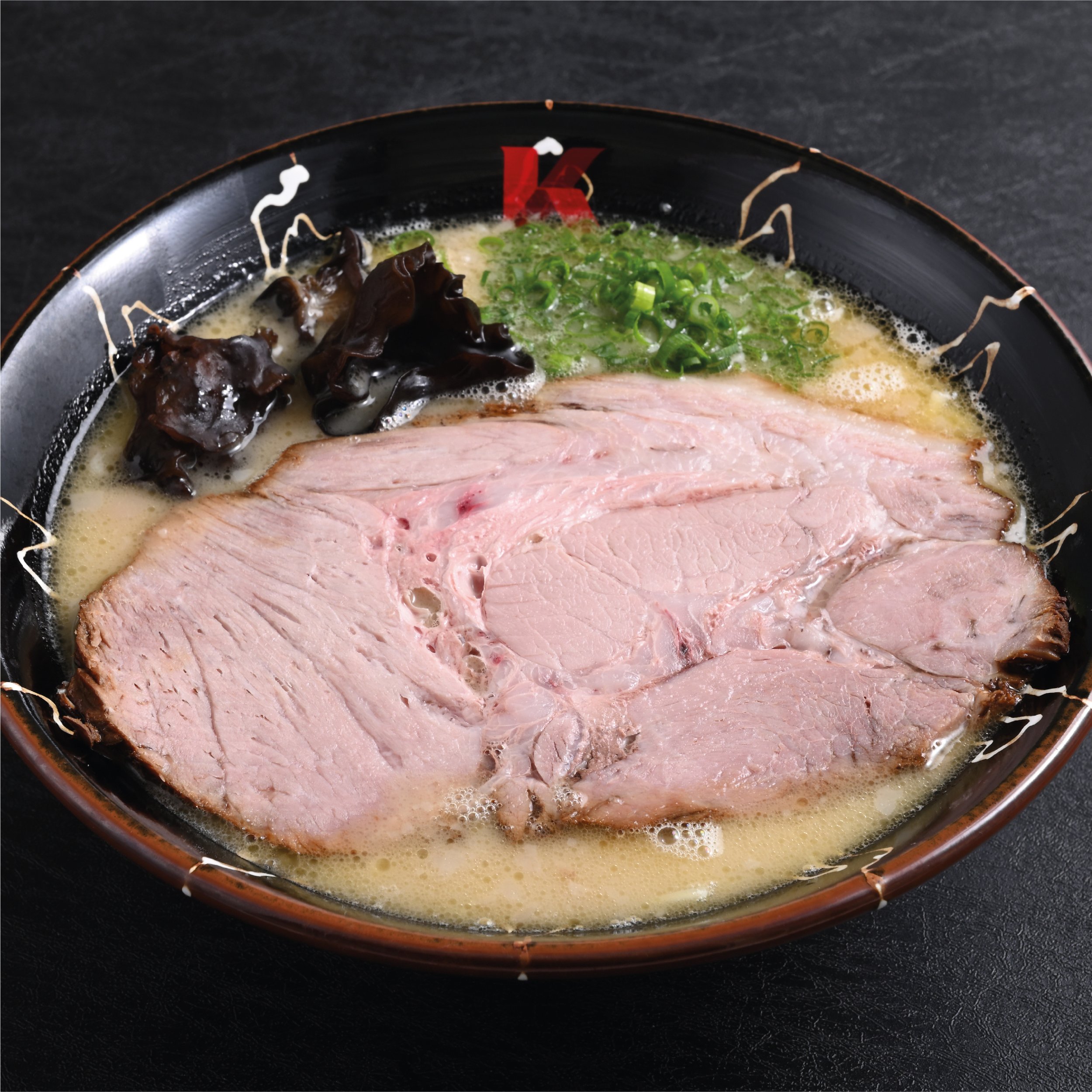
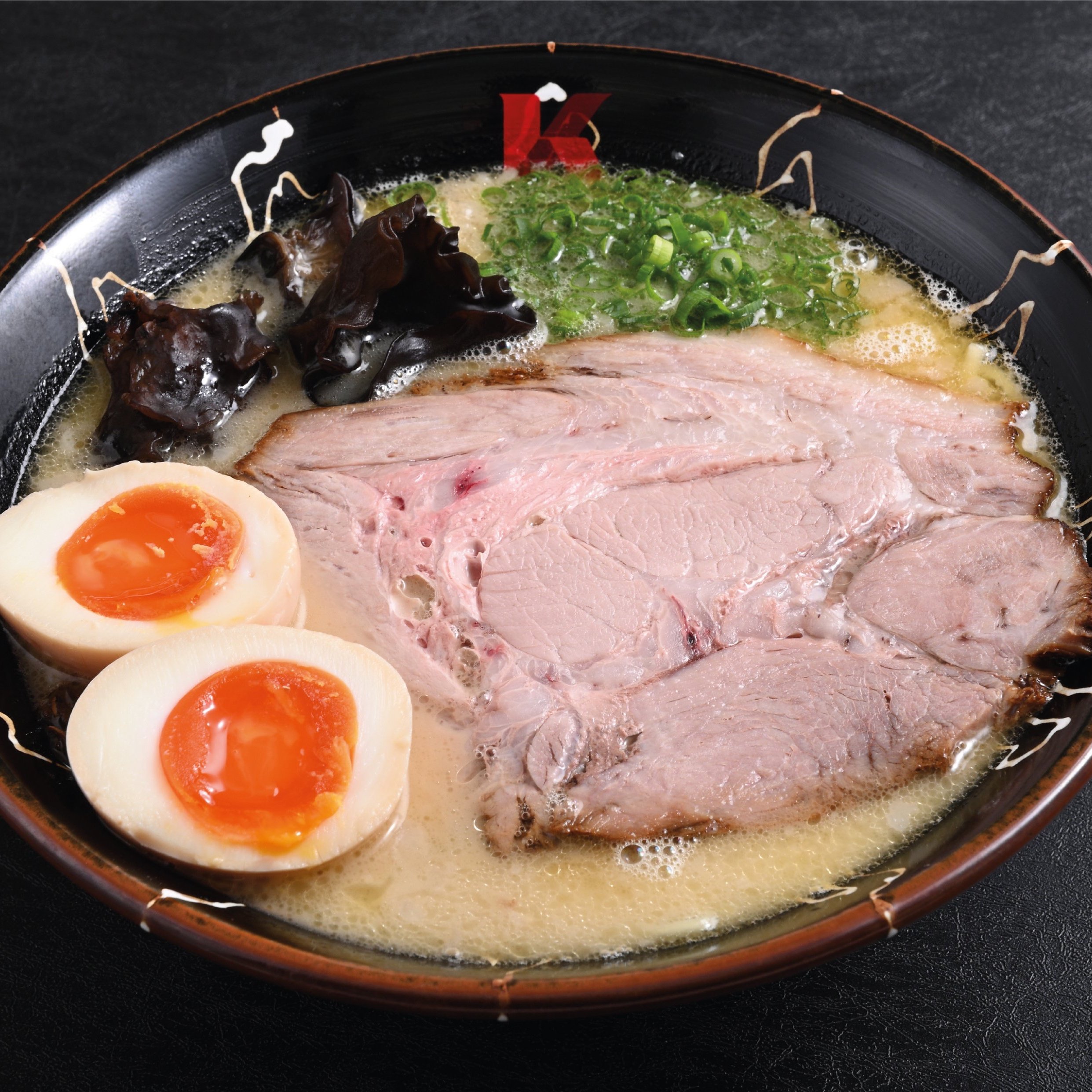
Ramen Keisuke is Singapore's largest and most diverse ramen chain, founded by Chef Keisuke Takeda from Hiroshima. What makes Keisuke unique is not just its scale — 17 outlets — but that almost every outlet serves a different concept and recipe. Tonkotsu King focuses on rich pork bone broth. Tori King specializes in chicken-based ramen. Lobster King features lobster broth. Kani King uses crab. Each concept is a standalone experience, not just a branch of the same restaurant. Chef Takeda's philosophy is to master one broth type per outlet, ensuring that each location represents the absolute best version of that particular ramen style. The chain has become a rite of passage for ramen lovers in Singapore — collecting visits to each concept is an unofficial challenge among food enthusiasts. Free-flow hard-boiled eggs and bean sprouts at most outlets add value to an already generous bowl.
Compass Verdict
Should you eat here?
Singapore-born ramen concept — thicker, bolder, more experimental than traditional Japanese ramen. The tonkotsu is heavier, toppings more generous. Free-flow hard-boiled eggs and beansprouts at the condiment bar add value. Multiple concepts across outlets.
Recommended For
Ramen EnthusiastsSolo DiningLate Night (some outlets)Adventurous EatersValue for MoneyConcept Collectors
Menu & Pricing
Prices subject to prevailing GST. Menu may vary by outlet.
Find Your Nearest — 4 Outlets
Dietary Info
Not halal certifiedContains pork in most brothsChicken-based option at Tori KingFree-flow eggs & sprouts
Your Ramen Keisuke Experience
01
Pick Your Concept
Each Keisuke outlet serves a different broth. Tonkotsu King for pork bone, Tori King for chicken, Lobster King for seafood. Choose based on your mood — this is what makes Keisuke unique.
02
Customize Your Bowl
Most outlets let you choose noodle firmness (firm, medium, soft), broth richness, and garlic level. For first-timers, medium everything is the safe choice.
03
Add Free Toppings
Help yourself to the free-flow counter — hard-boiled eggs, bean sprouts, and pickled ginger. These are included with your ramen at most outlets.
04
Try the Sides
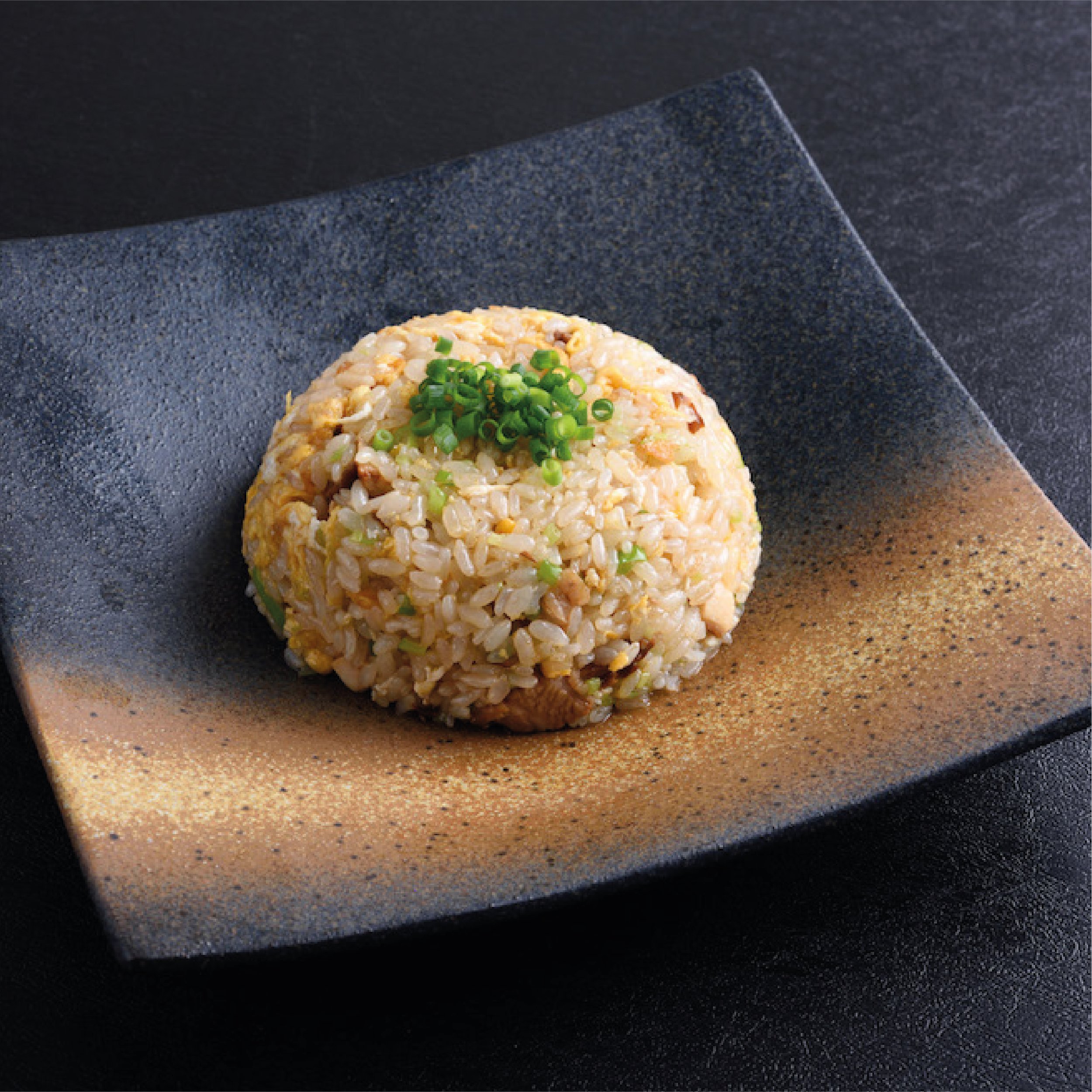
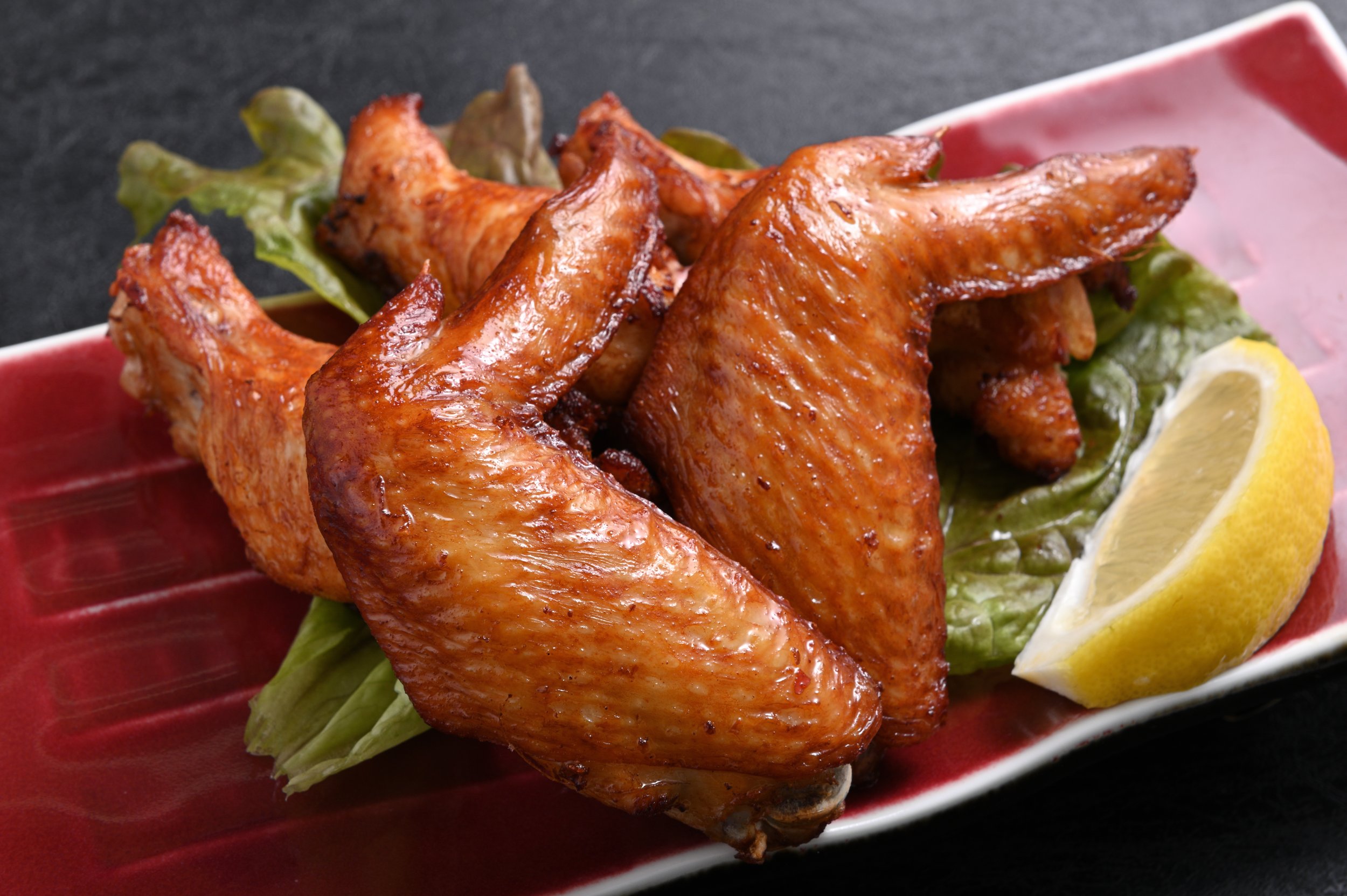
The gyoza are excellent — crispy-bottomed and juicy. Chashu rice is a filling add-on. If hungry, these turn a ramen meal into a feast.
05
Collect Concepts
Singapore foodies treat Keisuke as a collection quest — trying all 15 concepts. Share your progress on social media with #KeisukeSG.
Editor's Note
Keisuke is the best ramen value in Singapore's mid-range segment. Start with Tonkotsu King for the classic experience, then explore. Tori King is surprisingly excellent — the whole chicken thigh in your bowl is generous and flavorful. Lobster King is the premium highlight. Avoid peak hours (12-1pm, 6-7pm) at popular outlets like Tori King and Lobster King. The free-flow eggs alone make this chain stand out.
Frequently Asked Questions
What is the best Ramen Keisuke outlet?▾
Tonkotsu King (Paya Lebar) is the flagship. Tori King (100AM) is the most popular among locals. Lobster King (Clarke Quay) is the premium choice.
How much does Ramen Keisuke cost?▾
Ramen bowls range from S$15-25. With sides and drinks, expect S$20-35 per person.
Is Ramen Keisuke halal?▾
No, Ramen Keisuke is not halal-certified. Most broths contain pork. Tori King uses chicken broth as an alternative.
Why Ramen Keisuke in Singapore
Singapore's Japanese food scene is one of the most competitive outside Japan, with hundreds of restaurants ranging from S$5 hawker-style ramen to S$500 omakase. In this crowded landscape, Ramen Keisuke has carved out a loyal following by delivering consistent quality at its price point. Whether you are a first-time visitor to Singapore looking for reliable Japanese food, or a resident seeking a trusted regular spot, this chain offers a dependable experience across all its outlets. The standardised recipes mean you get the same quality whether you visit the Orchard outlet or the one in your neighbourhood mall.
For tourists, the multi-outlet presence means there is likely a location near your hotel or on your itinerary. For residents, it means a familiar meal is never far away. Umami Compass recommends checking the individual area pages for outlet-specific details including exact addresses, nearest MRT stations, and local tips.
Ordering Tips
First-timers should start with the signature dish — it is the item the kitchen has perfected and the reason the chain built its reputation. If you are dining with a group, order a variety of items to share and discover your favourites. Lunch sets typically offer better value than ordering à la carte. Check the restaurant's social media for seasonal promotions and limited-time items. Most outlets are walk-in only with no reservations, so arriving slightly before or after peak lunch hours (12–1pm) will reduce waiting time.
One Chef, Many Concepts: The Keisuke Ramen Philosophy
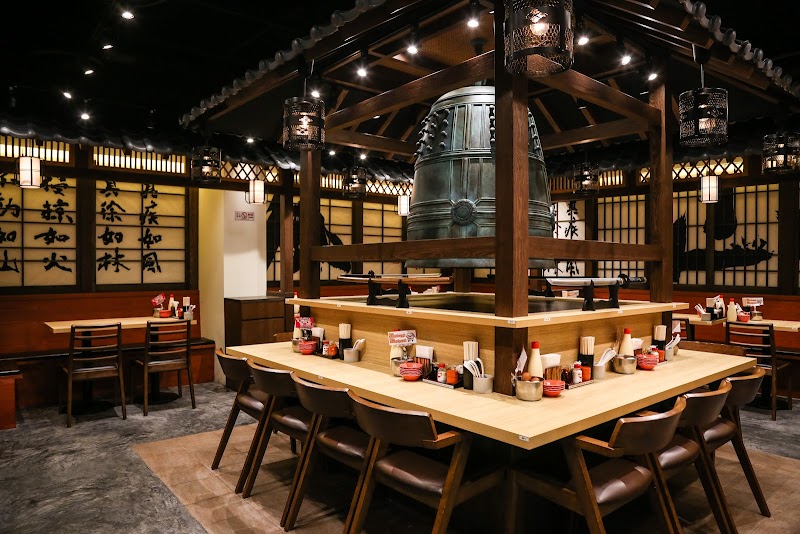
Chef Keisuke Takeda's approach to ramen is unlike any other chain operator in Singapore. Instead of standardising one recipe across all outlets, he has created multiple distinct concepts — each a standalone restaurant with its own broth, personality, and following. Tonkotsu King delivers the classic rich pork bone broth that Hakata is famous for. Lobster King builds its soup from whole lobster shells, producing a bisque-like broth with seafood sweetness. Tori King focuses on chicken — a lighter, cleaner alternative for those who find tonkotsu too heavy. Each concept has its own interior design, its own menu logic, and its own loyal regulars. This multi-concept model means that under the Ramen Keisuke umbrella, there is genuinely something for every ramen preference. It also means that repeat visits never feel repetitive — you can explore a completely different ramen experience by simply walking to a different Keisuke outlet. Many outlets also offer free-flow hard-boiled eggs and bean sprouts, a generous touch borrowed from ramen-ya culture in Japan. The overall effect is a ramen ecosystem rather than a chain — and for Singapore's ramen-loving population, that ecosystem has become indispensable.
How to Visit
Most outlets are located in major shopping malls across Singapore, easily accessible by MRT. No reservations are needed — simply walk in. During peak lunch hours (12:00–1:30pm) and dinner hours (6:00–7:30pm), expect short waiting times at popular outlets. Weekday afternoons between 2:00–5:00pm are generally the quietest. Payment methods typically include cash, NETS, Visa, Mastercard, and contactless payments. Many outlets are also available on food delivery platforms such as GrabFood, foodpanda, and Deliveroo for those who prefer to enjoy the food at home.
Understanding the Cuisine
Japanese cuisine is built on a few core principles that elevate even the simplest dishes. Umami — the 'fifth taste' — is central: a deep, savoury satisfaction that comes from ingredients like dashi (stock made from kelp and bonito), soy sauce, miso, and fermented seasonings. Balance is everything: sweet, salty, sour, bitter, and umami are calibrated in each dish to create harmony rather than dominance of any single flavour. Presentation matters: even at casual restaurants, food is arranged with care because the Japanese dining philosophy holds that you eat first with your eyes. Seasonality drives the menu: ingredients are chosen at their peak freshness, which is why you will often see seasonal specials that rotate throughout the year. Understanding these principles helps you appreciate why a seemingly simple bowl of rice and beef can feel like a complete, satisfying meal — every element has been considered.