Highlights
The gyoza
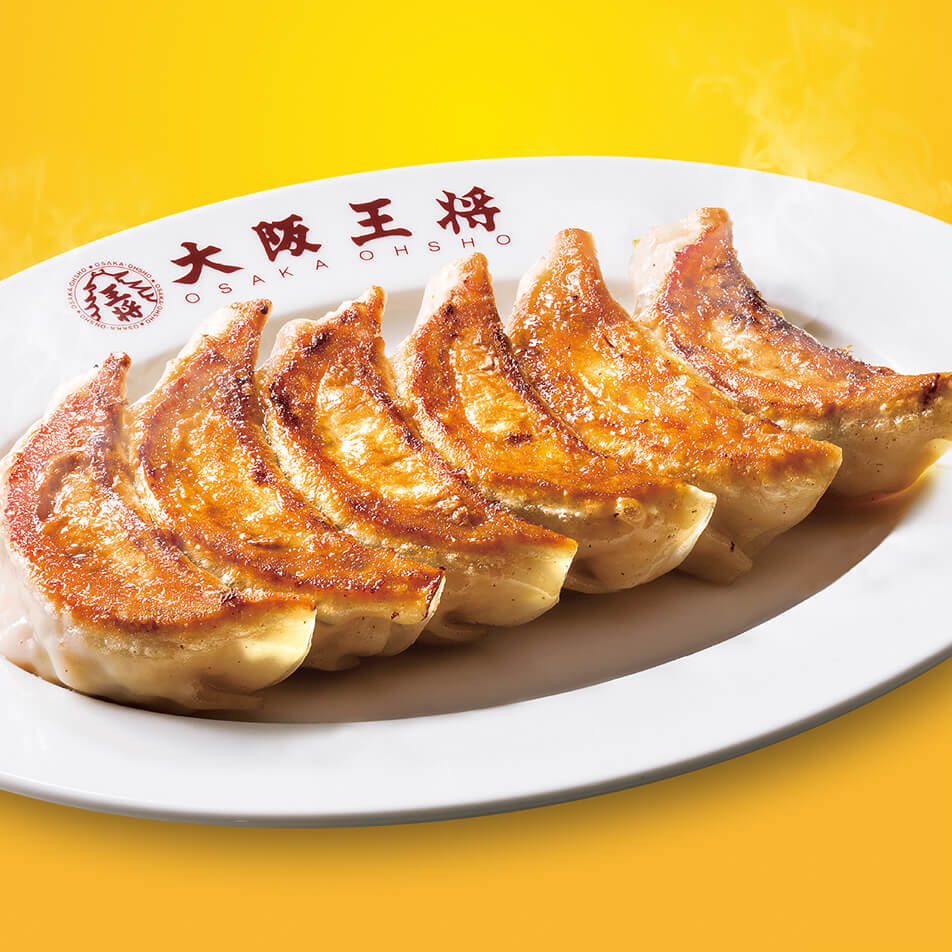
Handmade daily — pan-fried to golden crisp on one side
Beyond gyoza
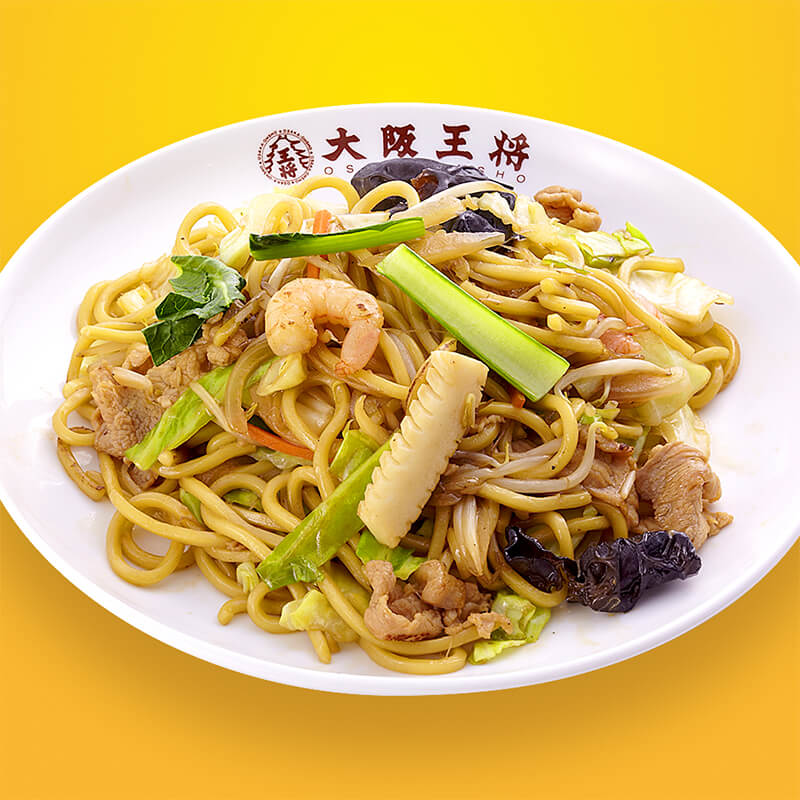
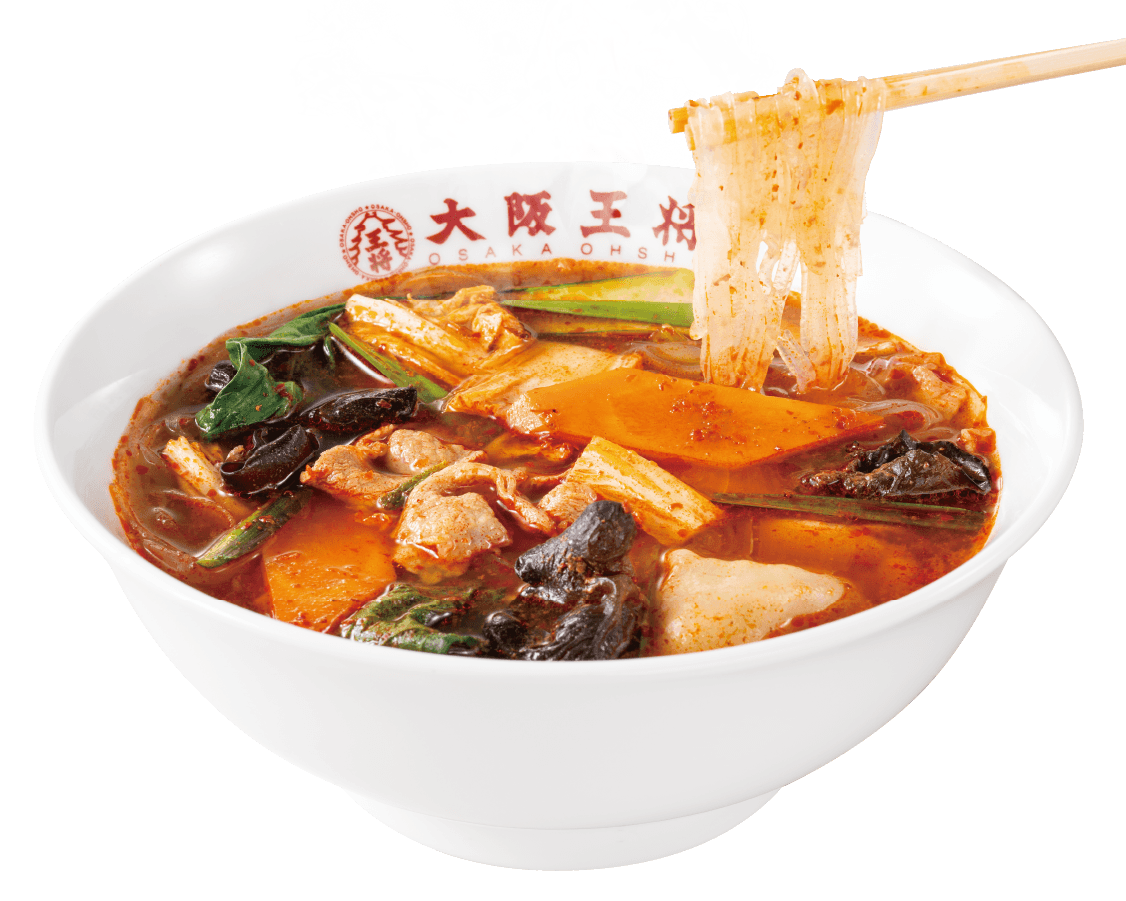
Full Chuka menu — mapo tofu, tenshinhan, yakisoba, ramen
Value
Gyoza 6pc S$3.90 · Sets from S$10.90 · iPad ordering
About
Born in 1969 in Osaka's Dotonbori — 'The King of Gyoza in Osaka.' Over 300 locations across Asia. 5 in Singapore.
The signature gyoza: cabbage, ginger, garlic, 3 kinds of pork in thin wonton wrapper, pan-fried golden. Full Chuka menu beyond gyoza — mapo tofu, tenshinhan, yakisoba, ramen. iPad ordering.
Compass Verdict
Should you eat here?
Japan's gyoza king since 1969. Pan-fried dumplings with machine-like consistency. The gyoza set meals — 6 gyoza + ramen or fried rice from S$10 — offer genuine value. Multiple outlets in CBD and malls.
Recommended For
Gyoza Lovers
Chinese Food Fans
Budget Dining
Families
Quick Lunch
Late Dinner
Signature Dishes
SIGNATURE
Handmade Gyoza
Three kinds of pork, cabbage, garlic, ginger. Pan-fried golden. Light, not greasy. Eat a dozen and want more.
6pc S$3.90 · 12pc S$7.80
COMFORT FOOD
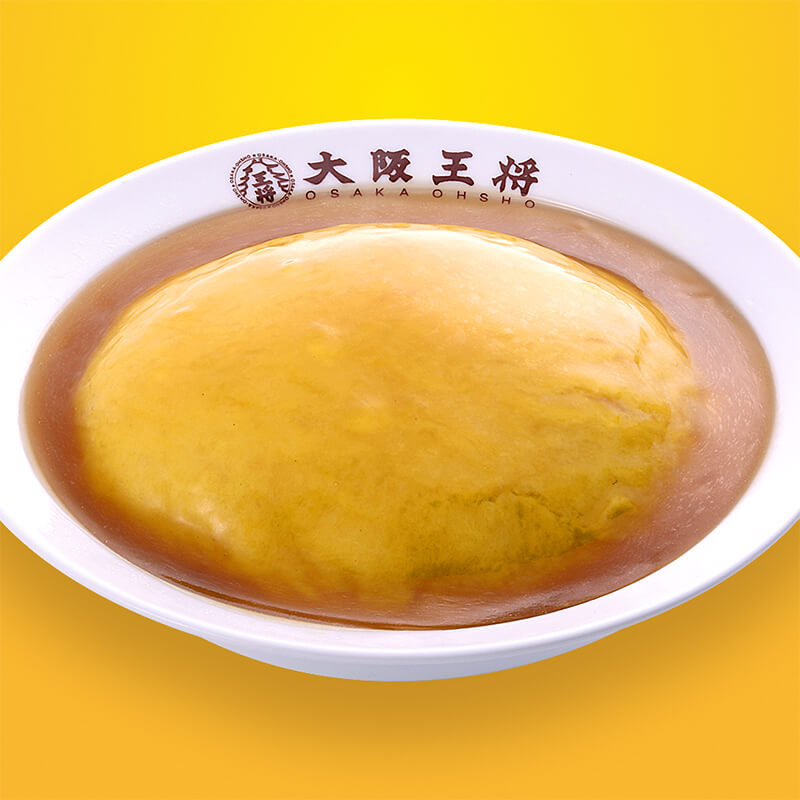
Fuwatoro Tenshinhan
Fluffy egg fu yung over rice with silky sauce. 'Fuwatoro' = fluffy-melty. A Chuka comfort classic.
~S$10.90
CHUKA CLASSIC
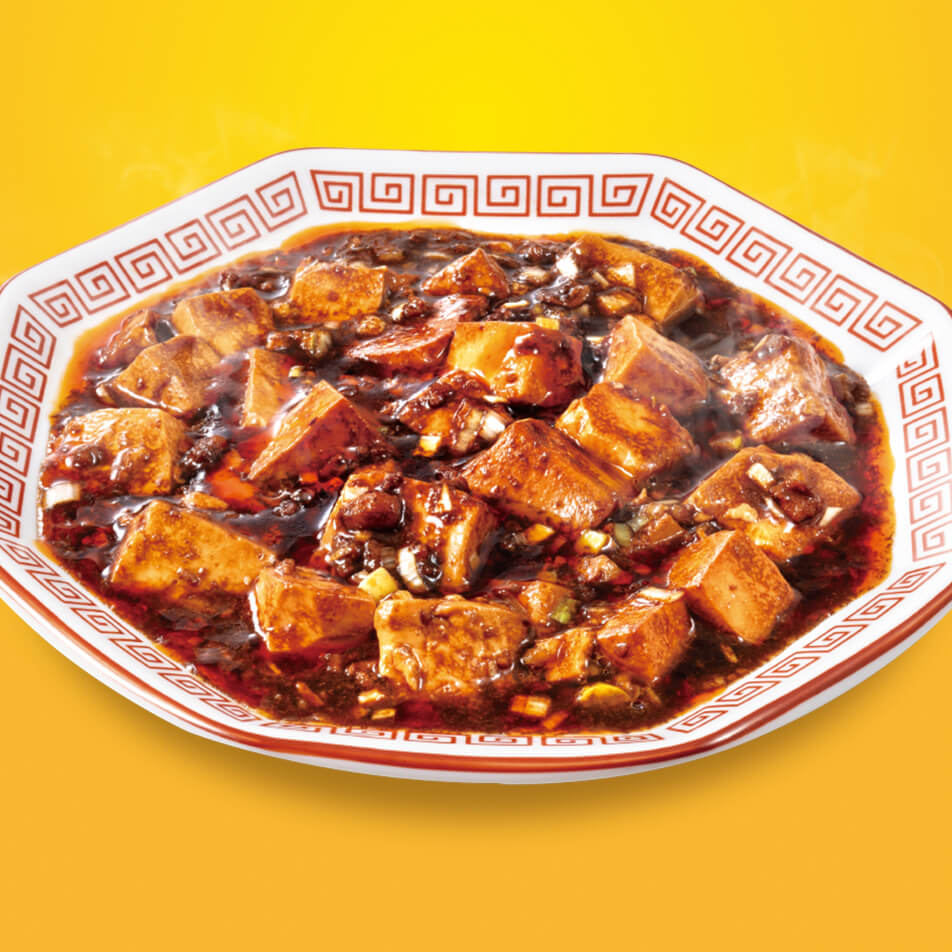
Mapo Tofu
Silky tofu in spicy, numbing pork sauce. Home-style Sichuan classic. Order with rice and gyoza.
S$7.90
Menu & Pricing
* Prices subject to GST. Set meals include soup. iPad ordering at table.
Practical Info
Locations
5 locations — Bugis Junction (#B1-K21/K22), Junction 8 Bishan (#02-34/35), Raffles City (#B1-75), Tampines Mall (#04-19/20), Waterway Point Punggol (#B1-14)
Hours
Generally 11:30am–10pm daily · Waterway Point: 10am–10pm
Ordering
iPad ordering at each table
Delivery
GrabFood, foodpanda
Parent company
Eat & Foods Co., Ltd. (Japan) — osaka-ohsho.com
Important note
Different from 'Gyoza no Ohsho' at Cuppage — separate chain
Find Your Nearest — 3 Outlets
Dietary Info
Not Halal
Pork in gyoza filling
Some seafood options (saba, salmon)
Vegetable dishes available
Your Dining Journey
1
Seat Yourself & Order on iPad
Walk in, sit at iPad table. Browse, tap, submit. Add items anytime. No waiting for a waiter.
2
Start with the Gyoza — Obviously
Order 12 gyoza (S$7.80) to share. Golden-brown one side, moist the other. Dip in vinegar-soy. Light enough you'll want seconds.
3
Add a Set Meal for the Full Experience
Set meals (S$10.90-14.90) are best value — main + rice + soup. Some include gyoza. Tenshinhan set and fried chicken set both excellent.
Find a Location
5 locations: Bugis Junction, Junction 8 (Bishan), Raffles City, Tampines Mall, Waterway Point (Punggol). All near MRT.
📍 All Locations
Editor's Note
Gyoza-first restaurant with excellent Chuka. The gyoza is light, crispy, S$3.90/6pc. But the tenshinhan, mapo tofu, and set meals make it worth a full visit. 5 well-placed locations near MRT. Reliable since 1969.
Similar Restaurants
Gochi-So Shokudo ごち惣食堂
Iberico pork specialist · Tonkatsu · 14 locations
Ajisen Ramen 味千ラーメン
Kumamoto tonkotsu · 12 locations
Takagi Ramen
Budget ramen from S$6.90 · 13 locations
Why Osaka Ohsho in Singapore
Singapore's Japanese food scene is one of the most competitive outside Japan, with hundreds of restaurants ranging from S$5 hawker-style ramen to S$500 omakase. In this crowded landscape, Osaka Ohsho has carved out a loyal following by delivering consistent quality at its price point. Whether you are a first-time visitor to Singapore looking for reliable Japanese food, or a resident seeking a trusted regular spot, this chain offers a dependable experience across all its outlets. The standardised recipes mean you get the same quality whether you visit the Orchard outlet or the one in your neighbourhood mall.
For tourists, the multi-outlet presence means there is likely a location near your hotel or on your itinerary. For residents, it means a familiar meal is never far away. Umami Compass recommends checking the individual area pages for outlet-specific details including exact addresses, nearest MRT stations, and local tips.
Ordering Tips
First-timers should start with the signature dish — it is the item the kitchen has perfected and the reason the chain built its reputation. If you are dining with a group, order a variety of items to share and discover your favourites. Lunch sets typically offer better value than ordering à la carte. Check the restaurant's social media for seasonal promotions and limited-time items. Most outlets are walk-in only with no reservations, so arriving slightly before or after peak lunch hours (12–1pm) will reduce waiting time.
Japan's Gyoza King: 55 Years of Crispy Perfection
Osaka Ohsho was founded in Osaka in 1969 with a single mission: perfect the gyoza. Over 55 years later, it has become Japan's largest gyoza chain, with the craft of making crispy, juicy dumplings elevated to an art form. The signature hanetsuki gyoza (wing-tipped dumplings) are pan-fried with a flour-and-water slurry that creates a delicate, lacy crust connecting each piece — when the plate arrives at your table, the gyoza are joined by a golden, crackling web of crispy batter that shatters at first touch. This technique requires precise heat control and timing that comes from decades of repetition. The filling is a carefully balanced blend of pork, cabbage, garlic, ginger, and proprietary seasonings — juicy enough to release a burst of flavour when you bite in, but not so wet that it makes the wrapper soggy. Alongside gyoza, Osaka Ohsho serves fried rice (chahan), ramen, and combination sets that represent the classic Chinese-Japanese (chuka) dining tradition — hearty, unpretentious, and deeply satisfying. In Singapore, the chain brings this Osaka heritage intact, offering a dining experience that feels like a neighbourhood gyoza shop in Japan.
How to Visit
Most outlets are located in major shopping malls across Singapore, easily accessible by MRT. No reservations are needed — simply walk in. During peak lunch hours (12:00–1:30pm) and dinner hours (6:00–7:30pm), expect short waiting times at popular outlets. Weekday afternoons between 2:00–5:00pm are generally the quietest. Payment methods typically include cash, NETS, Visa, Mastercard, and contactless payments. Many outlets are also available on food delivery platforms such as GrabFood, foodpanda, and Deliveroo for those who prefer to enjoy the food at home.
Understanding the Cuisine
Japanese cuisine is built on a few core principles that elevate even the simplest dishes. Umami — the 'fifth taste' — is central: a deep, savoury satisfaction that comes from ingredients like dashi (stock made from kelp and bonito), soy sauce, miso, and fermented seasonings. Balance is everything: sweet, salty, sour, bitter, and umami are calibrated in each dish to create harmony rather than dominance of any single flavour. Presentation matters: even at casual restaurants, food is arranged with care because the Japanese dining philosophy holds that you eat first with your eyes. Seasonality drives the menu: ingredients are chosen at their peak freshness, which is why you will often see seasonal specials that rotate throughout the year. Understanding these principles helps you appreciate why a seemingly simple bowl of rice and beef can feel like a complete, satisfying meal — every element has been considered.